

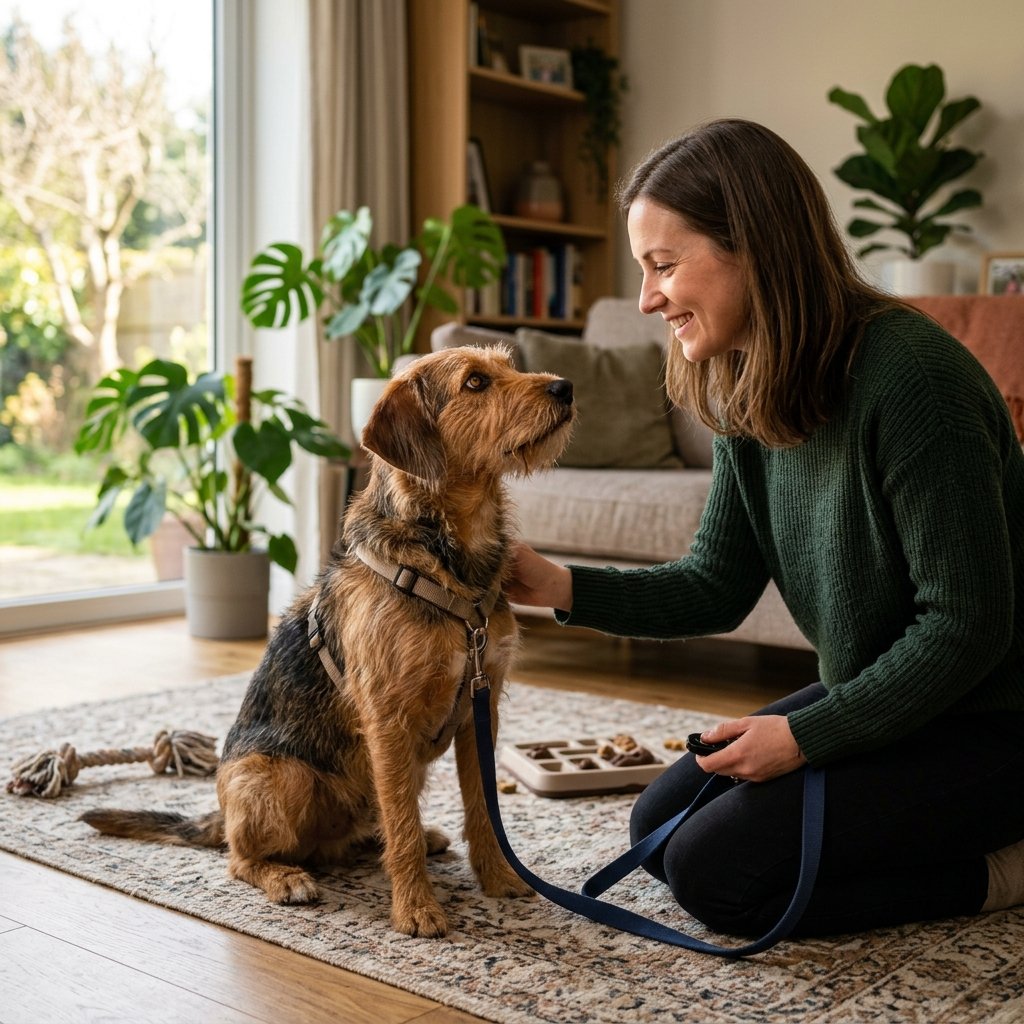
Having a dog can be one of the most rewarding things in life, but it can also come with some challenges. A dog that barks all the time, destroys furniture, pulls hard on the leash or panics whenever you leave the house can quickly turn an otherwise peaceful routine into a daily struggle.
The most important thing to keep in mind is that most dog behavior problems have a reason behind them. Dogs don’t usually misbehave just to annoy their owners. A dog’s behavior can be affected by fear, boredom, anxiety, frustration, excess energy, poor socialization or habits that have been unintentionally reinforced.
It is seldom punitive. Instead, it begins with understanding what your dog is communicating and then training a more suitable behavior. Here are 10 common dog behavior problems, why they happen and practical ways to work on them at home.
What Causes Dog Behavior Problems?
Try to figure out what causes the undesirable behavior before trying to change it. Different dogs can behave the same way for very different reasons.
For example, one dog may bark because he is excited to see someone come to the door, while another dog may bark because he feels threatened. A dog that chews shoes may just be bored, or he may be experiencing stress.
Common causes of dog behavior issues include:
- Lack of physical exercise
- Not enough mental stimulation
- Fear or anxiety
- Separation from the owner
- Poor socialization
- Inconsistent training
- Changes in the household or routine
- Attention-seeking
- Natural behaviors that have not been redirected
- Pain or an underlying medical problem
Once you understand the trigger, training becomes much more effective.
1. Excessive Barking
Barking is normal communication for dogs, but constant or seemingly uncontrollable barking can become frustrating for everyone in the household.
Dogs may bark when they hear unfamiliar sounds, see people or animals outside, become excited, feel frightened, or simply want attention. Some dogs also bark because they have learned that barking gets a reaction from their owner.
How to Fix Excessive Barking
First, determine what occurs just before the barking begins. For example, if your dog barks at people passing the window, it can be helpful to limit their access to that visual cue.
You can also teach a quiet cue. When your dog is quiet for a moment, calmly reinforce the quiet. Your dog will slowly learn that if he is quiet, he will also get your attention.
Ensure your dog gets lots of exercise and mental stimulation during the day. A bored dog may find its own entertainment, and barking may be part of that routine.
Don’t yell at a dog that is barking. To your dog, you might just sound like you’re barking along with him, which can increase excitement instead of calming it down.
2. Chewing Furniture, Shoes, and Other Objects
Chewing is a natural behavior, especially in puppies. Dogs explore their environment with their mouths, and chewing can also help relieve boredom or stress.
The problem starts when your dog decides that your shoes, sofa, table legs, or remote control are acceptable chew toys.
How to Stop Destructive Chewing
Management is Step 1. Keep tempting objects out of your dog’s reach until he is learning what is appropriate to chew.
Instead of making all the toys available at all times, have several safe chew toys and rotate them. Bring a toy back after a few days, and it can become interesting again.
If you see your dog chewing on something that’s not okay, redirect him to a toy that is. If your dog starts chewing on the right thing, praise him.
Exercise matters, too. A dog that has lots of physical and mental activity is not as likely to spend its free time looking for something to destroy.
If the destructive chewing is predominantly an issue when the dog is left alone, search for other signs of separation anxiety rather than treating the chewing as a problem itself.
3. Digging in the Yard
Digging may be frustrating when a carefully maintained garden suddenly looks like a collection of small craters. However, digging is a natural canine behavior.
Dogs may dig because they are bored, trying to escape, searching for something interesting, following a scent, or attempting to find a cooler place to rest.
How to Reduce Digging
Instead of trying to stop all digging, provide your dog with an appropriate place to dig.
If you have a super big digger of a dog, a designated digging area can work very well. Hide toys or treats under the surface so your dog will want to explore there.
If the trigger appears to be boredom, increase exercise and enrichment simultaneously.
If your dog is digging under the fence on a regular basis, take it seriously as a behavior. Attempts at escape may result in a dog being involved in traffic accidents, fights with other animals or being lost.
4. Jumping on People
A dog that jumps on guests is often trying to greet them, not misbehave intentionally. Unfortunately, a large excited dog can easily knock someone over or frighten a visitor.
Jumping is also frequently reinforced without people realizing it. If a dog jumps and receives eye contact, petting, talking, or pushing, it may learn that jumping successfully gets attention.
How to Stop Jumping
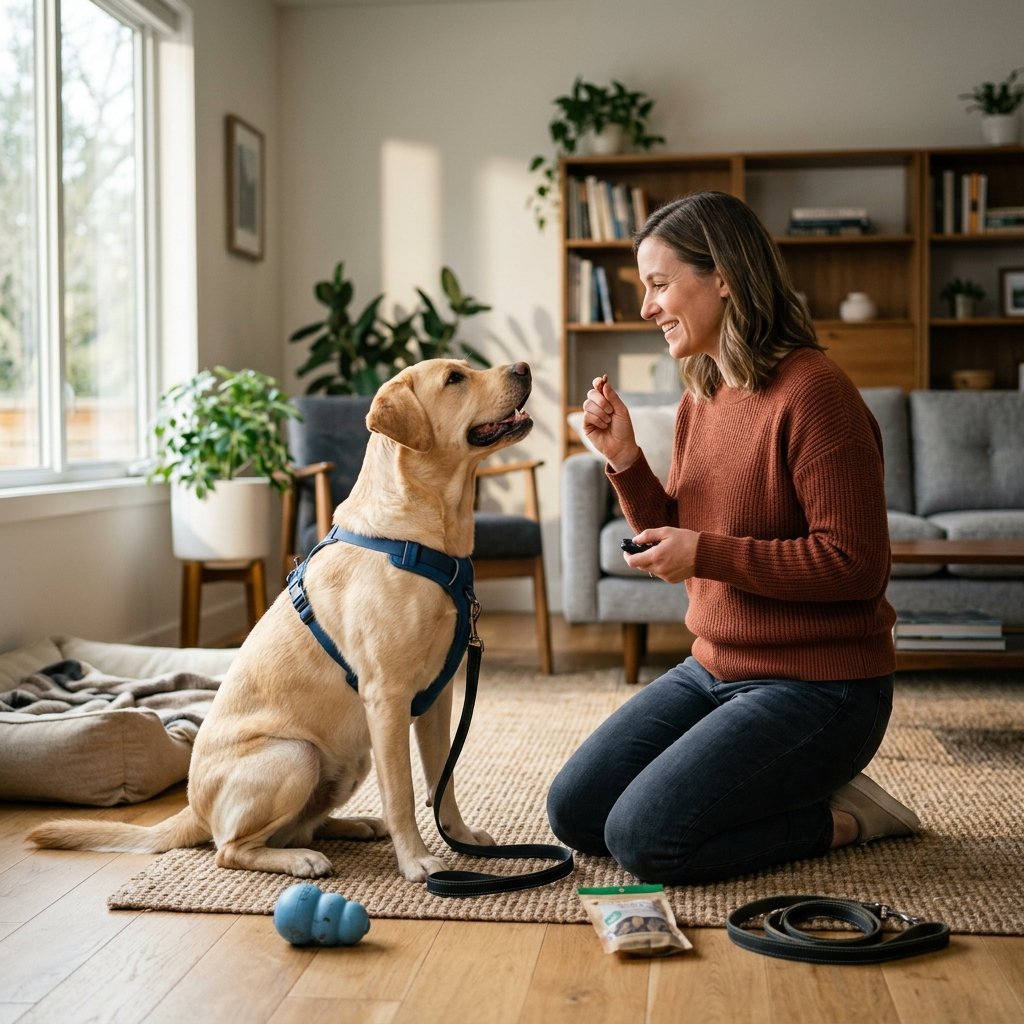
Teach your dog that four feet on the floor is what gets the attention.
Don’t reward jumping with excited interaction. Once the dog settles down, give attention or a reward.
Ask the visitors to follow the same rule. Super important for consistency. If jumping pays off for some people, but not others, the dog has little reason to stop trying.
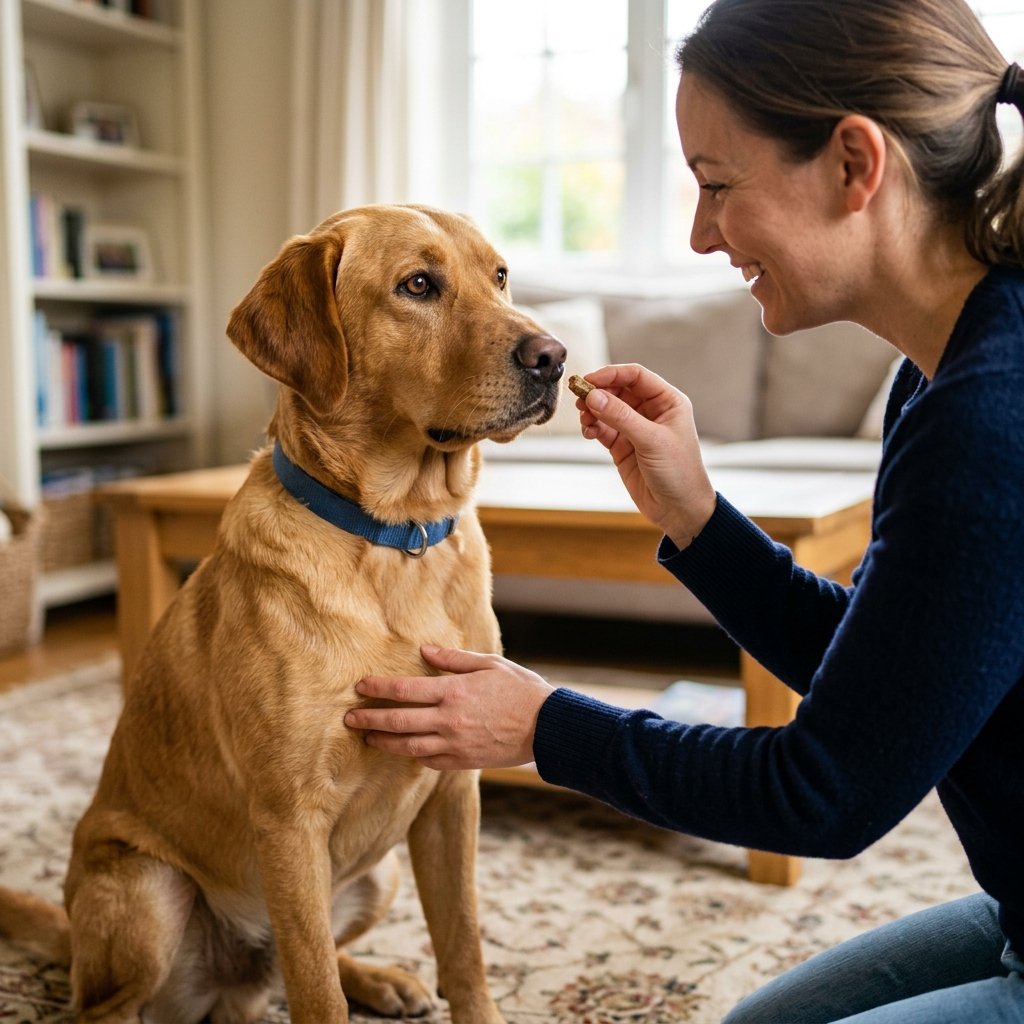
Training an alternate behavior such as sitting when greeting people can make the process so much easier. You need to teach your dog what to do, not just what not to do.
5. Pulling on the Leash
Walking should be enjoyable for both you and your dog, but leash pulling can turn a simple walk into a constant battle.
Dogs naturally move toward things they find interesting. A smell, another dog, a person, or a squirrel can be far more exciting than walking beside you.
How to Stop Leash Pulling
Practice in a quiet place, where there are fewer distractions. If the leash is loose and the dog is walking near you, reward your dog.
If your dog begins to pull, don’t walk forward; let the pulling bring you to whatever caught your dog’s attention. Wait until the leash is loose and then proceed.
Short training sessions are better than expecting a dog to learn loose leash walking on a long distracting walk.
As your dog progresses, slowly start practicing in locations that are more distracting.
Remember, leash training takes time. A dog that has been pulling for years is not going to break the habit after a walk or two.
6. Separation Anxiety
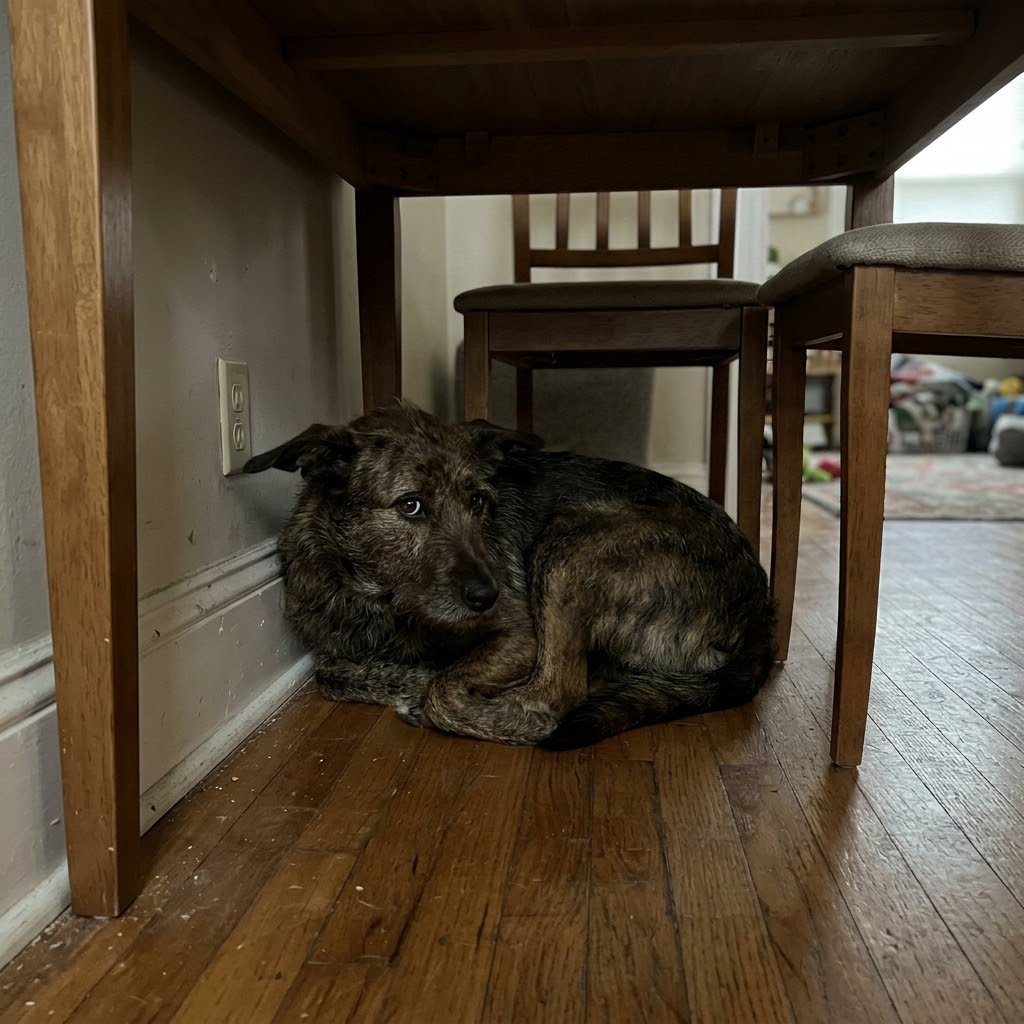
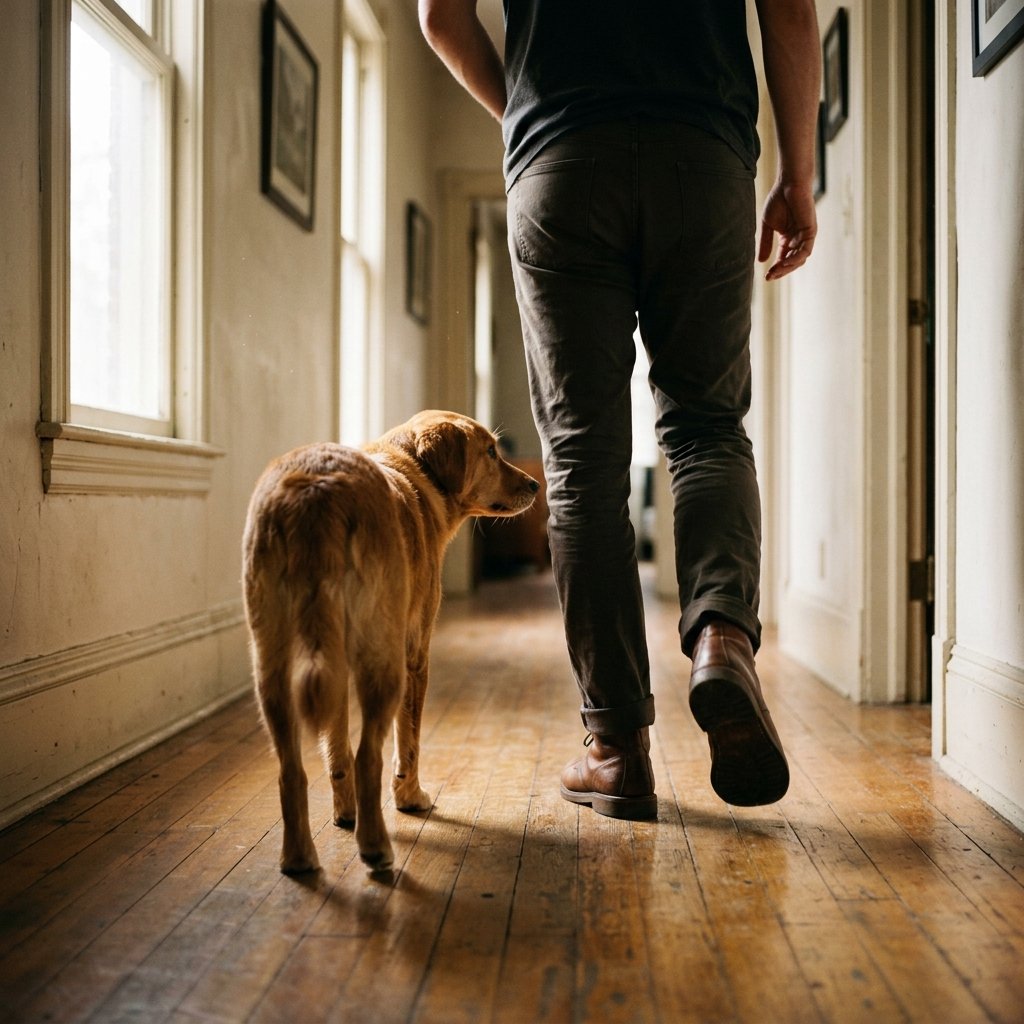
Some dogs become extremely distressed when their owners leave. They may bark, howl, pace, scratch doors, destroy objects, or have accidents inside the house.
This is different from ordinary boredom. True separation anxiety can involve significant distress.
How to Help a Dog With Separation Anxiety
Don’t leave a very anxious dog alone for long periods without warning and expect him to just get used to it.
More often, however, gradual training is more appropriate. Practice short departures that your dog can tolerate without becoming overly distressed and then slowly increase the length of time.
Keep arrivals and departures reasonably quiet. A dramatic goodbye can make a departure seem like a big deal.
Food puzzles and enrichment toys can also provide your dog with something positive to focus on while you are away, but shouldn’t be viewed as a complete solution to serious separation anxiety.
If your dog panics, injures himself, attempts to escape, or is unable to tolerate even very short absences, consult a veterinarian or qualified behavior professional. In more serious cases, a structured behavior plan may be needed.
7. Aggressive or Reactive Behavior
Aggression is one of the dog behavior problems that should be taken seriously.
Growling, lunging, snapping, showing teeth, or attempting to bite can be triggered by fear, frustration, resource guarding, territorial behavior, pain, or previous experiences.
Not every reactive dog is aggressive, either. Some dogs bark and lunge because they are overwhelmed or frightened when they see another dog or person.
What to Do About Aggressive Behavior
Don’t deliberately put your dog in situations where he is likely to respond aggressively to “teach him a lesson.” This can heighten the fear and make the behavior more difficult to control.
Instead, work on creating distance from triggers when possible, and work on changing the dog’s emotional response gradually.
Reward calm behavior when your dog sees a trigger and doesn’t react strongly. A qualified dog behavior professional can help you decide the best course of training to take.
If your dog’s aggression is sudden or out of character, schedule a vet exam. Sometimes medical problems or pain can contribute to behavioral changes.
Never ignore a bite or serious attempt to bite. People and animals have to be protected.
8. Begging for Food
Those big eyes under the dinner table can be difficult to resist, especially when your dog looks like it has never been fed in its life.
The problem is that begging often works. If a dog receives food from the table even occasionally, it learns that sitting nearby, staring, whining, or pawing may eventually produce a reward.
How to Stop Begging
The simplest solution is consistency.
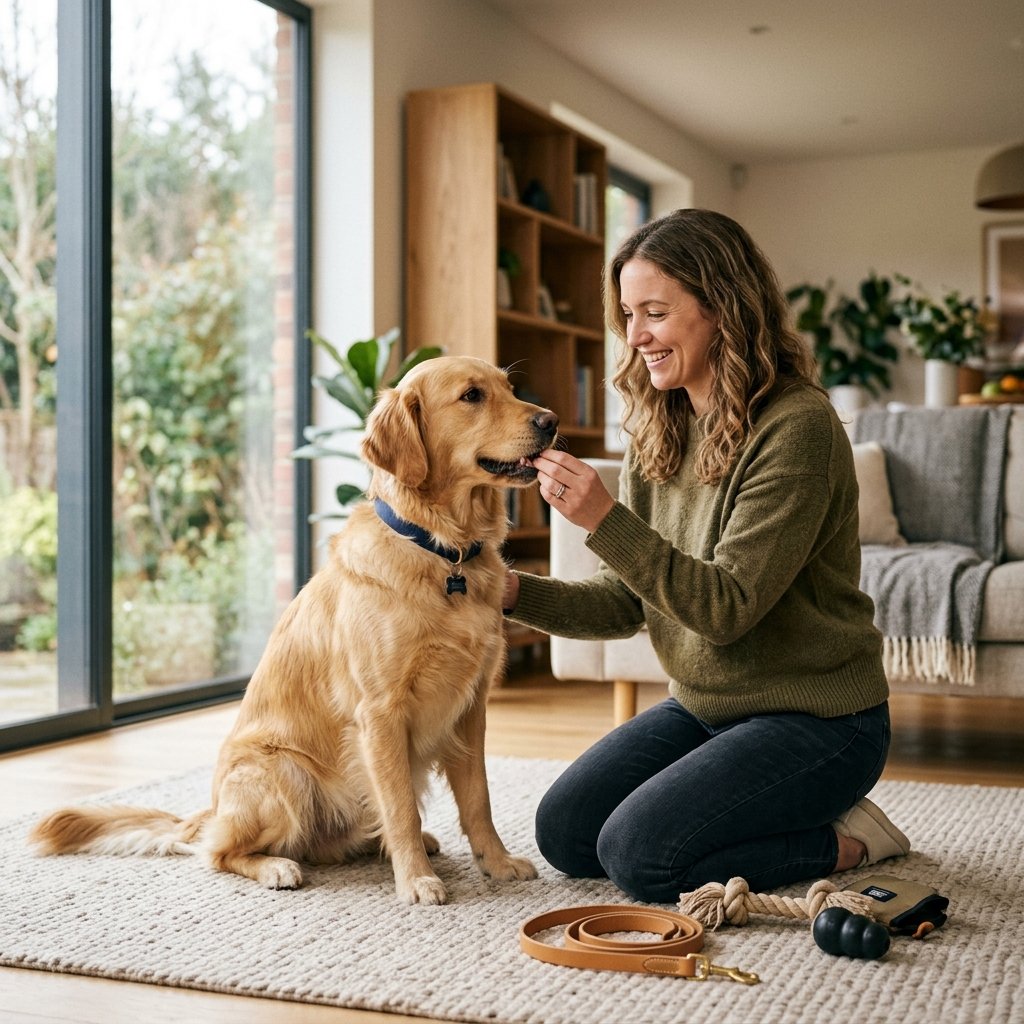
Do not reward begging with table food. Instead, teach your dog where to settle during meals, such as on a bed or mat.
You can reward the dog for remaining calmly in that spot. With repetition, your dog can learn that relaxing away from the table is more rewarding than hovering around your chair.
Everyone in the household needs to follow the same rule. One person secretly sharing leftovers can keep the begging habit alive.
9. House Training Problems
Accidents inside the house are especially common with young puppies, but sudden house-soiling in an adult dog deserves more attention.
Puppies need time and repetition to develop reliable bathroom habits. Adult dogs may have accidents because of changes in routine, stress, incomplete training, or a medical problem.
How to Improve House Training
Take your puppies out often, especially after they wake up, eat, drink, play and sleep.
If your dog pees or poops in the right spot, reward him right away. Timing is important because dogs learn from what happens immediately after a behavior.
If the accident occurs indoors, clean the area thoroughly to avoid lingering odors, which will encourage the dog to repeat the behavior in the same place.
Don’t punish your dog when you find an old accident. Dogs don’t connect delayed punishment with something they did minutes or hours ago.
If an adult dog who has been house-trained begins to have accidents, talk to your veterinarian instead of assuming it’s just disobedience.
10. Chasing People, Animals, or Cars
Chasing is deeply rooted in canine instincts. A fast-moving squirrel, bicycle, cat, or car can trigger an immediate reaction.
The danger is obvious: a dog that runs toward traffic can be seriously injured within seconds.
How to Manage Chasing
The first thing is prevention. Don’t let a dog with a strong chase instinct run loose near roads or other hazardous areas.
Reliable recall training is extremely useful but should be trained slowly in controlled environments before trusting it around major distractions.
Reward your dog for deciding to ignore interesting moving objects and teach it to pay attention to you.
Some dogs have a very strong chase drive and need secure fencing and the right leashes, and need to be managed carefully.
Don’t expect your dog to stop chasing just because you call its name louder.
When Should You Get Professional Help?
Not every behavior problem requires a professional trainer. Many mild issues can improve with consistent training, appropriate exercise, enrichment, and better management.
However, professional help is a good idea when:
- Your dog has bitten someone or another animal.
- Aggressive behavior is becoming more frequent.
- Your dog shows severe fear or panic.
- Separation-related distress is intense.
- Your dog repeatedly attempts to escape.
- The behavior appeared suddenly without an obvious explanation.
- You have tried consistent training without improvement.
- You are concerned that someone could be injured.
For sudden behavior changes, a veterinarian should be considered first because medical problems can sometimes affect behavior.
For serious or complicated cases, look for a qualified professional who uses evidence-based, humane training methods and can explain the reasoning behind the recommended approach.
How to Prevent Dog Behavior Problems
It’s generally easier to prevent than to try to undo an entrenched habit.
Begin training young, but don’t forget that older dogs can learn new tricks. Keep training sessions short and sweet, and think about your dog teaching you what you want it to, rather than constantly correcting what you don’t.
And it’s important to be physically active every day, but mental stimulation is important too. You can give your dog’s brain something productive to work on with sniffing walks, food puzzles, basic obedience exercises, interactive toys, and learning new cues.
Socialization is another important part of a dog’s development. Introduce your dog to different people, places, sounds, textures, and proper dog interactions in the most positive and gradual way possible.
Most importantly, look for changes in behavior. When a dog becomes withdrawn, irritable, fearful, destructive or unusually aggressive, it is often a sign that something is wrong.
Final Thoughts
Behavior problems in dogs can be frustrating, but are often easier to understand if you look beyond the behavior itself. Barking, chewing, digging, pulling, jumping, and other undesirable habits usually have a trigger or learned pattern behind them.
Rather than asking how to punish a dog for bad behavior, ask what the dog is trying to tell you and what behavior you want. Be consistent in your expectations, provide appropriate outlets and make the desired behavior rewarding.
And if the behavior involves aggression, severe anxiety, sudden changes, or a safety risk, don’t try to do it alone. A veterinarian or qualified behavior professional can help identify the underlying issue and develop a safer, more effective plan.
Frequently Asked Questions
What are the most common dog behavior problems?
Common issues include excessive barking, destructive chewing, digging, jumping on people, leash pulling, separation anxiety, aggressive or reactive behavior, begging, house-training problems, and chasing.
How do I correct bad behavior in my dog?
Start by identifying why the behavior happens and what triggers it. Then manage the environment, prevent the unwanted behavior when possible, and consistently reward an appropriate alternative. Punishment is not always effective and can make fear-based problems worse.
Why is my dog suddenly behaving badly?
A sudden behavior change can have many causes, including stress, environmental changes, fear, pain, or another medical issue. If the change is sudden or significant, a veterinary checkup is a sensible first step.
Can older dogs learn to change their behavior?
Yes. Older dogs can learn new behaviors through consistent training. The process may take time, especially when an unwanted habit has been practiced for years, but age alone does not prevent learning.
How long does it take to fix a dog behavior problem?
There is no universal timeline. Some mild behaviors improve within days or weeks, while anxiety, aggression, and long-established habits can require months of consistent work. Progress depends on the individual dog, the cause of the behavior, and how consistently everyone in the household follows the training plan.

Discussion 0 comments
Share your thoughts — every perspective adds value.