

It happens in an instant. You reach for the food bowl, move toward the sofa or lean in for a cuddle, and your dog lets out a low, rumbling growl. Your heart skips. Is your dog angry? Is it dangerous? Did you do something wrong?
If you’re asking why does my dog growl at me, take a breath before you do anything else. A growl is not “bad behavior.” It’s communication, and an important one. Understanding what your dog is trying to say can protect both of you, and help you fix the real problem instead of just silencing the warning.
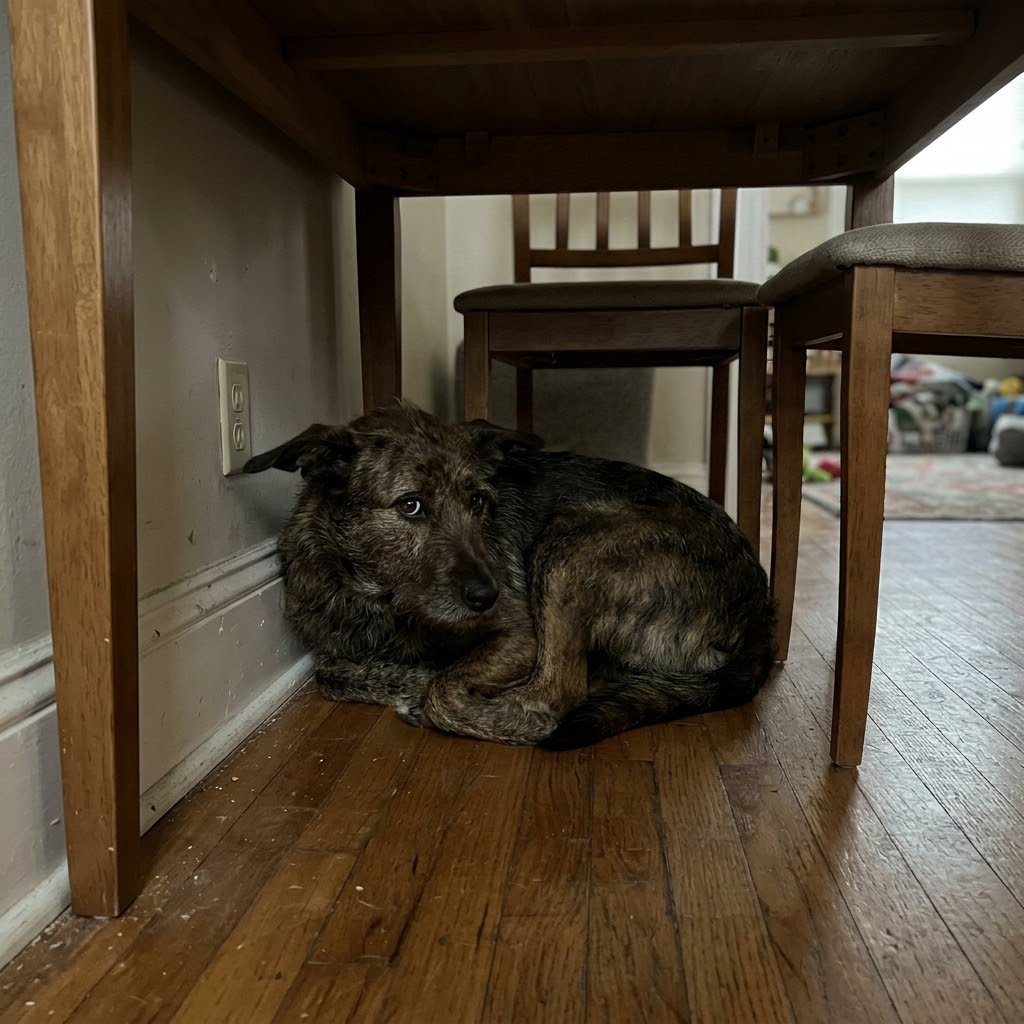
First, What a Growl Really Means
Dogs don’t have words. They have body language, sounds and, if those are ignored, stronger signals. A growl is one of the clearest ways a dog can say “I’m not comfortable, back off.” It’s a warning, not an attack.
That’s why it’s so important not to punish a growl. A dog who is scolded for growling may learn to hide the warning, and then go straight to snapping or biting without notice. A growling dog is giving you the chance to avoid a bite. Be grateful for the warning, and treat it as information.
Why Does My Dog Growl at Me? 8 Common Reasons
1. Fear or anxiety
This is one of the most common causes. A dog who feels threatened, cornered or overwhelmed may growl to create distance. Triggers can include being reached for suddenly, being grabbed, loud voices or situations they associate with something unpleasant, like nail trims or baths.
2. Pain or illness
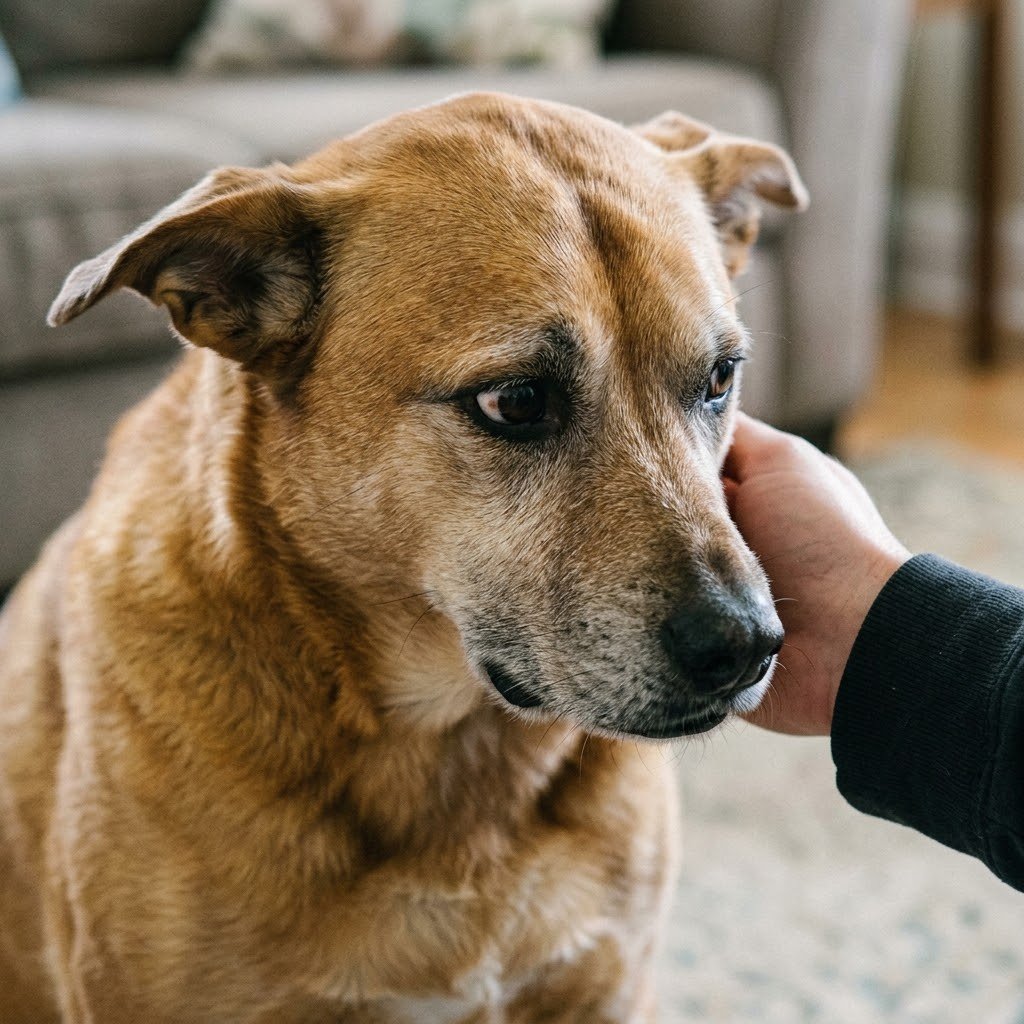
If your normally easygoing dog suddenly starts growling, especially when touched or picked up, pain is a prime suspect. Arthritis, dental problems, ear infections, injuries and other conditions can make touch hurt. This is a good reason to get a vet check before assuming it’s a training problem. The AVMA’s pet owner resources are a useful starting point for general health questions.
3. Guarding food
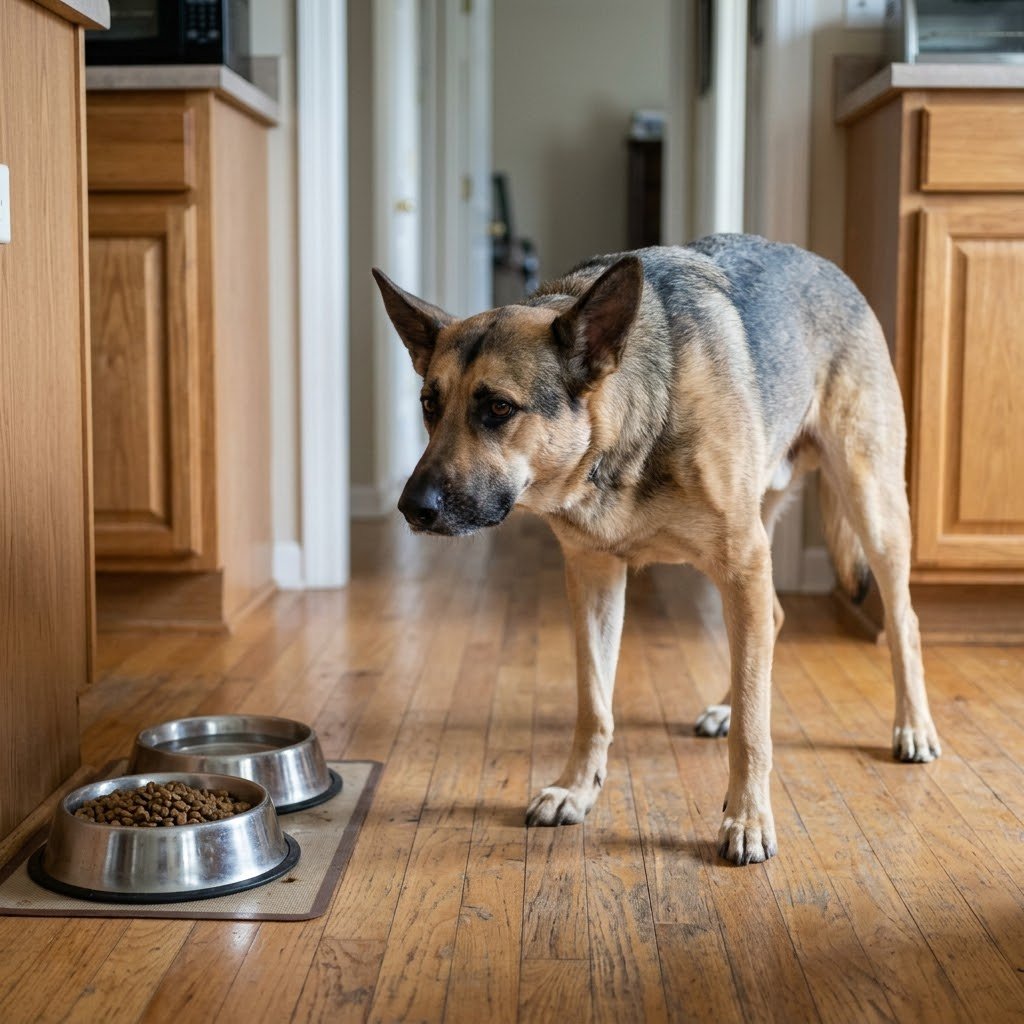
Some dogs growl when someone approaches their food bowl, a chew or a treat. This is called resource guarding, and it’s rooted in instinct: food is valuable, and they don’t want to lose it. It doesn’t mean your dog is “dominant” or aggressive in general.
4. Guarding toys or other prized items
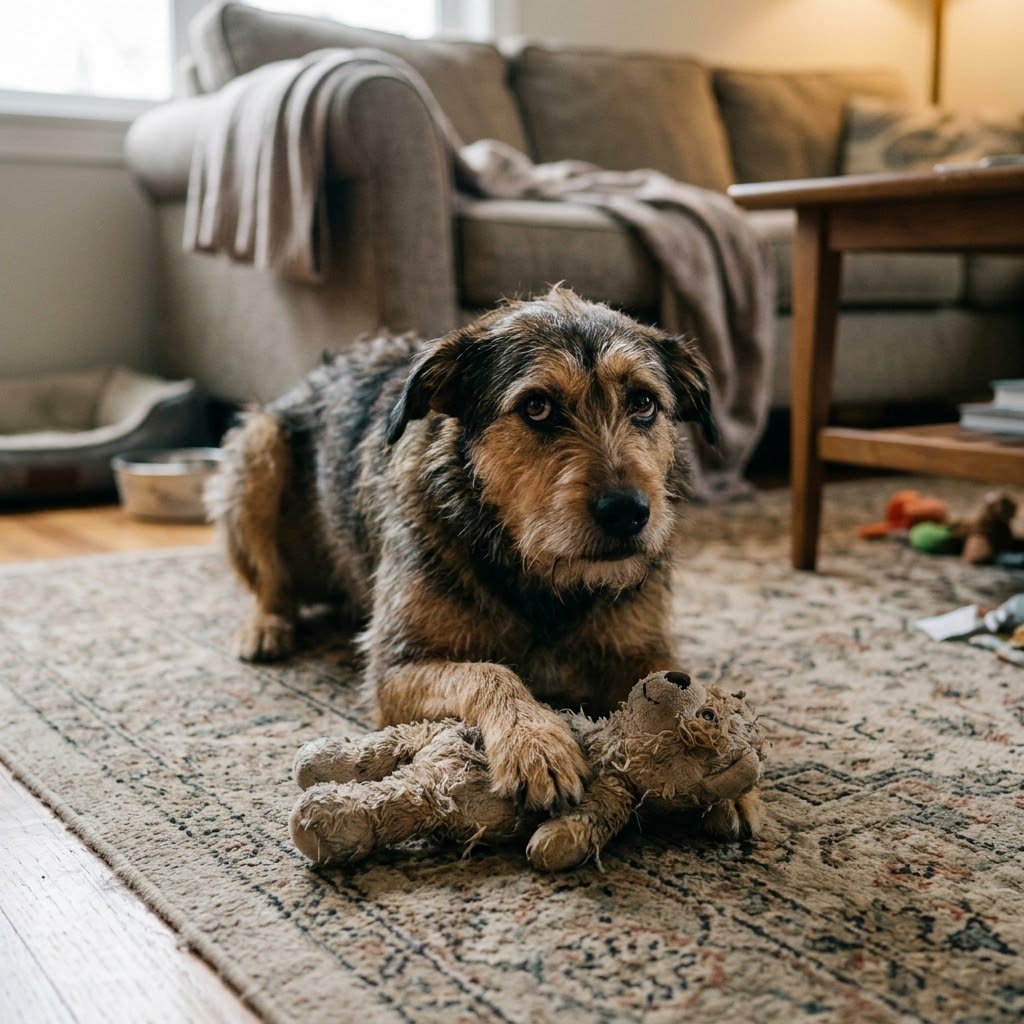
The same applies to toys, bones, stolen objects or even a favorite spot on the sofa or bed. If you reach for the item or approach, a guarding dog may growl to say “that’s mine.”
5. Play growling
Not all growls are serious. Many dogs growl during games like tug or wrestling. Play growls usually come with loose, bouncy body language, play bows and a relaxed face. The key is context. If your dog’s whole body is relaxed and they keep returning for more, it’s most likely just play.
6. Overstimulation or being handled too much
Some dogs have limits to how much petting, hugging or handling they can enjoy. If you’ve been cuddling or grooming and your dog growls, they may need a break. Dogs often show subtle signs before that, like turning their head, licking their lips, yawning or stiffening.
7. Territorial or protective behavior
Dogs may growl when they feel a person, place or pet needs protecting, like at the door, near their crate or around a favorite person. Sometimes that includes guarding their human from others.
8. Frustration or conflict
A dog who wants something and can’t have it, such as access to a squirrel or another dog, may growl out of frustration. Sometimes that energy gets redirected toward the nearest person, even if it isn’t about them.
How to Read the Whole Picture: Body Language
The sound of the growl is only part of the message. Look at your dog’s whole body to understand what they’re saying.
Signs your dog is uncomfortable or stressed
- Stiff body or freezing in place
- Hard stare, or avoiding eye contact and showing the whites of the eyes
- Lip licking, yawning or panting when not hot or tired
- Ears pinned back and tail tucked
- Lifting a lip to show teeth
- Moving away or turning their head
Signs of play
- Loose, wiggly body
- Play bow (front down, back end up)
- Bouncy movements and taking turns
- Soft face and relaxed mouth
If you see stiffness, a hard stare, bared teeth or a snap, treat it as serious and give your dog space. When in doubt, don’t push.
What to Do When Your Dog Growls at You
Stop and give space
The moment your dog growls, stop what you’re doing. Don’t yell, grab or stare them down. Calmly step back or move away, and let the tension drop. You’re not “giving in,” you’re listening.
Don’t punish the growl
Punishing a growl teaches a dog to suppress warnings, and can make a bite more likely. Instead, thank them for the warning and figure out what caused it. The American Veterinary Society of Animal Behavior explains why force-based methods carry risks in its position statements.
Work out the trigger
Ask yourself: What was happening? Where? Was your dog eating, resting, being touched or in a specific place? Keeping a short log can reveal patterns, such as only growling when you approach the couch or when you handle a particular paw.
Get a vet check
Especially if the behavior is new or sudden, rule out pain or illness. A health issue may be the entire cause. It’s the single most important step if the behavior is out of character.
Manage the situation to prevent problems
- Feed your dog in a quiet spot, and don’t disturb them while they’re eating.
- Don’t reach for guarded items. Use “trade” games or a treat toss to lure your dog away safely.
- Avoid hugging, looming over or cornering your dog.
- Supervise children closely and teach them to give dogs space. Never leave a young child alone with a dog who growls.
- Provide a safe retreat, like a crate or bed where your dog can rest undisturbed.
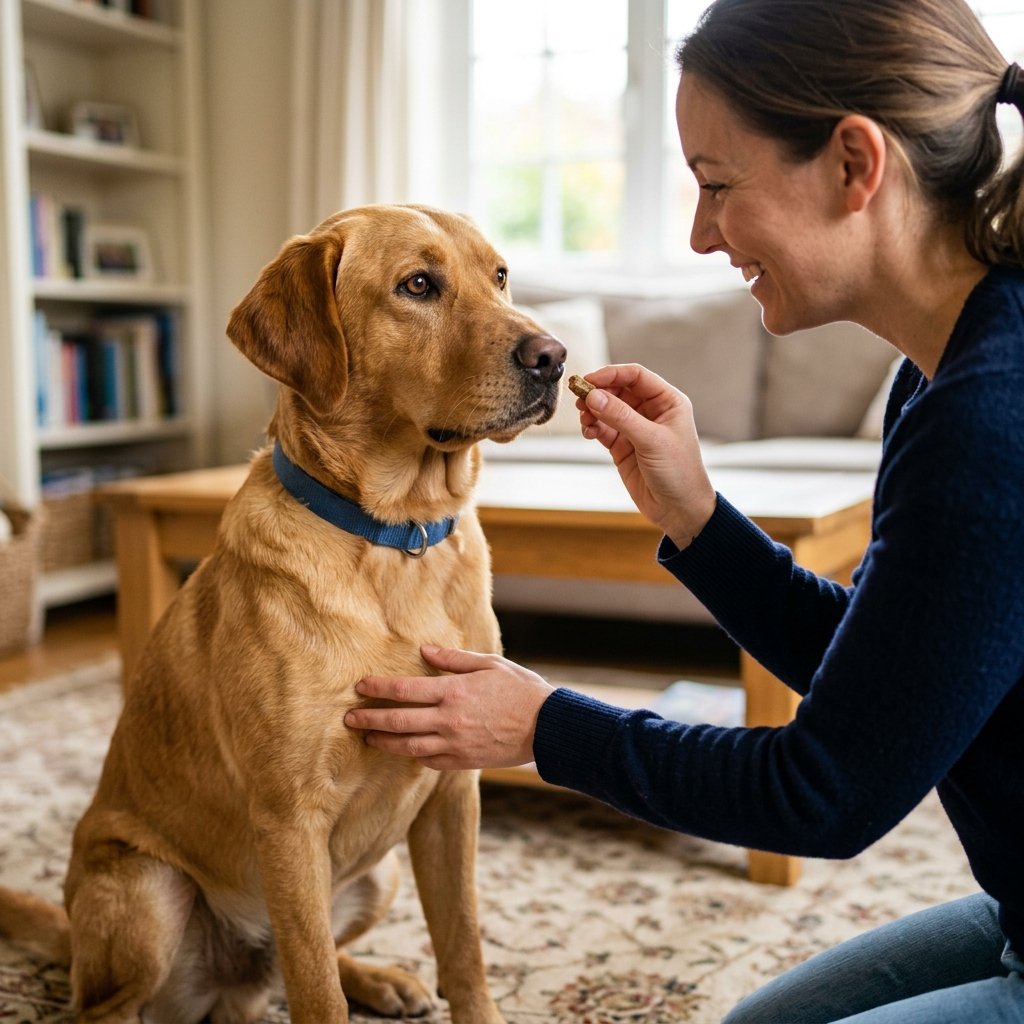
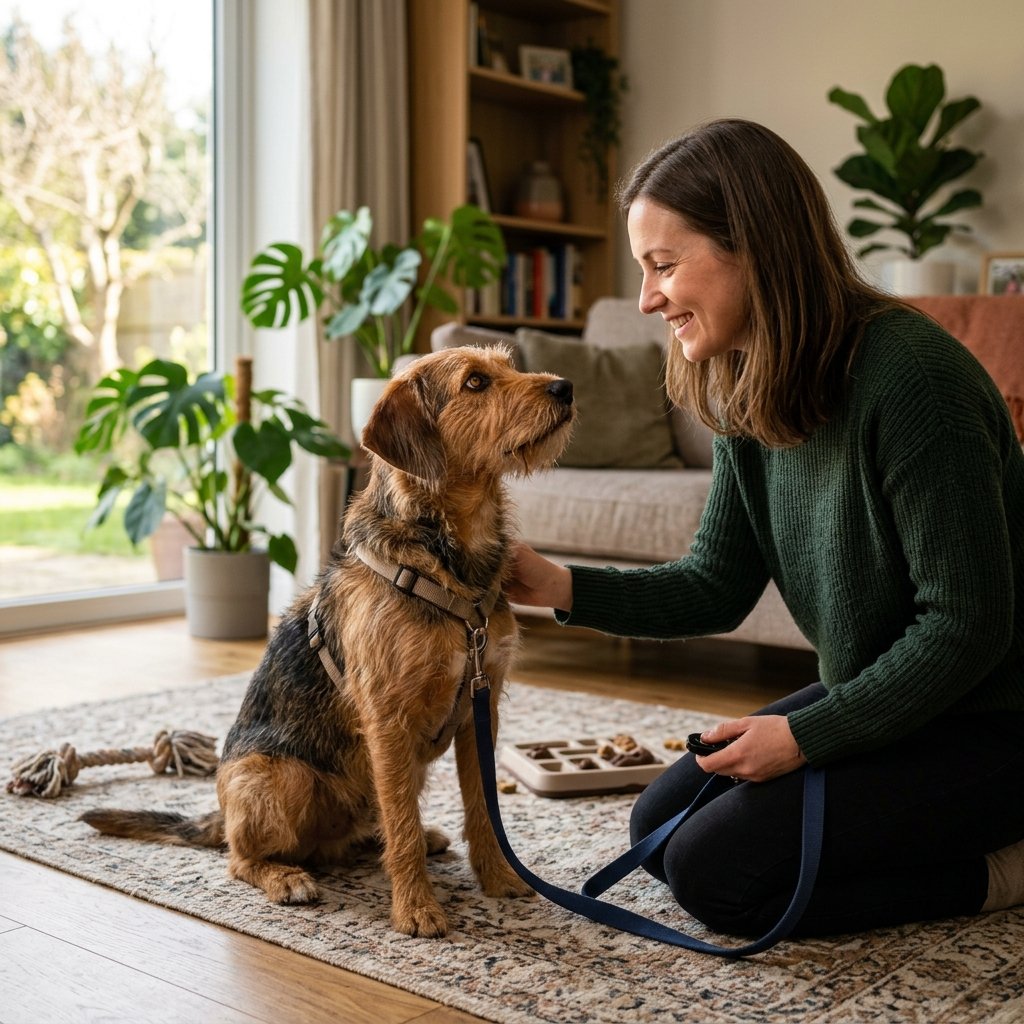
Change how your dog feels with reward-based training
Most growling stems from emotions like fear, discomfort or worry about losing something. Reward-based training can help change those feelings over time. Our guide to positive reinforcement dog training explains the basics, and our overview of common dog training mistakes shows what to avoid.
Build trust with handling practice
If your dog growls when touched in certain spots, work gradually with treats and short, positive sessions, and stop before your dog gets uncomfortable. Our guide to how to brush a dog’s teeth shows how to build comfort with mouth handling in small steps, and the same approach applies to paws, ears and grooming.
Strengthen the basics
Skills like “leave it,” “drop it” and “come” can help you manage guarding and tricky moments. Our basic dog commands training plan covers them step by step.
When to Get Professional Help
Growling is a normal form of communication, but get help from your vet and a qualified behavior professional if your dog:
- Growls at you, family members or children regularly
- Has snapped, lunged or bitten, or you feel unsafe
- Guards food, toys or spaces intensely
- Shows sudden changes in behavior
- Growls with a stiff body, hard stare or bared teeth
A veterinary behaviorist or a certified trainer who uses reward-based methods can create a safe plan. The American College of Veterinary Behaviorists has information on finding specialists, and Fear Free offers resources for gentler handling. Be wary of trainers who recommend “dominance” methods, alpha rolls or harsh corrections. They can make things worse. The ASPCA’s dog care pages and the AKC’s training library are also useful references.
For a wider look at what can go wrong and how to address it, see our guide to common dog behavior problems, and for everyday routines that help dogs feel secure, our post on healthy habits for pets.
Safety First
If you’re worried about a bite, the priority is safety. Avoid situations that trigger the growl, keep children away from the dog during known problem moments and use gates, leashes or separate rooms when needed. A growl is a warning. Respect it, and act on it.
Quick Answers
Why does my dog growl at me when I touch them?
It could be pain, fear, overstimulation or guarding. Stop touching, give them space and check with your vet, especially if it’s new.
Why does my dog growl at me over food or toys?
That’s resource guarding, an instinctive way of protecting valuable items. Don’t punish it. Manage the situation and get professional help if it’s intense.
Is it okay to let my dog growl?
Yes, in the sense that you shouldn’t punish it. A growl is useful information. The goal is to understand the cause and address it, not to remove the warning.
Why does my dog growl at me when I wake them up?
Startled dogs may react defensively, especially if they were deeply asleep. Wake them gently with your voice rather than touch, and let children know to do the same.
Why is my dog growling at me but wagging its tail?
A wagging tail doesn’t always mean a happy dog. It can show excitement, tension or arousal. Read the whole body, not just the tail.
Can a dog growl when playing?
Yes. Many dogs growl during tug or rough play. Look for loose, bouncy body language, play bows and taking breaks.
The Bottom Line
When you ask why does my dog growl at me, the most helpful way to think about it is this: your dog is telling you something. It could be fear, pain, guarding or just excitement during play. Stop, give space, never punish the growl and look for the cause, starting with your vet. With patience, kindness and professional support when needed, most growling problems can improve, and your bond can grow stronger as your dog learns that speaking up is safe.
If your dog has snapped, lunged or bitten, or if you feel unsafe, contact your veterinarian or a qualified behavior professional as soon as possible.


Discussion 0 comments
Share your thoughts — every perspective adds value.