

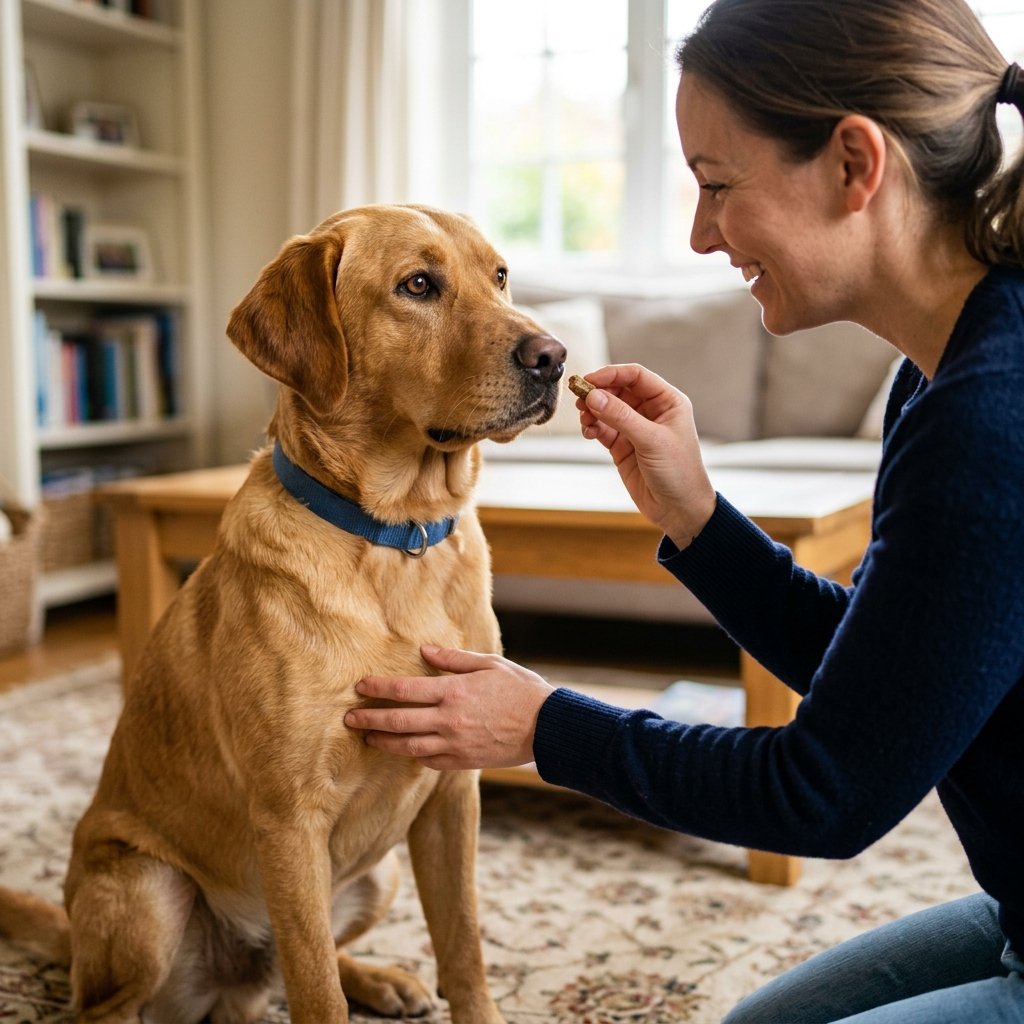
A barking dog can be annoying, especially at night, when visitors come by, or for no apparent reason. But for dogs, barking is a natural form of communication. Dogs bark when they are excited, scared, bored, protective, or want attention.
The goal is not to get rid of your dog’s barking. A dog that is quiet is not always a happy dog. The idea is to try to find out why your dog is barking and teach them when it is okay to bark and when it is time to be quiet.
In this guide, we’ll show you how to stop dog barking with positive training methods, practical solutions, and some simple changes you can make at home.
Why Do Dogs Bark?
Before trying to stop excessive barking, it is important to understand the reason behind it. Different types of barking require different solutions.
1. Attention-Seeking Barking
Some dogs bark because they want something from you, such as food, playtime, or attention.
For example, your dog may bark when you are working because they want you to interact with them.
If you reward this behavior by immediately giving attention, your dog learns:
“When I bark, my owner responds.”
What to do:
- Avoid giving attention while your dog is barking.
- Wait until they become quiet.
- Reward calm behavior with praise or treats.
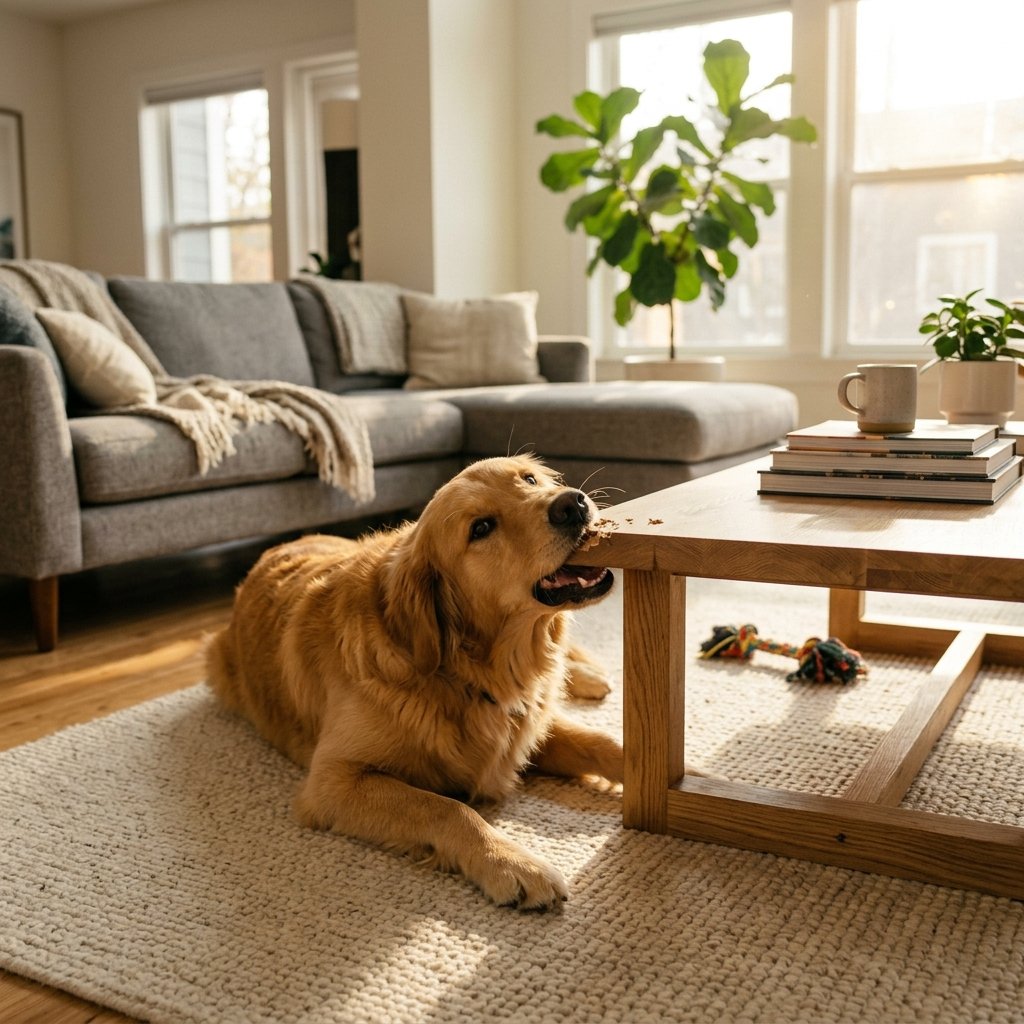
2. Barking Due to Boredom
Dogs need mental and physical stimulation. A dog that spends many hours alone may bark simply because they have nothing else to do.
Common signs of boredom include:
- Excessive barking
- Chewing furniture
- Digging
- Restlessness
How to help:
- Provide interactive toys.
- Increase daily walks.
- Practice training games.
- Give your dog activities that challenge their mind.
A tired dog is usually a calmer dog.
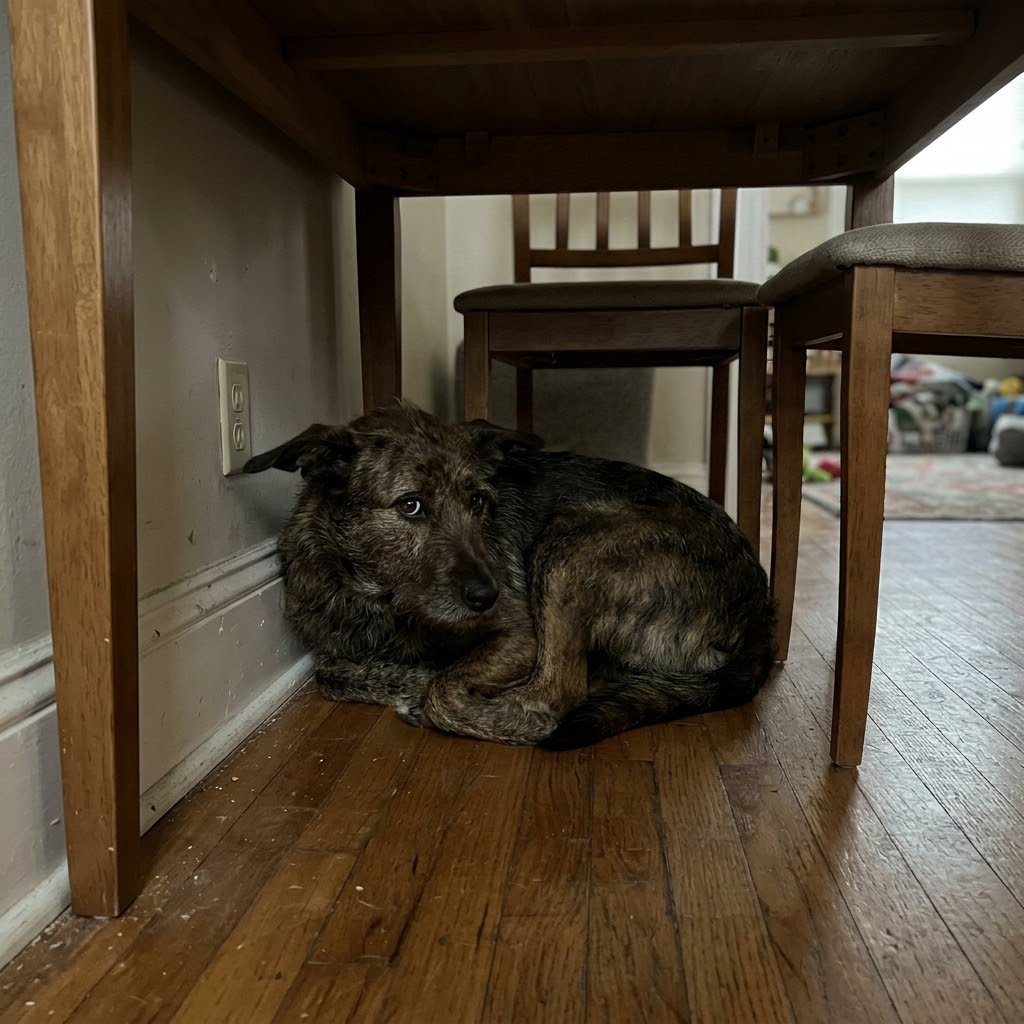
3. Fear or Anxiety Barking
Some dogs bark because they feel nervous or threatened.
Triggers may include:
- Loud noises
- Strangers
- Other dogs
- Thunderstorms
- Being left alone
Fear barking should not be punished because it can make anxiety worse.
Instead:
- Identify the trigger.
- Keep a safe distance.
- Reward calm reactions.
How to Stop Dog Barking: Effective Training Methods
1. Teach the “Quiet” Command
Teaching your dog a quiet command can help them understand when barking should stop.
Steps:
- Allow your dog to bark naturally.
- Say “Quiet” in a calm voice.
- Wait for a few seconds of silence.
- Reward your dog with a treat.
- Repeat regularly.
Over time, your dog will connect the word “quiet” with calm behavior.
Remember, training takes consistency. Your dog will not learn this command overnight.
2. Do Not Reward Unwanted Barking
Many owners accidentally encourage barking without realizing it.
Examples:
- Dog barks → owner gives food
- Dog barks → owner opens the door
- Dog barks → owner starts talking
Your dog may see this as a reward.
Instead, wait for a moment of silence before giving what your dog wants.
Reward the behavior you want to see more often.
3. Provide Enough Exercise
Physical activity plays a major role in reducing excessive barking.
A dog with unused energy may look for ways to entertain themselves, and barking becomes one option.
Depending on your dog’s breed, age, and health, activities may include:
- Daily walks
- Playing fetch
- Training sessions
- Puzzle toys
- Social activities
High-energy breeds often need more stimulation than smaller or older dogs.
4. Reduce Environmental Triggers
Many dogs bark because they react to things happening around them.
Common triggers:
- People walking outside
- Cars passing by
- Other animals
- Doorbells
You can reduce barking by:
- Closing curtains or blinds
- Moving your dog’s resting area away from windows
- Using background noise
- Creating a calm space
5. Avoid Punishment-Based Training
Shouting at your dog or using harsh punishment may stop barking temporarily, but it often creates more stress.
Your dog may not understand that you are correcting barking. They may simply learn that you are also reacting loudly.
Positive reinforcement works better because it teaches your dog what behavior you expect.
Reward calmness instead of only correcting mistakes.

How Long Does It Take to Stop a Dog From Barking?
The timeline depends on:
- Your dog’s age
- The reason for barking
- Training consistency
- Breed characteristics
Some dogs improve within a few weeks, while others may need several months of training.
The key is patience and repetition.
Small improvements, such as shorter barking periods or faster calming, are signs that training is working.
Common Mistakes Dog Owners Make
Expecting Instant Results
Dogs learn through repetition. Changing behavior takes time.
Giving Mixed Signals
If barking is sometimes rewarded and sometimes ignored, your dog becomes confused.
Everyone in the household should follow the same rules.
Ignoring the Root Cause
Barking is often a symptom of another problem, such as boredom, anxiety, or lack of training.
Finding the cause makes solving the problem easier.
When Should You Ask a Professional Trainer?
Consider professional help if:
- Your dog’s barking is aggressive.
- Your dog shows signs of extreme anxiety.
- Barking happens constantly despite training.
- Your dog reacts strongly to people or animals.
A qualified trainer can identify triggers and create a training plan suitable for your dog’s personality.
Final Thoughts
Teaching your dog to stop barking is not about quieting your dog. It’s about better communication between you and your animal.
Every dog has his day to bark. With consistent training, patience, and positive reinforcement, you will find that your dog becomes calmer and happier. When you understand that reason, you can help your dog learn to be calmer and happier.
A well-trained dog is not a dog that doesn’t bark. A well-trained dog is a dog that knows when to chill out.
Frequently Asked Questions
Why does my dog bark so much?
Dogs bark for different reasons, including communication, boredom, excitement, fear, anxiety, or seeking attention. Understanding the reason behind the barking is the first step to reducing excessive barking.
Can I train my dog to stop barking completely?
No, barking is a natural behavior for dogs. The goal is not to stop barking completely but to teach your dog when barking is unnecessary and encourage calm behavior.
How do I stop my dog from barking at strangers?
You can reduce barking at strangers by rewarding calm behavior, gradually exposing your dog to new people, and teaching commands such as “quiet” using positive reinforcement.
Why does my dog bark at night?
Dogs may bark at night because of boredom, loneliness, anxiety, unfamiliar sounds, or their natural alertness. Finding the cause and creating a calm sleeping environment can help reduce nighttime barking.
How long does it take to stop a dog from barking?
The time required depends on your dog’s age, personality, and the reason for barking. With consistent training and positive reinforcement, many dogs show improvement within a few weeks.
Are bark collars safe for dogs?
Some bark collars use punishment-based methods that may increase stress or anxiety in certain dogs. Positive reinforcement training is usually preferred because it teaches dogs the behavior you want.



Discussion 0 comments
Share your thoughts — every perspective adds value.