

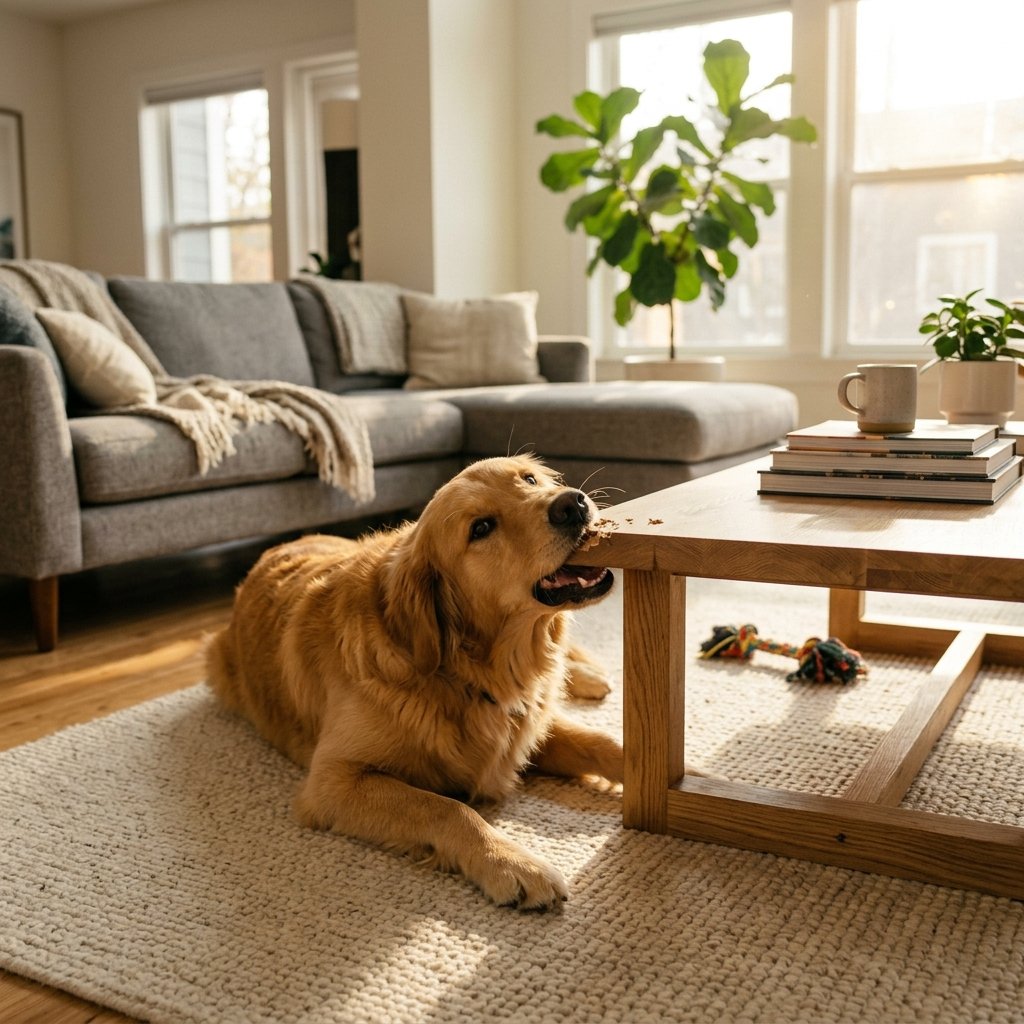
You come home, open the door and there it is. The remote with teeth marks. The shoe that’s now technically a sandal. A pile of couch stuffing that wasn’t there this morning, and a dog looking at you with the most innocent face in the history of innocence.
If you’ve ever stood in the wreckage asking why does my dog chew everything, you’re in very good company. Chewing is one of the most common complaints dog owners have, and one of the most misunderstood. The short version: your dog isn’t doing it to spite you. Chewing is a symptom. Your job is to work out what it’s a symptom of.

First, a Reality Check: Chewing Is Normal
Dogs explore the world with their mouths the way we do with our hands. Chewing also feels good, helps clean teeth, relieves stress and burns energy. Trying to stop a dog from chewing altogether is like trying to stop a bird from flapping. The goal isn’t no chewing. It’s chewing the right stuff.
So let’s play detective. There are a handful of common reasons dogs chew, and each one has a different fix.
Reason 1: Teething (Puppies, Mostly)
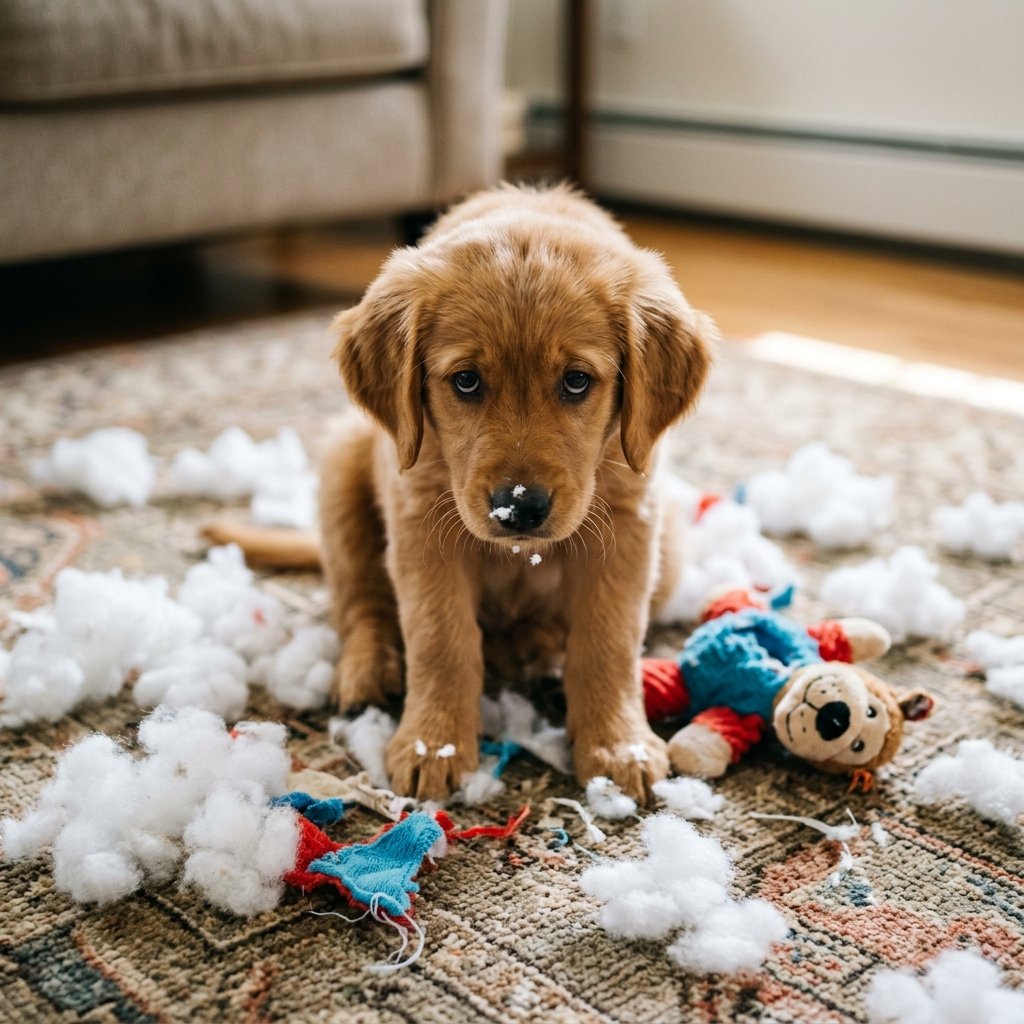
Puppies start losing their baby teeth at around three to four months, and adult teeth are usually all in by about six or seven months. Their gums ache, and chewing relieves it. This is the stage when table legs, shoes and your fingers suddenly look delicious.
What helps: Offer a range of puppy-safe chew toys in different textures. Some owners find a chilled (not frozen solid) rubber toy soothing for sore gums. Swap toys out regularly so they stay interesting, and gently redirect your puppy whenever they pick up something off-limits. If you’re raising a very young pup, our puppy training guide and the crate training plan for 8-week-old puppies show how to manage the early weeks.
Reason 2: Exploring the World
Young dogs, and some adults, simply investigate things by mouth. Texture, taste, how a thing sounds when it breaks. It’s research. This is especially common in the “adolescent” phase between roughly six months and a year or two, when dogs have adult teeth, loads of energy and not much impulse control.
What helps: Supervise, keep tempting items out of reach, and reward your dog for picking up their own toys. You can also teach “drop it” and “leave it,” which are two of the most useful commands a chewing dog can learn. Our guide to basic dog commands is a good place to begin.
Reason 3: Boredom and Too Much Energy
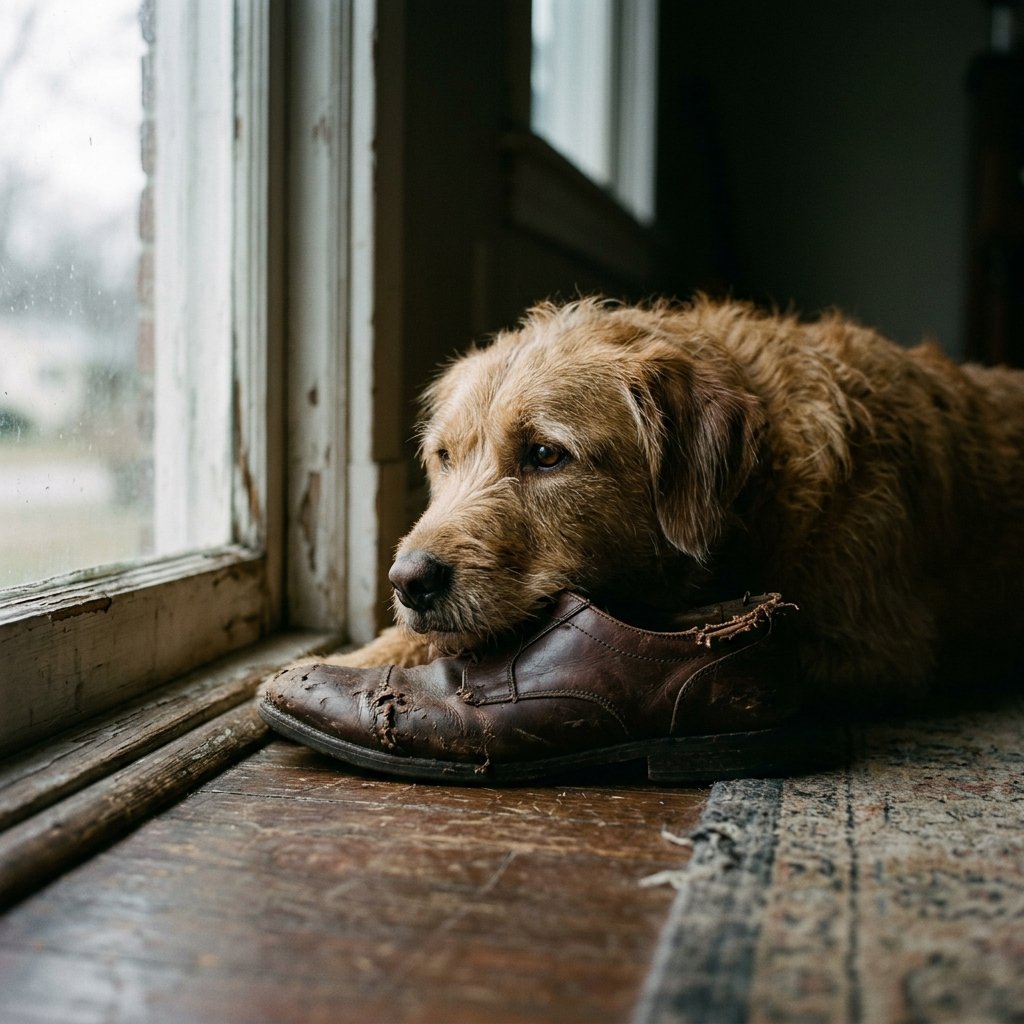
This is the most common cause in adult dogs. A dog who doesn’t get enough exercise or mental stimulation will invent a hobby, and chewing the sofa is a pretty satisfying one. If the damage tends to happen while you’re at work, or in the evening when your dog is restless, boredom is a prime suspect.
What helps:
- More exercise. The right amount depends on breed and age, but most dogs need more than a quick trip around the block. A good, sniff-filled walk tires the brain as well as the legs.
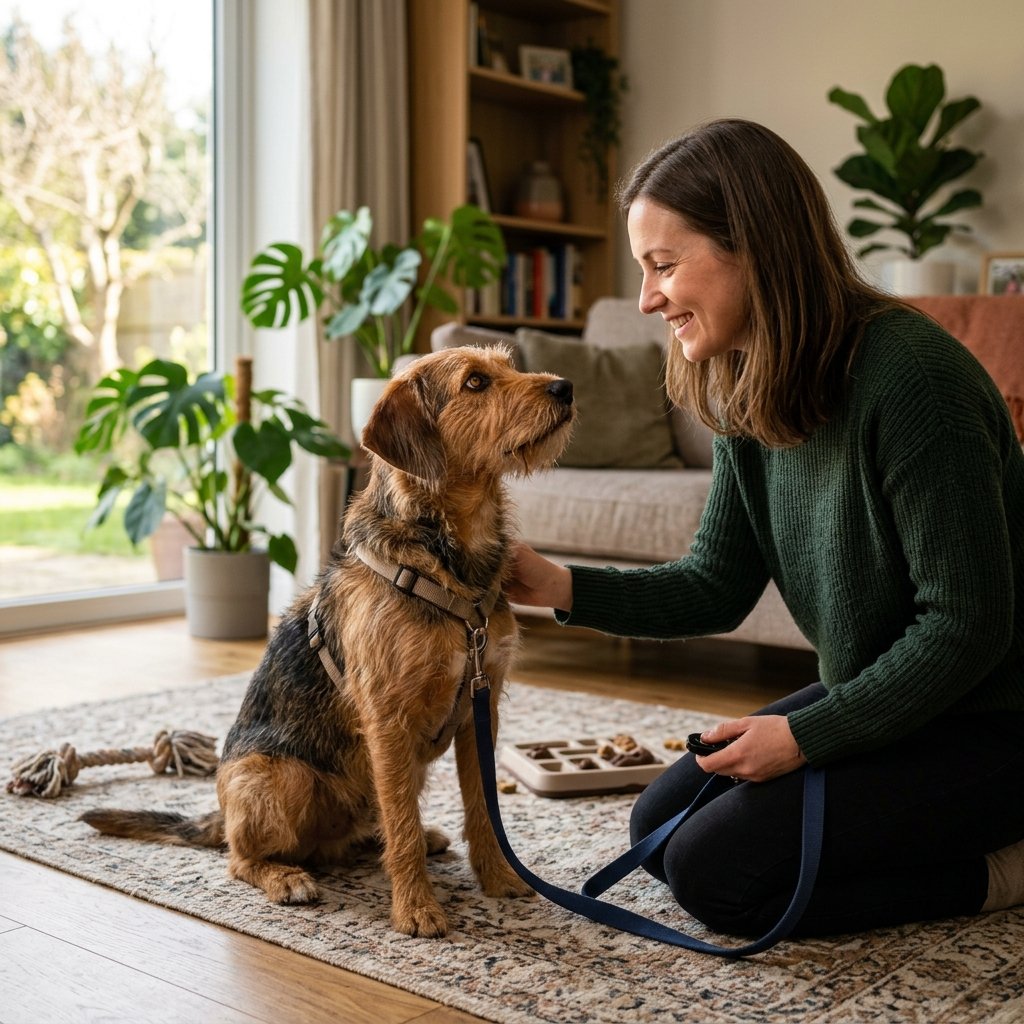
- Brain games. Puzzle feeders, snuffle mats, frozen food-stuffed toys and short training sessions all make a big difference.
- Rotate toys. A toy that’s been put away for a week feels new.
For more on daily routines that keep dogs content, see our guide to healthy habits for pets.
Reason 4: Anxiety and Stress
Some dogs chew to cope. It’s self-soothing, a bit like a person biting their nails. Chewing that happens mainly when you leave, often around doors, windows or your belongings, may point to separation anxiety. Other clues include drooling, pacing, howling, accidents indoors and frantic greetings when you come back.
What helps: Work on gradual alone-time practice, keep departures and arrivals calm, and provide safe chew options. Severe separation anxiety usually needs help from a vet or a qualified behavior professional, and sometimes a treatment plan that includes medication. Our post on common dog behavior problems covers the warning signs, and how to stop dog barking may help if your dog is noisy when alone too.
One important note: punishing an anxious dog for chewing makes things worse. They aren’t being bad. They’re scared.
Reason 5: Seeking Attention
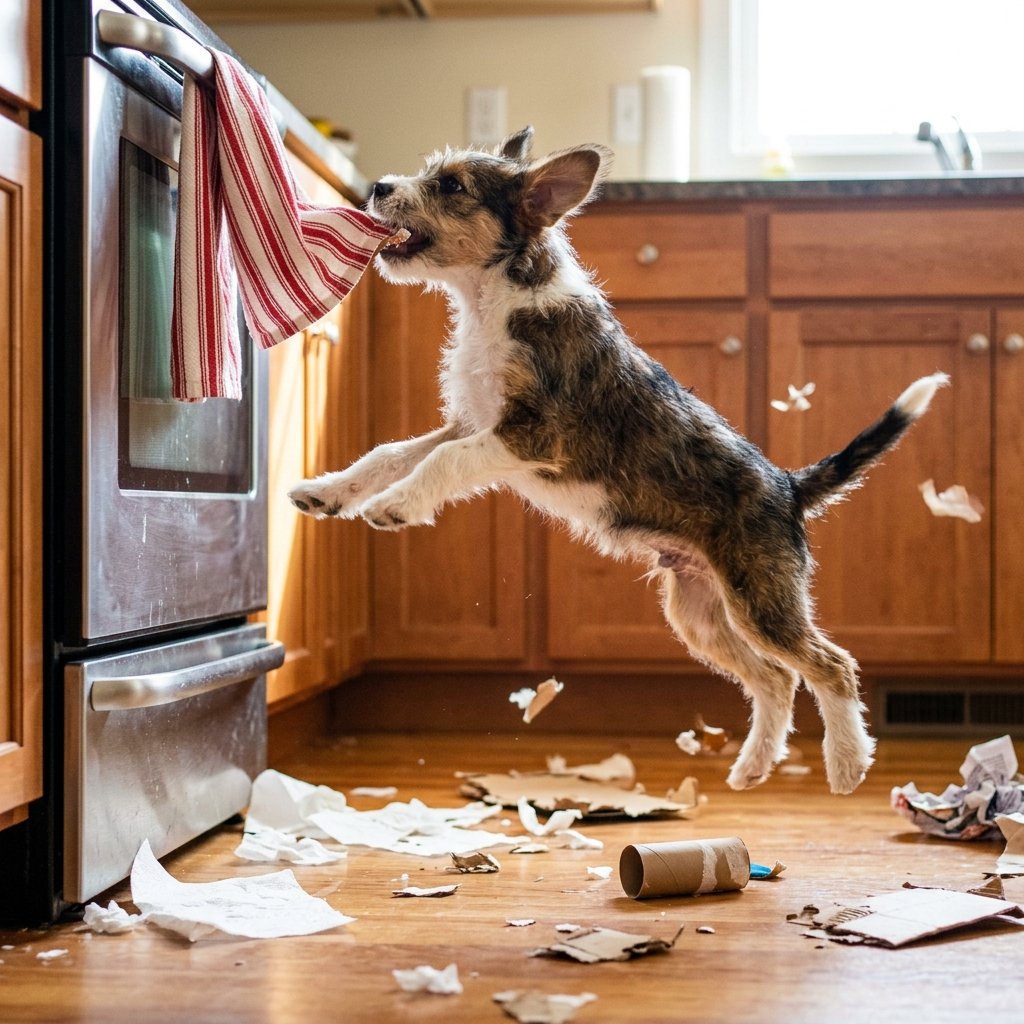
Dogs learn fast. If your dog picks up a sock and you leap off the sofa and chase them around the house, congratulations, you’ve just invented the best game ever. Even yelling counts as attention, and for some dogs, any attention is better than none.
What helps: Stay calm and avoid chasing. Offer a trade instead: show a tasty treat or a toy, and when your dog drops the item, reward them and give the toy. Make sure your dog also gets plenty of positive attention when they’re being good, so they don’t have to steal things to get noticed.
Reason 6: Hunger or Diet Issues
A dog who isn’t getting enough calories, or who is on a very strict diet, may chew and scavenge more. Dogs who eat non-food items regularly, such as stones, dirt or fabric, may have a condition called pica, which can have behavioral or medical causes. If you suspect your dog’s diet is off, talk to your vet and see our pet nutrition guide for the basics of feeding the right amount.
Reason 7: Dental or Medical Problems
Sudden new chewing in an adult dog that never used to chew is worth a vet visit. Sore gums, tooth problems, nausea or other health issues can all trigger changes in chewing habits. Dental disease in particular is extremely common. If your dog chews on one side, drops food or has bad breath, ask your vet to check their mouth. The Veterinary Oral Health Council lists products that have met its dental standards, which is a handy filter when you’re shopping for chews.
Reason 8: Breed and Personality
Some dogs are simply more mouthy than others. Retrievers, for example, were bred to carry things in their mouths, and many hounds and terriers are enthusiastic chewers too. Individual dogs vary a lot. A heavy chewer isn’t broken, they just need more suitable outlets.
What to Do Right Now: A Practical Plan
Whatever the cause, these steps help in almost every case.
1. Manage the environment
Prevention is the fastest fix. Put shoes, remotes, laundry and kids’ toys out of reach. Use baby gates or close doors. If your dog is a determined chewer, confine them to a dog-proofed space when you can’t supervise, such as a crate or exercise pen, as long as they’re comfortable and not distressed.
2. Give them better options
Offer a variety of safe chews: durable rubber toys, stuffable toys, and appropriate chews for your dog’s size and chewing style. A good rule is that a toy shouldn’t be so hard that you couldn’t press a fingernail into it, as very hard items can break teeth. Always supervise and throw away anything that’s broken into small pieces.
3. Exercise first, then chew
A tired dog chews less. Do a walk or play session, then give your dog a stuffed toy or chew to settle with.
4. Teach “drop it” and “leave it”
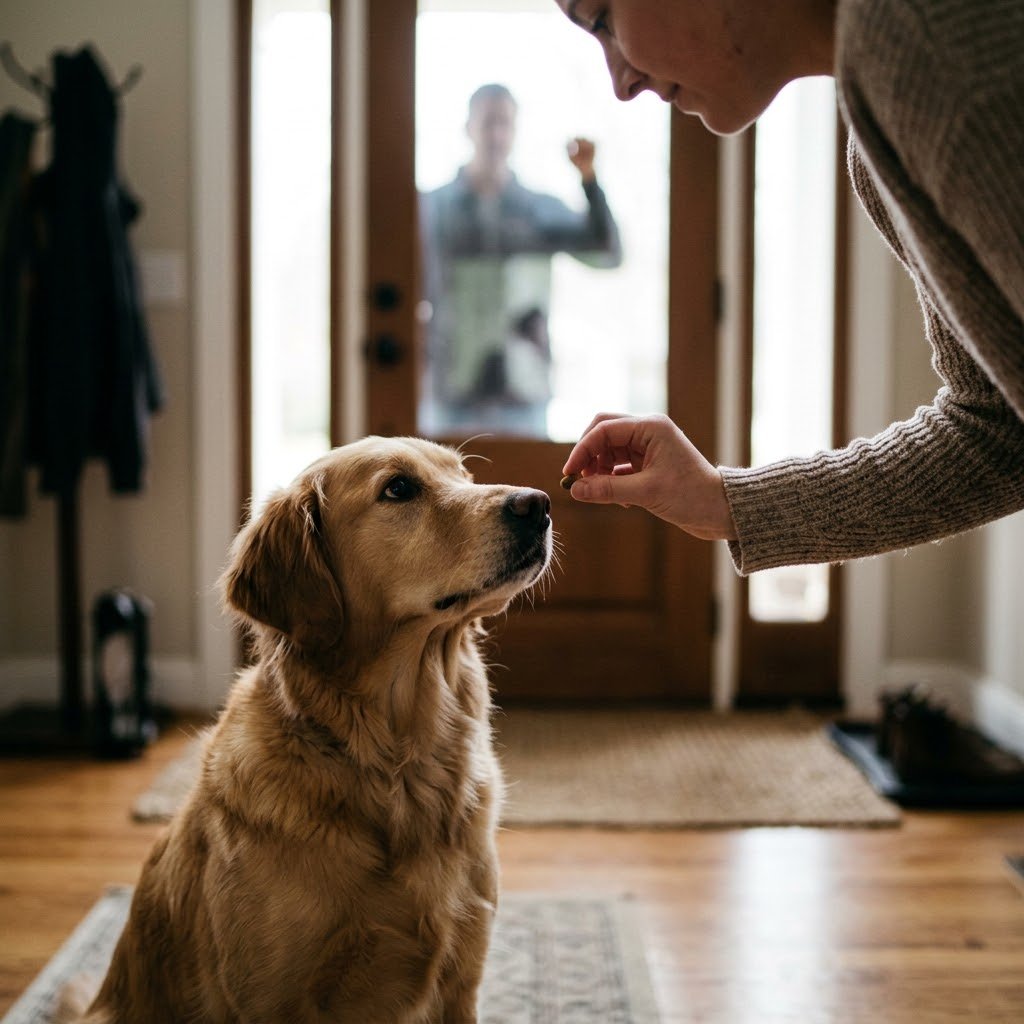
Trade, don’t tug. Offer something better, say “drop it,” and reward when your dog lets go. Practice when it isn’t an emergency so the cue works when you need it. A reliable “stay” helps too, and our guide to how to teach a dog to stay shows you how to build impulse control.
5. Reward the right chewing
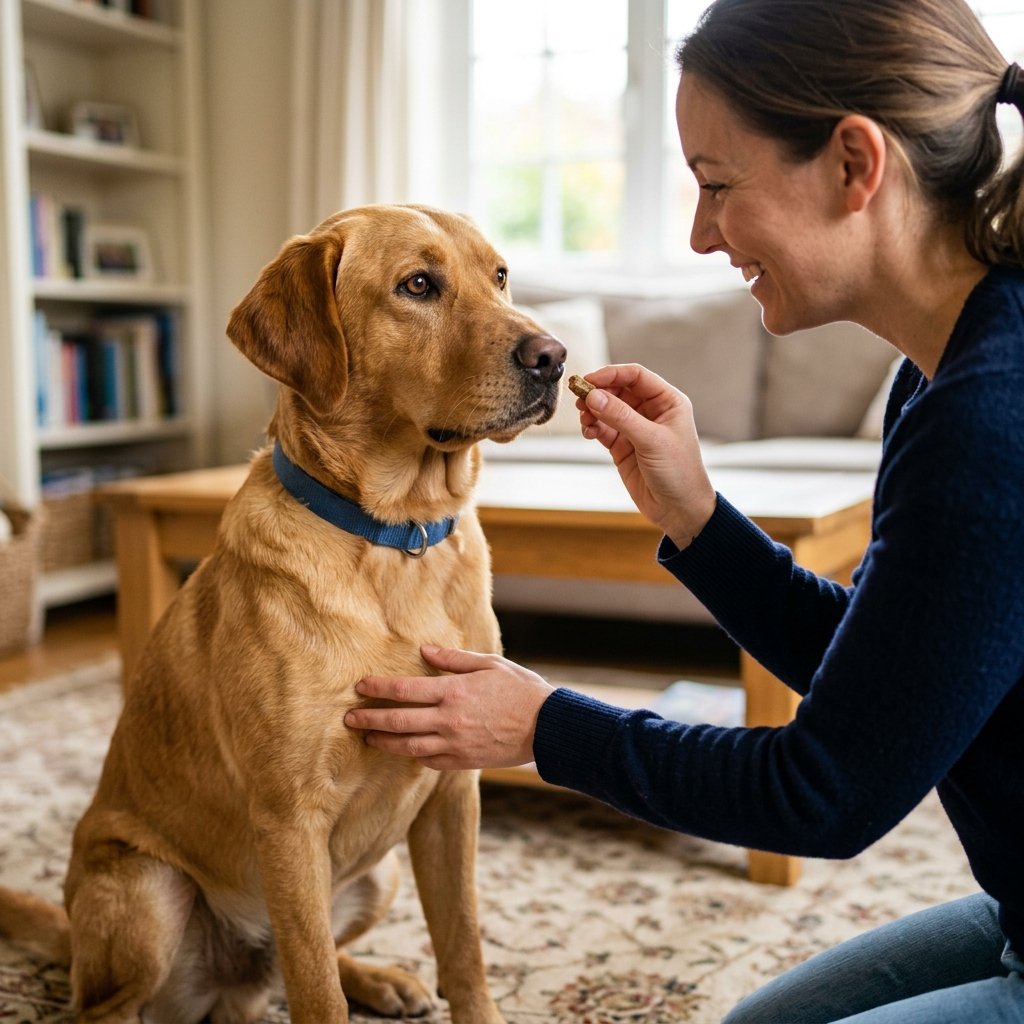
When you see your dog chewing on an appropriate toy, praise them quietly or give a treat. It sounds silly, but it works. Reward-based methods are widely recommended by animal behavior experts, including the American Veterinary Society of Animal Behavior in its position statements.
6. Don’t punish after the fact
Dogs don’t connect a scolding with something they did an hour ago. If you drag your dog to a chewed shoe and shout, they’ll just learn that you’re scary when you come home. Clean up calmly and focus on prevention.
7. Consider deterrent sprays carefully
Bitter-tasting sprays can discourage chewing on furniture or cords for some dogs, but they don’t work for all dogs, and they won’t teach your dog what they should chew. Use them alongside, not instead of, management and training.
When Chewing Becomes Dangerous
Swallowing what they chew is the real risk. Socks, corn cobs, toys, bones and pieces of rubber can cause blockages that need surgery. Call your vet right away if your dog has swallowed something they shouldn’t have, or shows any of these signs:
- Repeated vomiting
- Loss of appetite
- Lethargy or weakness
- A painful or swollen belly
- Straining to poop or no stools
If your dog chewed something that might be toxic, like medication, certain plants, batteries or xylitol, contact your vet or an animal poison hotline immediately. The Pet Poison Helpline is one option. Don’t wait for symptoms. For general care and safety resources, the AVMA’s pet owner pages are also worth bookmarking.
How Long Does It Last?
Most puppies calm down with chewing once their adult teeth are in and they’ve matured a bit, often around a year, though some breeds stay chewy for longer. With consistent management and training, most dogs learn what is and isn’t allowed within a few weeks to a few months. If you’re not seeing improvement, a certified positive-reinforcement trainer or a vet behaviorist can help.
Quick Answers
Why does my dog chew everything when I leave?
It’s usually boredom, anxiety or both. If it only happens when you’re gone and your dog also seems distressed, ask your vet about separation anxiety.
Will my dog grow out of chewing?
Puppy chewing often eases by around a year. Adult chewing tends to continue unless you address the cause, usually exercise, enrichment or anxiety.
What are the safest things for dogs to chew?
Durable rubber toys that match your dog’s size, and vet-approved dental chews. Avoid cooked bones, hard antlers or hooves that could splinter or damage teeth, and always supervise.
Should I crate my dog to stop chewing?
A crate can be a good management tool if your dog has been properly introduced to it and isn’t left too long. It’s a way to keep them safe, not a punishment.
My dog suddenly started chewing. Is something wrong?
A sudden change in an adult dog is worth a vet visit to rule out dental pain, stomach issues or stress.
The Bottom Line
When you ask why your dog chews everything, the honest answer is usually a mix: they’re young, bored, a little anxious or just enthusiastic about life. The fix isn’t a magic spray or a stern voice. It’s giving your dog plenty of exercise and good things to chew, keeping the tempting stuff out of reach and staying patient while they learn. Do that consistently, and your shoes will have a much better future.
If your dog’s chewing is sudden, severe or linked to distress, check in with your veterinarian or a qualified behavior professional.

Discussion 0 comments
Share your thoughts — every perspective adds value.