

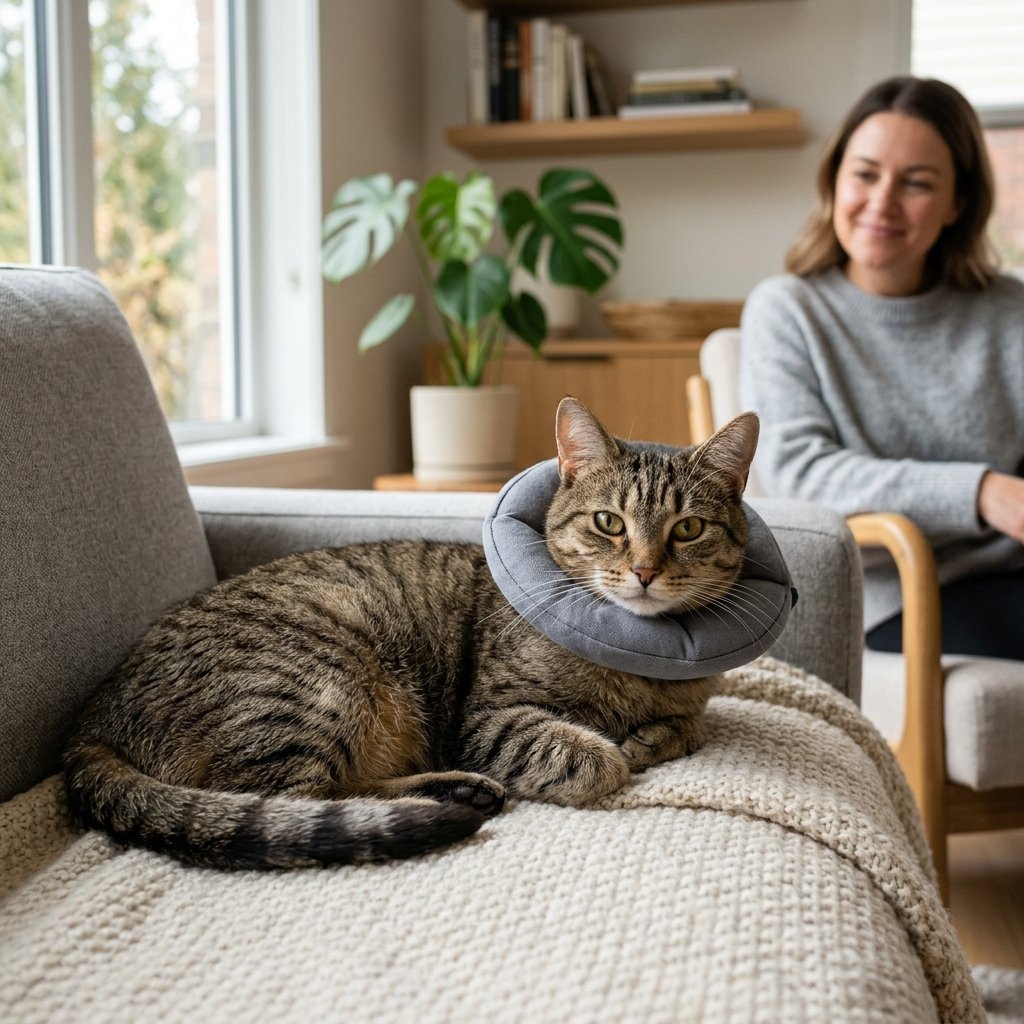
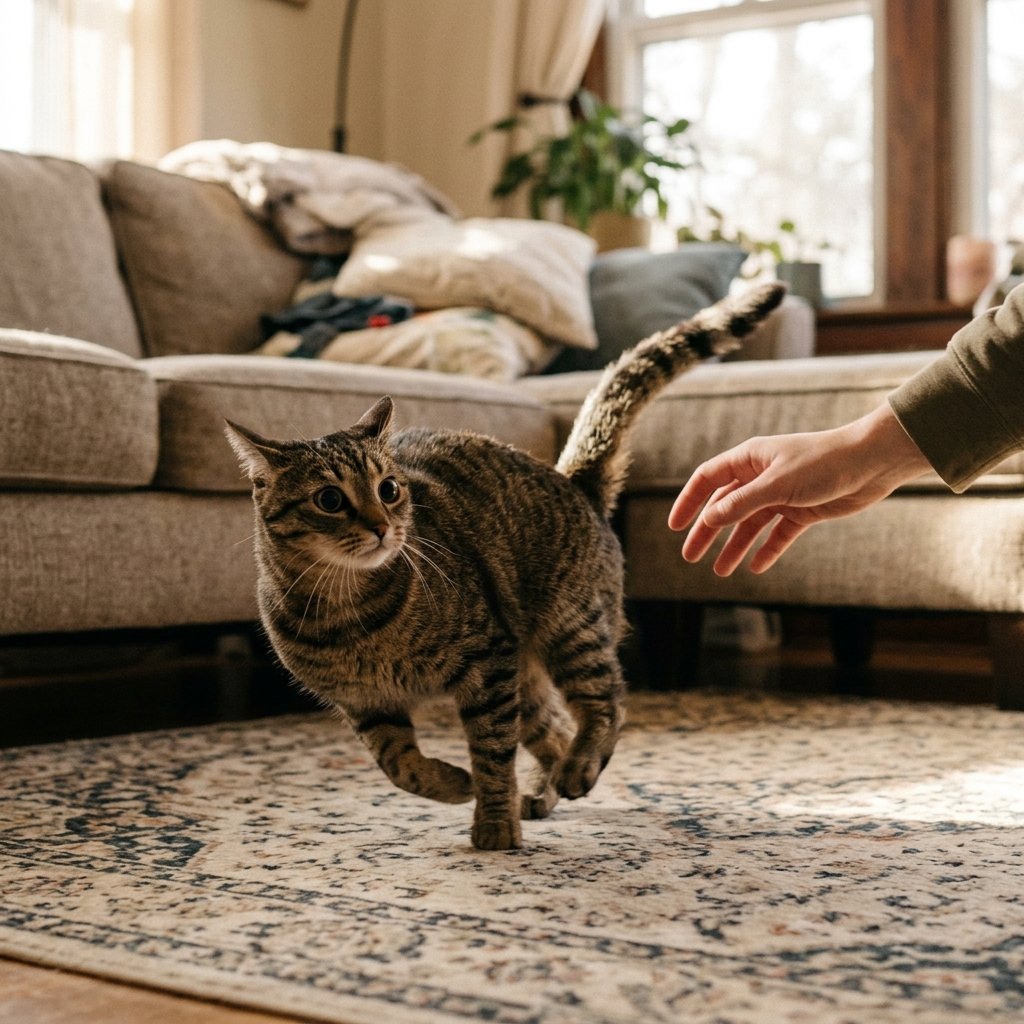
If you are wondering about female cat behavior after spaying, you might see some changes in your cat in the first few days or weeks after surgery. Some changes are only temporary, related to anesthesia, discomfort, or the stress of the visit to the vet. Other changes occur because spaying eliminates the hormonal cycle associated with heat.
The good news is that spaying usually does not change a cat’s basic personality. Rather, it mostly gets rid of behavior connected to reproduction and heat cycles. Knowing what is normal will help you care for your cat and know when veterinary attention may be needed.
What Is Spaying in Female Cats?
Spaying is a surgical procedure that removes the reproductive organs of a female cat, including the ovaries and uterus. It stops the reproductive cycle and prevents conception.
One of the most obvious behavioral effects is the elimination of heat-related behaviors. Cornell University’s College of Veterinary Medicine says that spaying eliminates heat-related behaviors, such as howling and restlessness.
But every cat is an individual. What you see post-surgery can be affected by your cat’s age, personality, prior experiences, health, and pre-op behavior.
Female Cat Behavior After Spaying: The First 24 Hours
The first day after surgery can look very different from your cat’s normal behavior.
Because of anesthesia and the physical effects of surgery, your cat may:
- Sleep more than usual
- Appear tired or slightly confused
- Walk carefully or unsteadily
- Have a reduced appetite
- Hide or seek a quiet place
- Be less interested in playing
- Seem more withdrawn than normal
These temporary changes do not necessarily mean that your cat’s personality has changed.
The ASPCA recommends a quiet and comfortable indoor space for your cat after surgery, as well as closely observing your cat. Appetite should return gradually, although some cats will not eat immediately after they return home.
Follow your veterinarian’s specific post-operative instructions carefully, as recovery will depend on the procedure and your cat’s health
Does Spaying Make a Female Cat Calmer?
One common question is whether a female cat becomes calmer after spaying.
The answer is: she may appear calmer, but spaying does not automatically change her personality.
One major reason for this perception is that heat-related behaviors vanish. In heat, cats may be restless, overly affectionate, and vocal, demanding attention or a mate. They may also do a lot of meowing or yowling.
The ASPCA says female cats in heat may become more affectionate, rub on people more, roll around, purr, and vocalize a lot. Spaying is a good way to cut down on excessive vocalization brought on by the heat cycle.
So a cat that seems calmer after being spayed might simply be free of the stress of repeated hormonal heat cycles.
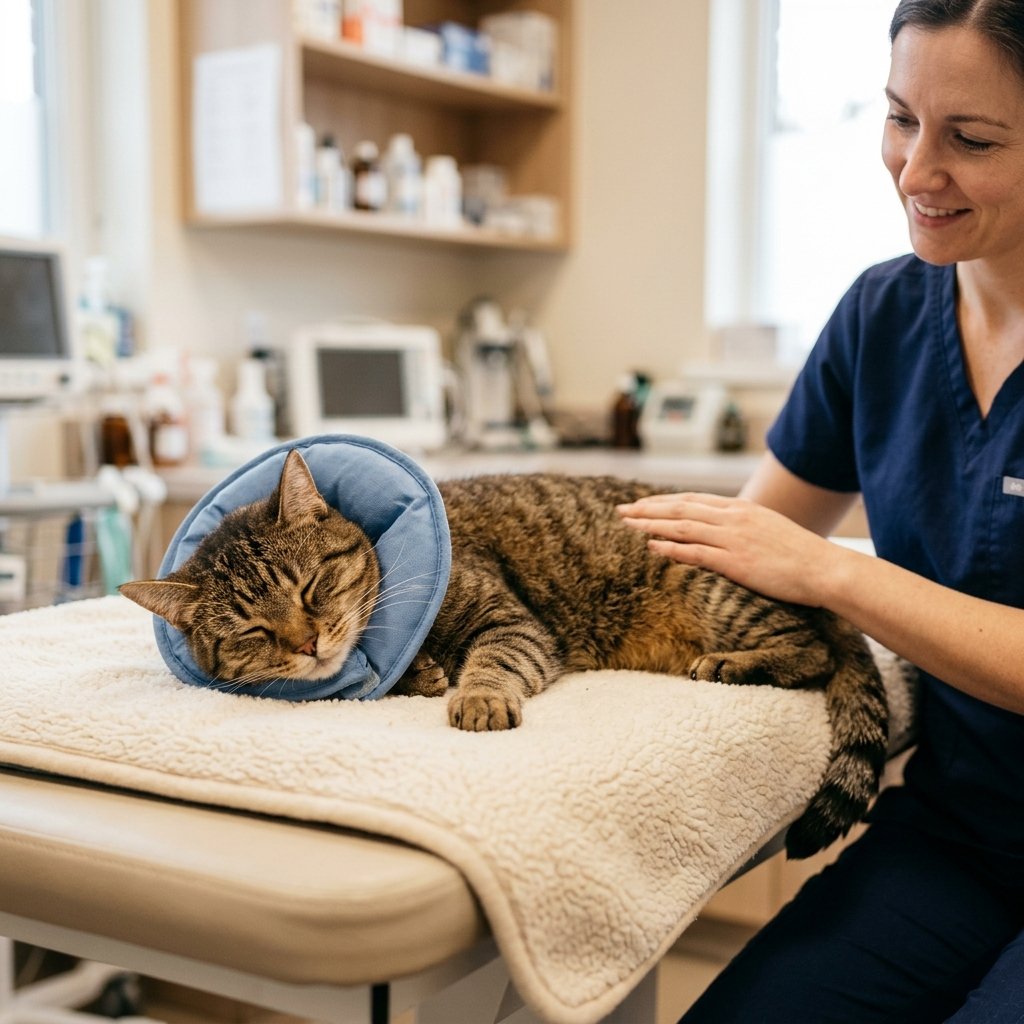
Will My Cat Become More Affectionate After Spaying?
Some owners notice that their cat becomes more affectionate after being spayed, while others notice little or no difference.
There is no guarantee that spaying will make a cat more cuddly.
If your cat was extra cuddly during her heat, you may, in fact, see a decrease in odd attention-seeking behavior once her heat cycle is over.
Usually your cat’s underlying personality is still a big factor. The naturally independent cat may remain so, and the naturally social cat may still want a lot of affection.
Therefore, don’t anticipate spaying to make your cat a different creature.
Does Spaying Stop a Female Cat From Going Into Heat?
Yes. One of the main behavioral effects of spaying is that the cat no longer experiences normal heat cycles.
Before spaying, a female cat may repeatedly display behaviors associated with estrus, including:
- Loud or persistent vocalization
- Restlessness
- Increased affection
- Rolling on the floor
- Increased attention-seeking
- Attempts to attract male cats
- Increased desire to escape outdoors
Cornell explains that removing the female reproductive organs eliminates behaviors associated with the heat cycle.
After successful spaying, these reproductive behaviors should no longer occur as part of normal heat cycles.
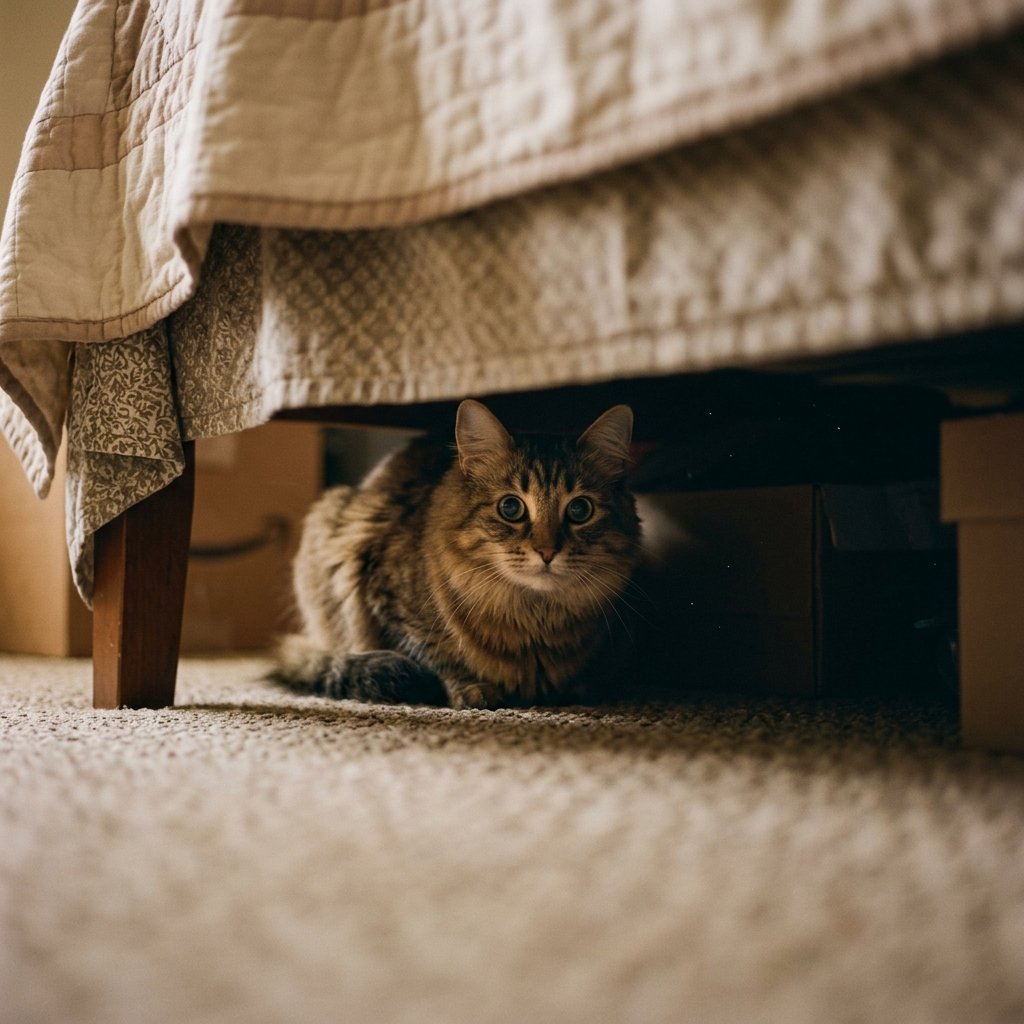
Why Is My Cat Hiding After Spaying?
Hiding after surgery can be normal, especially during the first day or two.
Your cat has endured exposure to anesthesia, surgery, strange smells, handling, and possibly discomfort. A quiet place will help her feel secure while she heals.
Provide a comfortable, quiet place for her to rest undisturbed. Keep food, water, and a clean litter box available.
But indefinite hiding is not normal. Your cat may become very withdrawn or seem painful, weak, or unusually lethargic. If this occurs, call your veterinarian.
The ASPCA guidance specifically says to contact a veterinary professional if you notice worrisome symptoms like persistent lethargy, poor appetite, vomiting, diarrhea, breathing problems, or problems with the surgical incision.
Female Cat Behavior After Spaying: One Week Later
By approximately one week after surgery, many cats are becoming much more like themselves.
You may notice that your cat:
- Has more energy
- Eats normally again
- Wants to interact with the family
- Begins playing again
- Grooms herself normally
- Spends less time hiding
At this stage, it is important not to assume that increased energy means the incision is completely healed.
ASPCA recommends restricting running, jumping, and strenuous activity during the recovery period because excessive movement can interfere with healing. The exact recovery instructions provided by your veterinarian should be followed.
Can Spaying Change a Cat’s Appetite?
Some cats eat less in the days following surgery. Generally, appetite should begin to return as anesthesia wears off.
Don’t automatically blame spaying for long-term changes in appetite.
If your cat continues to have a poor appetite, has a much worse appetite, or has other symptoms, contact your veterinarian. There are many possible reasons for a lasting change in appetite, and it should not be assumed to be behavioral.
Can a Female Cat Become Aggressive After Spaying?
Temporary irritability can occur during recovery. A cat that is uncomfortable may hiss, avoid handling, or react differently when touched.
This does not necessarily mean that spaying has permanently made her aggressive.
There are many reasons why a cat might act out. Pain , fear , stress , environmental changes , other animals , etc . “Sudden changes in behavior can sometimes be an indication of an underlying medical issue, especially if there are other unusual symptoms,” the ASPCA says.
If your cat is physically sound but the aggression persists, it’s a good idea to discuss the behavior with your veterinarian rather than assuming the surgery has permanently altered your cat’s personality for the better.
Do Cats Gain Weight After Spaying?
Weight management is another issue owners sometimes associate with spaying.
But the weight gain should not be viewed as a necessary consequence of the procedure. Lack of exercise and overfeeding are the causes of excess weight, says the ASPCA, which advises watching food intake and keeping up with proper activity.
When your cat recovers, feed him appropriate portions and give him regular play opportunities. If your cat is putting on a lot of weight, ask your veterinarian if her diet or calories should be changed.
How to Help Your Female Cat After Spaying
Good postoperative care can make the recovery period easier.
1. Give Her a Quiet Place
Set up a comfortable area away from excessive noise and other pets.
2. Limit Jumping and Running
Prevent strenuous activity during the recovery period according to your veterinarian’s instructions. Jumping can place stress on the healing incision.
3. Monitor the Incision
Check the surgical site regularly. Excessive swelling, discharge, bleeding, odor, or an opening of the incision requires veterinary attention.
4. Prevent Licking
Licking or chewing the incision can interfere with healing and increase the risk of infection. Your veterinarian may recommend an Elizabethan collar or another protective solution.
5. Keep Her Indoors
Your cat should remain in a clean, safe environment while she recovers.
6. Follow the Veterinarian’s Instructions
Medication, activity restrictions, feeding instructions, and follow-up recommendations may differ between cats. Your veterinarian’s instructions should take priority over general online advice.
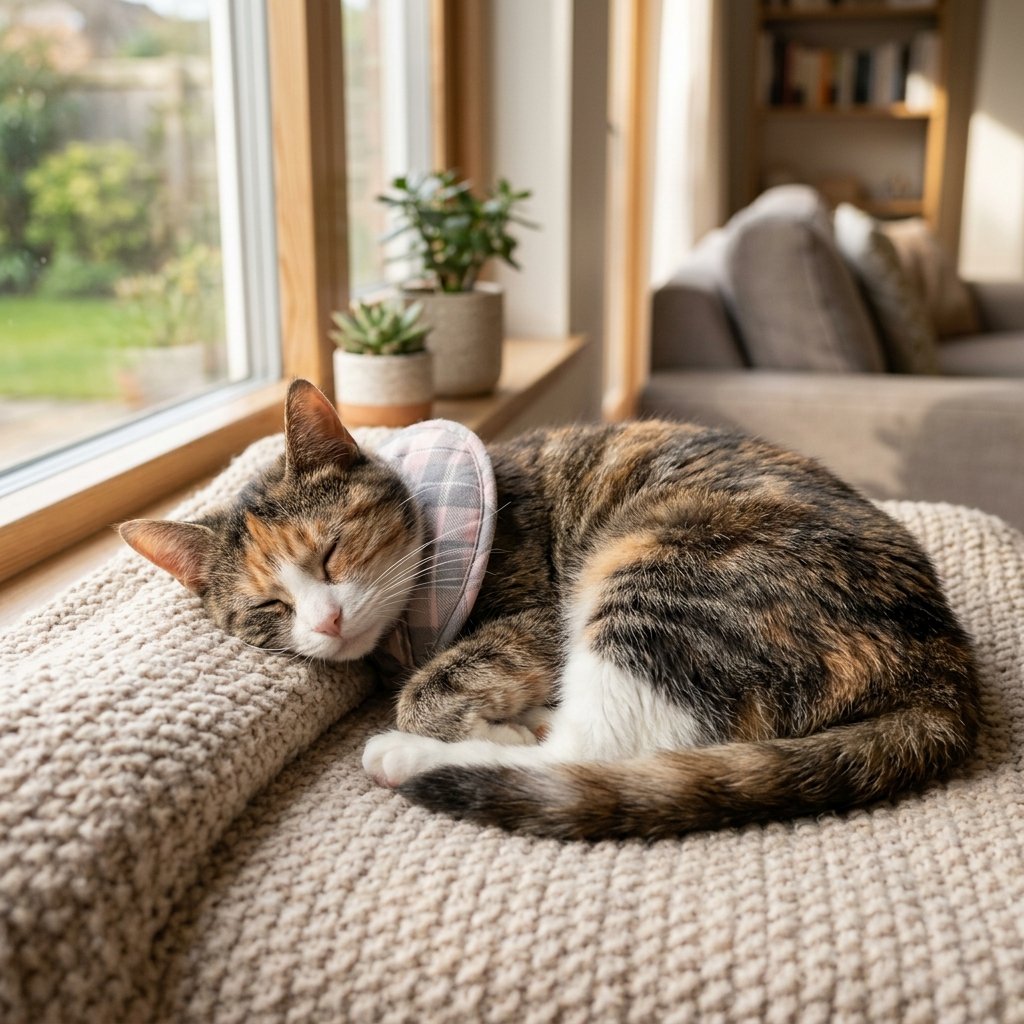
When Should You Call the Veterinarian?
Some changes in female cat behavior after spaying are expected, but certain symptoms should not be ignored.
Contact your veterinarian if your cat develops:
- Persistent or severe lethargy
- Significant loss of appetite
- Repeated vomiting or diarrhea
- Difficulty breathing
- Pale gums
- Significant bleeding
- Increasing swelling around the incision
- Discharge or foul odor from the incision
- Difficulty urinating or defecating
- Severe or persistent signs of pain
ASPCA postoperative instructions recommend veterinary evaluation when these types of complications or concerning changes occur.
Some changes are temporary; others relate to the absence of heat cycles. Understanding female cat behavior after spaying is important.
In the first few days, your cat may sleep more, hide, eat less, or act differently as she recovers from surgery. As she heals, her normal personality should be returning gradually. Behaviors associated with heat, such as excessive vocalization, restlessness and mating-related behavior, should no longer occur normally after successful spaying at the same time.
The most important thing is to differentiate between the normal course of postoperative recovery and any signs that may indicate a complication. If you are unsure, please consult your veterinarian.
Frequently Asked Questions About Female Cat Behavior After Spaying
How does a female cat behave after spaying?
After spaying, a female cat may be sleepy, less active, or quieter than usual during the first day or two. As she recovers, her normal personality should gradually return. Behaviors associated with being in heat, such as excessive vocalization and restlessness, should stop.
Does spaying change a female cat’s personality?
Spaying does not normally change a female cat’s basic personality. However, it eliminates heat cycles and reproductive behaviors, which may make some cats appear calmer or less restless.
Will my female cat be calmer after spaying?
A female cat may appear calmer after spaying because she no longer experiences heat cycles and the behaviors associated with them. However, spaying does not automatically change every cat’s temperament.
Why is my cat hiding after being spayed?
Hiding after spaying can be caused by anesthesia, discomfort, stress, or the unfamiliar experience of surgery. Providing a quiet and comfortable recovery area can help. If hiding is severe or continues along with other concerning symptoms, contact your veterinarian.
Will my cat be more affectionate after spaying?
Some cats may seem more relaxed or easier to interact with after spaying, but there is no guarantee that a cat will become more affectionate. Her individual personality remains an important factor.
How long does it take for a female cat to act normal after spaying?
Many cats gradually return to their normal behavior as the effects of anesthesia and surgery wear off. Recovery varies between cats, so follow your veterinarian’s postoperative instructions and monitor your cat for unusual symptoms.
Can a female cat still go into heat after spaying?
A properly spayed female cat should no longer experience normal heat cycles. If heat-like behavior continues or returns after spaying, contact your veterinarian for an evaluation.
Why is my cat acting weird after spaying?
Temporary changes such as sleepiness, hiding, reduced activity, or decreased appetite can occur after surgery because of anesthesia, discomfort, and stress. If the behavior is severe, persistent, or accompanied by other symptoms, contact your veterinarian.
Why is my cat not eating after spaying?
Some cats may have a reduced appetite shortly after surgery. Appetite should generally improve as the effects of anesthesia wear off. If your cat refuses food for an extended period or has other concerning symptoms, contact your veterinarian.
Can spaying make a female cat aggressive?
Spaying is not generally expected to cause permanent aggression. Temporary irritability can occur during recovery because of discomfort or stress. Persistent aggression should be discussed with a veterinarian.

Discussion 0 comments
Share your thoughts — every perspective adds value.