

Few things are as sweet, or as sharp, as a cat who decides your stomach is a batch of dough. She pads onto your lap, turns around once, and starts pressing her paws in and out with a faraway look in her eyes. If you’ve ever stopped mid-scroll to wonder why does my cat knead me, you’re in good company. It’s one of the most common questions cat owners ask, and the answer is a mix of baby-hood, scent and plain old comfort.
Below you’ll find the seven main reasons, a few ways to protect your legs when the claws come out, and the rare cases where kneading is worth mentioning to your vet.
What Is Cat Kneading?
Kneading is that rhythmic pushing motion cats make with their front paws, alternating left and right against something soft. People call it “making biscuits” or “baking bread” because it looks exactly like a baker working dough. Cats do it on blankets, pillows, sofas, other pets and, of course, you. Many purr while they do it, and some get so lost in it that they drool a little or seem to zone out, as WebMD points out.
7 Reasons Your Cat Kneads You
1. It’s a habit from kittenhood
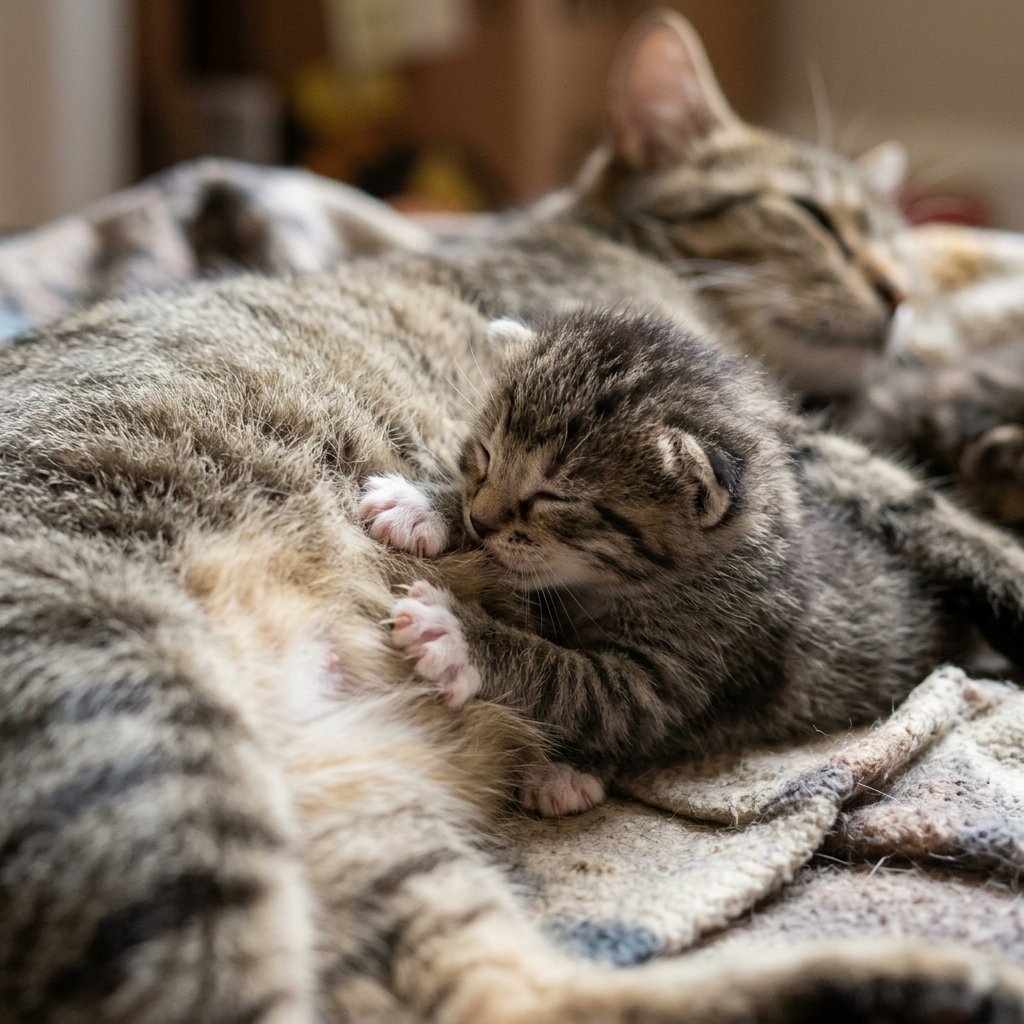
This is the root of it all. Newborn kittens press on their mother’s belly while nursing, which helps get the milk flowing. It works so well, and feels so good, that the movement sticks around long after weaning. Vets and behaviorists generally agree that adult kneading is a leftover of that early comfort. It’s also why kneading and purring so often arrive together. If you’re curious about that second half, we break it down in why does my cat purr.
2. She’s soothing herself
Because kneading is tied to the safety of nursing, many cats use it to relax. According to PetMD, plenty of adult cats keep kneading to recreate that calm feeling. That’s why you’ll often see it after a stressful day, or just as she’s winding down for the night. Some cats even suckle on the blanket while they work, and a bit of drool is common. It’s the same instinct, replaying an old memory.
3. She’s marking you with her scent
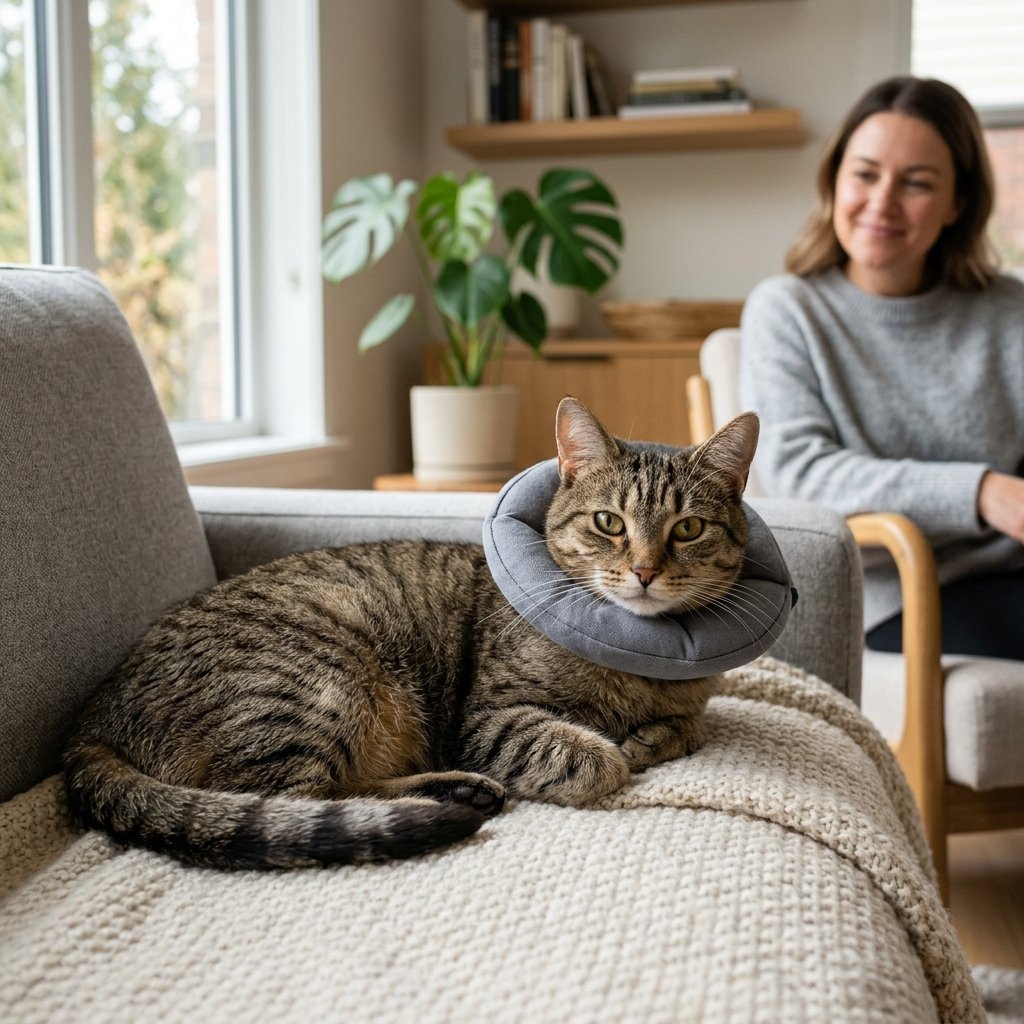
Cats have scent glands in their paw pads. Every press deposits a little of her personal scent, which you can’t smell but other cats can. So when she kneads your lap, she’s partly saying “this one’s mine.” It isn’t possessiveness the way we’d think of it. It’s closer to signing a card. A newly adopted cat may knead you more at first while she builds a familiar smell around her new home and her new person.
4. She trusts you and feels safe
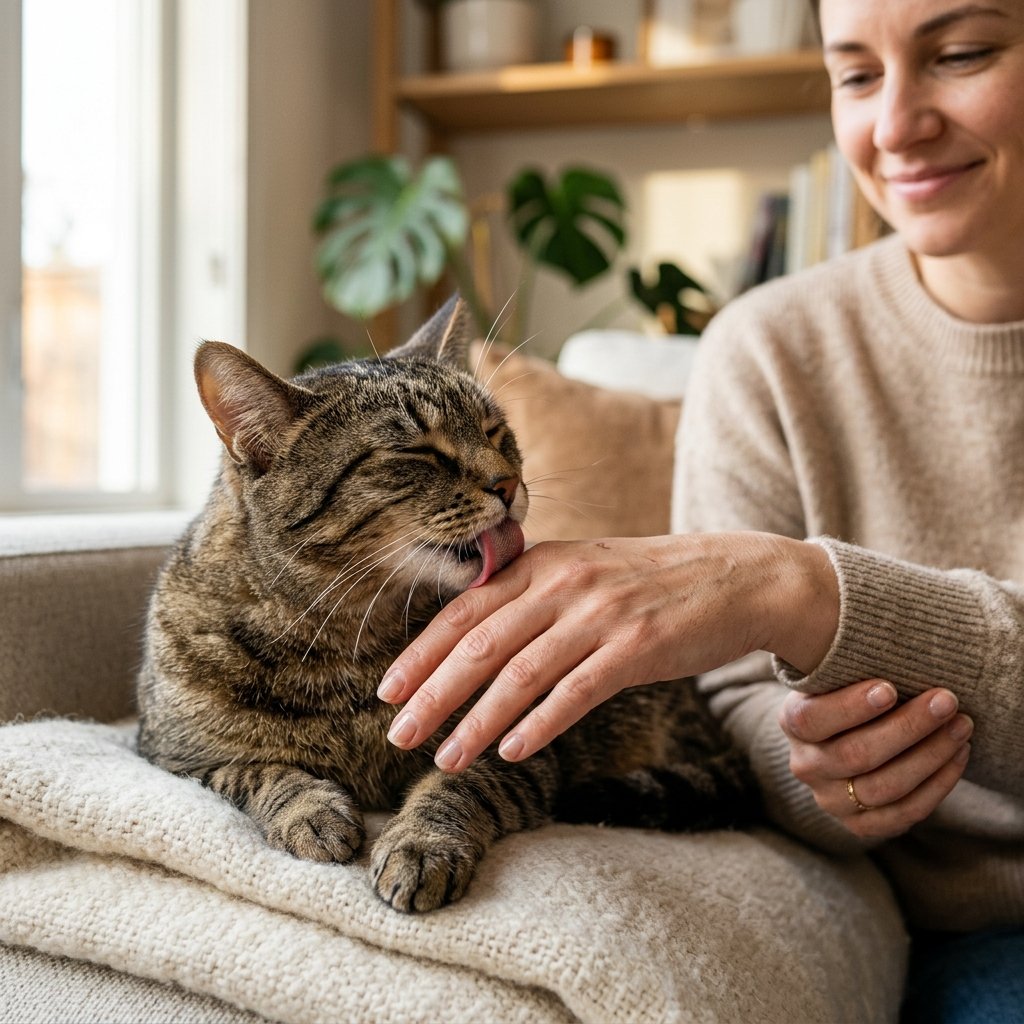
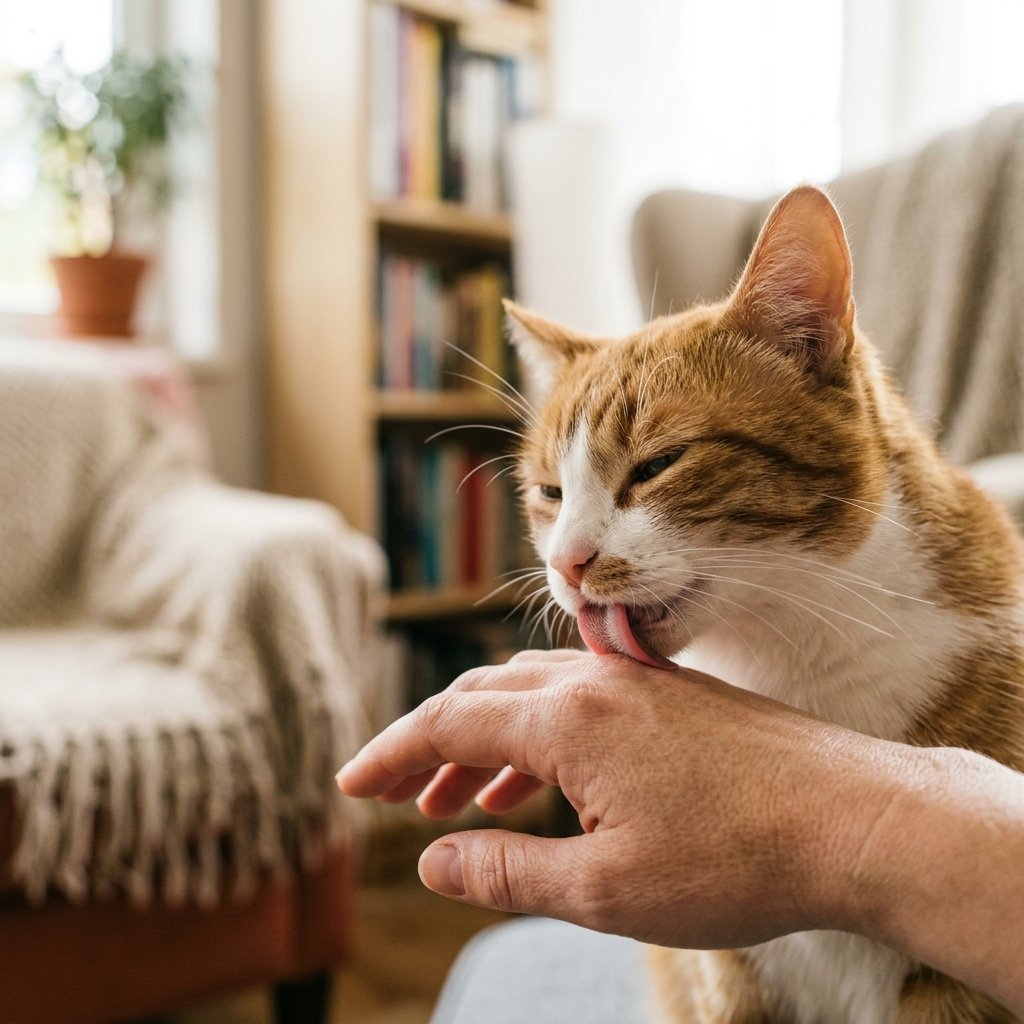
Cats don’t knead just anyone. They tend to do it to the people who make them feel safest and happiest. That also answers the classic “why does she knead me but never my partner?” question. As Wamiz notes, it has nothing to do with gender. It’s about the relationship. Kneading often sits alongside other affection signs like head-butts, slow blinks and licking. If she licks you too, see why cats lick their owners.
5. She’s making a bed
Wild cats are thought to tamp down tall grass or leaves to make a soft spot before sleeping, and your cat may be doing the same thing with your lap or the couch cushion. It’s the feline version of fluffing a pillow. The motion also gives her paws and legs a nice little stretch, which is why kneading so often comes right before she curls up.
6. She’s in heat
Unspayed females often knead more when they’re in heat, usually together with rubbing and more vocal behavior. It’s a signal to males nearby. Spayed and neutered cats knead too, though, because the habit comes from kittenhood rather than hormones. For more on what changes and what doesn’t after surgery, read our guide to female cat behavior after spaying.
7. It gets her attention (probably)
Here’s a softer theory. If kneading earns a cuddle, a scratch behind the ears or a kind word, a smart cat will notice and do it again. That’s plausible, but it’s less well supported than the kitten-memory and scent explanations, so treat it as a bonus rather than the main cause.
What If Kneading Hurts?
Let’s be honest: a happy cat with her claws out feels a lot like a handful of pins. The good news is you can enjoy the cuddle without the pain, and you shouldn’t try to stop the behavior itself. Try these instead:
- Trim her claws regularly. Blunt tips make a huge difference, and it’s good routine care anyway.
- Keep a thick blanket handy. Put it on your lap before she hops up. Some owners call it a “biscuit blanket,” and cats quickly learn it’s the kneading spot.
- Redirect gently. If she starts on something you’d like to keep, move her to a soft blanket or offer a toy.
- Never punish her. WebMD warns that scolding can raise a cat’s anxiety, which can make the kneading more frequent, not less.
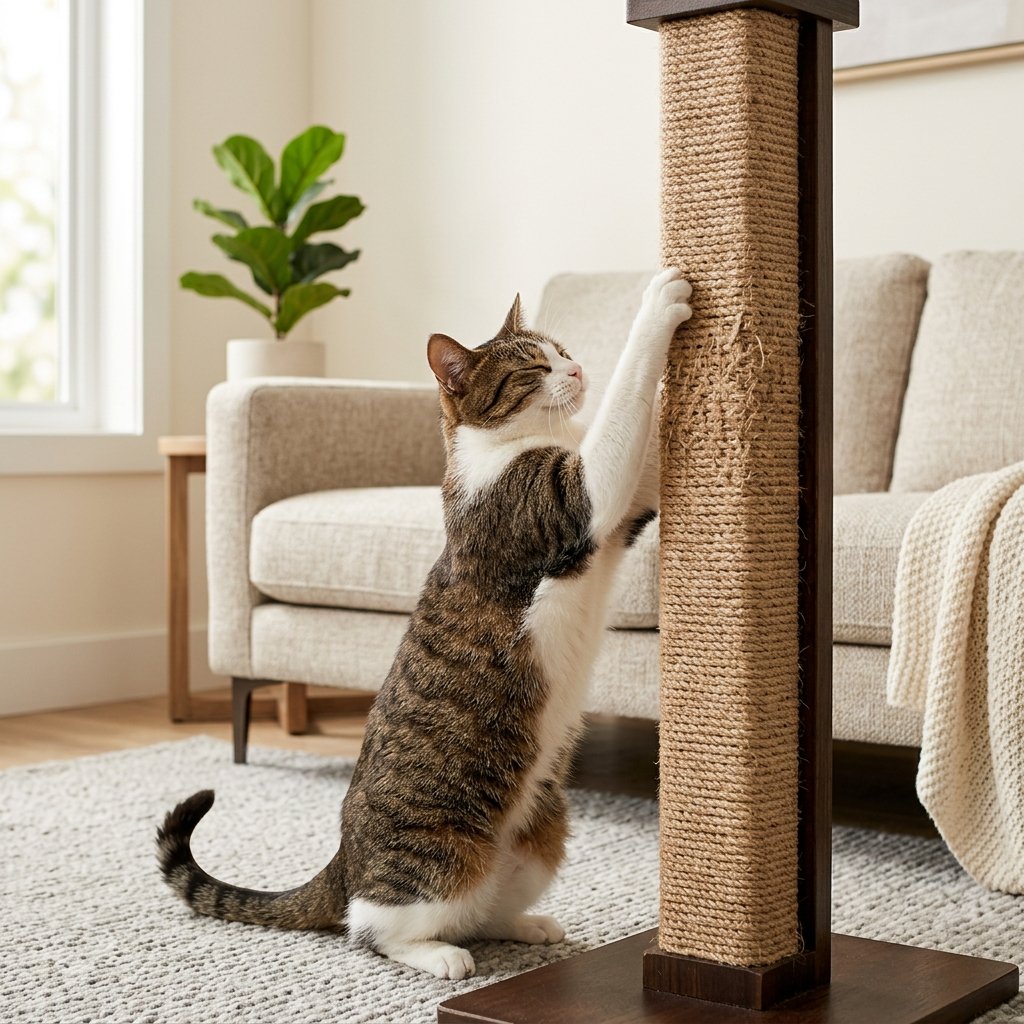
If her claws are wrecking the sofa as well as your thighs, our guide on how to stop a cat from scratching has solid fixes that work alongside the tips above.
When Kneading Might Signal a Problem
Kneading is normal, so it rarely needs a vet visit. Pay attention to change, though. The American Animal Hospital Association says a cat who kneads excessively, or who suddenly kneads much less than usual, may not be feeling well. Other things worth mentioning to your vet:
- She stops kneading altogether and also seems tired, withdrawn or reluctant to be touched.
- The kneading becomes obsessive, or she suckles fabric and can’t seem to stop.
- Heavy drooling comes with bad breath or trouble eating.
If she’s also hiding more, have a look at cat hiding behavior to see whether stress could be involved.
Do All Cats Knead?
No. Plenty of kittens knead, but not every adult cat keeps the habit. If yours doesn’t, that doesn’t mean she loves you any less. She just shows it another way. For the record, big cats knead too, so it’s about as old and deep-rooted as cat behavior gets.
Frequently Asked Questions
Is kneading a sign of affection?
Usually, yes. A cat who kneads you is typically relaxed and comfortable with you, though scent marking and self-soothing play a part too.
Why does my cat knead me but not my partner?
It’s about the bond, not gender. She kneads whoever makes her feel safest, and that can change as your relationships with her do.
Why does my cat knead and drool?
Often it’s a nursing memory: her body expects milk, so she drools while she works. It’s harmless in a relaxed cat. If the drooling is heavy or comes with bad breath or a drop in appetite, book a vet check.
Should I stop my cat from kneading?
No, there’s no need. Trim her claws, use a blanket, and redirect her if she picks the wrong spot. The behavior itself is healthy.
Why did my cat suddenly stop kneading?
It could be pain, stress or a change at home. If she’s also acting differently in other ways, check in with your vet.
The Takeaway
When your cat kneads you, take it as a compliment. She’s drawing on her earliest memories of comfort, leaving her scent on you and telling you she feels safe. Grab the biscuit blanket, keep her nails short, and let her work.

Discussion 0 comments
Share your thoughts — every perspective adds value.