

You call your cat for dinner. Nothing. You check the sofa, the windowsill, the laundry basket. Still nothing. Twenty minutes later, you find two glowing eyes staring at you from under the bed, like a very small, very unimpressed surveillance camera.
If you’ve ever wondered why does my cat hide, you’re not alone. Hiding is one of the most common cat behaviors, and it can mean anything from “I’m having a lovely nap” to “I’m scared” to “I don’t feel well.” The trick is figuring out which one applies to your cat, and knowing when to worry.
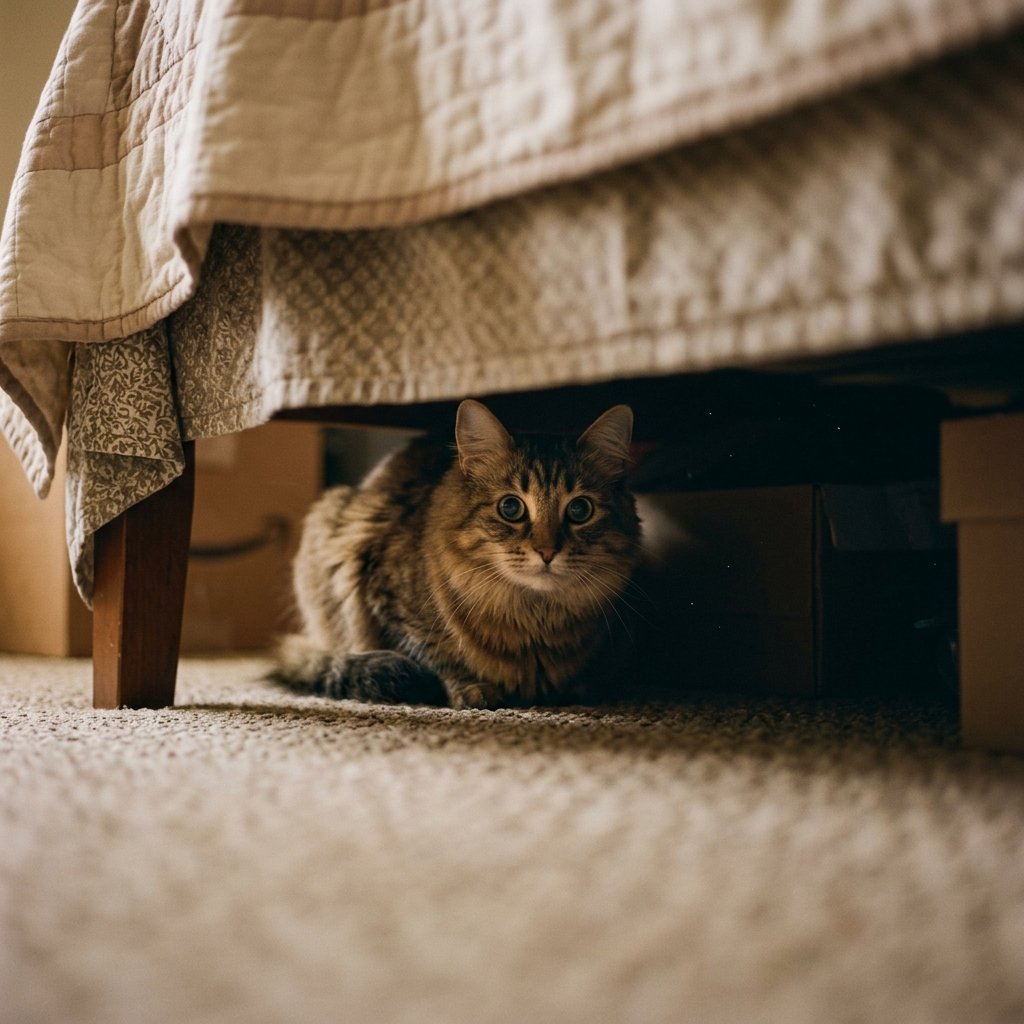
Why Does My Cat Hide? It Starts With Instinct
Cats are both predators and prey. They’re skilled hunters, but they’re also small enough to be eaten by larger animals. That means hiding is a survival strategy built into their DNA. A concealed spot lets a cat feel safe, observe their surroundings and avoid threats.
Even a cat who has lived in a cozy house their entire life still has these instincts. Hiding doesn’t always mean something is wrong. But when it changes suddenly, or goes on for a long time, it’s worth paying attention.
10 Reasons Your Cat Might Be Hiding
1. Fear or stress
Loud noises, strangers, fireworks, vacuum cleaners, thunderstorms and unfamiliar pets can all send a cat running for cover. Hiding is a way to get out of sight and feel safe until the scary thing passes.
2. A new home or new routine
Moving house, rearranging furniture, a new baby, a change in your work schedule or even new smells can unsettle a cat. Cats love predictability, and a shake-up can lead to more time in hiding.
3. A newly adopted cat settling in
If you’ve just brought a cat home, hiding is completely normal, sometimes for days or even weeks. Everything is new, and your cat needs time to explore at their own pace. Our guide to pet care tips for beginners includes advice on the first weeks with a new pet.
4. Illness or pain
This is the big one. Cats are experts at hiding pain, because showing weakness in the wild is dangerous. A cat who is sick, injured or uncomfortable often retreats to a quiet spot. If your cat suddenly starts hiding and also seems off in any other way, it’s time to call your vet.
5. Looking for a safe place to sleep
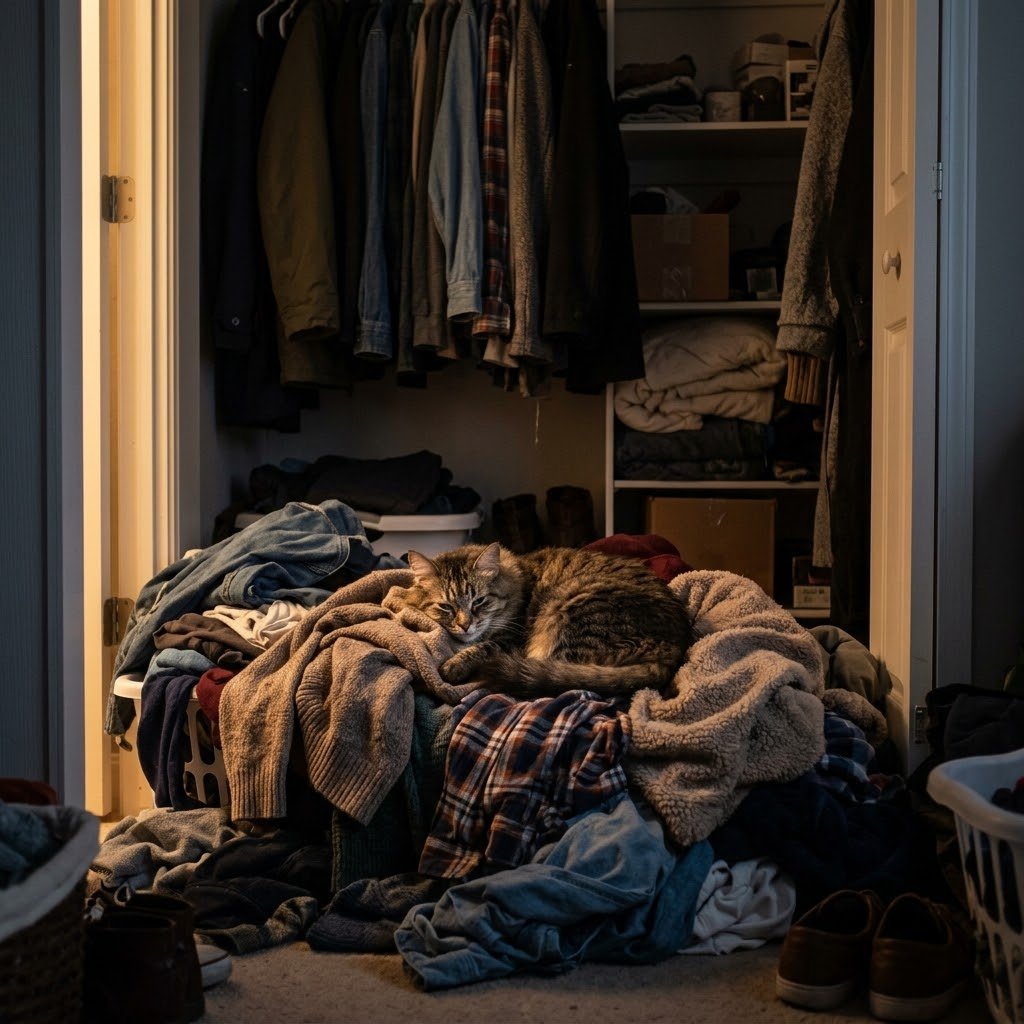
Cats sleep a lot, up to 12 to 16 hours a day, and they like to feel protected while they do. A closet, a laundry basket or the back of a wardrobe may just be the perfect nap spot. If your cat appears relaxed, comes out for meals and acts normally, there’s usually nothing to worry about.
6. Curiosity and play
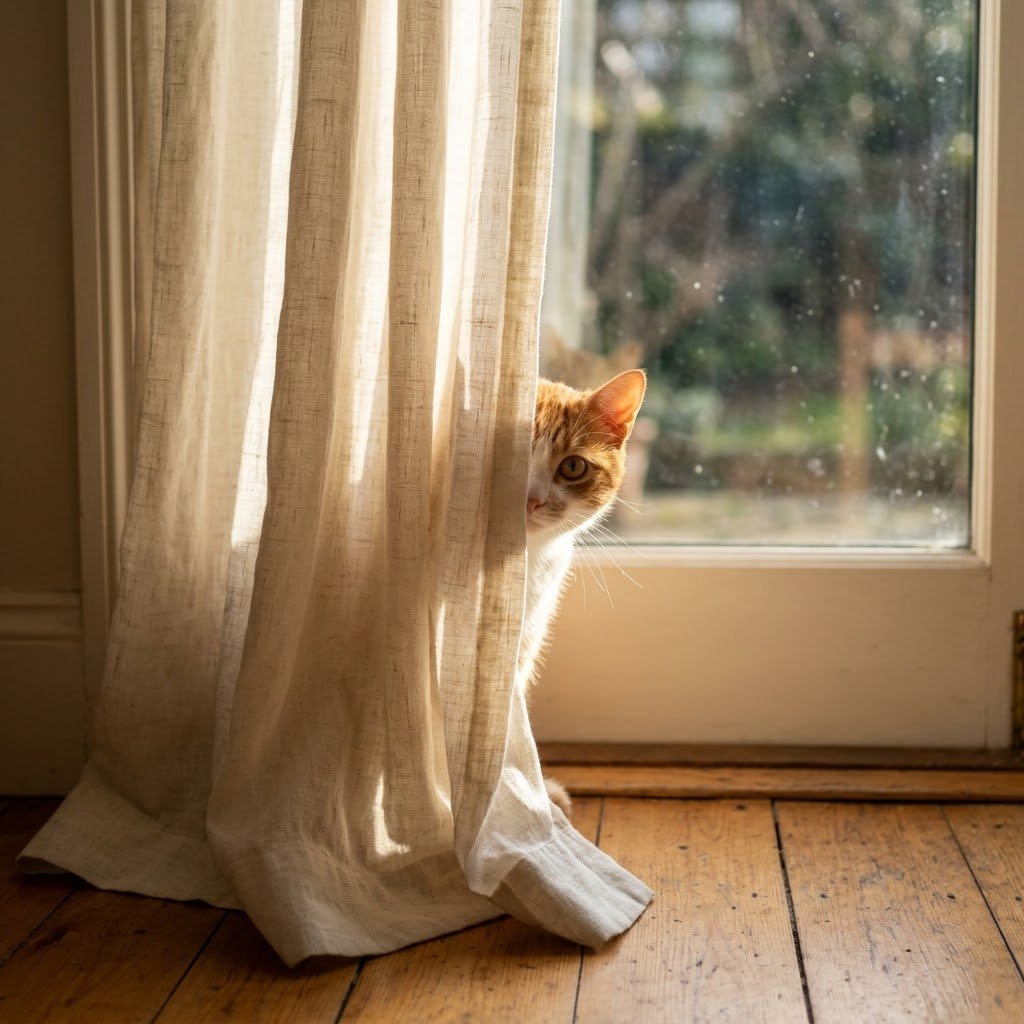
Some cats hide to watch, or to ambush. Peeking from behind a curtain or a door before pouncing on your ankle is classic cat play. This kind of hiding looks relaxed and playful, with forward ears, bright eyes and a wiggling bottom.
7. Wanting privacy or a break
Even affectionate cats need alone time. If your cat has had enough of visiting guests, small kids or lots of noise, they may retreat to a quiet spot to recharge.
8. Conflict with another pet
Tension with another cat or dog can lead a cat to hide for safety. Watch for bullying, blocked access to food or litter boxes and chasing. If hiding follows the arrival of a new pet, slow, careful introductions can make a big difference.
9. Vet visits and carrier anxiety
Many cats vanish the second they see the carrier. They’ve learned the carrier means a trip to the vet. Leaving the carrier out all year with a cozy blanket and the occasional treat inside can help it feel less scary.
10. Aging or cognitive changes
Older cats may hide more because of arthritis, vision or hearing loss or confusion. If your senior cat’s hiding habits change, ask your vet for a check-up.
Normal Hiding vs. Worrying Hiding
It helps to look at the whole picture, not just the hiding. Here’s a rough guide.
Usually normal
- Your cat hides for a short time and comes out on their own
- They’re eating, drinking, using the litter box and playing normally
- The hiding happens during known triggers, like guests or loud noises
- They’ve just come home or moved to a new place
Possible cause for concern
- Hiding that starts suddenly with no clear reason
- Hiding for more than a day or so, or much more than usual
- Not eating or drinking, or eating much less
- Avoiding the litter box, straining or crying while urinating
- Vomiting, diarrhea, labored breathing or lethargy
- Hissing, growling or reacting strongly when approached or touched
- Changes in grooming, such as a messy coat or over-grooming
A cat who stops eating completely for a day or two should be seen by a vet, since going without food can lead to serious liver problems in cats. If your cat is hiding and also struggling to breathe or not using the litter box, treat it as an emergency. The Cornell Feline Health Center has reliable information on feline health.
What Hiding Spots Tell You
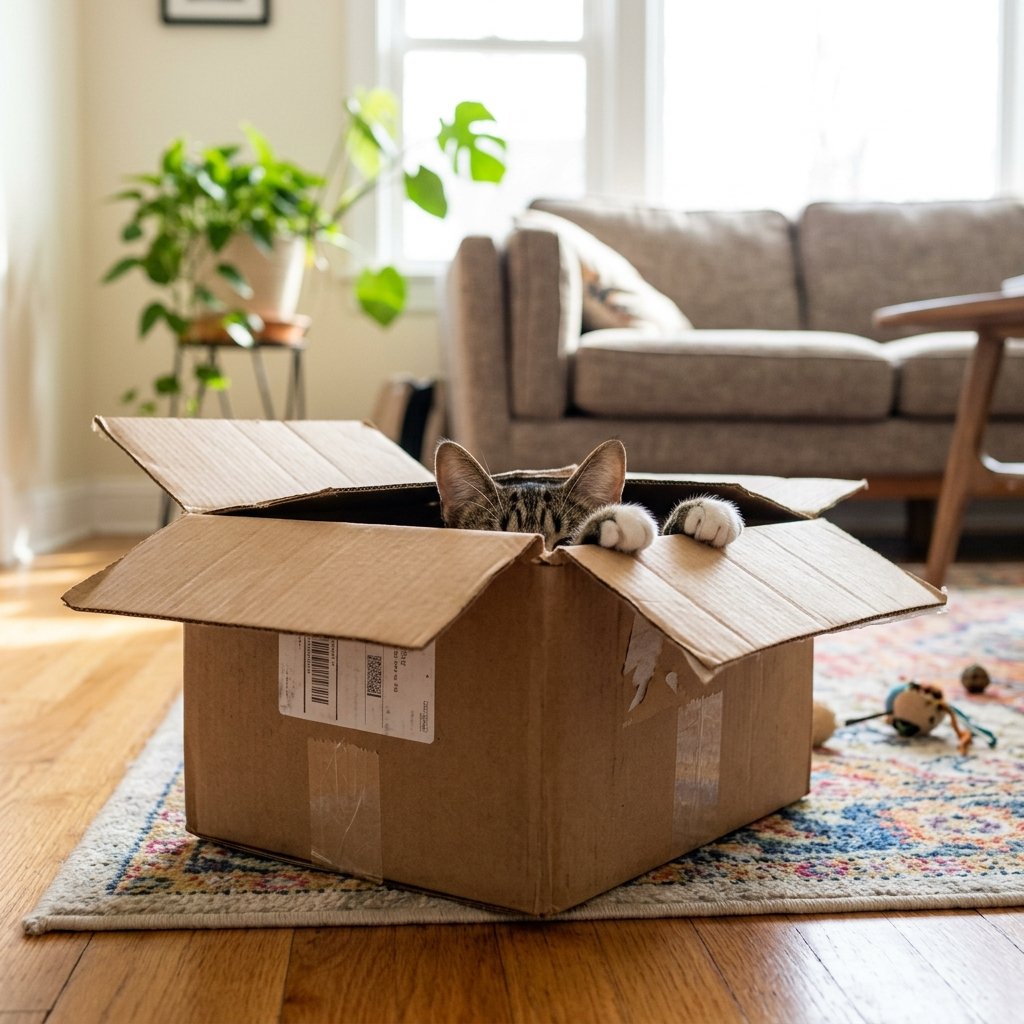
Where your cat hides can offer clues:
- Under the bed or sofa: often fear, stress or wanting a quiet retreat.
- Cardboard boxes and covered beds: comfort and security. Many cats adore boxes, and some studies in shelters suggest boxes help cats adjust and feel less stressed.
- Closets and cupboards: warm, dark, quiet spots for sleeping.
- Behind curtains or furniture: watching, playing or mild nervousness.
- Unusual or very hidden places, like behind appliances: may mean a bigger stress or illness.
How to Help a Cat Who Is Hiding
Don’t force them out
Dragging a scared cat out makes the fear worse and can lead to scratches and lost trust. Let your cat come out on their own terms.
Offer safe hiding spots
Counterintuitively, giving your cat more places to hide helps them feel secure and often reduces how much they hide overall. Provide cardboard boxes, covered beds, cat trees with enclosed cubbies and high perches. Place them in quiet corners.
Set up a safe room for a new cat
For a newly adopted cat, start with a small, quiet room with food, water, a litter box, a bed and hiding spots. Spend time sitting quietly nearby, let them approach in their own time and gradually expand their space.
Keep food, water and the litter box nearby but separate
Make sure they can eat and use the litter box without having to cross scary areas. Strong-smelling, tasty food can help tempt a shy cat. Our guide to the best food for cats can help you choose something appealing and healthy.
Stick to a routine
Feed, play and clean the litter box at the same times each day. Predictability is deeply calming for cats.
Use gentle play and treats
Try a wand toy from a distance, or toss a treat near the hiding spot. Short, low-pressure play can build confidence. Don’t push. If your cat doesn’t engage, try again later.
Consider calming aids
Some owners find pheromone diffusers helpful, although evidence is mixed. They won’t fix underlying issues, but they may take the edge off. Ask your vet about options if your cat is anxious.
Check in with the vet
If hiding is new, severe or paired with other symptoms, a vet visit is the best step. Cats often show subtle signs of illness, and early treatment can make a big difference. Cat Friendly Practices are clinics trained to handle cats gently and can make visits less stressful.
Is It Hiding, or Is My Cat Just Shy?
Some cats are naturally shy or reserved. A cat with a quiet personality who retreats when visitors arrive but is otherwise healthy and happy isn’t doing anything wrong. Respect their temperament, give them space and let them warm up in their own time. With patience, many shy cats grow more confident.
If you’re curious about other things cats do to communicate, you might enjoy our posts on why your cat purrs and why your cat meows so much. For a general overview, see our post on cat hiding behavior, and for daily routines that keep cats calm and healthy, our guide to healthy habits for pets is a great place to start.
More reading is available from International Cat Care and the ASPCA’s cat care pages.
Quick Answers
Why does my cat hide all of a sudden?
Sudden hiding is often due to stress, a change in the environment or illness. If it lasts more than a day or comes with other symptoms, call your vet.
Why does my cat hide when I come home?
Some cats are startled by sudden noise or activity, or may be shy. Try keeping arrivals calm and giving your cat time to come to you.
Is it normal for a new cat to hide?
Yes. It can take days to weeks for a new cat to feel comfortable. Give them a quiet room and let them settle at their own pace.
How long is too long for a cat to hide?
If your cat hides for more than a day or two and isn’t eating, drinking or using the litter box, contact your vet.
Should I pull my cat out from hiding?
No, unless it’s an emergency. Forcing a cat out can increase fear and damage trust.
Why does my cat hide in boxes?
Boxes make cats feel safe and secure. They’re enclosed, warm and give a good view of the surroundings.
The Bottom Line
So, why does my cat hide? Most of the time, it’s a perfectly normal mix of instinct, comfort and curiosity. But a change in hiding habits, especially alongside changes in eating, litter box use or energy, can signal stress or illness. Give your cat safe spots, keep routines predictable, avoid forcing them out and trust your gut. If something seems off, your vet is the best next step.
If your cat is hiding and not eating or drinking, struggling to breathe or in apparent pain, contact your veterinarian right away.



Discussion 0 comments
Share your thoughts — every perspective adds value.