

The first few days with a new pet are a strange mix of joy and panic. One minute you’re melting because a tiny face is sleeping on your shoe. The next you’re googling at 2 a.m. to find out whether that sneeze is normal.
If that’s you, good news: nobody is born knowing how to look after an animal, and the basics are simpler than they seem. These pet care tips for beginners are organized the way real life works, from the things to sort out before your pet walks in the door to what the first month usually looks like.

Before Your Pet Comes Home
Do this part first. It’s much easier than doing it with a nervous animal underfoot.
Pet-proof like you’re babyproofing
Get down on your hands and knees and look at the room from their height. Anything dangling, chewable or swallowable is a target. The usual troublemakers:
- Electrical cords and phone chargers
- Houseplants (lilies are seriously dangerous for cats, and plenty of common plants are toxic to dogs)
- Medications, cleaning products and anything in low cupboards
- Small objects like hair ties, socks and rubber bands that are easy to swallow
- Trash cans without lids
Buy the essentials, skip the rest
Pet stores are designed to make you feel like a bad owner if you leave empty-handed. You really only need a short list at first: a proper food and water bowl, the same food the breeder or shelter has been feeding, a collar or harness with an ID tag, a bed, a few safe toys, and either a leash (dogs) or a litter box, litter and a scratching post (cats). Everything else can wait until you know your pet’s personality.
Find a vet before you need one
Book a first checkup within the first week or so. Ask friends or neighbors for recommendations, and pick a clinic that doesn’t make you feel silly for asking questions. Having a vet you trust before an emergency is a real kindness to your future self.
Week One: Keep Things Calm and Boring
The biggest beginner mistake is overdoing the excitement. You want to show your pet everything, introduce them to everyone and take a thousand photos. Resist for a few days. A new environment is stressful, and animals settle faster when life is predictable.
Give them a home base. A quiet room, a crate with a cozy blanket, or a corner with a bed and water. Let them come out and explore at their own speed. If you’ve got a cat that disappears under the sofa on day one, that’s normal, and our guide to cat hiding behavior explains when to relax and when to worry.
Set a routine right away. Meals, potty breaks, play and bedtime at roughly the same times each day. Animals relax when they can predict what happens next.
Keep visitors to a minimum. There’s time for the whole family to meet your new best friend once they’ve stopped looking over their shoulder.
Feeding: Simple Beats Fancy

Start with the food your pet was already eating, even if you plan to change brands later. Swapping food on top of a house move is a recipe for an upset stomach. When you do switch, mix the new food in slowly over 7 to 10 days.
Look for a food labeled “complete and balanced” for your pet’s life stage, measure the portions and keep fresh water available all day. Our pet nutrition guide breaks down how to choose and how much to feed, and if you’ve got a cat, the best food for cats article goes deeper on wet versus dry.
A few things to keep off the menu: chocolate, grapes and raisins, onions and garlic, alcohol, and anything with xylitol. The ASPCA has a handy list of people foods to avoid feeding your pets.
The Vet Visit: What to Expect
The first appointment is mostly a chat, a head-to-tail exam and a plan. Bring any paperwork from the shelter or breeder, a stool sample if they ask for one, and a list of questions. Most beginners forget their questions the second they walk in, so write them on your phone.
Here’s what the plan usually covers:
- Vaccinations. Core vaccines protect against serious diseases. Puppies and kittens need a series of shots over their first few months, and adults need boosters on the schedule your vet recommends.
- Parasite prevention. Fleas, ticks, intestinal worms and, for dogs, heartworm. Prevention is far cheaper and easier than treatment, so ask which products suit your area.
- Spay or neuter timing. The right age depends on species, breed and size, so let your vet guide that decision.
- Microchipping. A tiny chip under the skin gives your pet a permanent ID. Just remember to register it and keep your contact details up to date.
After that, plan on at least a yearly checkup, and more often for seniors or pets with health conditions. The American Veterinary Medical Association has a good library of owner resources if you want to read more on what’s routine.
Training and Socialization Start on Day One
You don’t need to enroll in a class before your pet unpacks. But good habits begin immediately, because animals are learning from everything you do, whether you mean to teach or not.
For puppies, the early weeks are the best window for gentle socialization: new sounds, surfaces, people and (once vaccinations allow) other friendly dogs. Keep every experience positive and short. Our guide on how to train a puppy covers the basics, and crate training an 8-week-old puppy is worth a look if you’re planning to use one.
For cats, “training” mostly means setting them up to succeed: a litter box in a quiet spot, a scratching post near where they like to scratch, and daily play. A good rule for litter boxes is one per cat, plus one extra.
Whatever you’ve got, reward the behavior you want and ignore, redirect or manage the rest. Yelling or punishing usually makes animals anxious rather than obedient.
Exercise and Play Are Not Optional
A bored pet will find its own entertainment, and you probably won’t like their choices. Chewed furniture, midnight zoomies and relentless meowing often come down to unspent energy.
- Dogs need daily walks and some play, with the amount depending on breed, age and health. Puzzle feeders and sniffing games tire out the brain as well as the legs.
- Cats need short, regular play sessions with wand toys, plus climbing spots and window perches. Ten minutes twice a day goes a long way.
Rotate toys every week or so. A toy that’s been out of sight for a few days feels brand new.
Grooming and Hygiene Basics
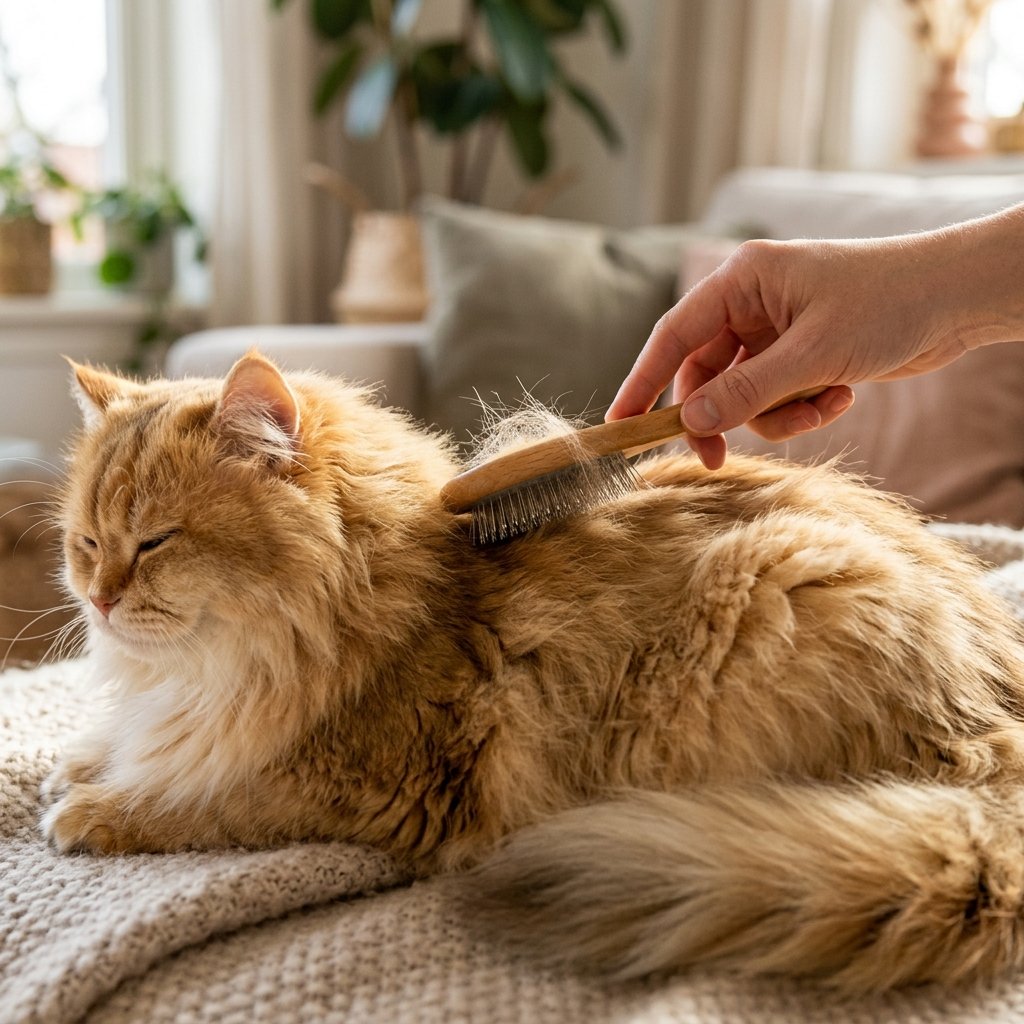
Grooming isn’t only about looking good. It’s your regular chance to check your pet over for lumps, sore spots, fleas or changes in the skin and coat.
- Brushing: Short-haired pets may need it weekly, long-haired ones several times a week. Start slow and keep sessions short and rewarding.
- Nails: Trim them every few weeks. If you’re nervous, ask your vet or a groomer to show you how first.
- Teeth: Dental disease is one of the most common health problems in pets. Brush with a pet toothpaste (never human toothpaste) and ask your vet about dental care.
- Ears and eyes: Look for redness, discharge or a bad smell, and mention anything odd to your vet.
- Baths: Dogs only need them when they’re dirty or smelly. Most cats clean themselves and rarely need one.
Know the Signs That Something’s Wrong
Pets are experts at hiding discomfort. By the time you notice something, they’ve often felt unwell for a while. Call your vet if you see:
- Not eating or drinking for a day or more (sooner for puppies, kittens and small pets)
- Repeated vomiting or diarrhea
- Trouble breathing, constant coughing or very fast breathing at rest
- Straining to urinate, especially in male cats, which can be an emergency
- Sudden lethargy, limping or a big change in behavior
Keep your vet’s number, the nearest emergency clinic and a poison hotline handy. The ASPCA Animal Poison Control Center is one option. And please, never give your pet human painkillers. Common ones like ibuprofen and acetaminophen can be deadly, particularly for cats.
Plan for the Money Side
Pets cost more than the adoption fee, and surprise vet bills are one of the biggest sources of stress for new owners. Before you commit, think through food, routine vet care, parasite prevention, supplies and boarding or pet sitting. Then consider setting aside a small emergency fund or looking into pet insurance, comparing what each plan really covers.
Be Kind to Yourself
You’ll make mistakes. You’ll buy a toy they ignore, a bed they refuse to sleep in and a food they sniff and walk away from. That’s all part of it. What matters is that you’re paying attention, staying consistent and asking for help when you need it.
For a good general reference as you go, the CDC’s page on healthy pets covers safe handling, hygiene and keeping both people and animals healthy.
Quick Answers for New Pet Owners
How long does it take a new pet to settle in?
Many pets start to relax within a few days to a couple of weeks, but full comfort can take a month or more. Shy or rescued animals often need longer.
What should I buy first for a new pet?
Food and water bowls, the food they’re used to, an ID tag, a bed, safe toys, and either a leash or a litter box setup. Add the rest as you learn what your pet needs.
How often should a pet see the vet?
Young animals need several visits in their first months for vaccines and checks. Healthy adults usually go once a year, and seniors may need to go more often.
Is it okay to leave a pet alone while I work?
Adult cats and many adult dogs can handle a normal workday with a routine and enrichment, but puppies and kittens need much more frequent care. Build up absences slowly.
Final Thoughts
Good pet care isn’t about doing everything perfectly. It’s a handful of steady habits: a safe home, good food, regular vet visits, daily play and plenty of affection. Get those right and the rest tends to fall into place.
This article is for general information and isn’t a substitute for professional veterinary advice.




Discussion 0 comments
Share your thoughts — every perspective adds value.