

Most of us don’t fail our pets in big, dramatic ways. We fail them in small, forgettable ones. The walk that gets skipped on a rainy Tuesday. The toothbrush that’s been sitting in a drawer since spring. The vet appointment we keep meaning to book.
Here’s the thing about healthy habits for pets: they work the same way healthy habits work for people. No single day matters much. It’s the pile of ordinary days that decides whether your dog is still bounding up the stairs at twelve, or whether your cat reaches old age with a clean bill of health.
So instead of another checklist of everything you should be doing, this article takes a different route. We’ll build your pet’s habits around the day you already have, using the routines you’d follow anyway as anchors.
Why Habits Beat Good Intentions
Willpower runs out. Routines don’t. When your pet’s care is tied to something you already do every day, like making coffee or locking the front door at night, you stop having to decide. It just happens.
That idea is often called habit stacking: attach the new thing to the old thing. We’ll use it for everything below.
Morning: Anchor It to Your Coffee
Fresh water, every single day
While the kettle is heating, rinse your pet’s water bowl and refill it. It takes thirty seconds. A bowl that’s been sitting for two days collects dust and bacteria, and a lot of pets simply drink less from stale water. Cats in particular can be fussy, and some prefer a wide, shallow bowl or a fountain. If you’re not sure whether your cat is drinking enough, our piece on the best food for cats explains why adding wet food helps.
A measured breakfast
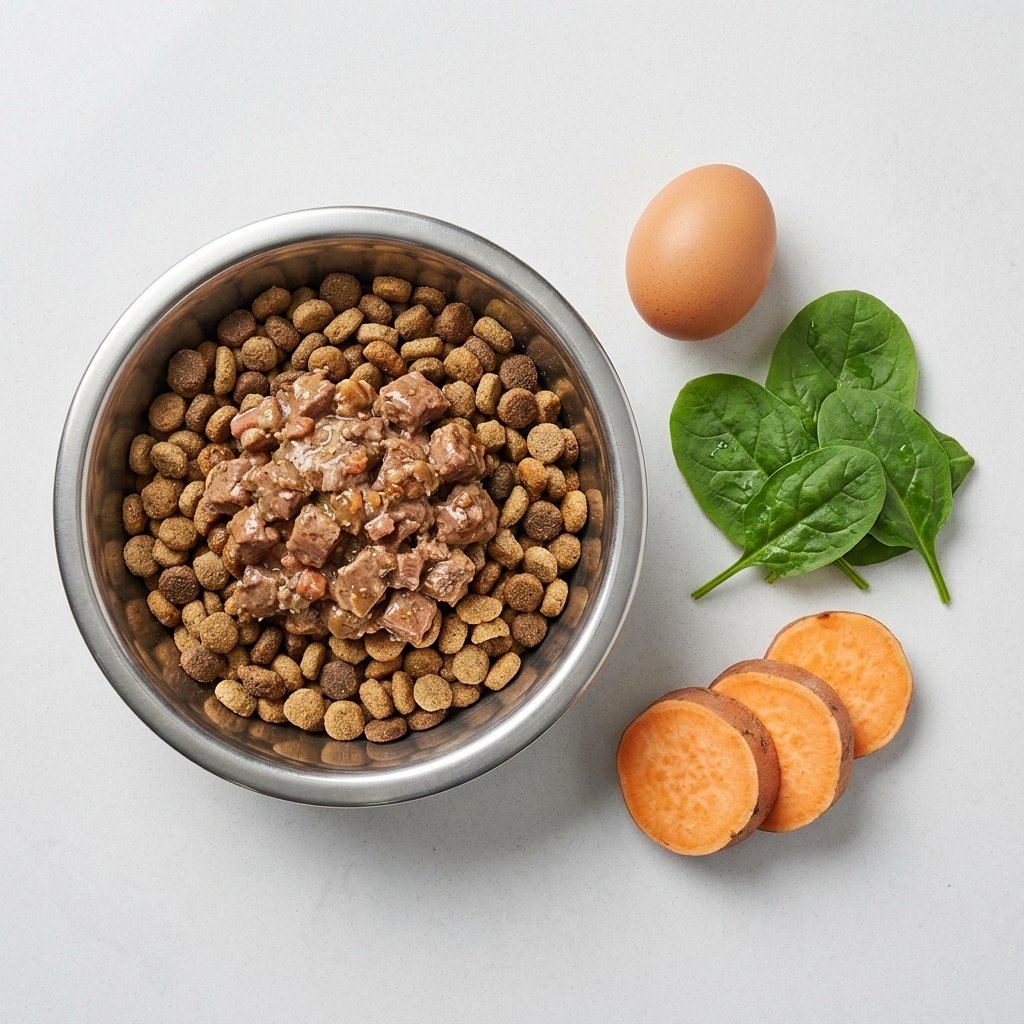
Scoop the food with an actual measuring cup instead of eyeballing it. Weight creep happens slowly, a few extra pieces at a time, and the habit of measuring is the easiest weight-control trick there is. The Association for Pet Obesity Prevention has plenty of data on why this matters so much, and our pet nutrition guide shows how to work out portions.
A thirty-second check-in
While your pet eats, watch them. Are they eating with normal enthusiasm? Moving easily? Eyes bright, nose and coat looking normal? You’re not performing an exam. You’re building a baseline, so you notice quickly when something looks different.
Daytime: Movement and Brain Work
Dogs: walk like it’s a job requirement
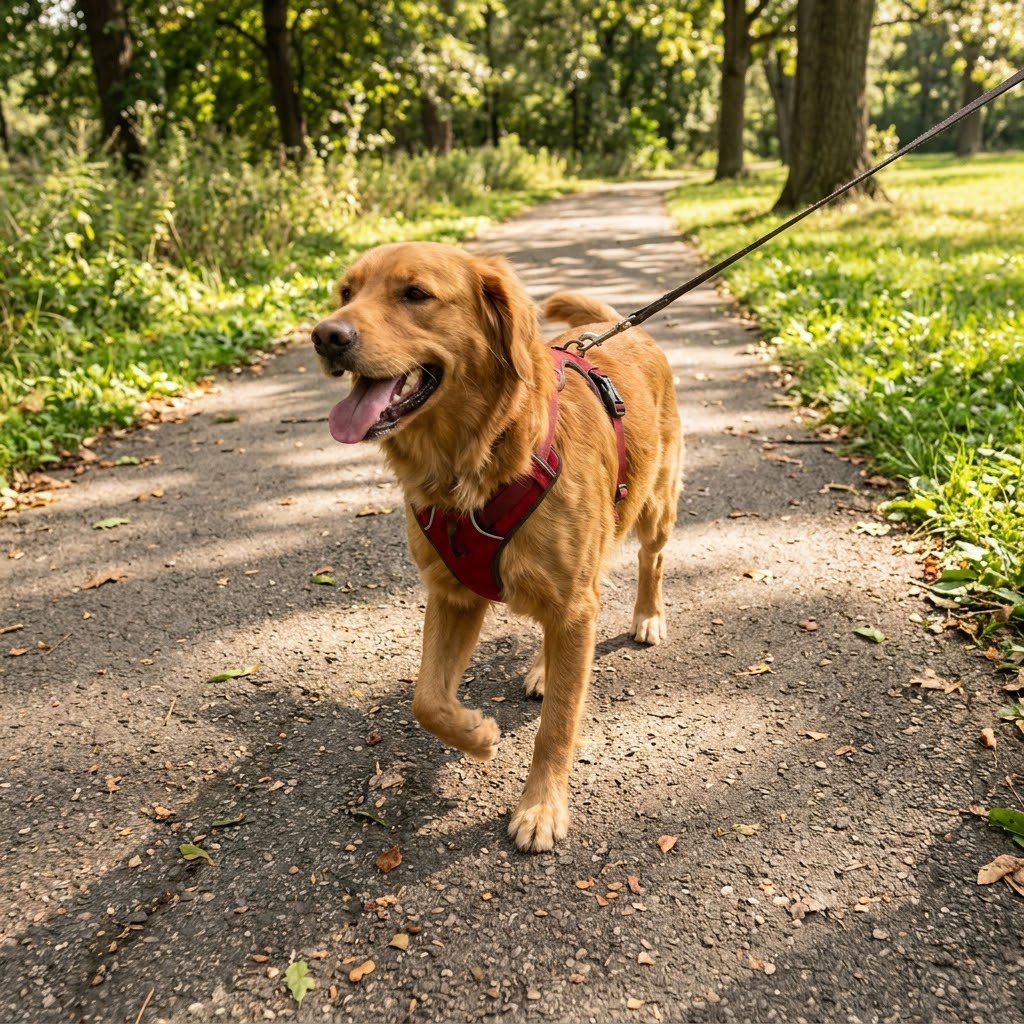
Most dogs need at least one good walk a day, and many need two. The right amount depends on breed, age and health, but the habit is the same: pick a time, put it in your calendar and treat it as non-negotiable. Let them sniff. Sniffing is mental exercise, and a slow, sniffy twenty minutes can tire a dog out more than a fast march around the block.
If you’ve got a puppy, keep walks shorter and ask your vet about safe exercise levels while their joints are still developing. Our puppy training guide is a good companion for building daily routines at that age.
Cats: play in short bursts
Cats don’t need walks, but they do need to hunt, even if it’s a feather on a string. Two ten-minute play sessions a day, one in the morning and one in the evening, can make a huge difference to weight, mood and behavior. End each session by letting your cat “catch” the toy, then give a small meal or treat. That mimics the natural hunt, catch and eat cycle and leaves them satisfied.
Give the brain a job
Puzzle feeders, snuffle mats, hide-and-seek treats and short training sessions all count. A bored pet is a stressed pet, and stress shows up as chewing, scratching, constant meowing and other habits owners find annoying. If your cat has recently become clingy or vocal, why your cat meows so much covers the common causes.
Evening: Anchor It to Winding Down
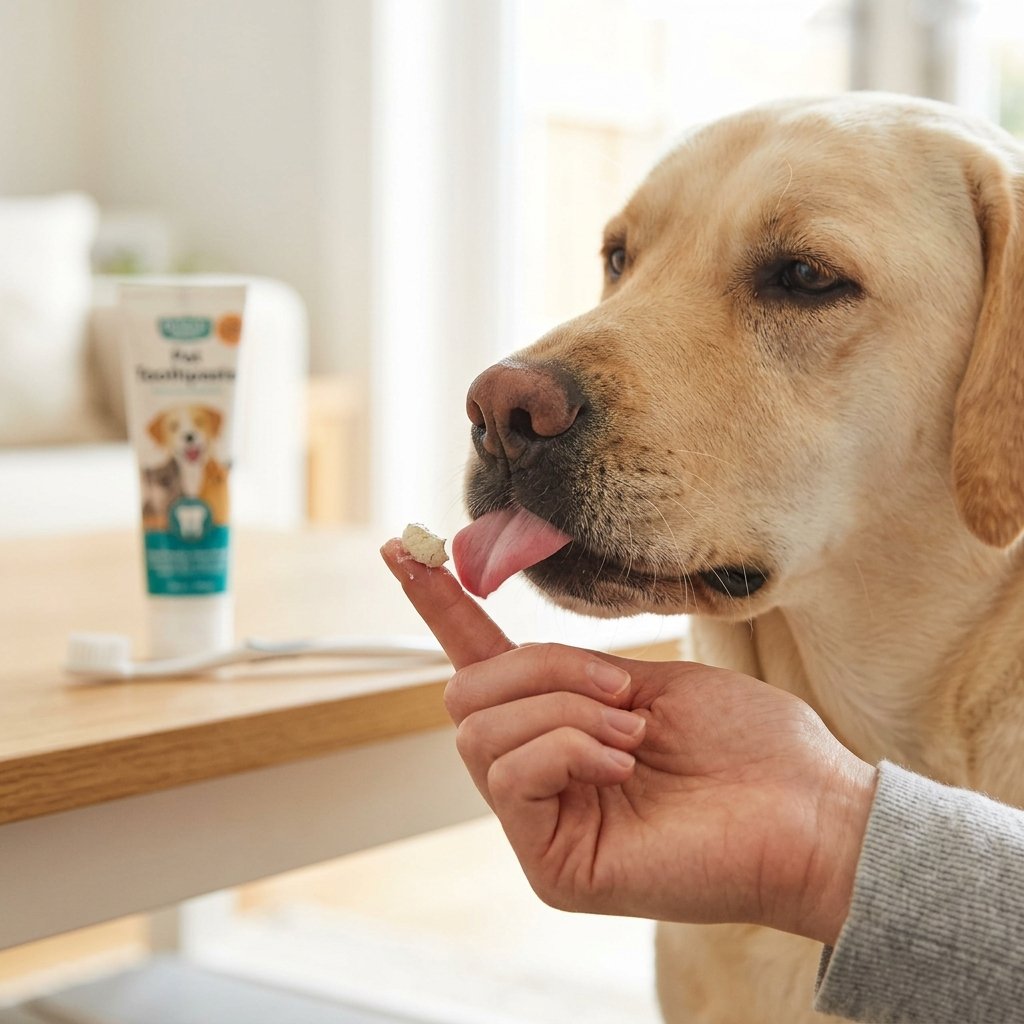
Brush their teeth while you brush yours
This is the single most skipped pet habit, and it’s one of the most valuable. Dental disease is extremely common in dogs and cats, and it can lead to pain, infection and tooth loss. Daily brushing with a pet-safe toothpaste is the gold standard. Even a few times a week helps. Never use human toothpaste, which can upset their stomachs.
Can’t manage brushing? You’ve still got options. The Veterinary Oral Health Council keeps a list of dental products that have met its standards, which is a useful filter in a market full of unproven claims.
A quick hands-on check
While you’re relaxing on the sofa with your pet, run your hands gently over their body. Feel for new lumps, sore spots, ticks, or changes in weight. Look at ears, paws and eyes. Pets who are used to being handled are also far easier for the vet and groomer to work with. If your cat enjoys it, you might notice the contented rumble described in why your cat purrs.
Protect their sleep
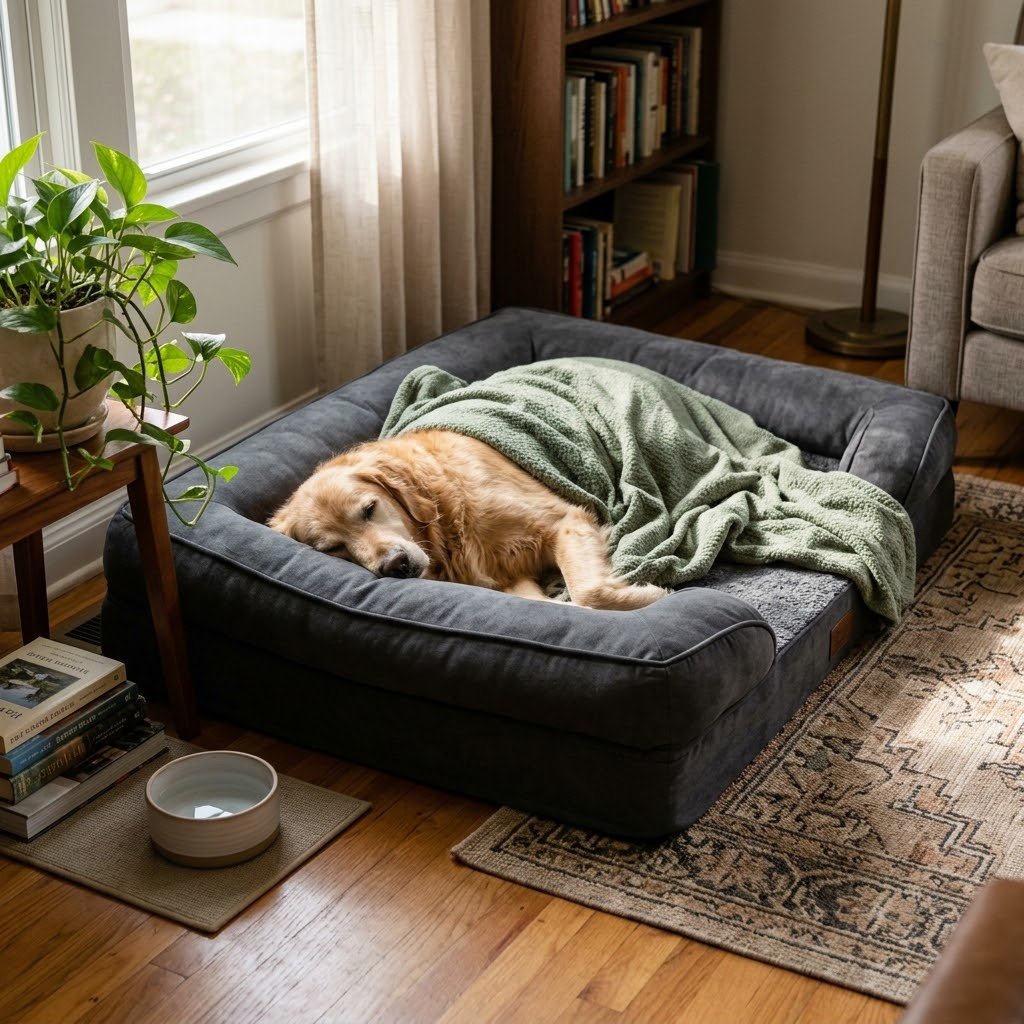
Adult dogs sleep around 12 to 14 hours a day and cats often sleep even more, up to 16 hours. Puppies and kittens sleep a lot, too. Make sure they have a comfortable, quiet place to rest where they won’t be constantly disturbed, especially in homes with young kids. A well-rested pet is calmer, healthier and easier to live with.
Weekly Habits: Pick a Day and Stick to It
Choose a day, say Sunday, and tie a few small jobs to it:
- Brush the coat. Long-haired pets need it more often, but a weekly brush at minimum helps with shedding, hairballs and skin checks.
- Wash bedding and bowls. Food bowls should be washed daily, and bedding at least weekly.
- Clean the litter box thoroughly. Scoop daily, and every week or so empty it, wash it with mild soap and refill it. Dirty litter boxes are a common reason cats start going elsewhere.
- Rotate toys. Put half away and swap them in and out so everything feels new.
- Do a weigh-in. If your pet is small enough, weigh them at home, or just check the ribs and waist.
Monthly Habits: The Reminders You’ll Forget Otherwise
Set a recurring phone reminder for the first of every month. You’ll thank yourself.
- Parasite prevention. Flea, tick and heartworm products only work if they’re given on schedule. Your vet can tell you which ones suit your area.
- Nail trims. Many pets need them every three to four weeks. Long nails can change how a pet walks and cause pain.
- Home safety scan. Look for chewed cords, loose items on the floor and anything new that could be risky.
Yearly Habits: The Big Picture
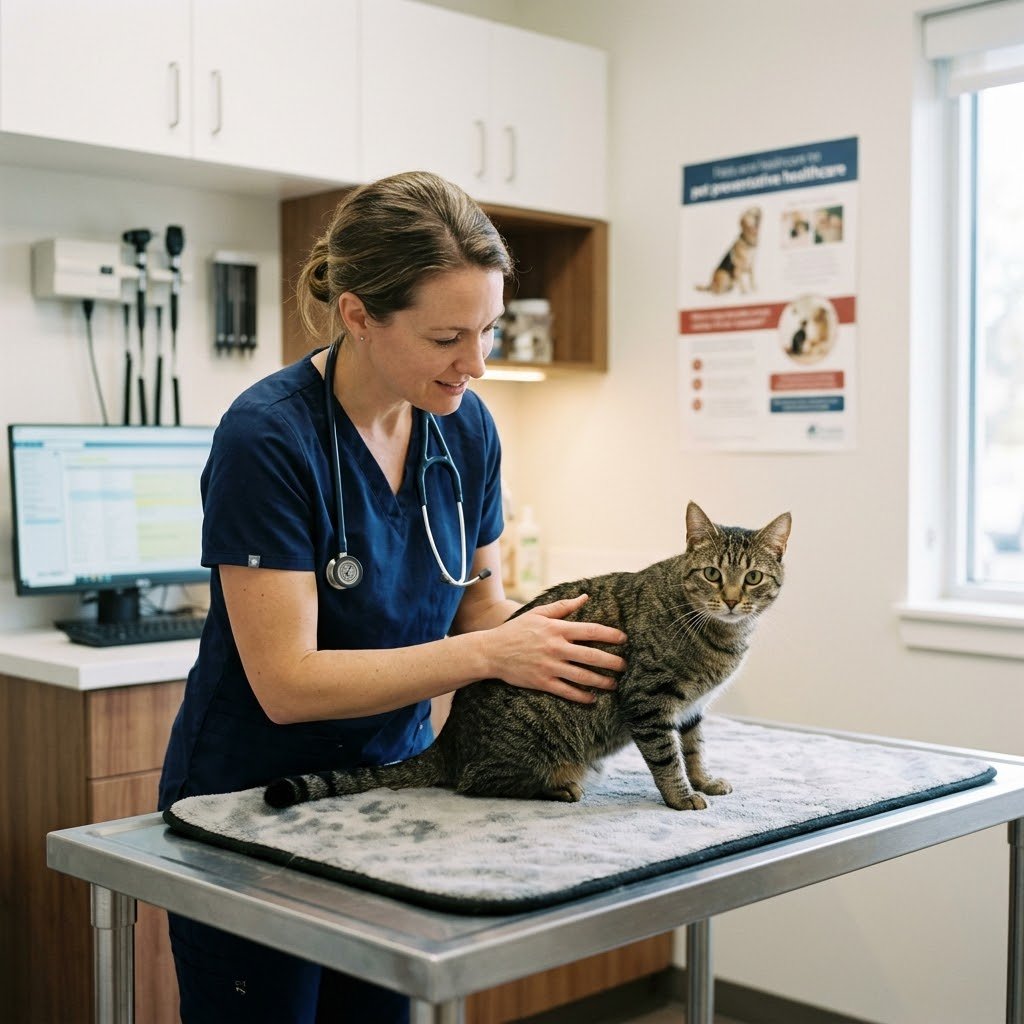
A regular veterinary visit is the most important health habit on this list. Animals instinctively hide pain, so by the time you spot trouble, it’s often well advanced. A yearly exam gives your vet a chance to catch weight changes, dental problems, heart murmurs and early signs of kidney disease before they become serious.
Senior pets, usually from around seven years old depending on breed and size, are often best seen twice a year. Keep vaccinations up to date as your vet advises, check that your pet’s microchip details are current, and ask about bloodwork as your pet ages. Cornell’s Feline Health Center and the AVMA’s pet owner resources are both reliable places to read more.
If you’ve only just brought a new pet home and this all feels like a lot, start with our pet care tips for beginners, which walks through the first month step by step.
Habits That Protect Their Mind
Physical health gets most of the attention, but emotional health matters just as much. A few habits go a long way:
- Keep routines predictable. Pets feel safer when meals, walks and bedtime happen at roughly the same time.
- Offer a retreat. Every pet needs a quiet space where they can go and not be bothered.
- Give daily one-on-one time. Fifteen minutes of undivided attention, with no phone, counts for a lot.
- Learn their stress signals. Hiding, over-grooming, pacing, panting at rest, or sudden changes in appetite all deserve attention. Our guide to cat hiding behavior is a good place to start if your cat has gone quiet.
Habits to Quit
Healthy routines are partly about what you stop doing, too.
- Free-feeding a pet who tends to overeat
- Giving table scraps and extra treats “just this once” every day
- Leaving pets in parked cars, even for a few minutes, since temperatures climb to dangerous levels fast
- Giving human medications without asking a vet, which can be fatal
- Skipping the vet because your pet “seems fine”
A Realistic Way to Start
Don’t try to adopt all of this on Monday. Pick two habits. Maybe it’s the morning water refresh and a weekly brushing. Stick with them for a month, then add one more. In three months you’ll have a full routine and it will feel like nothing.
Quick Answers
What is the most important healthy habit for a pet?
If you only pick one, make it regular veterinary checkups. After that, measured meals and daily exercise or play have the biggest impact on long-term health.
How much exercise does a pet need each day?
It varies by species, breed, age and health. Many dogs need 30 minutes to a couple of hours, while cats do well with two short play sessions. Your vet can help you fine-tune this.
How often should I brush my pet’s teeth?
Daily is ideal, but a few times a week is much better than nothing. Use a toothpaste made for pets.
How can I tell if my pet is healthy at home?
Look for steady appetite, normal energy, bright eyes, a clean coat, regular bathroom habits and a stable weight. Any big change deserves a call to your vet.
The Bottom Line
Healthy pets are rarely the result of one heroic effort. They come from ordinary things done reliably: clean water, measured meals, a good walk or play session, a quick check of the teeth and body, and a vet who knows your animal well. Tie each one to something you already do, and the habits will carry themselves.
This article is for general information and isn’t a substitute for professional veterinary advice.

Discussion 0 comments
Share your thoughts — every perspective adds value.