

Walk down the cat food aisle and it can feel like every bag and can is shouting at you. Grain-free. High protein. Gourmet. Natural. So what’s actually the best food for cats?
The honest answer is that there isn’t one perfect food for every cat. A growing kitten, a ten-year-old couch potato and a cat with sensitive kidneys all need different things. But there are clear rules for what a good cat food looks like, and once you know them, the aisle gets a lot less confusing.
This guide walks you through what cats really need, how wet, dry and fresh food compare, how to read a label without getting fooled by the front of the package, and which foods you should never give your cat.
What Cats Actually Need in Their Food
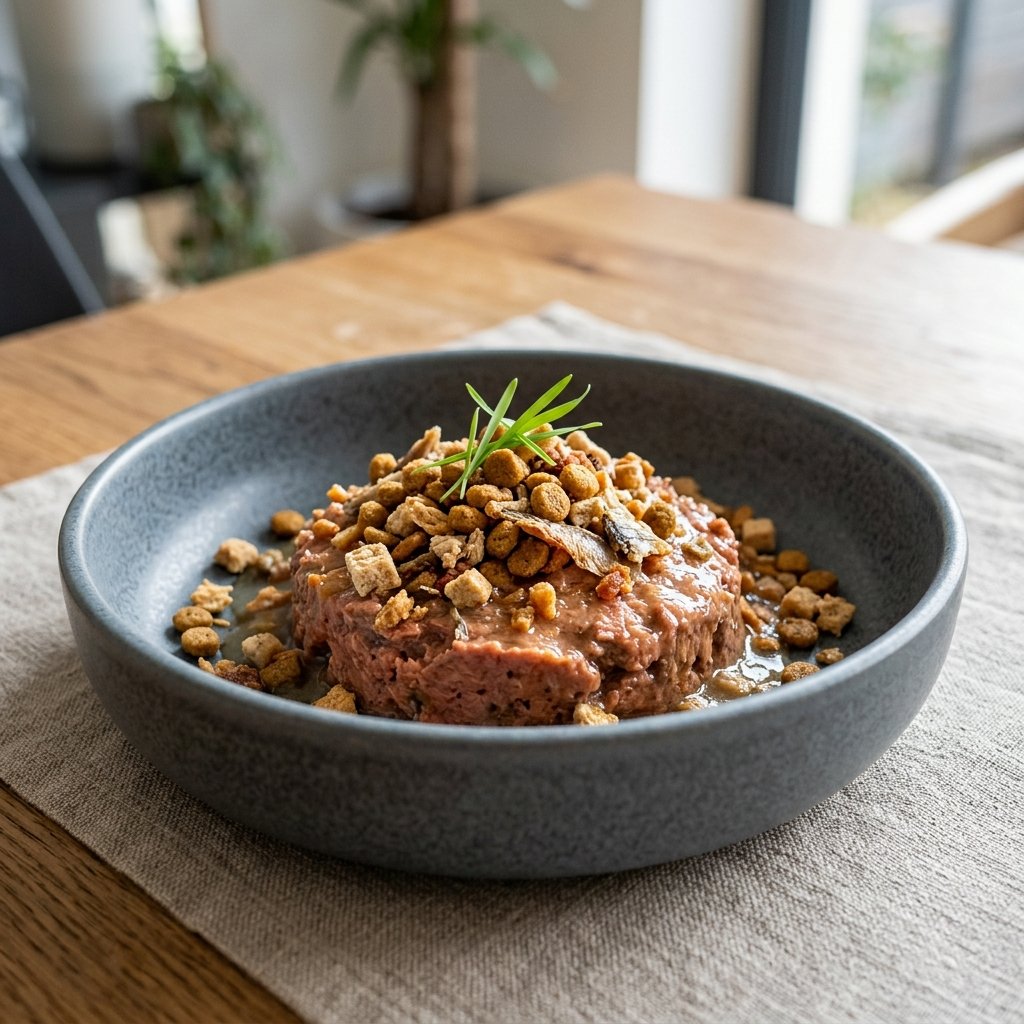
Cats are obligate carnivores. That’s a fancy way of saying their bodies are built to get nutrients from animal tissue. Dogs can adapt to a mixed diet. Cats can’t, not really. Their food has to supply a few things they can’t make well on their own:
- Animal-based protein. It fuels muscle, energy and a healthy coat.
- Taurine. An amino acid that supports the heart, eyes and digestion. A cat that goes without it long enough can develop serious heart and vision problems.
- Arachidonic acid and other fatty acids. These come from animal fat and keep skin and coat in good shape.
- Preformed vitamin A. Cats can’t convert plant sources the way people do.
- Water. Cats evolved to get most of their moisture from prey, so they’re not great at drinking enough on their own.
You don’t have to memorize that list. You just need to buy food labeled complete and balanced, which brings us to the label.
How to Read a Cat Food Label (Ignore the Front of the Bag)
The front of the package is marketing. The back is where the useful information lives. Here’s what to check, in order.
1. The “complete and balanced” statement
Look for a line saying the food meets the nutritional levels set by AAFCO (the Association of American Feed Control Officials) for your cat’s life stage. If it says “for intermittent or supplemental feeding only,” it’s not meant to be your cat’s main meal. You can learn more about how these statements work in the AAFCO guide to understanding pet food.
2. The first few ingredients
Ingredients are listed by weight, so the first ones matter most. You want to see a named animal protein near the top, like chicken, turkey, salmon or beef. “Meat by-products” and generic “meat meal” aren’t automatically bad, but a specific named source tells you more about what’s inside.
3. The life stage
Kitten food is richer in calories and nutrients for growth. Adult food is balanced for maintenance. Senior formulas are often lower in calories and sometimes adjusted for joint or kidney support. “All life stages” foods exist too, but they’re built to cover kittens, so they can be too rich for a sedentary adult.
4. The company’s quality standards
The World Small Animal Veterinary Association has a helpful set of global nutrition guidelines with questions you can ask any pet food maker, like whether they employ a qualified nutritionist and how they test their recipes. A brand that answers those questions clearly is usually a good sign.
Wet Food vs. Dry Food: Which Is Better?
This is the big debate, and the answer depends on your cat. Here’s the quick comparison.
Wet (canned) cat food
Wet food is typically around 75 to 80 percent water. That extra moisture is a real advantage, especially for cats prone to urinary problems or who don’t drink much. It’s also usually higher in protein and lower in carbohydrates than dry food, and many cats simply find it tastier.

The downsides? It costs more per meal, it spoils if left out for too long, and once opened a can needs to be covered and refrigerated.
Dry cat food (kibble)
Dry food is convenient, affordable and easy to store. It can sit in a bowl for a few hours without going off, and it works well in puzzle feeders, which is a nice way to keep an indoor cat’s mind busy.
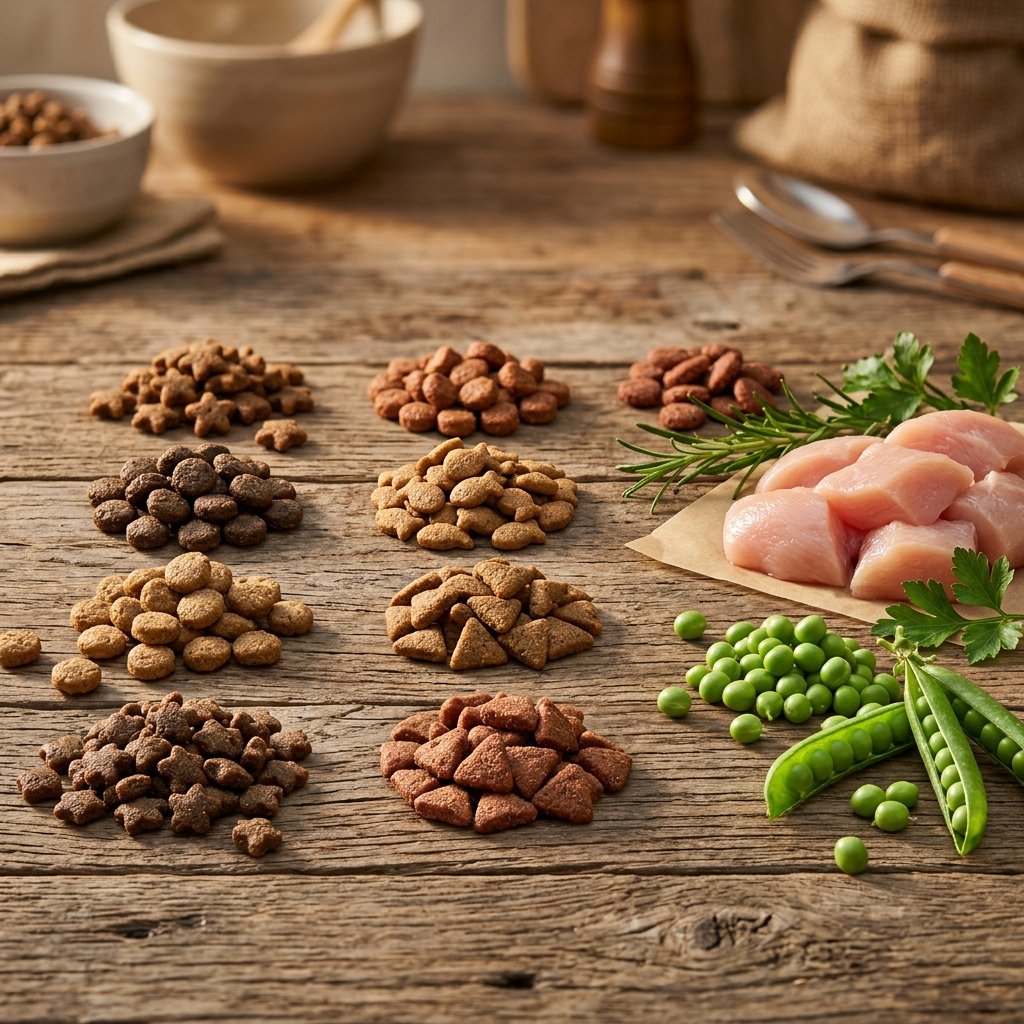
The trade-off is that kibble holds only around 10 percent moisture and is usually denser in calories. It’s easy to overfeed, and that’s one of the main reasons so many house cats put on extra weight. Dry food also tends to include more carbohydrates, since it needs starch to hold its shape.
Fresh and gently cooked food
Fresh-cooked and refrigerated cat food has become popular, and some of it is excellent. Just apply the same rule as always: make sure it’s labeled complete and balanced. Homemade diets are a different story. Without a veterinary nutritionist writing the recipe, it’s very easy to miss something essential like taurine or calcium.
So what’s the verdict?
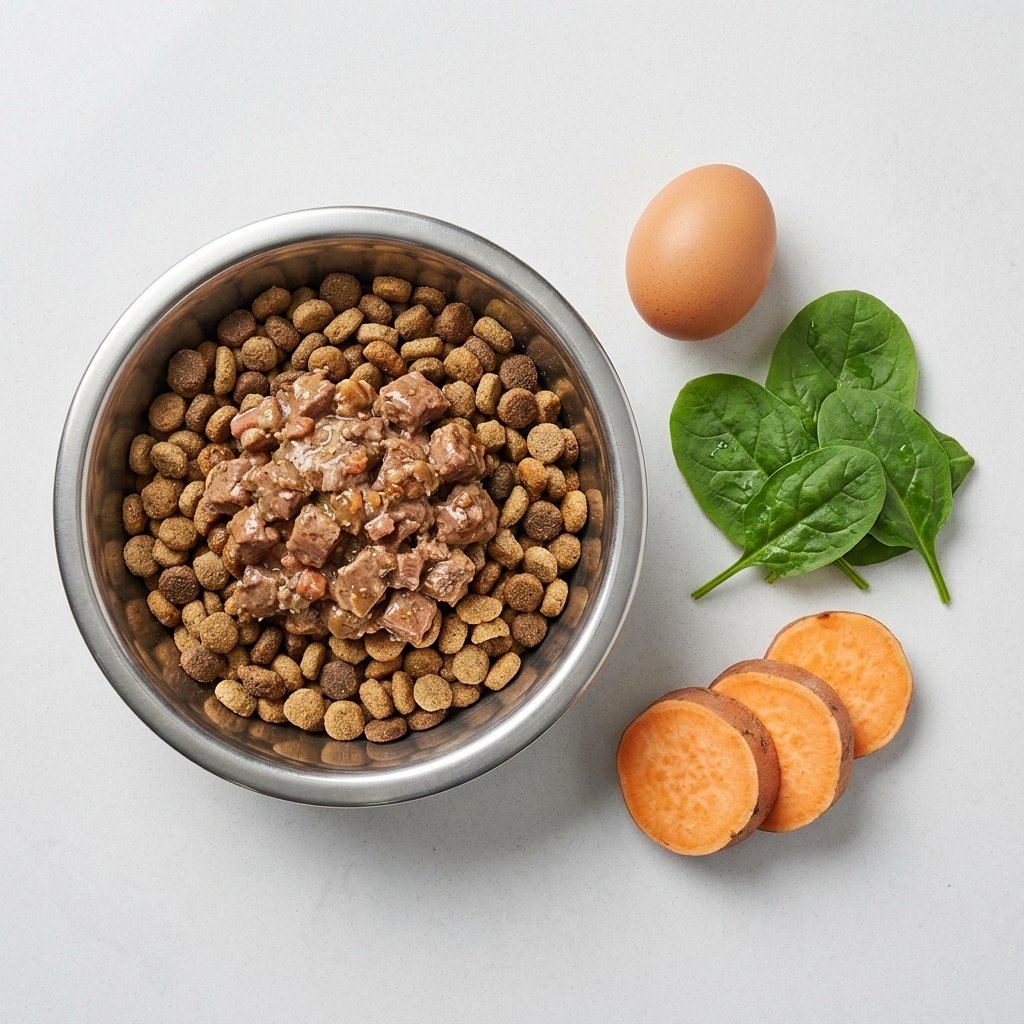
For most healthy adult cats, a mix of wet and dry works well, or mostly wet if your budget allows. Wet food covers hydration and protein. A small portion of dry food covers convenience and enrichment. If your cat has a medical condition, ask your vet before changing anything.
The Best Food for Cats at Every Life Stage
Kittens
Kittens grow fast and need more calories, protein and certain minerals than adults. Feed a food labeled for growth, and offer several small meals a day. Most kittens stay on kitten food until around 12 months old.
Adult cats
Adults need a steady, balanced diet and portions that match their activity level. Two meals a day is a common routine, though some cats do better with smaller, more frequent meals. If you’ve recently had your cat spayed or neutered, their calorie needs often drop, so it’s worth reading about what to expect in our guide to female cat behavior after spaying, including changes in appetite.
Senior cats
Older cats can lose muscle, so they still need good-quality protein. At the same time, some develop kidney or dental issues that change what they can eat. Soft, moist food is often easier on sore teeth. If your senior cat suddenly eats much less or much more than usual, book a vet visit rather than just switching brands.
Indoor, overweight and sensitive cats
Indoor cats burn fewer calories, so weight control matters. Look for foods designed for indoor or weight management and measure portions instead of free-feeding. For cats with itchy skin or digestive upsets, a vet can help you work out whether a limited-ingredient or prescription diet makes sense.
How Much Should You Feed Your Cat?
Start with the feeding guide on the package, then adjust. Those charts are an average, and your cat isn’t average. A good rule of thumb is that you should be able to feel your cat’s ribs under a thin layer of fat, and see a slight waist when you look from above.
Weigh out meals with a kitchen scale or a proper measuring cup. “A scoop” can mean wildly different amounts from one day to the next, and a few extra pieces of kibble a day add up fast on a small body.
Foods You Should Never Give Your Cat
Some human foods are dangerous for cats, even in small amounts. Keep these away from your cat:
- Onions, garlic, chives and leeks
- Chocolate and anything with caffeine
- Grapes and raisins
- Alcohol and raw yeast dough
- Anything sweetened with xylitol
- Cooked bones, which can splinter
The ASPCA keeps a handy list of people foods to avoid feeding your pets, worth bookmarking.
And a quick myth-buster: despite the old cartoon image, most adult cats are lactose intolerant. Cow’s milk can give them diarrhea and an upset stomach. Fresh water is the better choice. Dog food isn’t a safe long-term substitute either, because it doesn’t have the taurine and other nutrients cats need.
How to Switch Your Cat to a New Food
Cats are creatures of habit, and a sudden menu change can lead to an upset stomach or a hunger strike. Go slowly over about 7 to 10 days:
- Days 1 to 3: 25% new food, 75% old food
- Days 4 to 6: 50% new, 50% old
- Days 7 to 9: 75% new, 25% old
- Day 10: 100% new food
If your cat turns up their nose, slow things down rather than forcing it. A cat that refuses food completely for more than a day or so needs to see a vet. Cats can develop a serious liver condition when they go without eating.
When Your Cat’s Eating Habits Tell You Something
Food and behavior are closely linked. A cat that’s suddenly yelling at you around mealtimes may be hungry, bored or used to being fed on demand, and you can find more on that in our post on why your cat meows so much. Some cats even purr while begging for breakfast, something we cover in why your cat purrs. And if a normally greedy cat starts hiding and skipping meals, our guide to cat hiding behavior explains when that’s a reason to worry.
For deeper background on feline nutrition and health, the Cornell Feline Health Center is a trustworthy place to keep reading.
Frequently Asked Questions
Is wet food or dry food better for cats?
Wet food gives more moisture and usually more protein, which many vets like for urinary health and weight control. Dry food is more convenient and cheaper. Many cats do well on a combination of both.
How often should I feed my cat?
Most adult cats do well with two measured meals a day. Kittens need three or four smaller meals, and some seniors prefer small, frequent portions.
Is grain-free cat food better?
Not necessarily. True grain allergies are uncommon in cats, and grain-free doesn’t mean low-carb or healthier. Focus on the complete-and-balanced statement and the protein source instead of the grain-free label.
Can cats eat raw food?
Raw diets carry a risk of bacteria like Salmonella, both for your cat and for the people handling the food. If you’re curious about raw feeding, talk it over with your vet first.
What is the best cat food for a picky eater?
Try warming wet food slightly to bring out the smell, offer a different texture (pâté, shreds or chunks), and keep meals at consistent times. If the pickiness is new, rule out a health issue with your vet.
Final Thoughts
The best food for cats is a complete and balanced food, built around real animal protein, matched to your cat’s age and health, and fed in the right amount. Whether that’s wet, dry or a mix of both matters less than getting those basics right.
When in doubt, bring the label to your vet and ask. A five-minute conversation can save you months of trial and error, and your cat will thank you with a shinier coat, steady energy and a very happy bowl.
This article is for general information and isn’t a substitute for professional veterinary advice. Always check with your vet before making big changes to your cat’s diet, especially if your cat has a health condition.



Discussion 0 comments
Share your thoughts — every perspective adds value.