

Picture this. You’ve just brought home a new dog, or maybe you’ve had the same cat for eight years and you’re wondering if you’ve been doing it all wrong. You open your phone and search for what to feed them. Within five minutes you’ve been told that grains are poison, that raw is the only real food, that raw will kill your pet, and that your vet is secretly paid by kibble companies.
Take a breath. Pet nutrition is a lot less dramatic than the internet makes it sound. This pet nutrition guide is the calm version: what dogs and cats actually need, what’s mostly marketing, and how to feed your animal well without turning mealtime into a second job.
Start With the Boring Stuff
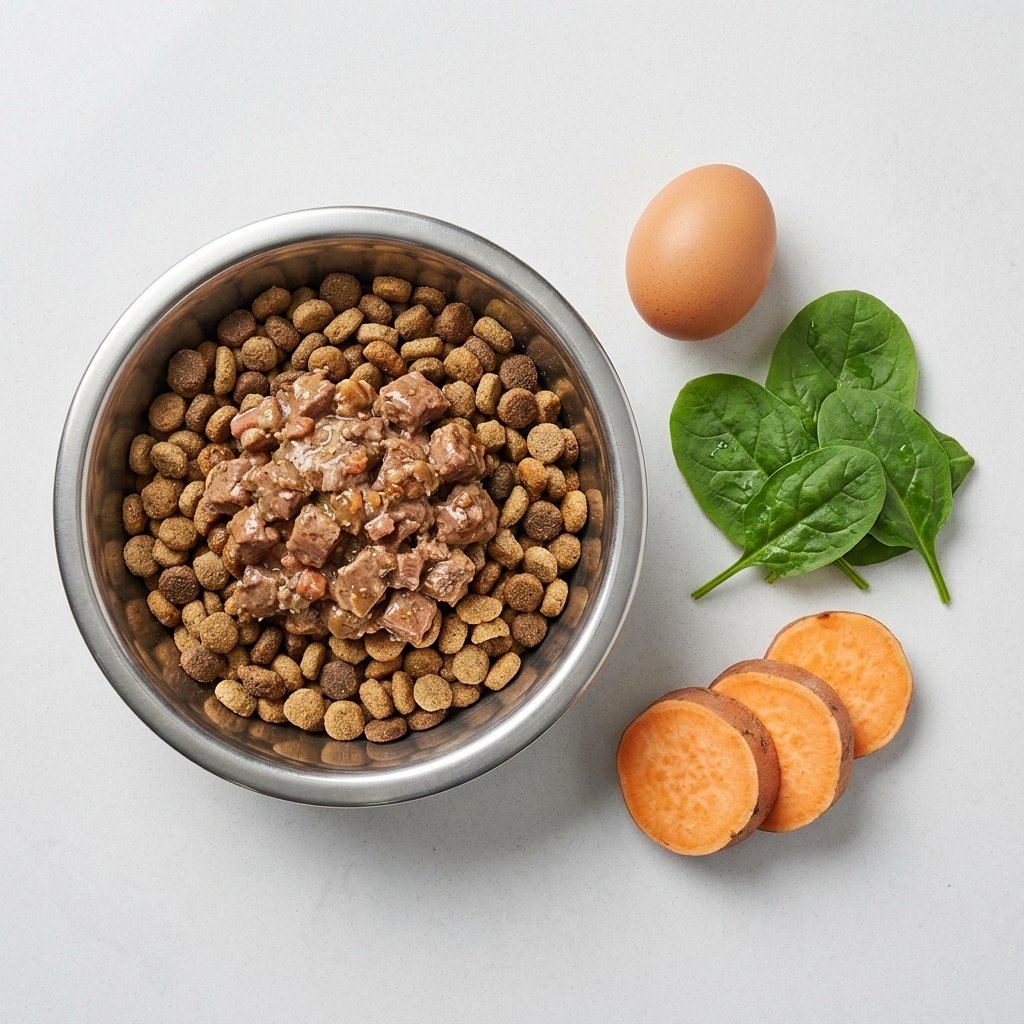
Every pet food, from the cheapest bag to the fanciest fresh-cooked box, is trying to deliver the same short list of things: protein, fat, a bit of carbohydrate, vitamins, minerals, and water. That’s it. No secret ingredient exists.
What changes is the ratio, and that’s where dogs and cats split apart.
Dogs are flexible eaters. They’ve lived alongside people for thousands of years and picked up the ability to digest starches. A good dog diet can include meat, grains, vegetables and some plant ingredients and still work beautifully.
Cats are strict carnivores. They need nutrients that come naturally from animal tissue, like taurine, and they run on protein more than dogs do. Feeding a cat a dog diet, or a vegetarian one, isn’t a lifestyle choice you can make for them. It’s a health risk. If you share your home with a cat, our deeper look at the best food for cats goes into this in more detail.
The One Phrase to Look For
If you only remember one thing from this article, make it this: look for the words “complete and balanced” on the package.
That statement means the food has been formulated, or tested with feeding trials, to meet the nutrient levels that the Association of American Feed Control Officials publishes for each life stage. AAFCO explains how this works on its page about understanding pet food. It won’t tell you the food is the best on the shelf, but it does tell you it won’t leave your pet short on the essentials.
Treats, toppers and some “lickable” snacks usually say they’re for intermittent feeding. That’s fine, as long as you don’t treat them like dinner.
What About the Ingredient List?
Ingredients are listed by weight before cooking, which is a quirk that makes some lists look better than they are. A fresh chicken that’s 70 percent water can sit first on the list while a dried meat meal further down actually contributes more protein once the water is gone.
So don’t obsess over the order. Do this instead:
- Check that a named animal protein appears near the top.
- Skip foods that lean on vague wording like “animal digest” as the only protein story.
- Ignore front-of-bag claims such as “premium,” “holistic” or “ancestral.” None of those words have a legal definition.
If you want a quality check that goes beyond the label, the World Small Animal Veterinary Association has a set of global nutrition guidelines with questions to ask any pet food company, like whether they employ a qualified nutritionist. A brand that answers openly is a good sign. One that dodges is worth noting.
Feeding by Age: Not One Size, Not Even Close
Babies need more than you think
Puppies and kittens are building bones, brains and muscle at a ridiculous speed, so their food is denser in calories, protein and minerals. Use a growth formula and feed small meals several times a day. Large-breed puppies are the exception to the “more is better” rule: they need carefully controlled calcium and calories, because growing too fast can stress their joints. Ask your vet to pick the right food if your puppy will grow up big.
Feeding times also tie in with training. If you’re working on routines with a new pup, our guide to crate training an 8-week-old puppy shows how meal schedules and potty breaks fit together.
Adults are about maintenance
Once growth stops, calorie needs drop, and this is where most weight problems start. Adult food is built for steady upkeep. The main job now is feeding the right amount.
Seniors need a closer look
Older pets often lose muscle, but their energy needs can go down too. Some develop kidney, heart or dental trouble that changes what they should eat. Don’t guess here. A senior pet that suddenly eats far less or far more than usual deserves a vet visit, not just a new brand.
The Portion Problem (Nobody Likes This Part)
Here’s the uncomfortable truth: the most common nutrition problem in pets isn’t a deficiency. It’s too much. Veterinary surveys regularly find that more than half of dogs and cats in the US are overweight or obese, and the extra weight is linked to arthritis, diabetes and a shorter life.
A few habits help more than any fancy food:
- Measure meals. Use a proper measuring cup or, even better, a kitchen scale. A “scoop” can swing by 30 percent depending on who’s holding it.
- Use the body check. You should feel your pet’s ribs under a thin layer of padding, and see a waist from above.
- Count the treats. A common guideline is to keep treats under about 10 percent of daily calories. Training sessions add up quickly, so if you’re running lots of reward-based practice, like the ones in our puppy training guide, take those treats out of the dinner bowl.
- Adjust, don’t just follow the bag. The feeding chart is a starting point. Your pet’s body is the real feedback.
Raw, Fresh, Kibble, Homemade: A Fair Look
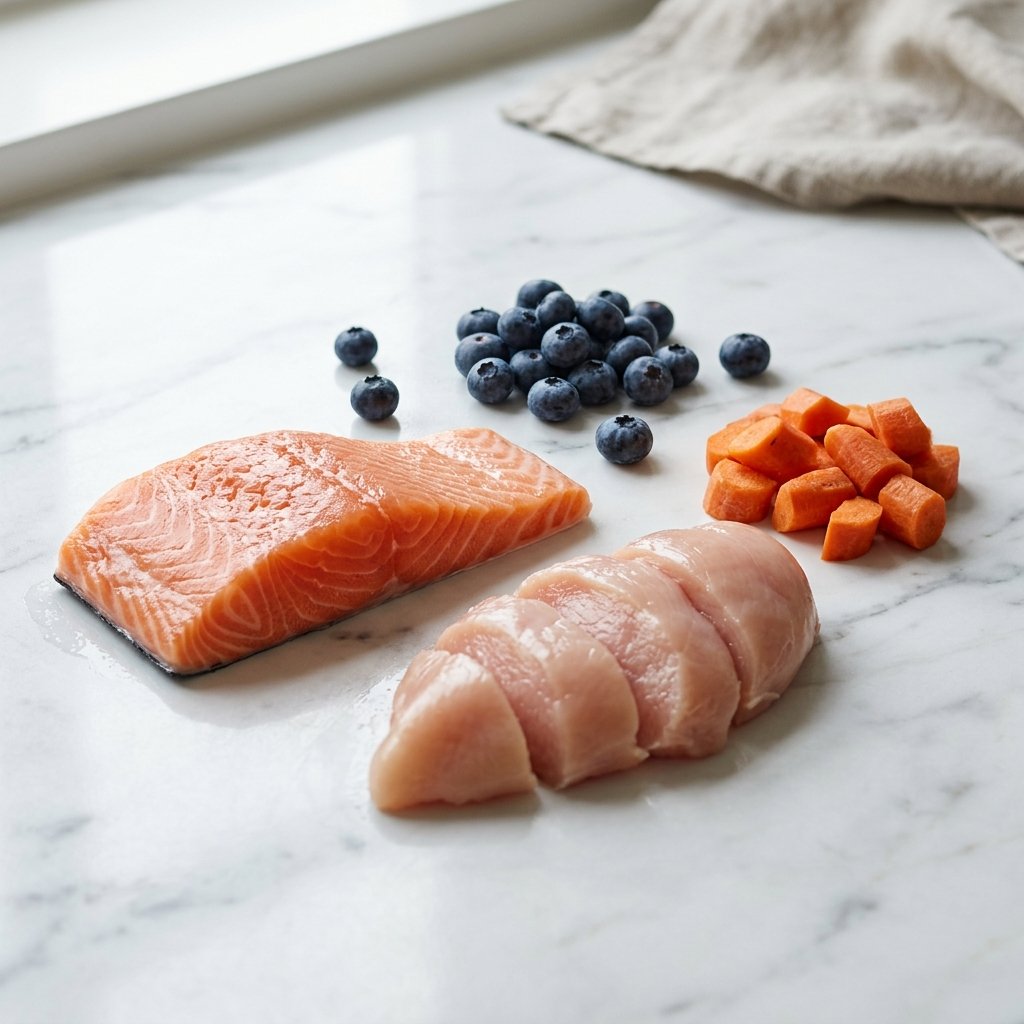
Everyone has a strong opinion on this one, so let’s just lay it out plainly.
Kibble is convenient, affordable, shelf-stable and available in huge variety. A good one is a perfectly solid choice. Its weakness is low moisture and how easy it is to overfeed.
Canned food offers more water and is often higher in protein, which is why many vets like it for cats. It costs more and needs refrigeration once opened.
Fresh-cooked food can be great if it’s formulated to be complete and balanced. Plenty of owners like it for picky eaters. It’s the priciest option.
Raw food has passionate fans, but the risks are real. Raw meat can carry bacteria like Salmonella and Listeria, which can affect pets and the people who handle the food. The American Veterinary Medical Association discourages feeding raw or undercooked animal protein. If you’re set on it, talk to your vet first and take food-safety habits seriously, especially in homes with young kids or anyone with a weak immune system.
Homemade diets are the trickiest of all. Without a recipe written by a board-certified veterinary nutritionist, it’s surprisingly easy to end up short on calcium, taurine or other key nutrients. Love is not a nutrient.
Do Pets Need Supplements?

Most healthy pets eating a complete and balanced food don’t need vitamins or minerals added. In fact, piling supplements on top can tip the balance the wrong way, especially with calcium and vitamin D.
There are exceptions. Omega-3 fatty acids from fish oil are often used for skin, coat and joint support, and some pets with specific conditions benefit from targeted products. The key word is targeted. Ask your vet what, how much and for how long, rather than grabbing whatever has the nicest label.
Foods That Should Stay Off the Floor
Some everyday foods are risky for pets. The worst offenders include chocolate, grapes and raisins, onions and garlic, alcohol, macadamia nuts (for dogs), and anything containing xylitol, a sweetener found in some peanut butters, gum and baked goods. Cooked bones can splinter and cause injuries.
The ASPCA keeps a clear list of people foods to avoid feeding your pets. Save it somewhere you’ll find it in a hurry, and call your vet or an animal poison hotline right away if your pet eats something suspicious. Don’t wait for symptoms.
Changing Foods Without Wrecking Their Stomach
Pets have sensitive guts. Swap their food overnight and you may get diarrhea, vomiting or a very unimpressed cat. Mix the new food in gradually over 7 to 10 days, starting with about a quarter new food and increasing every few days.
If your cat turns up their nose and your instinct is to wait it out, don’t. Cats that stop eating for more than a day or so can develop serious liver problems, so call your vet. Sudden changes in appetite can also show up as behavior changes, like the pushy mealtime yelling we discuss in why your cat meows so much.
Where to Keep Learning
Pet nutrition research moves fast, and a lot of internet advice doesn’t keep up. For clear, evidence-based reading, the Tufts University Petfoodology blog is run by veterinary nutritionists and is written for regular pet owners. It’s a good place to sanity-check anything that sounds too dramatic.
Quick Answers
Is grain-free food healthier for dogs?
Not automatically. Real grain allergies are uncommon, and some grain-free diets have been investigated in connection with a heart condition in dogs. If you’re thinking about going grain-free, talk to your vet first.
How often should I feed my pet?
Most adult dogs and cats do well with two measured meals a day. Puppies and kittens need three or four smaller ones.
Can I feed my cat dog food, or the other way around?
Occasional nibbles won’t hurt, but neither is a good long-term substitute. Dog food lacks what cats need, and cat food is often too rich for dogs.
What’s the single best thing I can do for my pet’s diet?
Pick a complete and balanced food that suits their age, measure the portions, and keep an eye on their weight. That covers about 90 percent of it.
The Bottom Line
You don’t need a perfect diet. You need a sensible one. Choose a food that says complete and balanced, match it to your pet’s life stage, measure what goes in the bowl, and check in with your vet when something changes. Skip the guilt, skip the food wars, and spend that energy on the walk or the play session afterwards.
This article is for general information only and doesn’t replace advice from your veterinarian, especially if your pet has a health condition.



Discussion 0 comments
Share your thoughts — every perspective adds value.