

Every dog owner knows the moment. Your dog comes back from the park wearing half of it. Or maybe there’s no obvious disaster, just a vague, slightly funky smell hanging around the couch. And you wonder: is it bath time?
The question how often should you bathe a dog comes up all the time, and there’s a lot of conflicting advice. Some people swear by a weekly scrub, others say never. The truth sits in the middle. It depends on your dog’s coat, lifestyle and skin, and getting it right makes a real difference to their comfort.
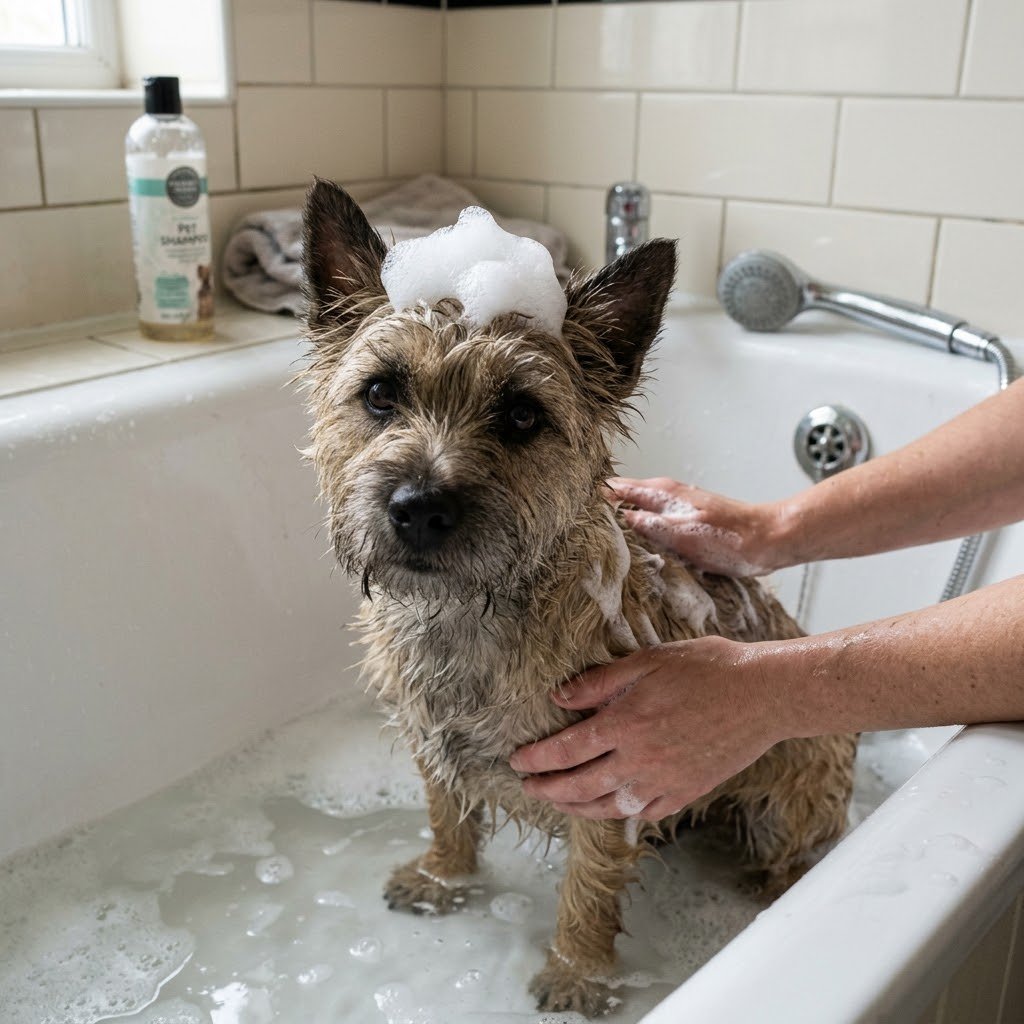
How Often Should You Bathe a Dog? The Short Answer
For a typical healthy dog, a bath every four to eight weeks is a good general guide. Some dogs need more, and plenty need less. There’s no single perfect schedule.
If your dog doesn’t smell, isn’t visibly dirty and isn’t itchy, you probably don’t need to bathe them more often than every couple of months. Dogs have natural oils in their skin and coat that protect and condition them, and over-washing can strip those oils away.
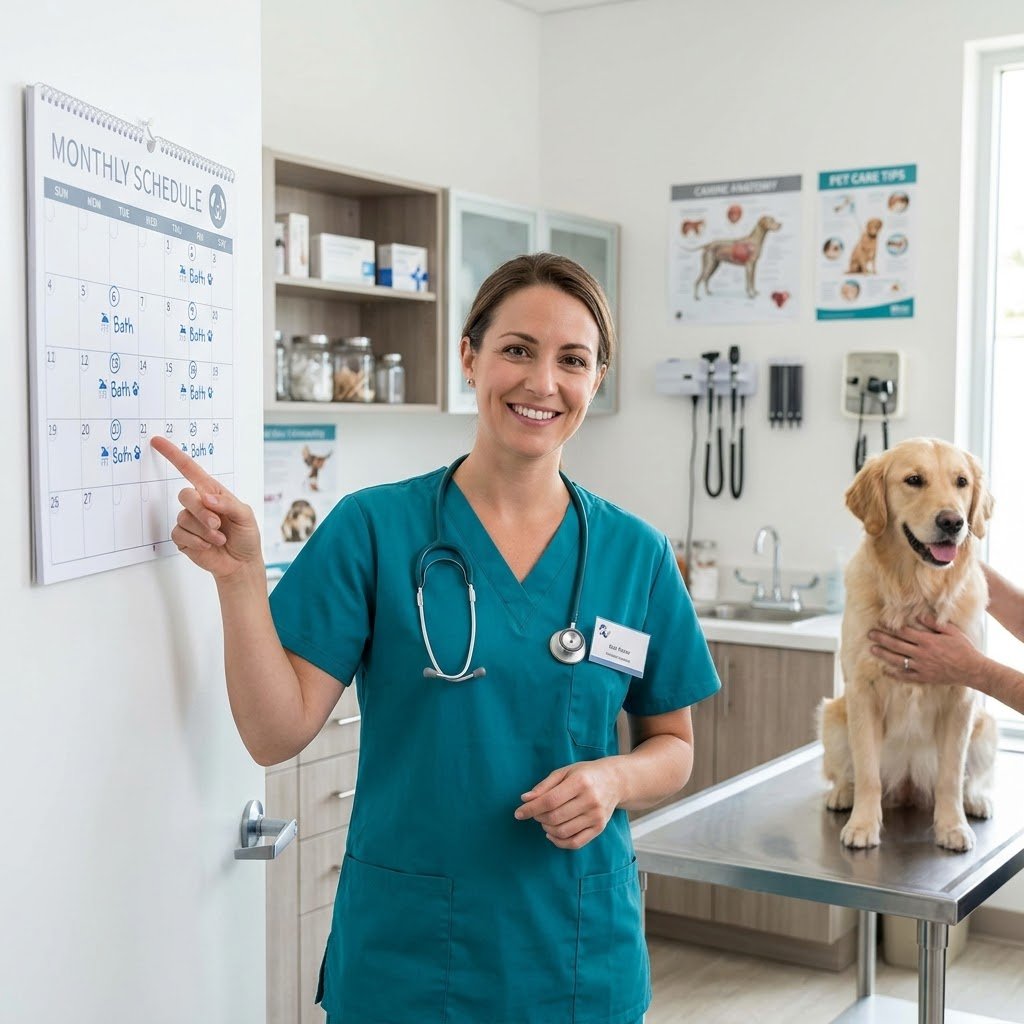
What Affects How Often You Should Bathe Your Dog?
Coat type
Coat is one of the biggest factors in how often you should bathe a dog:
- Short, smooth coats (like beagles or boxers): often fine every one to two months, or when dirty.
- Double coats (like golden retrievers, huskies and Labradors): usually every two to three months. Regular brushing does more for these coats than frequent baths.
- Long or curly coats (like poodles, shih tzus and doodles): about every three to six weeks, along with regular grooming to prevent mats.
- Wrinkly breeds (like bulldogs and pugs): may need more careful skin-fold cleaning, but ask your vet how often to bathe.
- Hairless breeds: often need regular washing because their skin collects oils directly, but a vet or groomer can advise on the best routine.
Lifestyle and activity
A dog who rolls in mud, swims in ponds or hikes every weekend will naturally need more baths than a couch-loving lapdog. A quick rinse after dirty adventures is often enough, without a full shampoo each time.
Skin conditions and allergies
Dogs with skin issues, allergies or infections may need more frequent medicated baths, sometimes weekly, but only on a vet’s advice. Don’t guess here, because the wrong shampoo or schedule can make things worse. The American College of Veterinary Dermatology has good information on skin health in pets.
Age
Puppies shouldn’t be bathed until they’re at least a few weeks old, usually around eight weeks, and only with a gentle puppy shampoo, warm water and a quick, calm routine. Senior dogs with sensitive skin or stiff joints may need shorter, gentler baths, and extra help getting in and out of the tub.
Signs It’s Time for a Bath
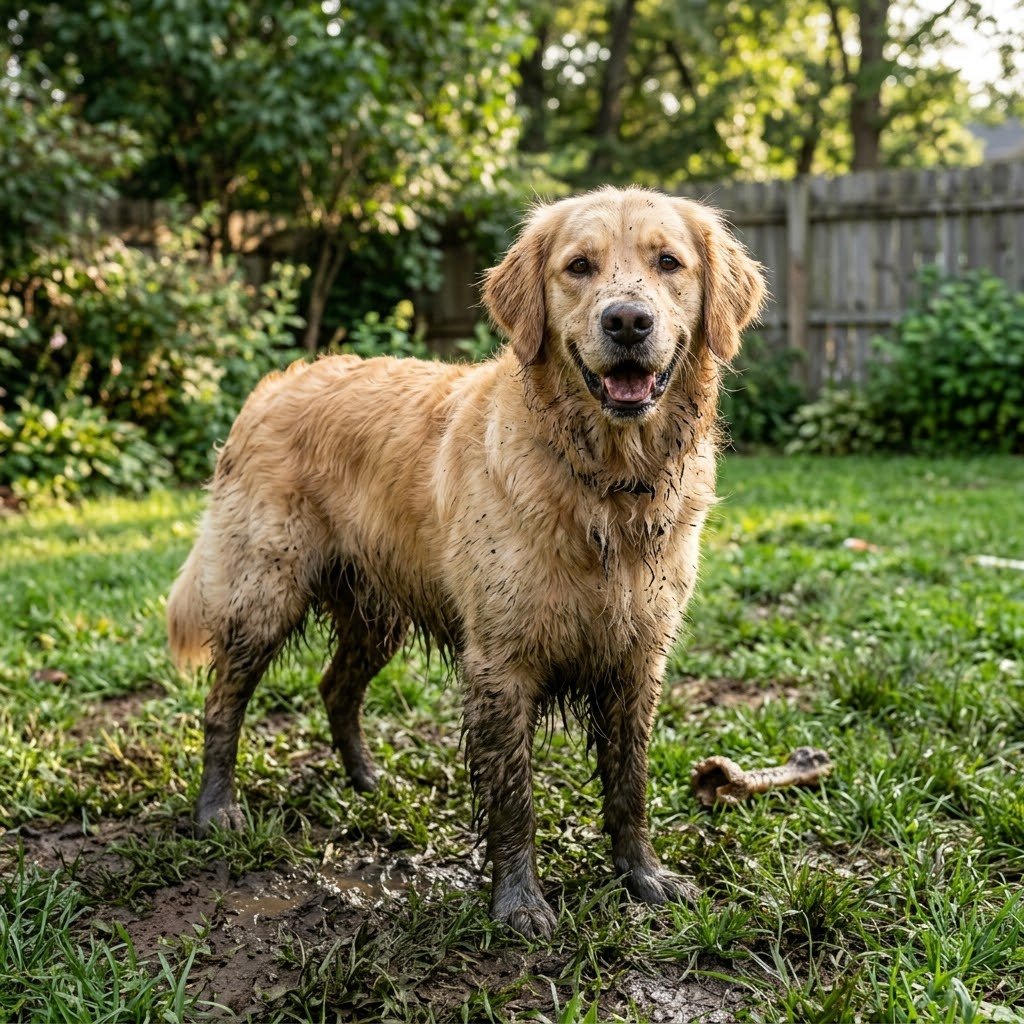
Instead of following a calendar, trust your eyes and nose. A bath is probably due if your dog:
- Is visibly dirty, muddy or covered in something sticky
- Smells unpleasant, even after brushing
- Has a greasy or dull coat
- Has rolled in something stinky
- Has been swimming in a pond or the sea and the coat feels gritty or smelly
On the other hand, if your dog is scratching constantly, has red or flaky skin, hot spots, bald patches or a persistent odor, don’t just assume a bath will fix it. Those can be signs of allergies, infection or parasites, and they need a vet visit.
What Happens If You Bathe Your Dog Too Often?
This is the most common mistake. Frequent bathing, especially with harsh shampoos, can lead to:
- Dry, flaky or itchy skin
- A dull, brittle coat
- Irritation and even skin infections, since a damaged skin barrier is less protective
- Loss of the natural oils that keep skin healthy
If you notice your dog is itchier after baths, or has a flaky coat, you may be washing too often or using the wrong product.
What Happens If You Don’t Bathe Your Dog Enough?
Going too long between baths isn’t ideal either. It can cause:
- Strong odors from dirt and oil buildup
- Matted fur, especially in long-haired dogs
- Skin problems from trapped dirt, bacteria or yeast
- Missed opportunities to check for lumps, ticks or fleas
It’s about balance. A good routine includes brushing, regular checks and baths as needed.
Choosing the Right Dog Shampoo
Dog skin has a different pH from human skin, so human shampoo isn’t a good idea for regular use. It can leave your dog dry and itchy. Choose a shampoo made for dogs, and look for gentle, soap-free or oatmeal-based formulas if your dog has sensitive skin. If your dog has a skin condition, ask your vet which product to use.
Avoid dish soap, except in rare cases where a vet advises it, and never use products with strong fragrances or essential oils without checking first, since some can be harmful to dogs.
How to Bathe a Dog Step by Step
- Brush first. Remove loose hair and tangles. Wet mats get tighter and harder to remove.
- Use lukewarm water. Not hot, not cold. Test it on your wrist.
- Wet the coat thoroughly, starting at the neck and working back. Keep water out of the ears, eyes and nose.
- Apply shampoo and gently massage it in, working from neck to tail. Wash the face with a damp cloth instead of pouring water over the head.
- Rinse very well. Leftover shampoo is a top cause of itchy skin. Keep rinsing until the water runs clear.
- Towel dry, then use a dryer on a low, cool or warm setting if your dog tolerates it. Keep it moving and never hold it too close to the skin.
- Reward your dog. A treat and a bit of praise make the next bath easier.
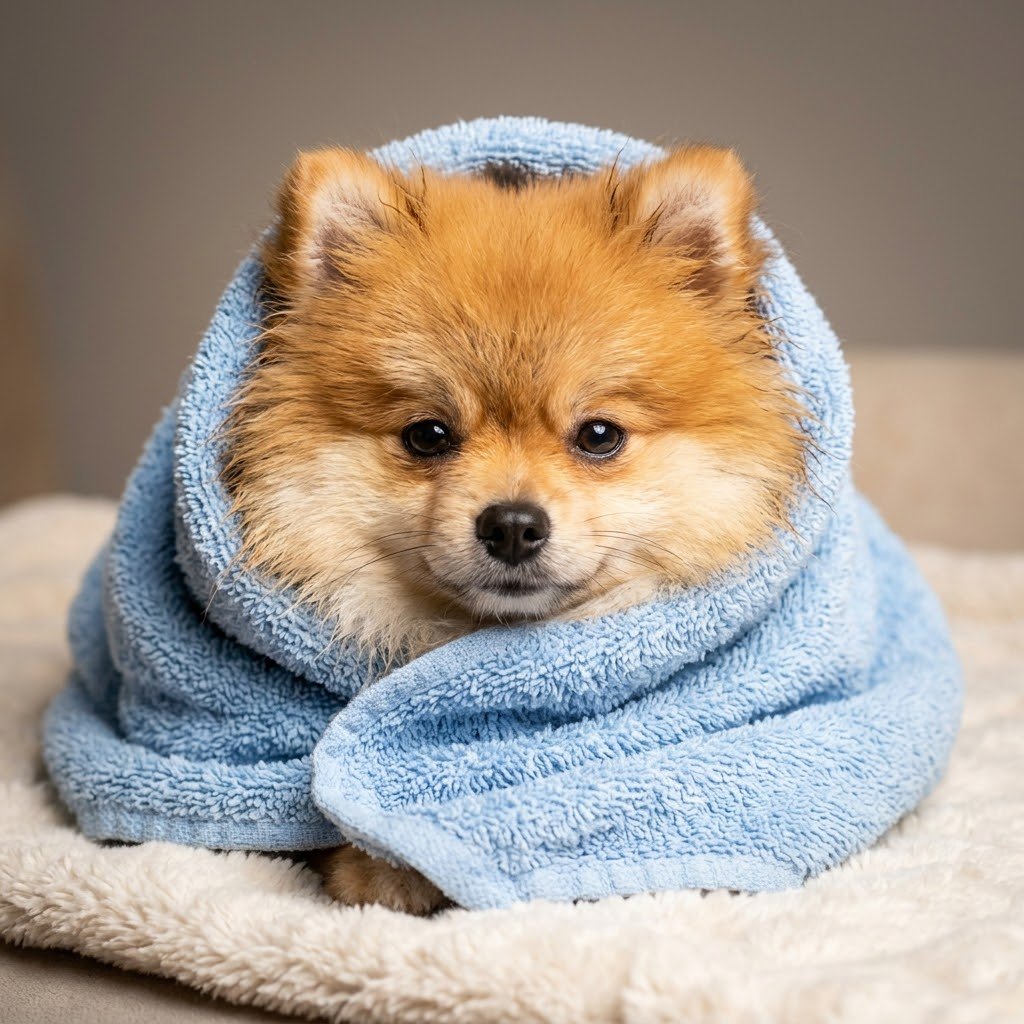
What If My Dog Hates Baths?
Plenty of dogs do. The good news is that bath time can be made more pleasant with some positive training:
- Use a non-slip mat so your dog feels secure.
- Smear peanut butter (xylitol-free) or a lick mat on the wall to keep them busy.
- Start with short sessions, just getting your dog into the tub and rewarding them.
- Keep the water warm and your voice calm.
Our guide to positive reinforcement dog training shows how to build good associations, and our puppy training guide includes tips for introducing grooming early, so it never feels scary.
Keeping Your Dog Fresh Between Baths
To stretch the time between full baths, try:
- Regular brushing to spread natural oils and remove dirt
- Wiping paws and belly after muddy walks
- Dog-safe wipes or a damp cloth for quick clean-ups
- Washing their bedding weekly
- Dental care and ear checks, since bad breath and smelly ears are often mistaken for “dog smell”
Good food also supports a healthy coat. Our pet nutrition guide covers how diet affects skin and coat health.
Professional Grooming: When It Helps
A groomer can handle baths, haircuts, nail trims and deshedding, which is handy for big dogs, long coats or owners who don’t have the space. If you plan to use one, ask about their handling methods and choose someone your dog is comfortable with. The ASPCA’s dog care pages and the AVMA’s pet owner resources are useful for general guidance.
For a broader routine, see our guides to healthy habits for pets and pet care tips for beginners, which cover brushing, nail trims and regular check-ups.
Special Situations
After swimming
A rinse with fresh water helps remove chlorine, salt or pond gunk. A full shampoo isn’t always needed.
After skunk or strong smells
Standard baths often don’t cut it. Ask your vet or pet store about a product made for skunk odor, and avoid contact with the eyes.
With flea or tick treatments
Some topical treatments need a gap before and after bathing, so check the label or ask your vet.
For indoor lap dogs
Dogs who rarely go out may only need a bath every two to three months, or when they get dirty.
Quick Answers
How often should you bathe a dog with normal skin?
About once every four to eight weeks for most dogs, depending on coat and lifestyle. Some dogs do fine with even fewer baths.
Can you bathe a dog once a week?
Only if your vet recommends it, usually for a medical skin condition. For healthy dogs, weekly baths can dry out the skin.
How often should you bathe a puppy?
Not often. Wait until they’re at least about eight weeks old and bathe only when needed, with a puppy-safe shampoo and warm water.
Can I use human shampoo on my dog?
It’s best not to. Dog skin has a different pH, and human products can cause dryness and irritation. Use a shampoo made for dogs.
How can I tell if my dog needs a bath?
If they look dirty, smell bad or have a greasy coat, it’s probably time. Itching or flaky skin could be a medical issue, so talk to your vet.
Do double-coated dogs need baths?
Yes, but not often. Regular brushing is more important, and shaving a double coat usually isn’t recommended.
The Bottom Line
When people ask how often should you bathe a dog, the honest answer is “as often as they need it, and no more.” For most dogs, that’s roughly every month or two, with brushing and quick wipe-downs in between. Watch your dog’s skin, coat and smell, use a dog-specific shampoo and check in with your vet if anything seems off. A clean dog is great, but a comfortable, healthy dog is even better.
If your dog has itchy, red or flaky skin, hot spots or a persistent odor, speak with your veterinarian before changing your bathing routine.

Discussion 0 comments
Share your thoughts — every perspective adds value.