

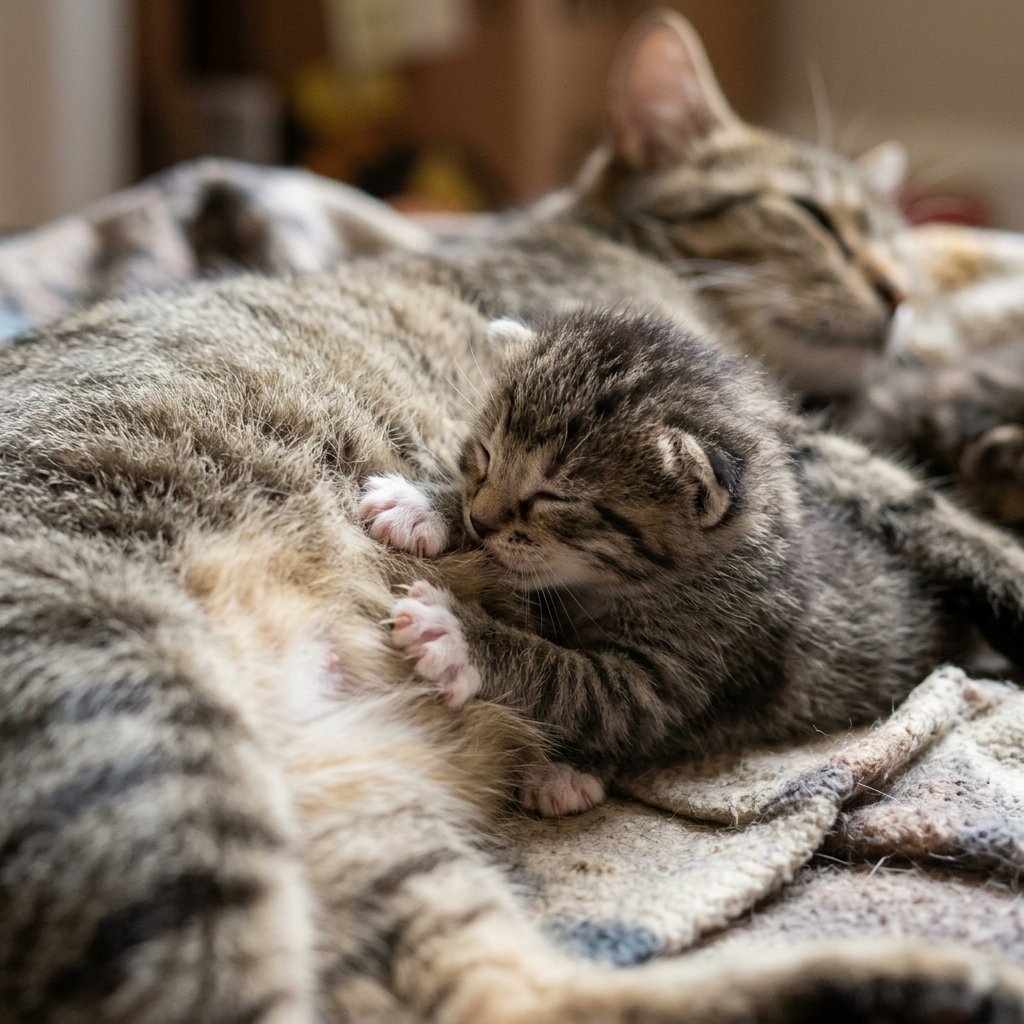
It’s one of the most endearing, and slightly puzzling, things a cat can do. Your adult cat settles onto a soft blanket, kneads it with both paws, then starts to suck or nibble on a corner, sometimes with a soft, rhythmic purr. They look completely lost in another world. It’s sweet. It’s also a bit strange, because your cat is not a kitten anymore.
If you’ve been wondering why does my cat suckle blankets, you’re in good company. For most cats, it’s a harmless comfort habit. But in some cases, especially when it involves chewing or eating fabric, it can signal stress or a health issue. Let’s look at the reasons, the difference between cute and concerning, and what you can do.
Why Does My Cat Suckle Blankets? It Starts in Kittenhood
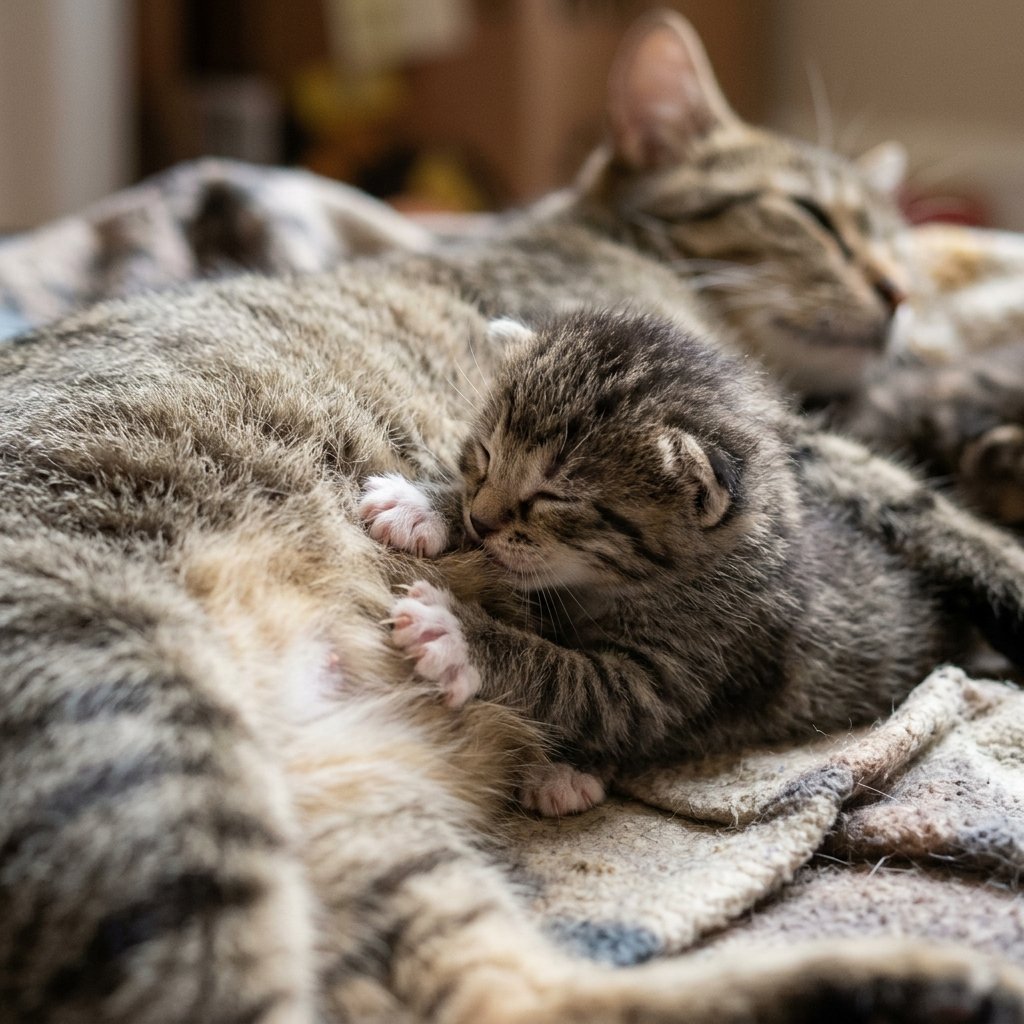
To understand suckling, it helps to rewind to a cat’s first weeks of life. Newborn kittens nurse for food and comfort. While feeding, they knead their mother’s belly with their paws, which stimulates milk flow, and they suckle while feeling warm, safe and cared for.
Those feelings stick with them. For many adult cats, a soft, warm blanket brings back the same sense of security, and the old kitten behavior returns. If you’d like the full story on the paws-pushing side of this habit, see our post on why your cat kneads you. This article focuses on the sucking and nibbling part, and what it means.
8 Reasons Your Cat Might Suckle or Nibble Blankets
1. Comfort and contentment
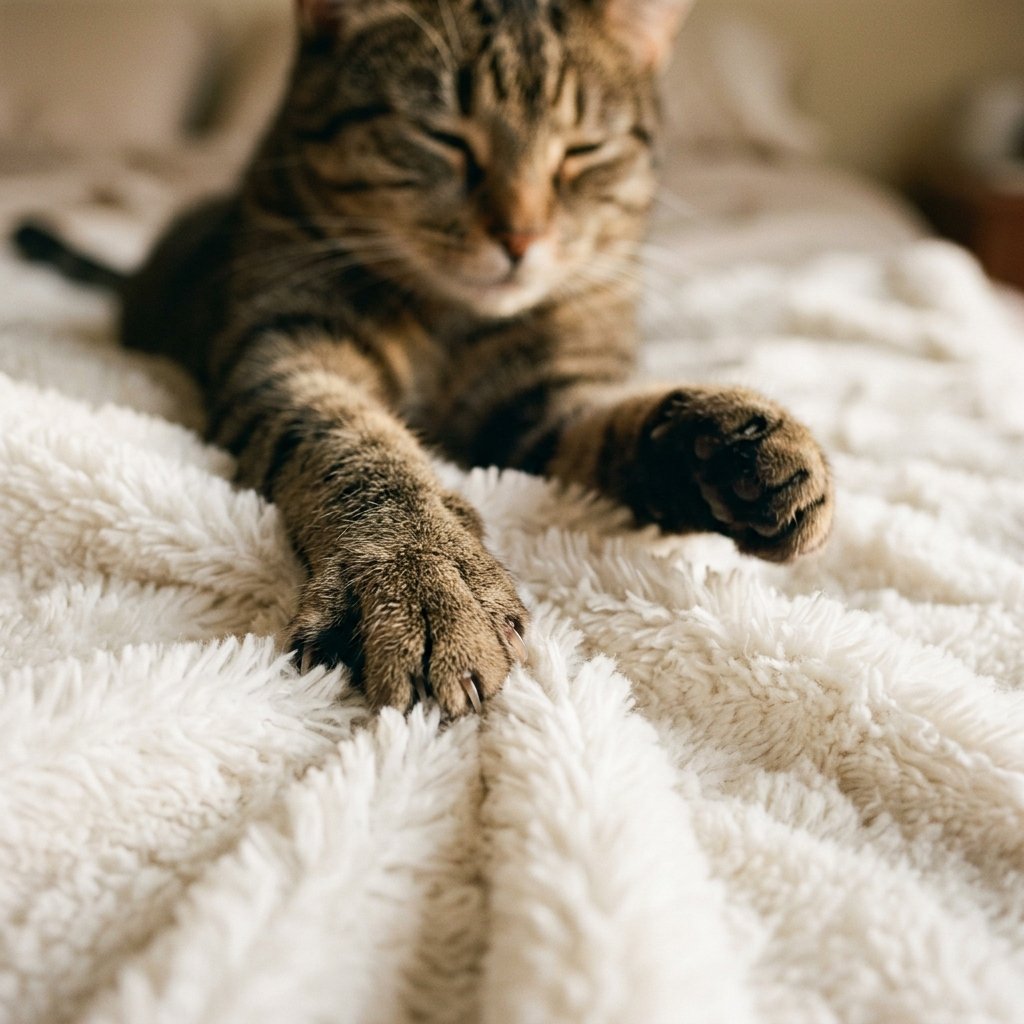
Most of the time, suckling is simply a sign your cat feels relaxed and happy. It often happens when they’re about to nap or are settled on your lap. The cat may purr, half-close their eyes and even drool a little. It’s the feline equivalent of a warm bath and a good book.
2. A leftover kitten habit
Some cats keep the behavior long after kittenhood. It’s especially common in cats who were weaned early, orphaned or hand-raised. Without enough time to nurse naturally, they may seek out the comfort of sucking behavior later in life.
3. Stress or anxiety
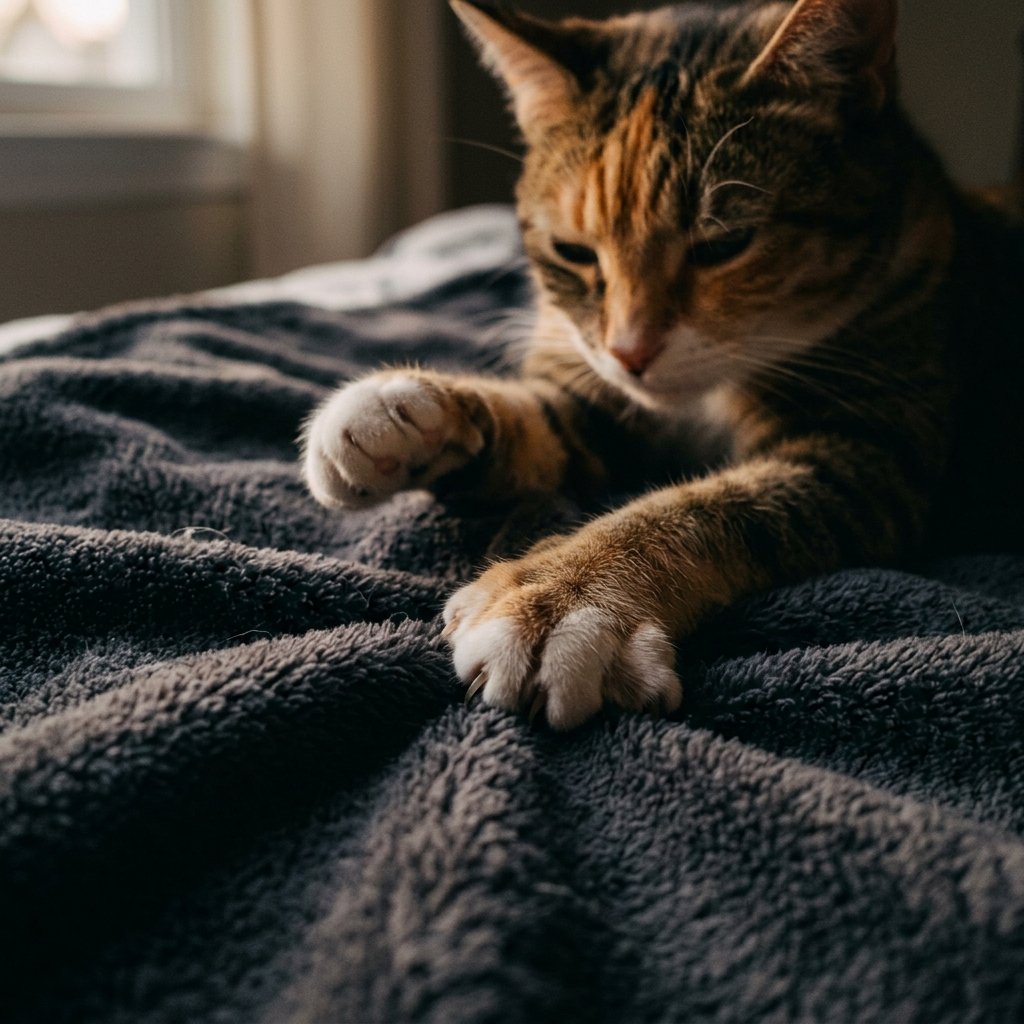
Suckling can be a self-soothing behavior, much like a child sucking their thumb. If it increases after a move, a new pet, a change in routine or a stressful event, anxiety may be part of the picture. Watch for other stress signs, such as hiding, over-grooming, changes in appetite or litter box problems. Our post on why your cat hides goes into how stress shows up in cats.
4. Boredom or too little stimulation
A cat with nothing to do may turn to repetitive comfort behaviors. Indoor cats in particular need play, climbing and mental challenges to burn off energy. If suckling happens a lot, it may be a sign your cat needs more enrichment.
5. The texture and smell of the fabric
Some cats are drawn to certain materials. Wool, fleece, cotton and soft knits are common favorites. Fabrics that smell like you, or like lanolin in wool, can be especially attractive. This is often called wool sucking, and it’s more common than you’d think.
6. Breed and genetics
Wool sucking and fabric chewing appear more often in Oriental breeds such as Siamese, Burmese and related cats. That suggests a genetic tendency in some cats. It doesn’t mean there’s something wrong, but those cats may need extra attention to prevent problems.
7. A sign of pica (eating non-food items)
When a cat goes beyond sucking and starts chewing and swallowing fabric, that’s a form of pica. This can come from stress, boredom, genetics, dental pain or sometimes medical problems. Swallowed fabric can cause serious blockages, so this one needs attention, not just patience.
8. Medical or dental issues
Occasionally, increased sucking or chewing on fabric can be linked to dental discomfort, nutritional deficiencies or gastrointestinal problems. If the behavior is new, sudden or intense, a vet visit is wise. The Cornell Feline Health Center has good information on feline health.
Cute vs. Concerning: How to Tell the Difference
Usually harmless
- Gentle suckling or kneading while relaxed or sleepy
- Soft purring, slow blinking and a calm body
- Happens occasionally, not obsessively
- Your cat can easily be distracted from it
Possible cause for concern
- Chewing and swallowing pieces of fabric, wool or thread
- Holes in your blankets or clothes
- Obsessive, hard-to-interrupt sucking for long periods
- New or sudden onset of the habit
- Vomiting, loss of appetite, diarrhea or constipation
- Signs of stress, such as hiding, over-grooming or aggression
If your cat is eating fabric or showing signs of digestive upset, contact your vet promptly. Swallowed strings, threads and fabric can cause a life-threatening intestinal obstruction.
Wool Sucking and Fabric Chewing: Why It Matters
Wool sucking is a form of oral fixation. For many cats it’s just a quirk, but for others it escalates into chewing and swallowing wool or fabric. The risks include:
- Intestinal blockages, which often need surgery
- Dental damage from tugging and chewing
- Chemical exposure from detergents, dyes and treatments in fabrics
- Destroyed belongings, from your favorite sweater to your couch
If your cat is chewing or swallowing fabric, treat it as a health and safety issue and speak with your vet.
What to Do If Your Cat Suckles Blankets
If it’s just gentle comfort suckling
Often, no action is needed. Provide a clean, soft blanket just for your cat, supervise if they like to nibble and enjoy the cuteness. Wash it regularly with a gentle, fragrance-free detergent. Check it often for loose threads and holes, and replace it when it wears out.
Offer safe alternatives
Soft plush toys sized for cats, designed chew toys and blankets without loose threads can all give your cat an outlet. Avoid wool, string and anything that can be shredded into swallowable pieces.
Increase play and enrichment
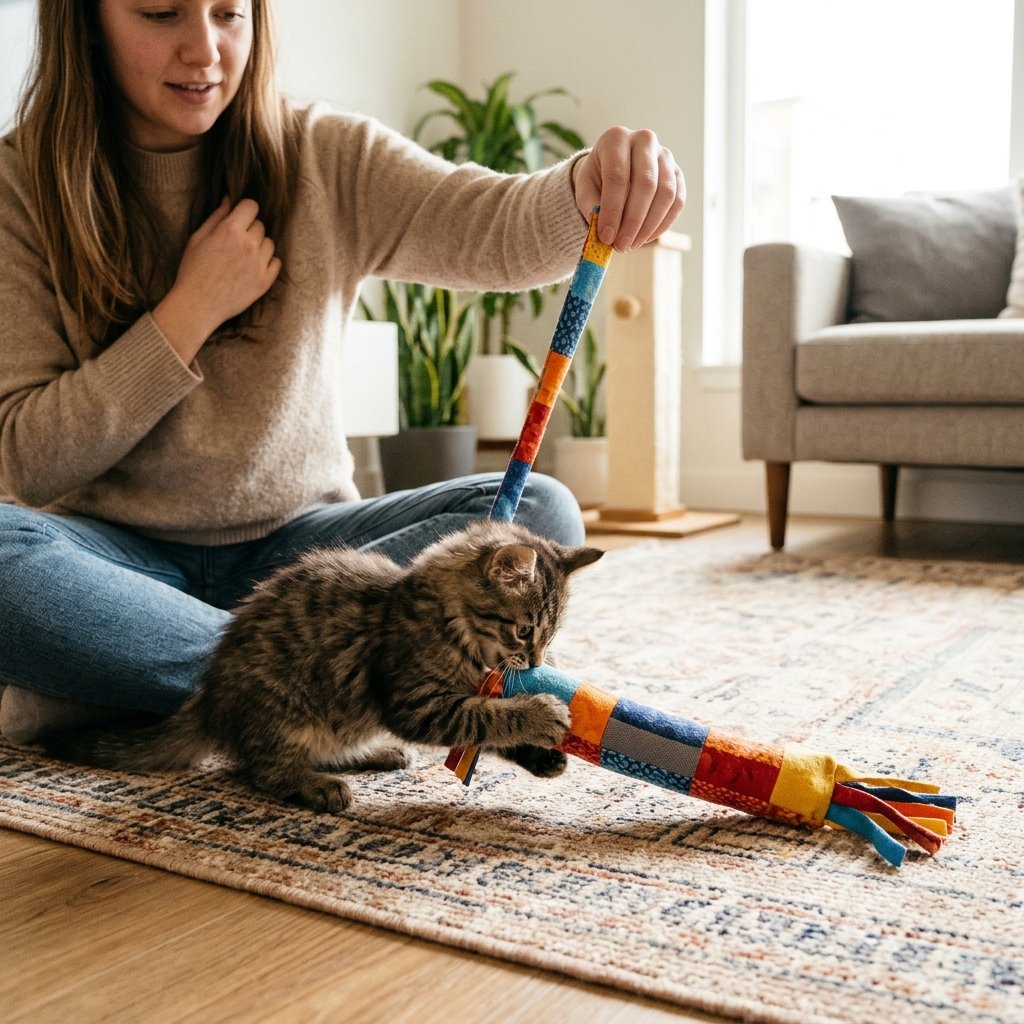
Short play sessions with a wand toy, puzzle feeders, climbing structures and window perches all burn energy and reduce boredom. Aim for at least two play sessions a day. For simple routines, see our guide to healthy habits for pets.
Reduce stress
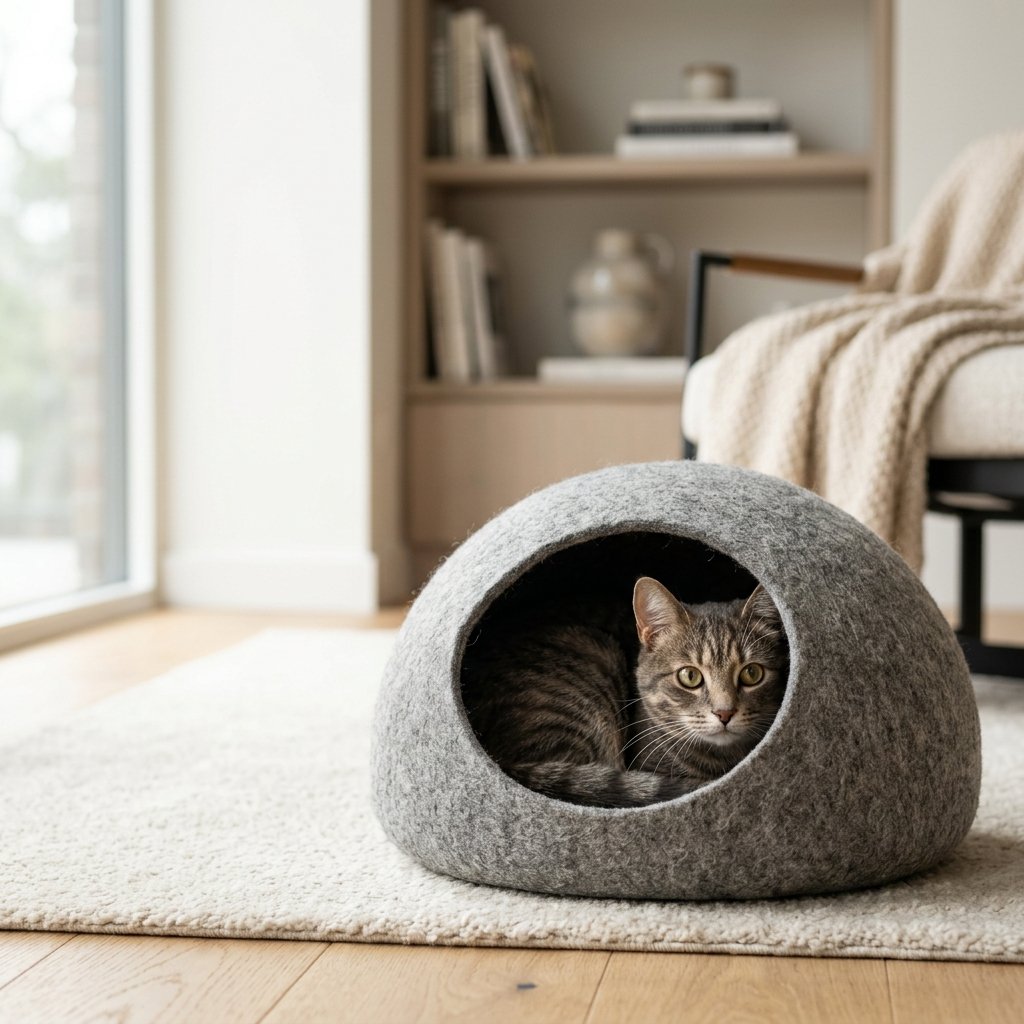
Keep routines predictable, provide hiding spots and perches, and give your cat quiet places to retreat. Some owners find pheromone diffusers helpful, though evidence is mixed. If you’ve recently adopted a cat, our pet care tips for beginners explains how to help a new pet settle in.
Check the diet
A balanced, complete cat food supports overall health, and some vets recommend checking diet if a cat is chewing non-food items. Our guide to the best food for cats can help you choose, but always ask your vet before changing your cat’s diet or adding supplements.
Don’t punish
Punishing a cat for suckling or chewing increases stress and can make the behavior worse. Redirect gently and focus on meeting your cat’s needs.
Put tempting fabrics out of reach
If your cat is a wool or fabric chewer, store wool sweaters, blankets and clothes in closed drawers or cupboards. Remove strings, cords and anything loose. Prevention is simpler than treatment.
See your vet or a behaviorist
If the behavior is intense, compulsive or involves swallowing fabric, ask your vet for a check-up to rule out medical causes and discuss behavior strategies. In some cases, a veterinary behaviorist can help. Cat Friendly Practices are clinics trained in gentle cat care.
Is Suckling a Sign Your Cat Is Unhappy?
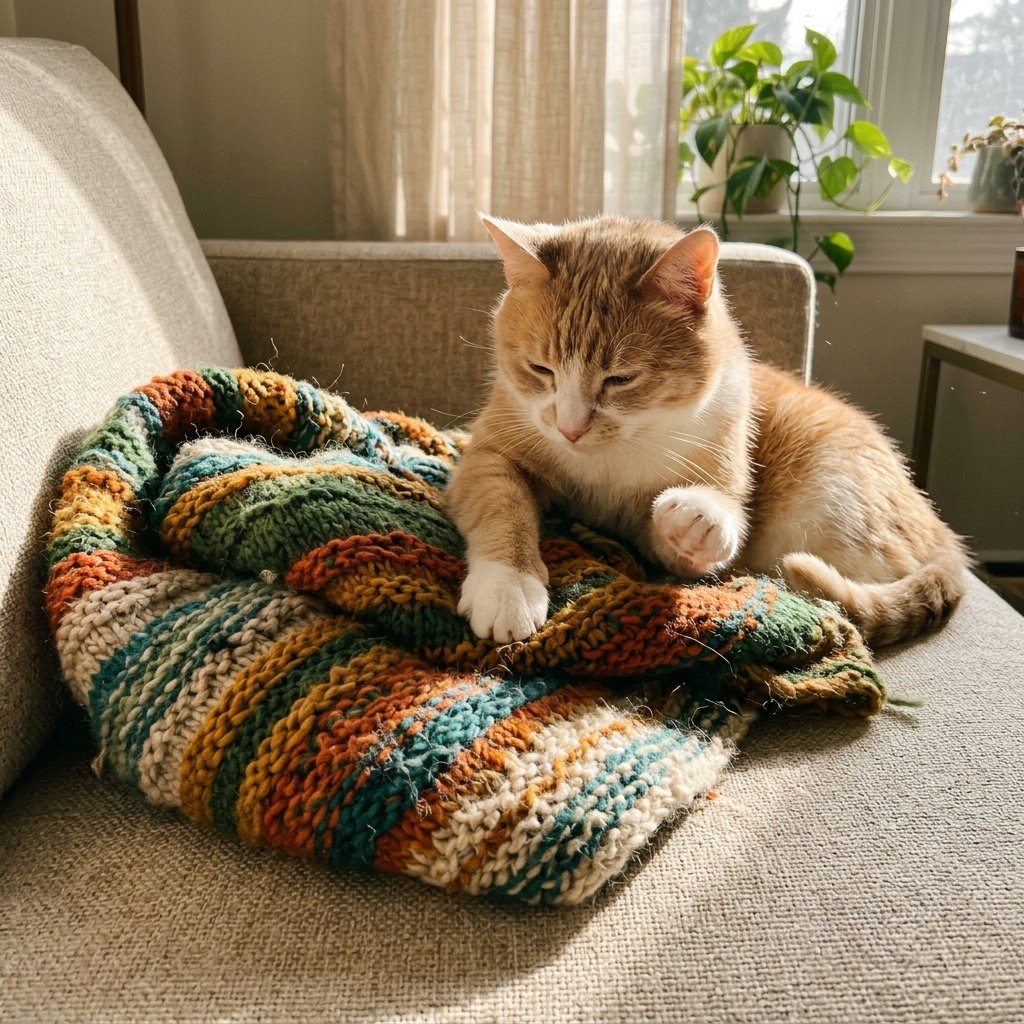
Not usually. In most cases, a cat who suckles blankets feels safe and comfortable. It’s often paired with purring, kneading and sleepiness. If your cat seems otherwise happy, plays, eats, uses the litter box normally and enjoys your company, you probably don’t need to worry. For more on what purring means, see our guide to why your cat purrs, and if your cat likes to settle on you, you might enjoy why your cat sleeps on you.
For more reading, International Cat Care and the ASPCA’s cat care pages are trustworthy resources.
Quick Answers
Why does my cat suckle blankets?
Usually because it feels comforting and brings back kitten memories of nursing. It can also be linked to stress, boredom, breed tendencies or, occasionally, medical issues.
Is it normal for an adult cat to suck on blankets?
Yes. Many adult cats do, especially if they were weaned early. It’s usually harmless as long as they’re not swallowing fabric.
Why does my cat suckle blankets and knead at the same time?
Kneading and suckling go together in kittens. Adult cats often repeat both when they’re feeling safe and relaxed.
Why does my cat chew wool?
It may be due to texture, lanolin smell, stress, boredom or genetics. If your cat swallows wool, see your vet.
Should I stop my cat from suckling blankets?
Not if it’s occasional and harmless. Do act if your cat is chewing or swallowing fabric, or if the behavior seems compulsive or stress-related.
When should I see a vet?
If your cat is swallowing fabric, vomiting, losing appetite, has diarrhea or constipation, or if the behavior is sudden or intense.
The Bottom Line
So, why does my cat suckle blankets? Most of the time, it’s a leftover kitten comfort habit that signals contentment and safety. But if the sucking turns to chewing or swallowing fabric, or comes with signs of stress or illness, it’s worth taking seriously. Provide safe soft bedding, plenty of play and enrichment, and keep an eye on the habit. When in doubt, ask your vet.
If your cat is swallowing fabric, vomiting or showing signs of digestive upset, contact your veterinarian right away.


Discussion 0 comments
Share your thoughts — every perspective adds value.