

Most people start dog training with enthusiasm and a pocket full of treats. Three days later, they’ve tried to teach sit, down, stay, come, heel and roll over in the same afternoon, and the dog is just confused and a little bit sticky.
The secret to learning basic dog commands isn’t doing more. It’s doing less, in the right order. This guide gives you a simple four-week plan, one skill at a time, so you can build a well-mannered dog without losing your patience (or your weekends).
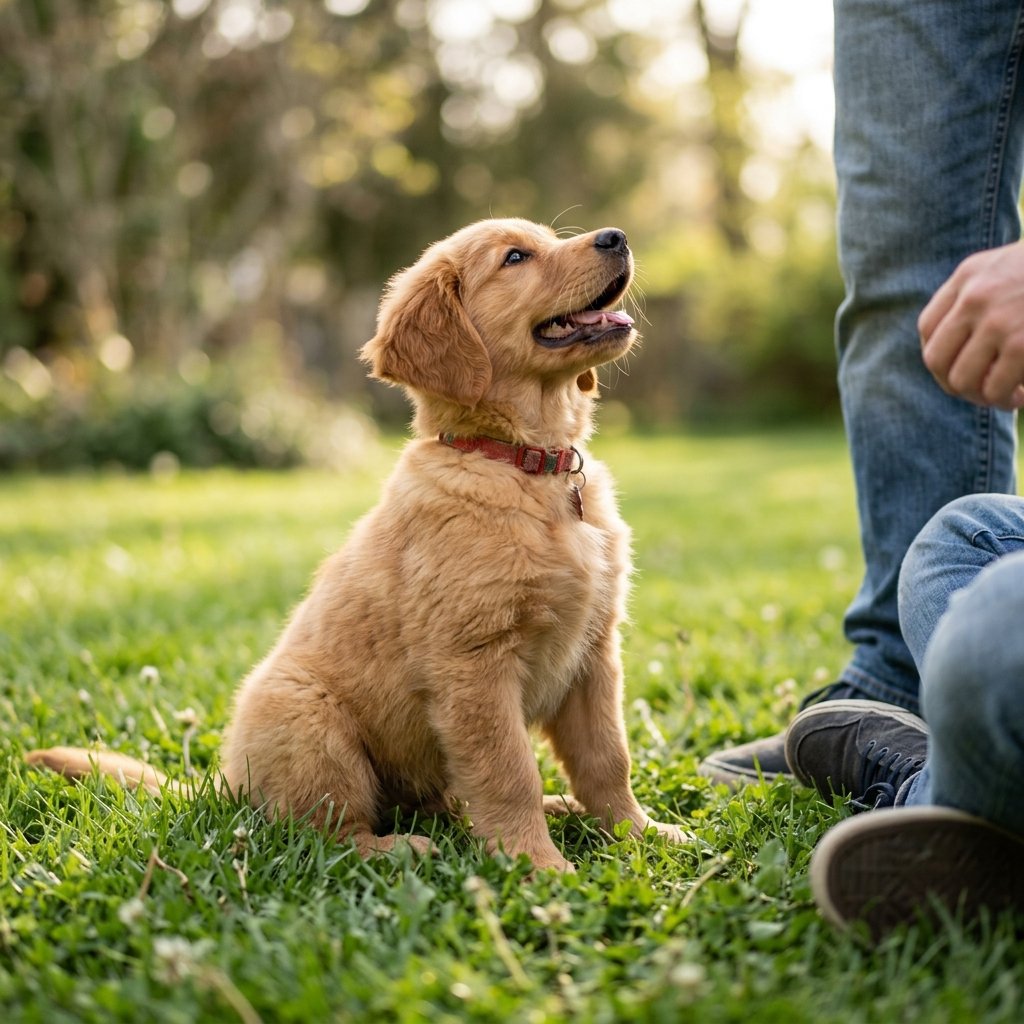
Why Basic Commands Matter
Commands aren’t about control for the sake of control. They’re a shared language. A dog who knows what “sit,” “come” and “leave it” mean is safer, calmer and easier to live with. They can wait at the door instead of bolting, drop a sock instead of swallowing it, and come back when you call at the park.
Training is also mental exercise. Dogs who get regular brain work tend to be less bored and destructive. If your dog is already chewing the furniture, our post on why your dog chews everything shows how training and enrichment connect.
For a quick overview of the ten most useful cues, see our earlier guide to basic dog commands every owner should teach. What follows here is a more detailed, week-by-week plan to actually teach them.
The Ground Rules (Read This Before Anything Else)
- Keep sessions short. Five minutes, two or three times a day, beats one long session. Dogs, especially puppies, tire out quickly.
- Use small, tasty treats. Pea-sized and soft. Take them out of your dog’s daily food so you’re not overfeeding.
- Mark the moment. Say “yes” the instant your dog does the right thing, then give the treat. Timing is everything.
- Use one cue word per command. Don’t say “sit, sit, sit down, siiit.” Say it once, wait.
- Get everyone on the same page. If one person says “down” for lying down and another uses it for “get off the couch,” your dog will be baffled.
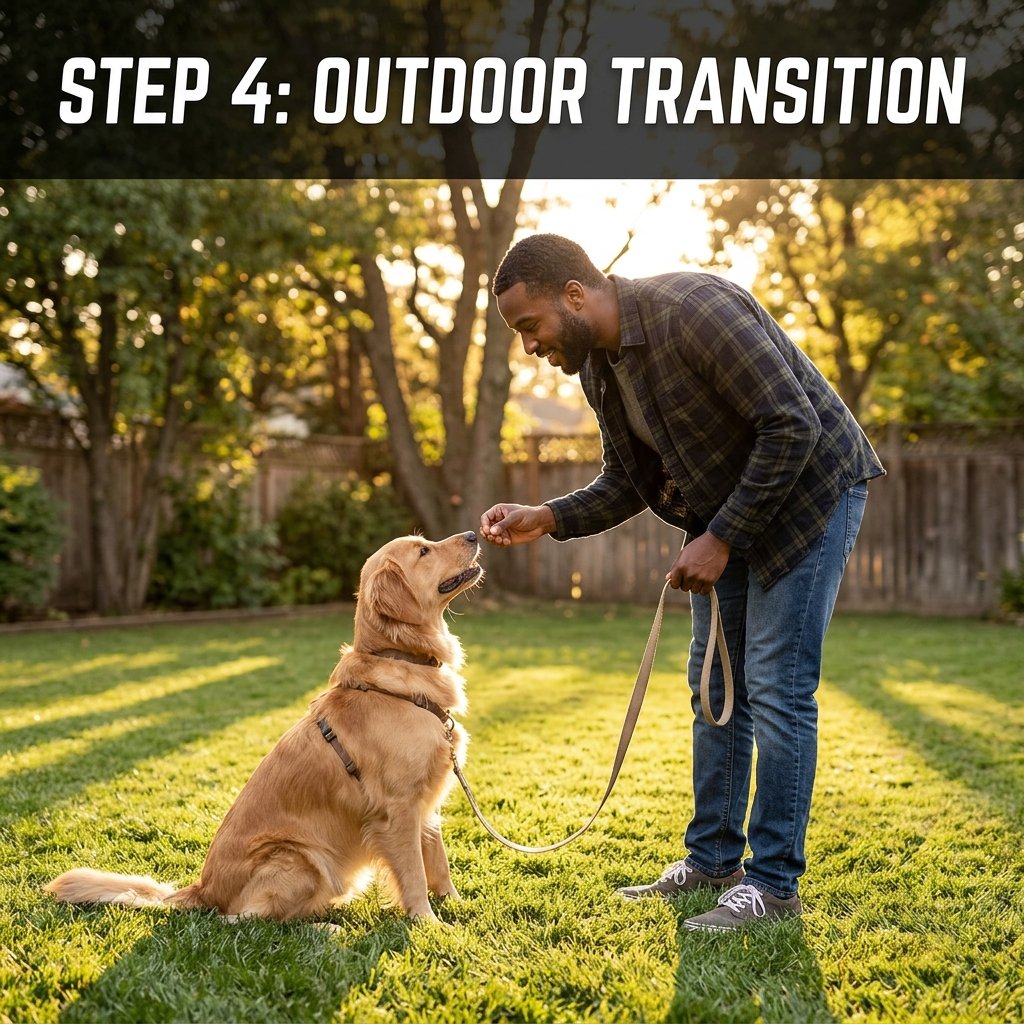
- Start somewhere boring. Quiet room first, then the yard, then outside.
- End on a win. Finish with something easy and a happy tone.
Reward-based training is the approach recommended by animal behavior experts, including the American Veterinary Society of Animal Behavior, which explains why in its position statements. It’s more effective for most dogs, and it keeps the relationship fun.
Week 1: Name Game and “Sit”
Start with attention
Say your dog’s name in a happy voice. The moment they look at you, mark and treat. Repeat ten times. This builds the habit of tuning in to you, which every other command depends on.
Teach “sit”
Hold a treat close to your dog’s nose. Slowly move it up and slightly back over their head. As their nose follows, their bottom naturally lowers. The instant it touches the floor, say “yes” and give the treat.
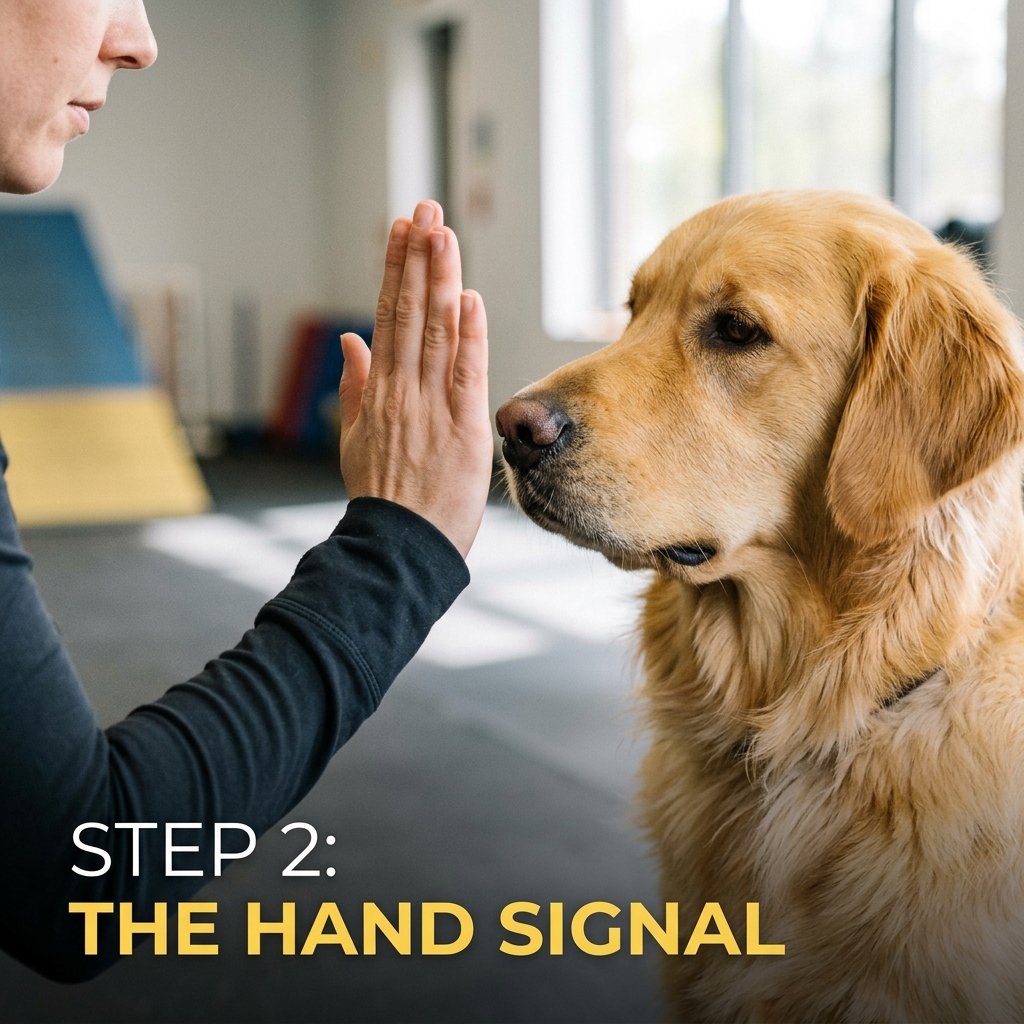
Repeat several times, then add the word “sit” just before you lure. After a few days, try the hand signal (a raised flat palm or a finger pointing up) without a treat in your hand, and reward from your pocket instead.
Practice sits: before meals, before going out the door, before being petted. It teaches polite manners without extra effort.
Week 2: “Down” and “Wait”
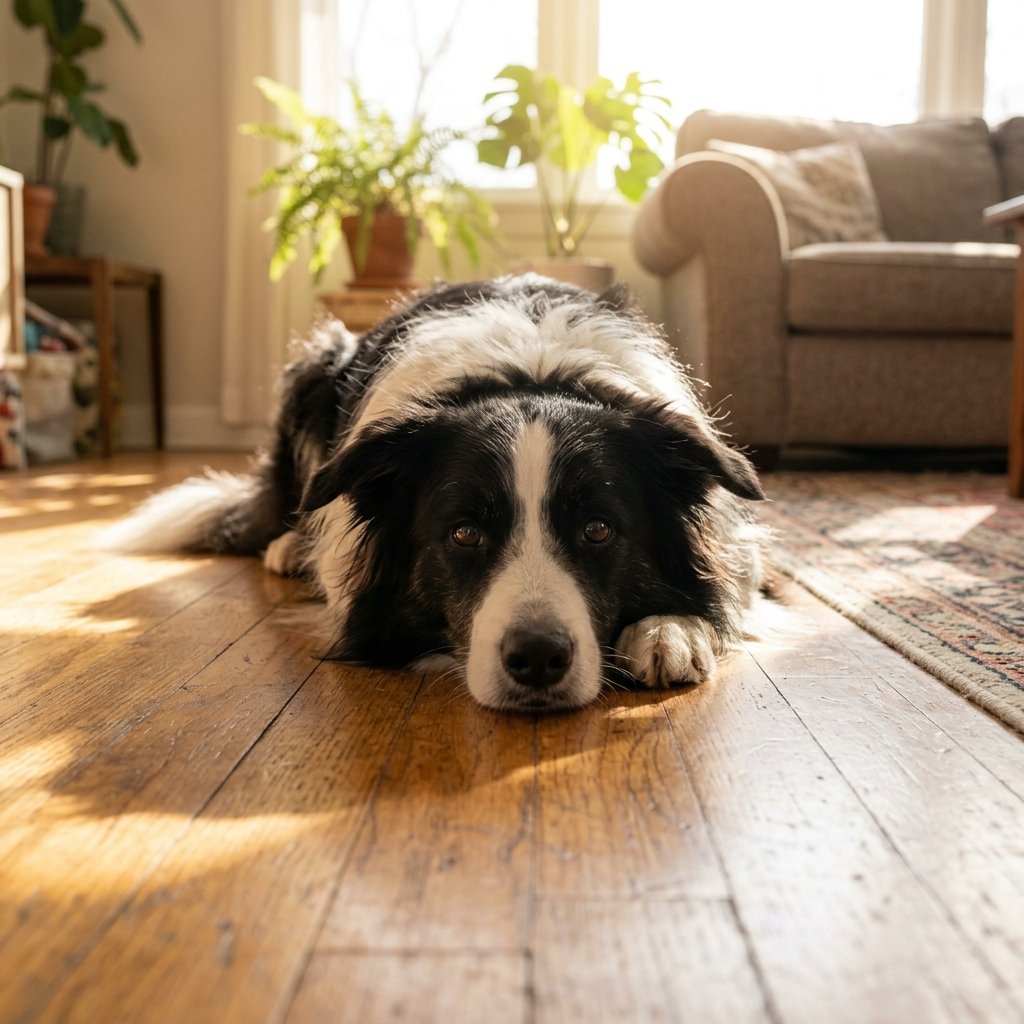
Teach “down”
Start with your dog in a sit. Hold a treat to their nose and slowly lower it straight down to the floor, then slide it out along the ground. Many dogs will follow it into a lying position. Mark and reward the second their elbows touch the floor.
If your dog pops back up, don’t worry. Try sitting on the floor with your knees raised and lure them under your legs, or practice on a slippery surface where it’s easier. Some dogs take a few days to figure this out, especially anxious ones. Stay patient.
Add “wait”
“Wait” means pause for a moment, usually at a door or before a meal. Hold your dog’s food bowl, ask for a sit, then lower it slowly. If your dog stays still, set it down and release with “okay.” If they lunge, lift the bowl and try again. Start with one second.
Week 3: “Stay” and “Come”
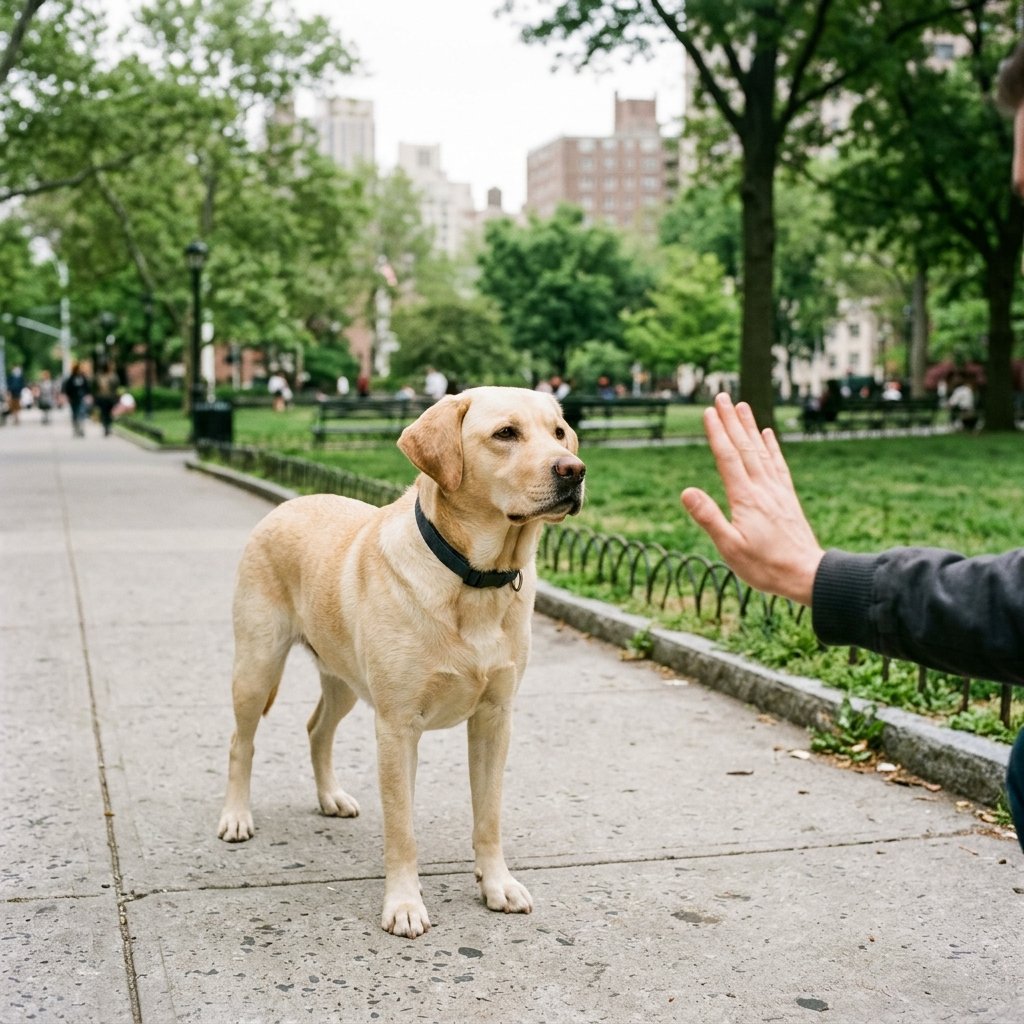
Teach “stay”
Stay builds on sit or down. Ask for the position, say “stay” with your palm flat, count to one, then mark, treat and release with “okay.” Add time slowly, then distance, then distractions, changing only one thing at a time. We cover this in much more depth in our full guide to how to teach a dog to stay.
Teach “come” (recall)
This could be the most important command you ever teach. A good recall can literally save your dog’s life.
- Start indoors with your dog a few steps away.
- Say their name and “come” in a bright, happy voice.
- When they reach you, give them a treat and lots of praise.
- Gradually increase the distance and move to the yard on a long leash.
Two golden rules for recall: never call your dog to punish them, and make coming to you the best thing that happens all day. If you only call when the fun is over, they’ll learn to ignore you. Call them at random times for treats, play or just a quick cuddle, then let them go back to what they were doing.
Week 4: “Leave It,” “Drop It” and Loose-Leash Walking
Teach “leave it”
Place a boring treat in your closed fist and offer it to your dog. They’ll sniff, lick and paw at it. Wait. The instant they pull away or look at you, say “yes” and reward with a better treat from your other hand. Next, hold the treat in an open palm and cover it if they dive in. Eventually, practice with items on the floor.
Dogs learn that ignoring something earns an even better reward. It’s one of the best safety skills there is, especially for dogs who scavenge or chew things they shouldn’t.
Teach “drop it”
Offer a toy and let your dog take it. Hold a treat near their nose. When they open their mouth and the toy falls, say “drop it,” mark and reward. Hand the toy back sometimes so they learn that giving things up isn’t a loss.
Start loose-leash walking
This is a bigger skill, so begin now but expect it to keep developing for weeks. Reward your dog for staying next to you, stop when the leash goes tight and walk in short bursts. Our complete guide on how to leash train a dog covers it step by step.
Bonus: “Shake” (Because Training Should Be Fun)
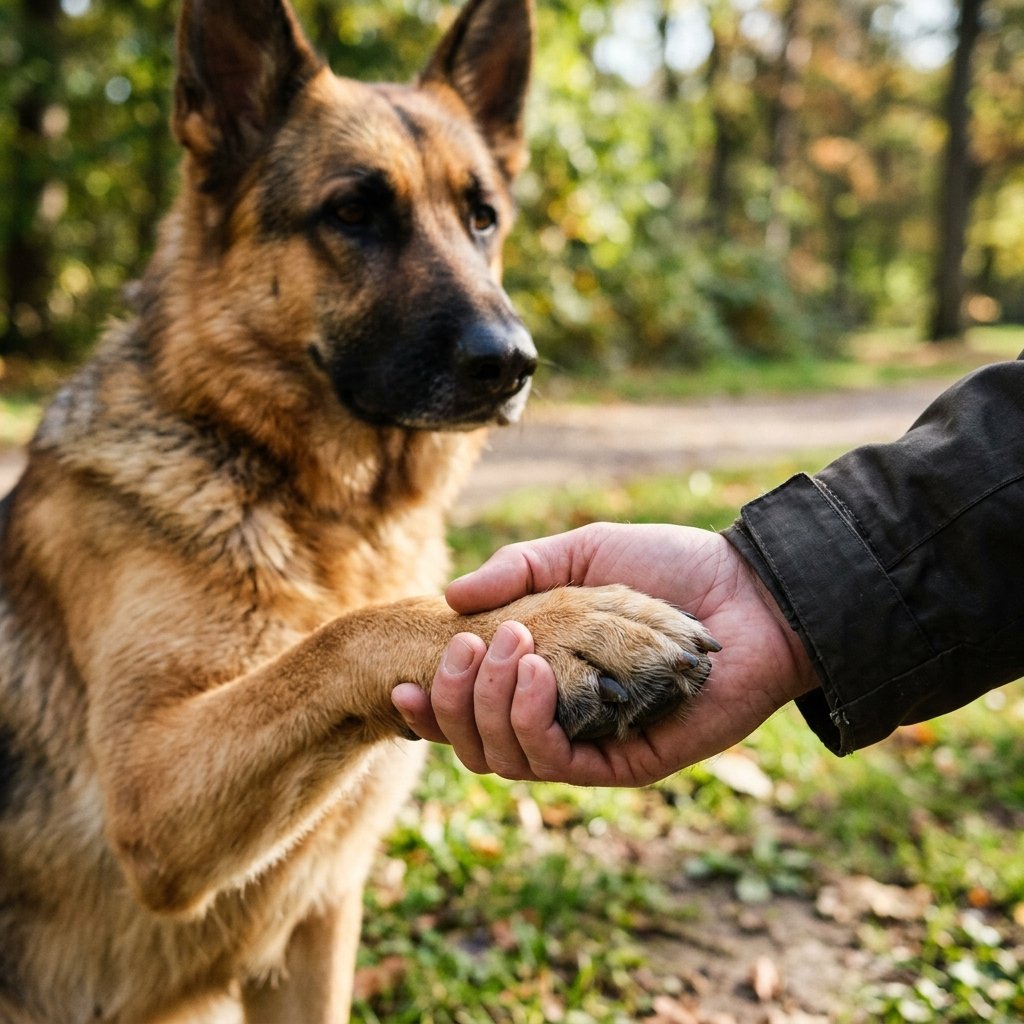
Once your dog is confident with sit, try “shake.” Hold a treat in your closed fist near their paw. Most dogs will paw at it. The moment a paw lifts, mark and reward. Then add the word “shake” and offer your open hand. It isn’t an essential command, but it’s a great confidence builder, and it gives you something to show off at family gatherings.
Common Problems and Simple Fixes
My dog knows the command at home but ignores it outside
Totally normal. Dogs don’t generalize well. Go back to easier steps, use higher-value treats and practice in gradually busier places.
My dog only listens when I have treats
Mix it up. Reward sometimes with treats, sometimes with praise, a toy or a game. Keep treats in a pouch or pocket rather than in your hand, so the food doesn’t become the cue.
My dog gets distracted or bored
Shorten sessions, use better treats and train before meals when your dog is a little hungry. Make it playful.
My dog barks during training
This is often excitement or frustration. Reward quiet moments and make sure your dog is getting enough exercise. We have a full breakdown in our post on how to stop dog barking.
I’ve done everything and nothing’s working
Check that your dog is healthy (pain or illness can affect focus), that your timing is spot on and that you’re not moving too fast. A local certified positive-reinforcement trainer can spot things that are hard to notice yourself. The AKC’s training library and the ASPCA’s dog care resources are also helpful for second opinions.
Training a Puppy vs. an Adult Dog
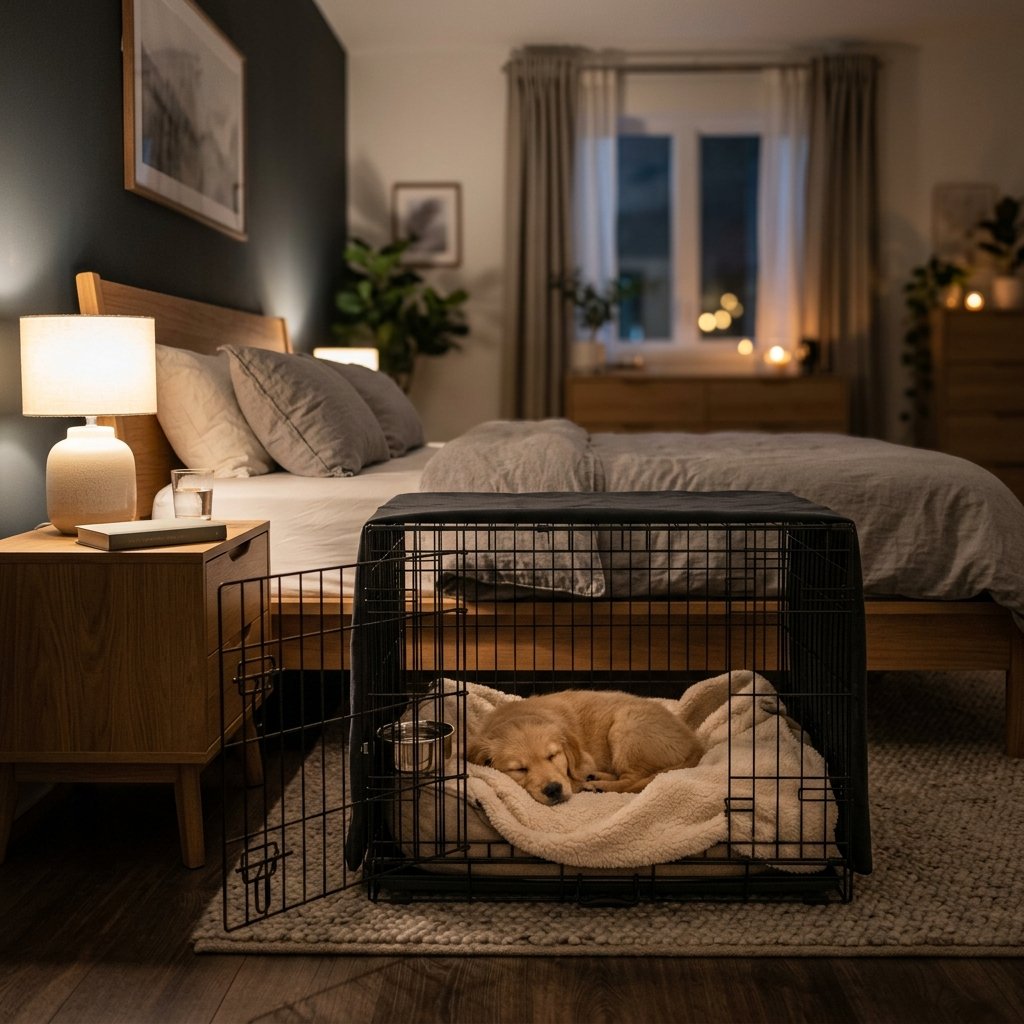
Puppies can start learning basics at around 8 weeks, but their attention spans are tiny. Keep sessions to a couple of minutes and focus on fun. Our puppy training guide and crate training plan for 8-week-old puppies are good companions for those first weeks.
Adult dogs absolutely can learn new commands. They often have longer attention spans, though old habits can take a little longer to change. Rescue dogs may need extra time to feel safe before they can focus on learning, so build trust first.
What Comes After the Basics?
Once your dog has these skills down, you can build on them. Many owners work toward the American Kennel Club’s Canine Good Citizen program, which tests everyday manners like sitting politely, walking on a loose leash and staying in place. It’s a nice goal to work toward. You can also read about daily routines that support your dog’s wellbeing in our guide to healthy habits for pets.
Quick Answers
What are the most important basic dog commands?
Sit, down, stay, come and leave it cover the majority of everyday situations. Drop it and a loose-leash walk are close behind.
How long does it take to teach basic commands?
Most dogs learn the idea of a command in a few days of short sessions. Making it reliable around distractions can take weeks to months.
What age should I start training my dog?
You can start at 8 weeks with very short, playful sessions. Dogs of any age can learn.
Do I need a clicker?
No. A marker word like “yes” works just as well, though some trainers like the precision of a clicker.
Should I use treats forever?
No. Start with frequent treats, then gradually reward less often and mix in praise and play. Keep a few treats around for tough situations.
The Bottom Line
You don’t need hours of training or fancy tools. You need a handful of treats, five minutes a few times a day and a plan that builds one skill on top of another. Start with sit, add down and wait, move on to stay and come, then finish with leave it and drop it. In a month, you’ll have a dog who understands what you’re asking, and a much calmer life together.
If your dog shows signs of fear, aggression or pain during training, speak with your veterinarian or a qualified behavior professional.

Discussion 0 comments
Share your thoughts — every perspective adds value.