

If you’ve spent any time reading about dog training, you’ve probably noticed a whole lot of arguing. One trainer says treats are bribes. Another says firm corrections are the only way. A third swears by clickers. It’s enough to make you want to throw your hands up and just buy another squeaky toy.
Here’s the calm version. Positive reinforcement dog training is the approach most modern veterinary behaviorists and animal-behavior organizations recommend, and it’s also the easiest to learn. The idea is simple: reward the behavior you want, and your dog will do it more often. No yelling, no force, and no need for special equipment.
What Is Positive Reinforcement Dog Training?
The name sounds fancy, but it breaks down easily. “Reinforcement” means anything that makes a behavior more likely to happen again. “Positive” means you’re adding something your dog likes, rather than taking something away.
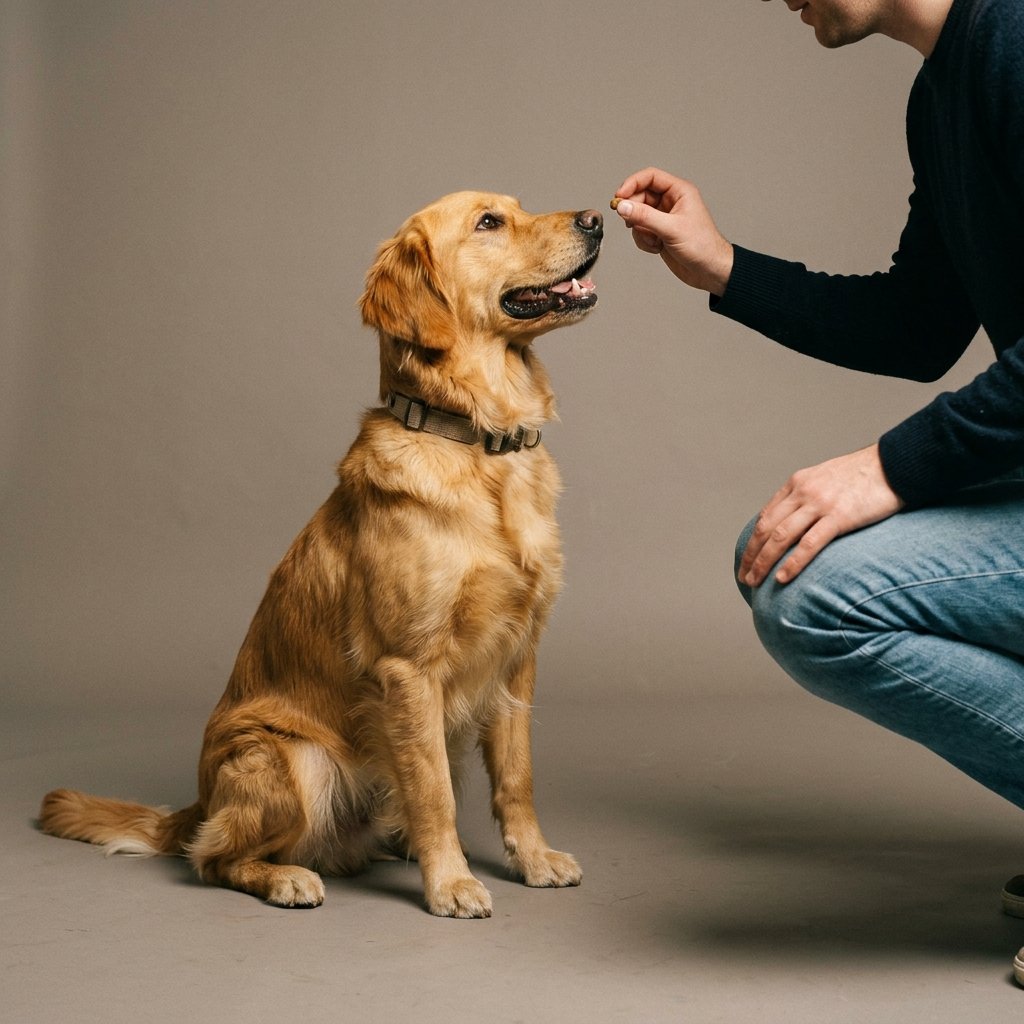
So when your dog sits and you give them a treat, you’ve just used positive reinforcement. The treat is the reinforcer, and the sit is more likely to come back next time. That’s the whole engine.
This isn’t a new fad. The principles come from decades of research in learning science, and they apply to everything from dolphins to dogs to people. Behavior that pays off tends to repeat.
Why Positive Reinforcement Dog Training Works
Dogs are always doing the math on what works. If jumping gets attention, they jump. If sitting gets a treat, they sit. Positive reinforcement dog training simply makes sure the right behaviors are the ones that pay off.
There are some other strong reasons it’s so widely recommended:
- It builds trust. Your dog learns that being around you is predictable and rewarding.
- It keeps learning fun. Dogs who enjoy training are more willing to try new things.
- It avoids fallout. Methods based on fear or pain can cause stress, avoidance and sometimes aggression.
- It teaches what to do. Instead of just stopping a behavior, you show your dog an alternative.
Animal-behavior experts back this up. The American Veterinary Society of Animal Behavior explains in its position statements why reward-based methods are the preferred approach and why aversive methods carry welfare risks.
What Counts as a Reward?
Here’s the part people often miss: a reward is whatever your dog finds rewarding, not what you think they should like. Treats are the classic choice, but there are plenty of others.
Food rewards
Small, soft, pea-sized treats work best, because your dog can swallow them in a second and get back to the game. Use something special, like cooked chicken or cheese, for harder tasks, and plain kibble for easy ones. Remember to count treats toward your dog’s daily food so you don’t overfeed.
Play rewards
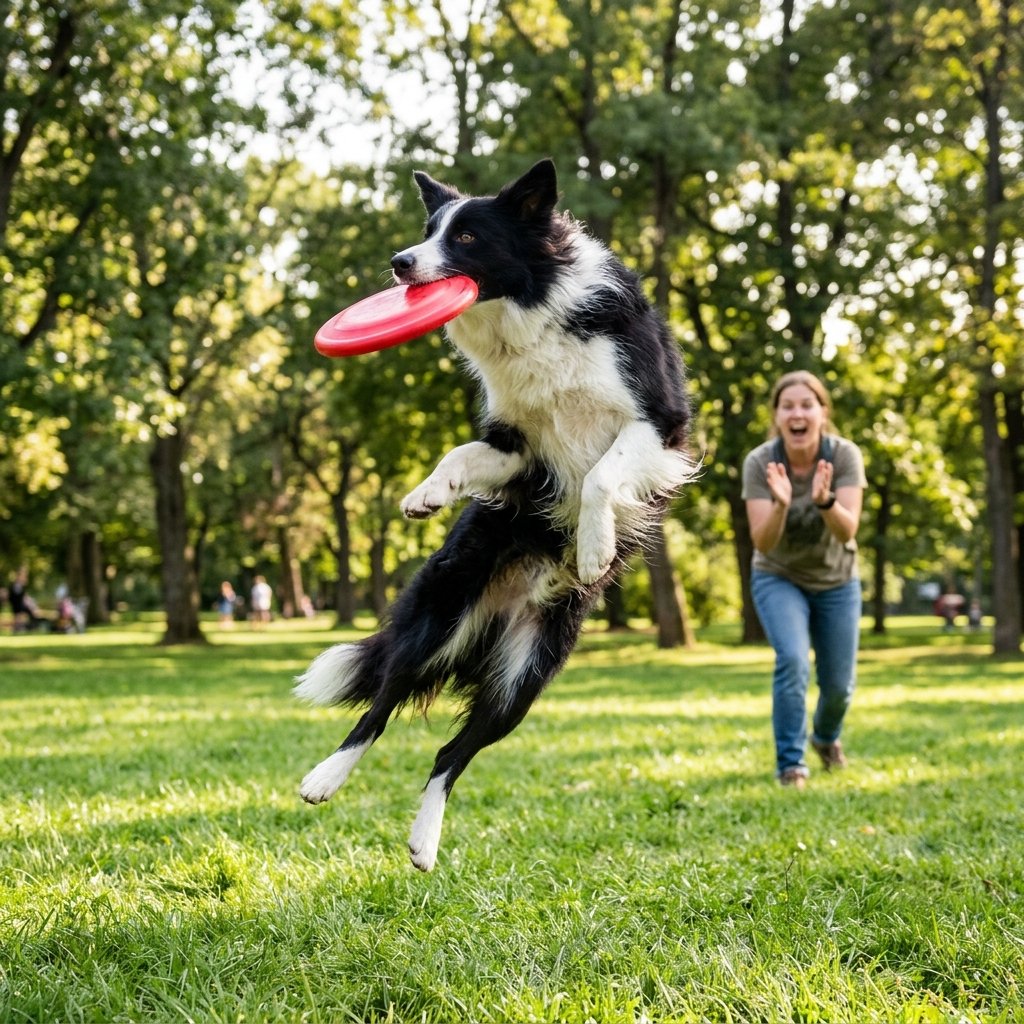
Some dogs, like many border collies and retrievers, would happily trade a treat for a good game of tug or fetch. After a successful recall or a calm walk, a quick game can be a bigger prize than food.
Praise and affection
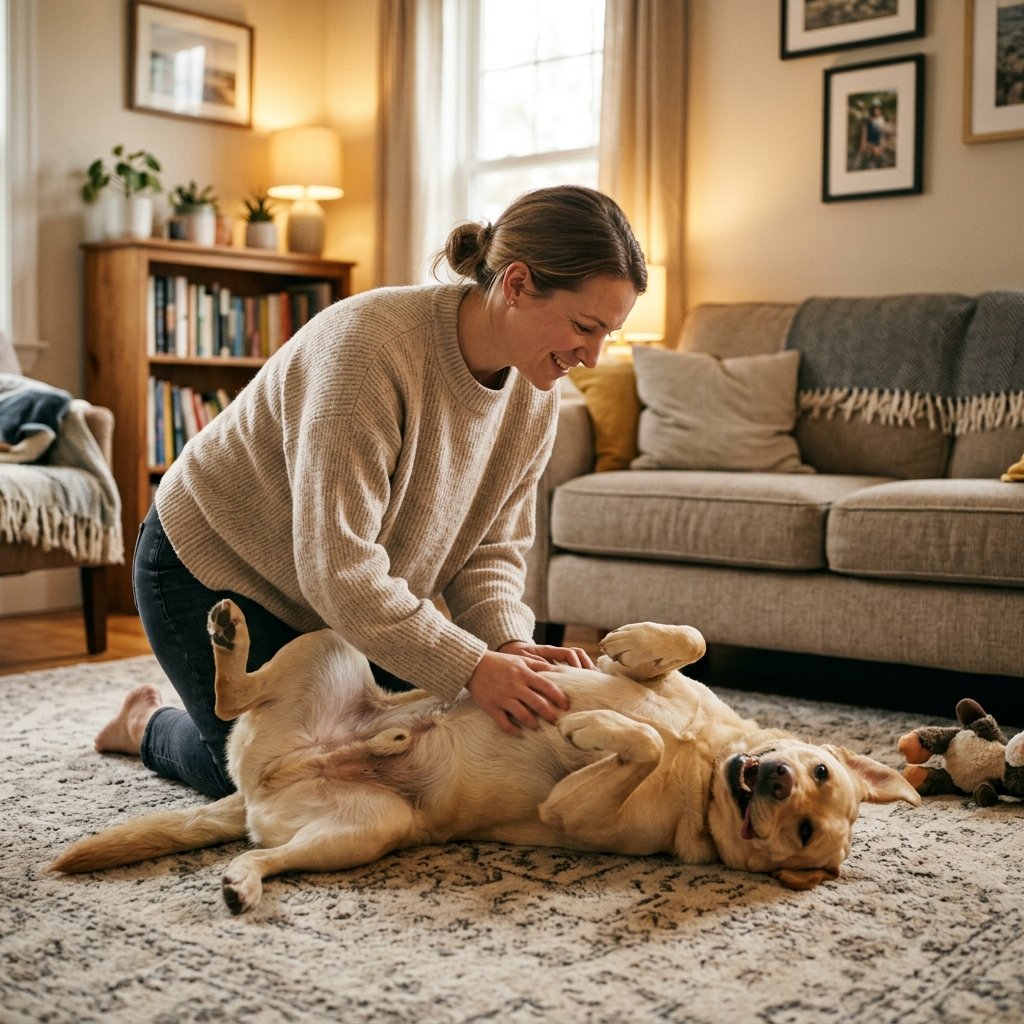
Many dogs adore a happy voice, a scratch behind the ears or a belly rub. Just make sure the touch is something your dog genuinely enjoys, because some dogs don’t love being petted when they’re excited or focused.
Life rewards
Everyday things can be rewards, too: going out the door, getting to sniff a lamppost, being let off the leash. Asking for a sit before you open the door turns routine moments into training moments.
How to Start Positive Reinforcement Dog Training: Step by Step
Step 1: Pick your reward and your marker
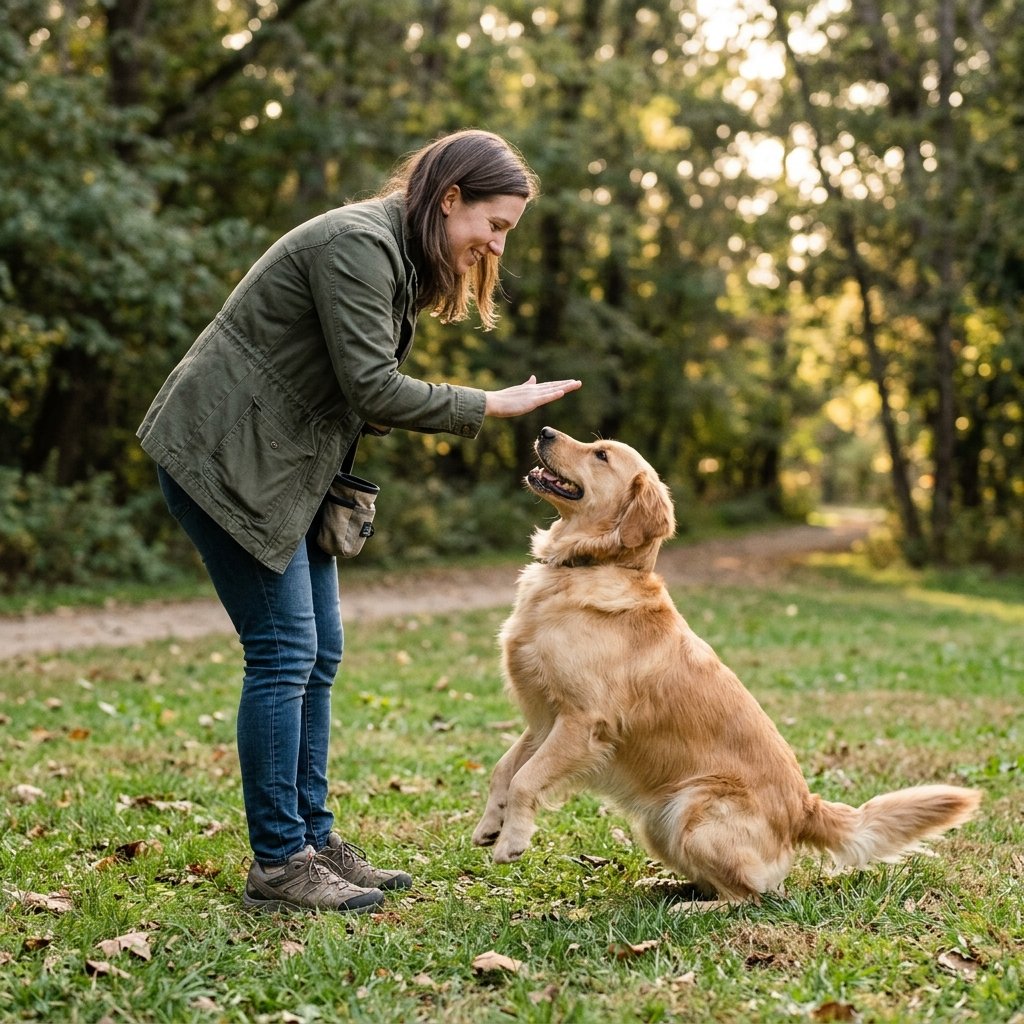
A marker is a signal that tells your dog “that’s the thing you did right, and a reward is coming.” It can be a clicker or a short word like “yes.” Say it the instant your dog does the right thing, then deliver the reward. Practice the marker-and-treat routine a few times, so your dog learns that “yes” always means something good follows.
Step 2: Choose one simple behavior
Start with something easy, like sit. Hold a treat near your dog’s nose, move it up and back over their head, and mark and reward when their bottom hits the floor. When it’s working, add the word “sit” just before you lure.
Step 3: Reward quickly and generously at first
Timing matters more than anything. Reward within a second or two, so your dog connects the treat with the behavior. Early on, reward every success. That’s called continuous reinforcement, and it helps new behaviors stick.
Step 4: Keep sessions short and fun
Five minutes, a few times a day. End while your dog is still keen. If your dog gets bored or distracted, make the task easier or take a break.
Step 5: Raise the bar gradually
Once your dog can do a behavior reliably, make it a bit harder: longer duration, more distance, more distractions. Change only one thing at a time, and drop back to easier steps if your dog struggles. Our guide to how to teach a dog to stay shows this in action.
Step 6: Fade the treats and mix up rewards
When your dog is reliable, start rewarding every second or third success, then at random. This is called intermittent reinforcement, and it actually makes behaviors stronger. Mix food with praise, play and life rewards, so your dog doesn’t only work when they can see a treat.
Using Positive Reinforcement Dog Training for Common Problems
The same simple approach can help with plenty of everyday behavior issues.
- Jumping up: Turn away from jumping and reward four paws on the floor or a sit. See our guide to how to train a dog not to jump.
- Pulling on the leash: Reward your dog for staying near you and stop when the leash goes tight. Our leash training guide has the full method.
- Barking: Reward quiet and meet your dog’s needs. Our post on how to stop a dog from barking goes through it.
- Potty training: Reward your puppy straight away for going in the right place. See how to potty train a puppy.
- Basic manners: Build sit, down, wait and come one at a time using the basic dog commands training plan.
Myths About Positive Reinforcement Dog Training
“It’s just bribery.”
A bribe is shown before the behavior to get the dog to do it. A reward is given after, as payment. With practice, you fade the food out of sight and your dog works for the whole package: praise, play and the occasional treat.
“My dog will only work for treats.”
Only if you never fade them or vary rewards. Mix it up and keep treats in a pouch rather than in your hand.
“It means no rules.”
Not at all. Positive reinforcement doesn’t mean letting your dog do whatever they like. You still set boundaries by managing the environment, using baby gates, leashes and consistent rules. You simply teach and reward the right behavior rather than relying on fear or pain. Mild consequences, like withholding attention from a jumping dog, are part of the process.
“It won’t work on stubborn or big dogs.”
It works across breeds, ages and sizes. If your dog doesn’t seem interested, the reward may not be valuable enough, the environment may be too distracting or the steps may be too hard.
“My dog needs to know who’s boss.”
The idea of “dominance” in household dogs has been widely challenged by modern behavior science. Dogs aren’t trying to take over. They’re trying to figure out what works. Clear communication and consistent rewards do the job better than showing who’s in charge.
Common Positive Reinforcement Dog Training Mistakes
- Late rewards. A treat that arrives several seconds late rewards the wrong behavior.
- Rewarding the wrong thing. Giving a treat to make a barking dog stop teaches them that barking earns treats.
- Sessions that are too long. Tired dogs make mistakes, and so do frustrated owners.
- Moving too fast. If your dog fails more than once in five attempts, make it easier.
- Using treats that aren’t exciting enough. Match the reward to the difficulty.
For a longer list, read our guide to common dog training mistakes.
Positive Reinforcement Dog Training for Puppies
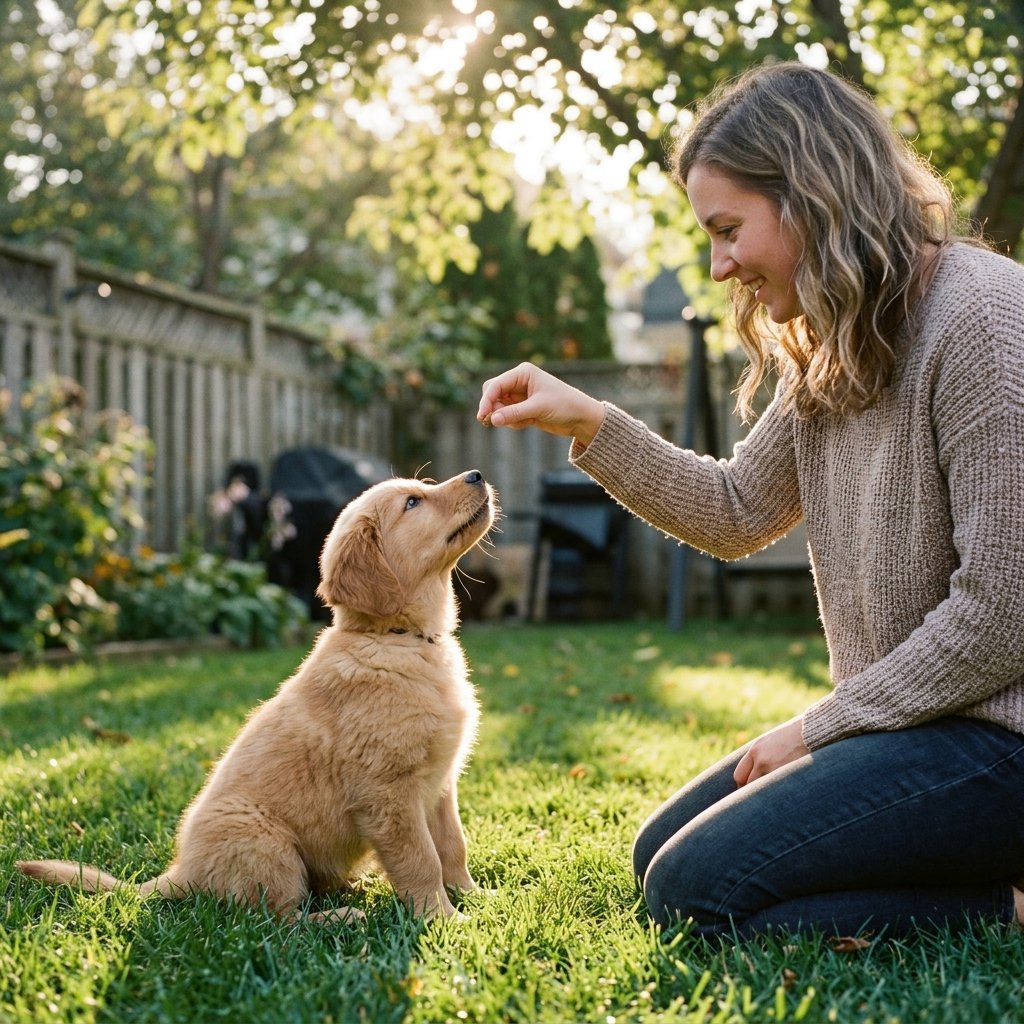
Puppies are a perfect match for reward-based training. Their attention is short, so keep sessions to a couple of minutes, reward often and celebrate small wins. Early positive experiences with people, noises, surfaces and new places help shape a confident adult dog. Our puppy training guide covers the first months in more detail.
How to Find a Good Trainer
The dog-training industry isn’t tightly regulated, so anyone can call themselves a trainer. If you want help, look for these signs:
- Certifications from independent organizations, such as the Certification Council for Professional Dog Trainers or the Karen Pryor Academy
- A clear explanation of their methods, with an emphasis on rewards
- Willingness to let you watch a class, and to adjust the plan for your dog
Be cautious about anyone who promises quick fixes, uses choke, prong or shock collars, or tells you to “alpha roll” or intimidate your dog. If your dog shows aggression, severe fear or anxiety, ask your vet for a referral to a veterinary behaviorist.
For extra reading, the AKC training library, the ASPCA’s dog care pages and the AVMA’s pet owner resources are all helpful, and our overview of common dog behavior problems can help you work out what you’re dealing with.
Quick Answers
What is positive reinforcement dog training?
It’s a training approach where you reward behavior you want so your dog is more likely to repeat it. Rewards can be treats, play, praise or real-life privileges.
Does positive reinforcement dog training really work?
Yes. It’s based on well-established learning science and is recommended by many veterinary behavior organizations. It works for puppies, adult dogs and even dogs with behavior problems.
Do I have to use treats forever?
No. Use treats heavily while teaching, then gradually mix in praise, play and life rewards.
What if my dog won’t take treats?
Try tastier treats, train when your dog is a little hungry or use play or praise instead. Stress or distractions can also make dogs refuse food.
Can I use a clicker?
You can, but you don’t have to. A clicker offers a precise marker, while a short word like “yes” works just as well.
Is positive reinforcement dog training only for easy dogs?
No. It’s also used for fearful, reactive and highly energetic dogs, often with the help of a professional.
The Bottom Line
Positive reinforcement dog training comes down to a very simple deal: reward what you like, and you’ll see more of it. Choose rewards your dog loves, mark the right behavior quickly, keep sessions short and increase difficulty gradually. It’s kinder, it’s effective and it makes training something you both look forward to.
If your dog shows signs of fear, aggression or sudden behavior changes, speak with your veterinarian or a qualified behavior professional.


Discussion 0 comments
Share your thoughts — every perspective adds value.