

You head to the kitchen. A small, silent shadow slips in behind you. You go to the bathroom. The shadow waits by the door, sometimes crying just in case you’ve forgotten them. You sit down at your desk, and suddenly there’s a cat on the keyboard like it was always meant to be there.
If your cat tails you from room to room, you’re probably asking yourself why does my cat follow me everywhere. It’s a sweet, sometimes slightly baffling habit, and in most cases it’s a good sign. Let’s look at why cats do it, when it’s perfectly normal and when it’s worth paying attention.
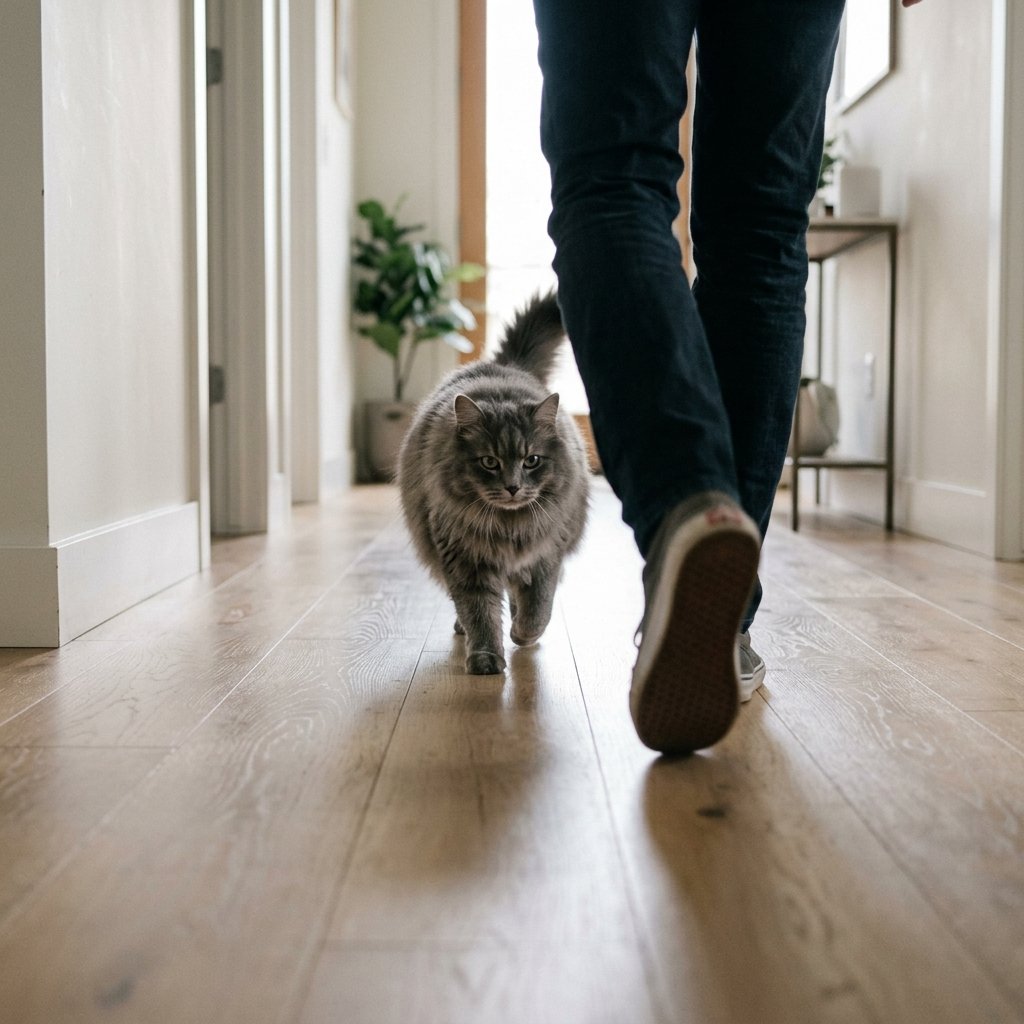
Why Does My Cat Follow Me Everywhere? The Short Answer
Cats have a reputation for being aloof, but plenty of them become deeply attached to their favorite people. Following you is often a mix of affection, curiosity, routine and good old-fashioned self-interest. You’re the source of food, play, warmth and company, so it makes sense to stay close.
Here are the most common reasons in more detail.
8 Reasons Your Cat Follows You Around
1. They’re bonded to you
Cats form genuine attachments. A cat who follows you is choosing to be near you, which is a real compliment. They’ve learned that you’re safe, predictable and good to be around, and they want to be part of what you’re doing.
2. They want attention
Cats are smart, and they quickly learn which behaviors get a response. If following you around results in petting, talking or play, they’ll keep doing it. Even a “hello, little one” counts as a reward.
3. They’re hoping for food
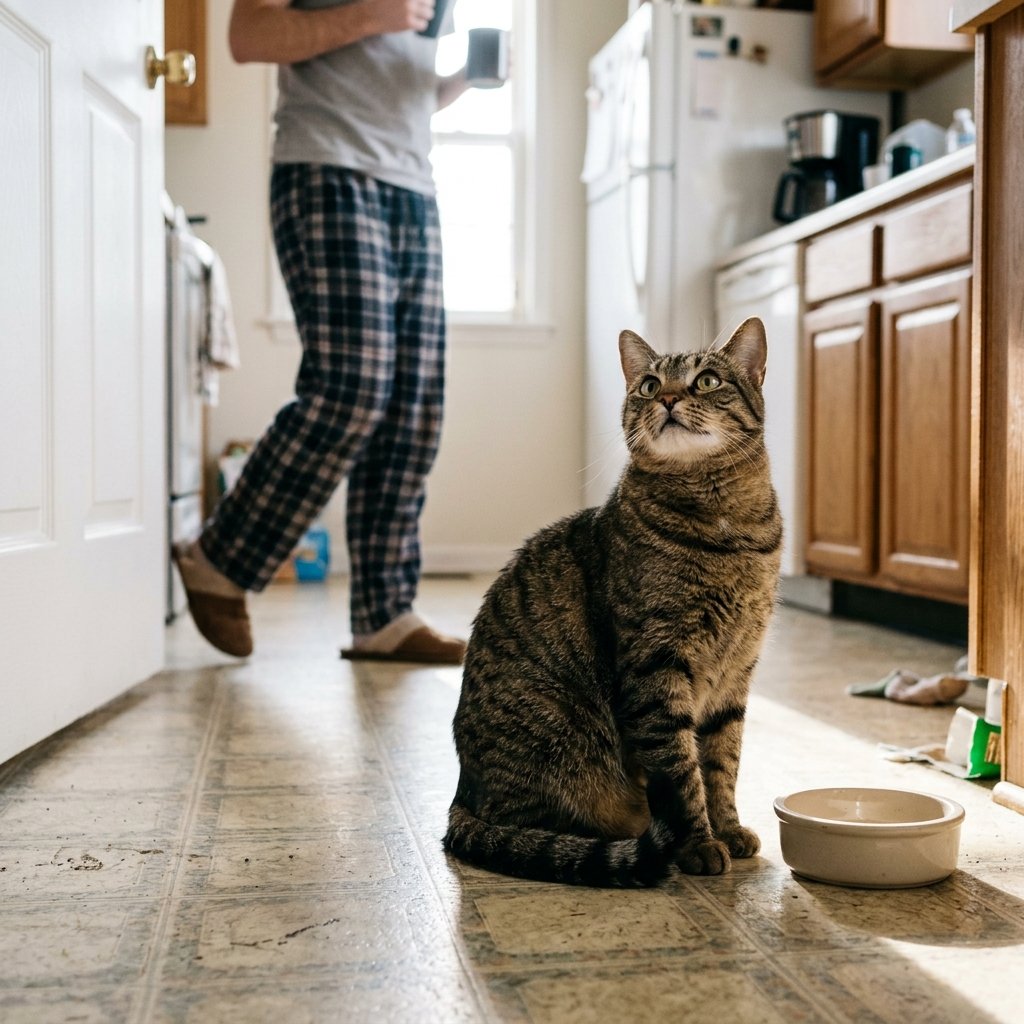
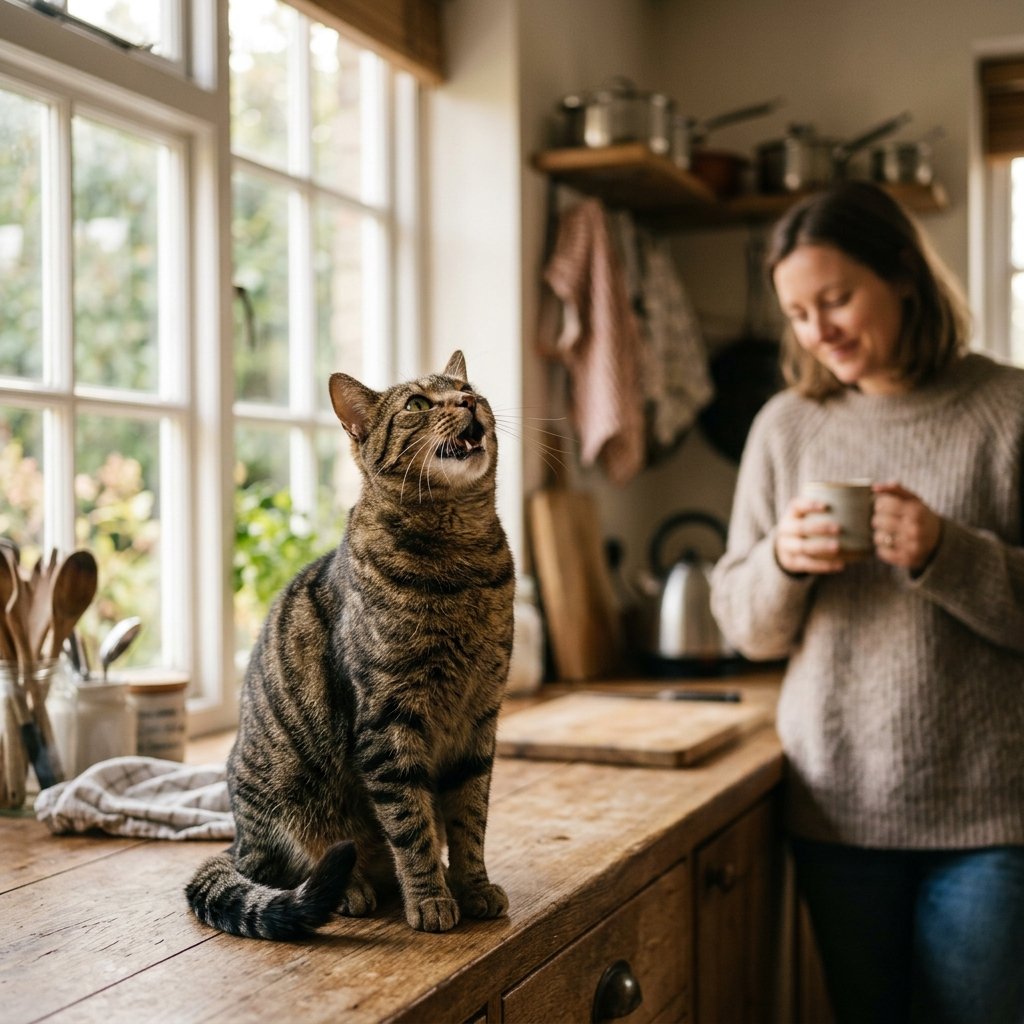
This is a big one. If your cat trails you to the kitchen, sits by the food bowl or starts meowing when you go near the cupboard, they’ve figured out where dinner comes from. Cats thrive on routine, and they know exactly when you usually feed them. If your cat seems constantly hungry, see our guide to the best food for cats for tips on feeding the right amount and type of food.
4. They’re scent marking and checking in
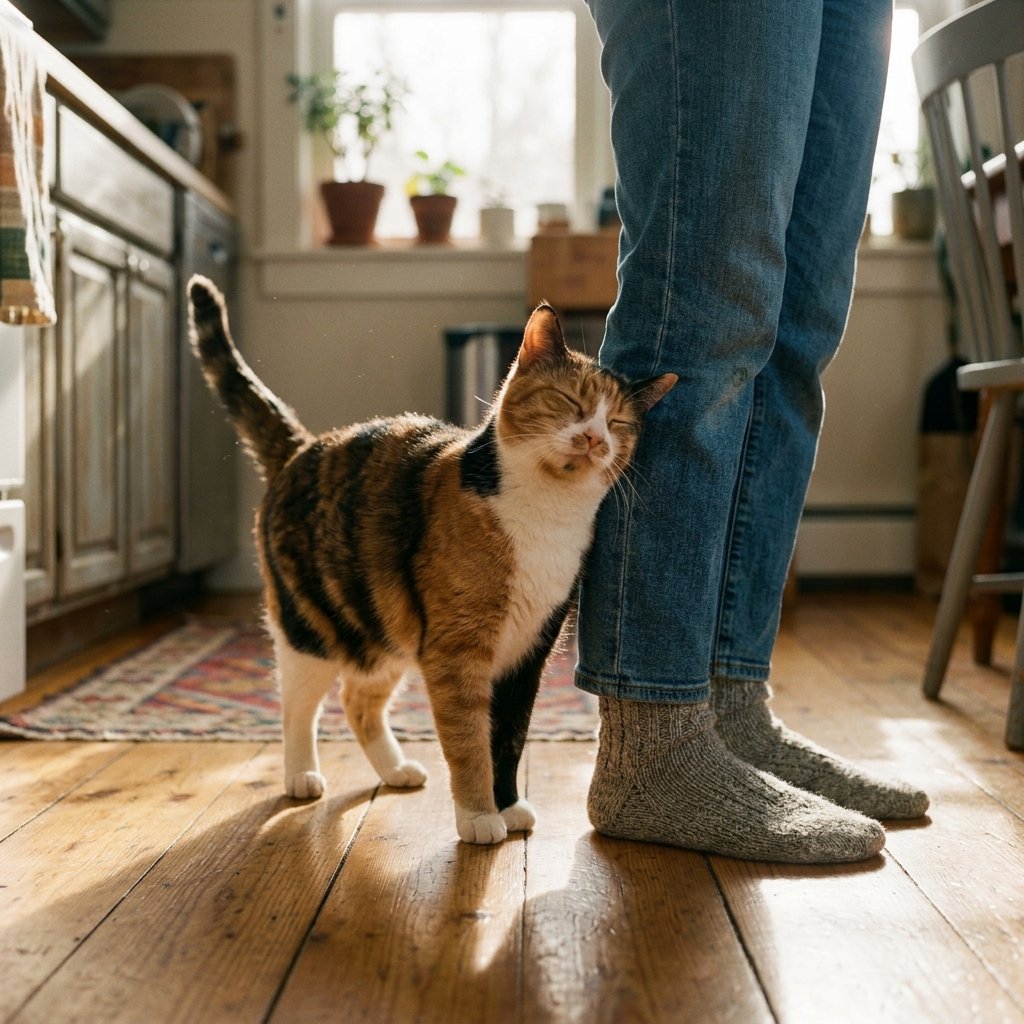
When your cat follows you and rubs against your legs, they’re doing more than being friendly. Cats have scent glands on their cheeks, chin and flanks, and rubbing against you leaves their scent on you. It’s a way of claiming you as part of their family and territory, and of keeping their world feeling familiar and safe.
5. Curiosity
You’re endlessly fascinating to a cat. What’s in that bag? What’s that noise? Why did you open that cupboard? A curious cat will often follow you to investigate, especially if something new or interesting is going on.
6. It’s a habit and routine
Cats are creatures of habit. If you always go from the bedroom to the kitchen to the sofa, your cat has learned the pattern. They know when interesting things happen, and they’d rather be there.
7. They feel more secure with you
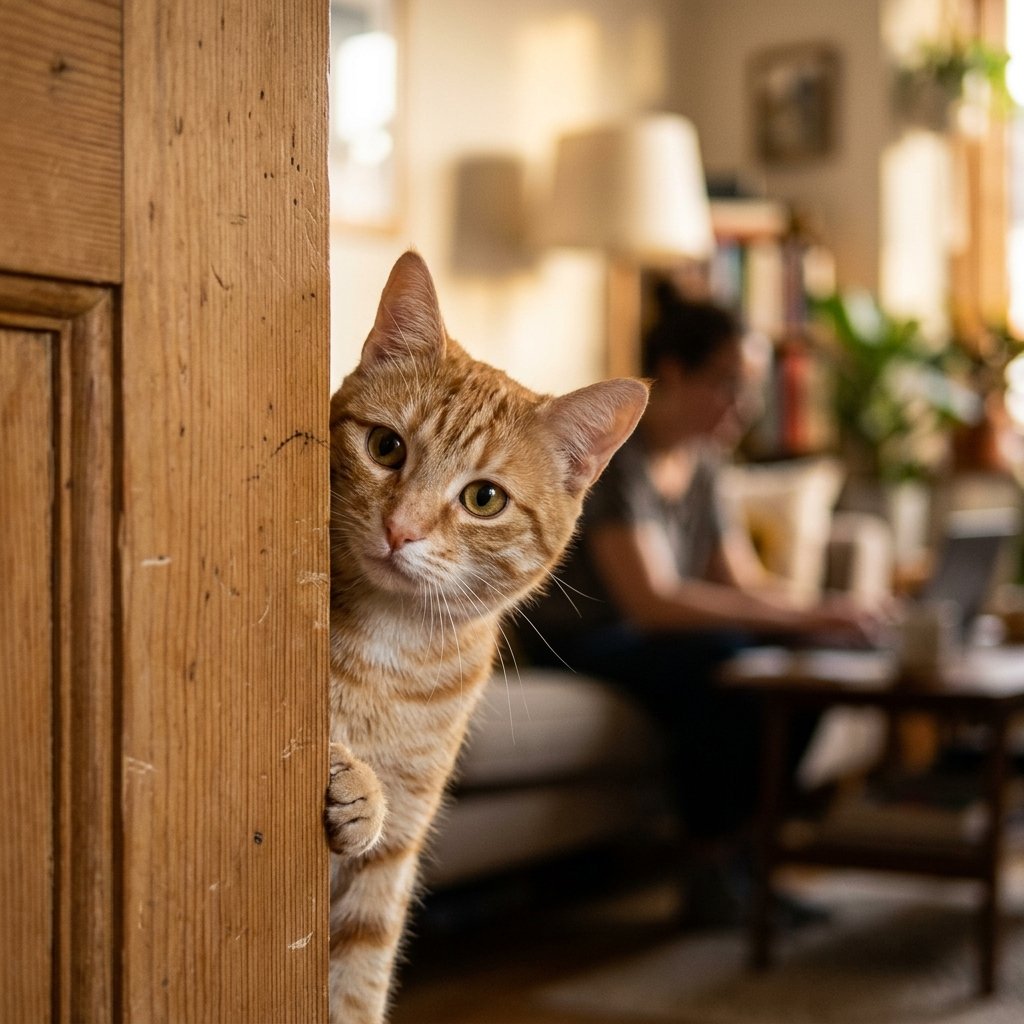
Some cats follow you because being near you makes them feel safe, especially after a move, a change in routine or a new pet. Shy or anxious cats may stay close to their favorite person as a source of security. If your cat’s clinginess comes with other signs of stress, such as hiding, over-grooming or changes in appetite, our post on why your cat hides explains how stress shows up in cats.
8. Breed and personality
Some cats are simply more people-oriented. Breeds like the Siamese, Burmese, Ragdoll, Maine Coon and Bengal are known for being social and following their people around. But personality matters more than breed, and plenty of mixed-breed cats are dedicated shadows.
Why Does My Cat Follow Me to the Bathroom?
The bathroom is a classic. Cats are curious about what you’re doing behind a closed door, and to them, a closed door is a mystery. Others simply don’t want to be left out, or are used to being near you all the time. It’s harmless, and a little funny. If your cat cries at the door, it’s usually just an “I’m here, where are you?” call.
Is It Normal for a Cat to Follow You Everywhere?
Yes. A cat who follows you, then happily settles down, plays or naps on their own is perfectly healthy. Many people treasure it as one of the sweetest parts of living with a cat. If your cat seems relaxed, eats normally and uses the litter box as usual, there’s nothing to fix.
When Following Becomes a Problem
Occasionally, following can be a sign of something else. Watch for:
- A sudden increase in clinginess. A cat who normally keeps their distance and suddenly won’t leave your side may be stressed, in pain or unwell.
- Constant, loud meowing while following, especially at night. Our post on why your cat meows so much explains the common causes.
- Distress when you leave. Destructive behavior, inappropriate urination or excessive vocalizing when you’re away can point to separation-related anxiety.
- Increased thirst, appetite or weight loss. In older cats, these along with clinginess and restlessness can be signs of conditions like hyperthyroidism or kidney disease.
- Confusion or night-time wandering in senior cats. This may point to age-related cognitive changes.
If you notice any of these, a vet visit is a good idea. The Cornell Feline Health Center has reliable information on feline health.
What to Do If Your Cat Is Too Clingy
If the following is cute but you’d like a little more space, or if it seems to come from boredom or anxiety, here are some steps that help.
Play every day
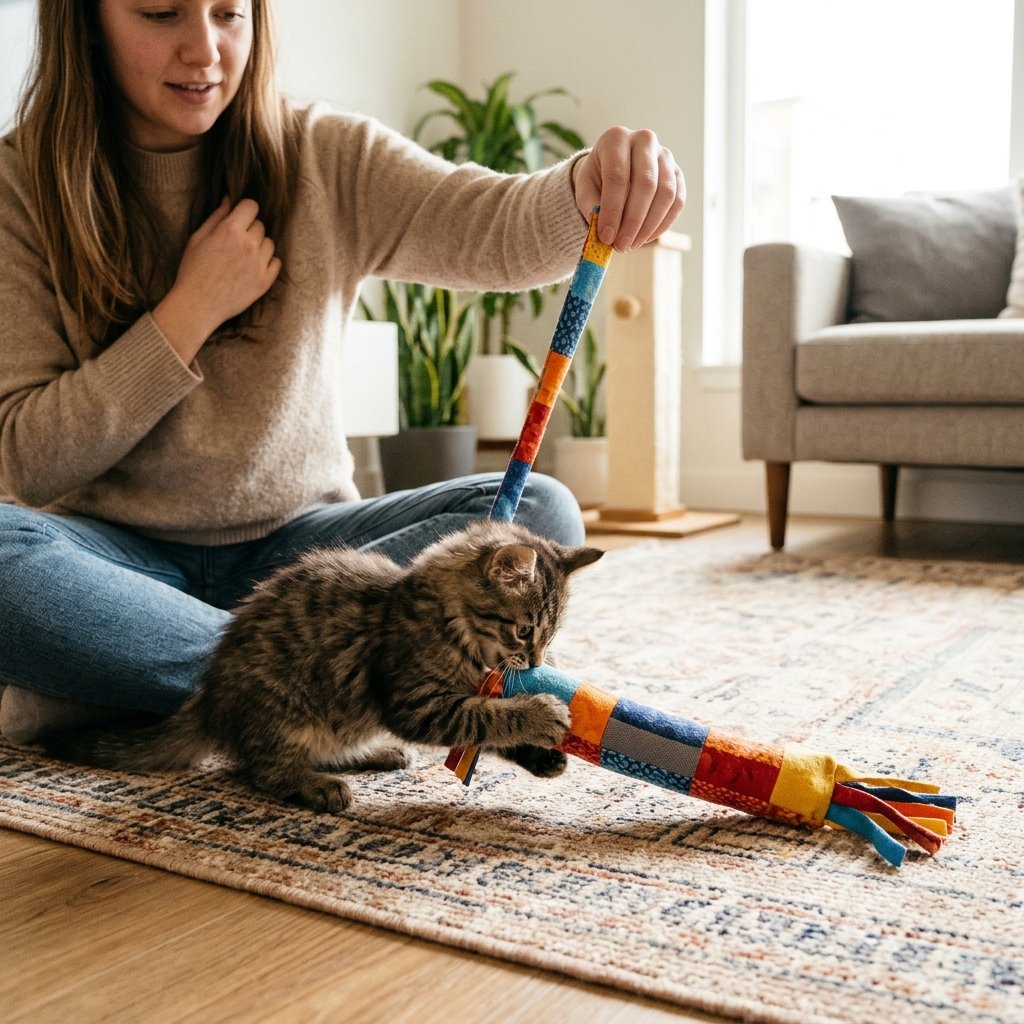
Two short play sessions a day with a wand toy can use up a lot of energy, especially one in the evening, followed by a small meal. This mimics the natural hunt, catch and eat cycle and helps cats settle.
Provide enrichment
Cat trees, window perches, puzzle feeders and scratching posts keep your cat busy when you’re occupied. Rotate toys to keep things fresh. Our guide to healthy habits for pets has easy daily routines.
Stick to a feeding schedule
Feed at regular times, and measure portions. A timed feeder can help stop your cat from nagging you for food at all hours.
Don’t reward constant demands
If your cat meows or paws at you for attention, wait for a quiet moment before rewarding them with petting or play. That teaches them that calm gets results.
Create comfortable spots of their own
Place a cozy bed or perch near where you spend time, so your cat can be close without being on top of you. Some cats also enjoy a warm spot on a sunny windowsill.
Keep arrivals and departures low-key
Big, emotional goodbyes can heighten anxiety. Keep it calm, and offer a treat or puzzle toy when you leave.
Make changes gradually
If you’re moving, introducing a new pet or changing your schedule, do it step by step, and provide familiar objects and routines. Our guide to pet care tips for beginners has more on settling pets into new situations.
More on Cat Behavior
If you enjoy understanding what your cat is trying to tell you, you might also like our posts on why your cat sleeps on you, why your cat purrs and why your cat runs away from you. And if you share your home with a dog too, our sibling post on why your dog follows you everywhere looks at the same behavior from the dog’s side.
For further reading, International Cat Care, the Cat Friendly Homes pages and the ASPCA’s cat care pages are trustworthy resources.
Quick Answers
Why does my cat follow me everywhere but not my partner?
Cats often pick a favorite person, usually the one who feeds, plays with or pays attention to them most. It doesn’t mean they dislike others.
Why does my cat follow me everywhere and meow?
Probably asking for attention, food or play. If it’s new or excessive, check with your vet.
Does my cat following me mean it loves me?
In most cases, yes. It’s a sign of attachment and trust, mixed with curiosity and expectations.
Why is my cat suddenly following me around?
A sudden change may be due to stress, a change in routine, boredom or an underlying health issue. If it lasts more than a few days or comes with other changes, see your vet.
Is a clingy cat unhealthy?
Not necessarily. Mild clinginess is normal. It becomes a concern when your cat is distressed without you or has other symptoms.
Can I train my cat to follow me less?
You can reduce it by providing enrichment, sticking to routines and rewarding calm independence. Patience and consistency are key.
The Bottom Line
So, why does my cat follow me everywhere? Usually because they love you, trust you and see you as the center of their world, with a healthy dose of curiosity and a hope for snacks. Enjoy the company, keep an eye out for sudden changes and give your cat plenty of play, enrichment and routine. If something seems off, your vet is always the best next step.
If your cat’s behavior changes suddenly or you notice signs of illness or distress, speak with your veterinarian.

Discussion 0 comments
Share your thoughts — every perspective adds value.