

You walk into the room and the smell hits you first. Then you see it: a damp spot on the rug, the bathmat or, worse, your bed. Your cat, who has used the litter box perfectly for years, has suddenly decided that anywhere else will do.
If you’re asking yourself why is my cat peeing outside the litter box, take a breath. It’s frustrating, but it’s rarely spite or revenge. Cats don’t pee outside the box to punish you. They do it because something is wrong, either with their health, their stress levels or the litter box setup. The good news is that most cases can be solved once you find the cause.

Step One: Rule Out Medical Problems
Before anything else, book a vet visit. Peeing outside the box is one of the most common signs of a medical problem in cats, and it’s not something to wait on.
Treat it as an emergency if your male cat is straining to pee, crying in the litter box, passing little or no urine or has blood in his urine. A urinary blockage can become life-threatening within hours, especially in male cats. Go to a vet or emergency clinic right away.
Medical Reasons Why a Cat Pees Outside the Litter Box
Urinary tract infections and cystitis
These cause pain and urgency, so a cat may run to the nearest spot when they feel the need to go. Signs include frequent trips to the box, small amounts of urine, straining, licking the genitals and blood in the urine. Many cats associate the litter box with pain and avoid it.
Feline lower urinary tract disease (FLUTD) and stress cystitis
This is a broad term for several bladder and urethra problems, including inflammation without infection (often linked to stress), bladder stones and blockages. It’s common, and often needs a vet’s help to diagnose.
Bladder or kidney stones
Stones can irritate the bladder and cause pain, bleeding and blockages. They’re often found with urinalysis and imaging.
Kidney disease, diabetes and hyperthyroidism
These conditions increase thirst and urine production, so cats may not be able to get to the box in time. They’re especially common in middle-aged and older cats. Increased drinking and urination are important symptoms to report to your vet. The Cornell Feline Health Center has reliable information on these conditions.
Arthritis and mobility problems
An older cat with sore joints may find it painful to climb into a high-sided box, so they pee beside it or elsewhere. Look for stiffness, reluctance to jump and slower movements.
Cognitive changes in senior cats
Older cats can become confused and forget where the box is, or they may wander and have accidents.
Behavioral Reasons Why a Cat Pees Outside the Litter Box
If your vet gives your cat a clean bill of health, it’s time to look at behavior and environment.
The litter box isn’t clean enough
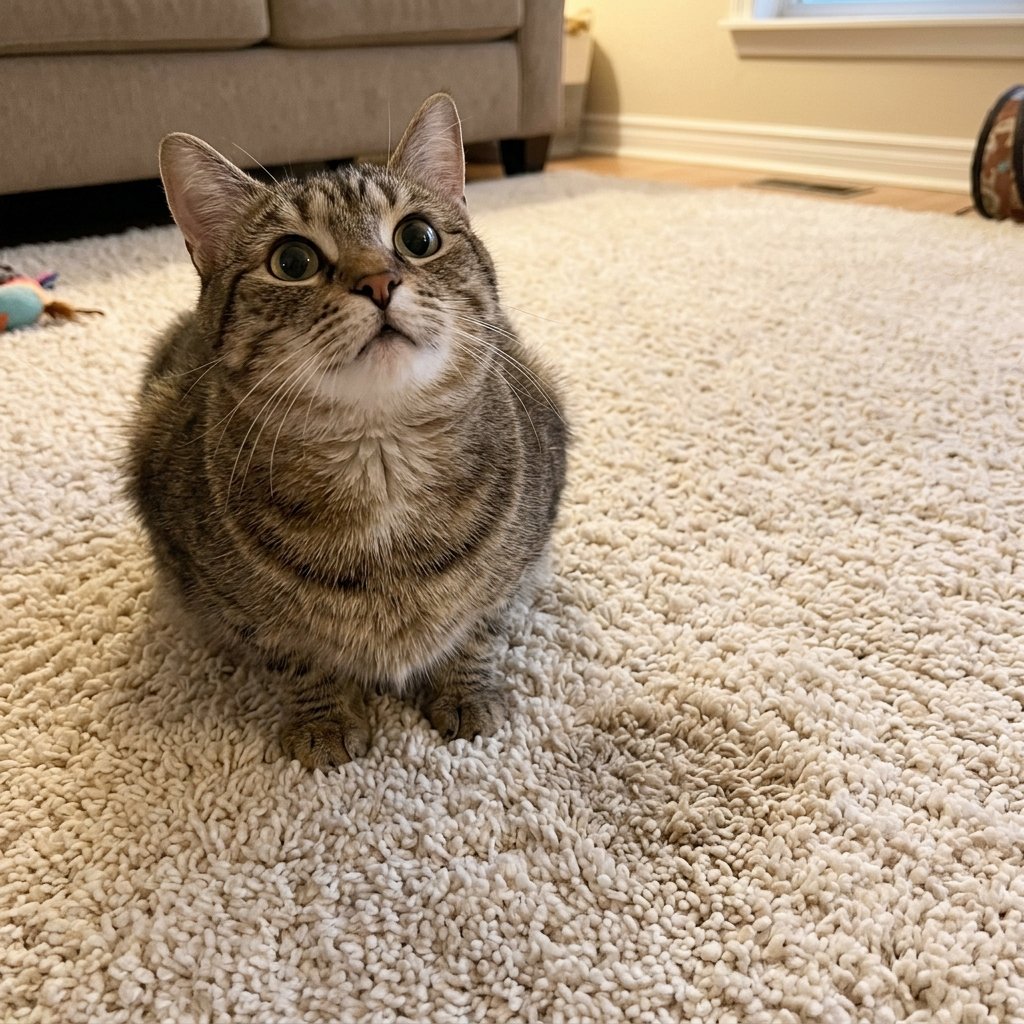
Cats are fussy about cleanliness. A dirty box is a common reason they go elsewhere. Scoop at least once a day, and completely change the litter and wash the box regularly with mild, unscented soap.
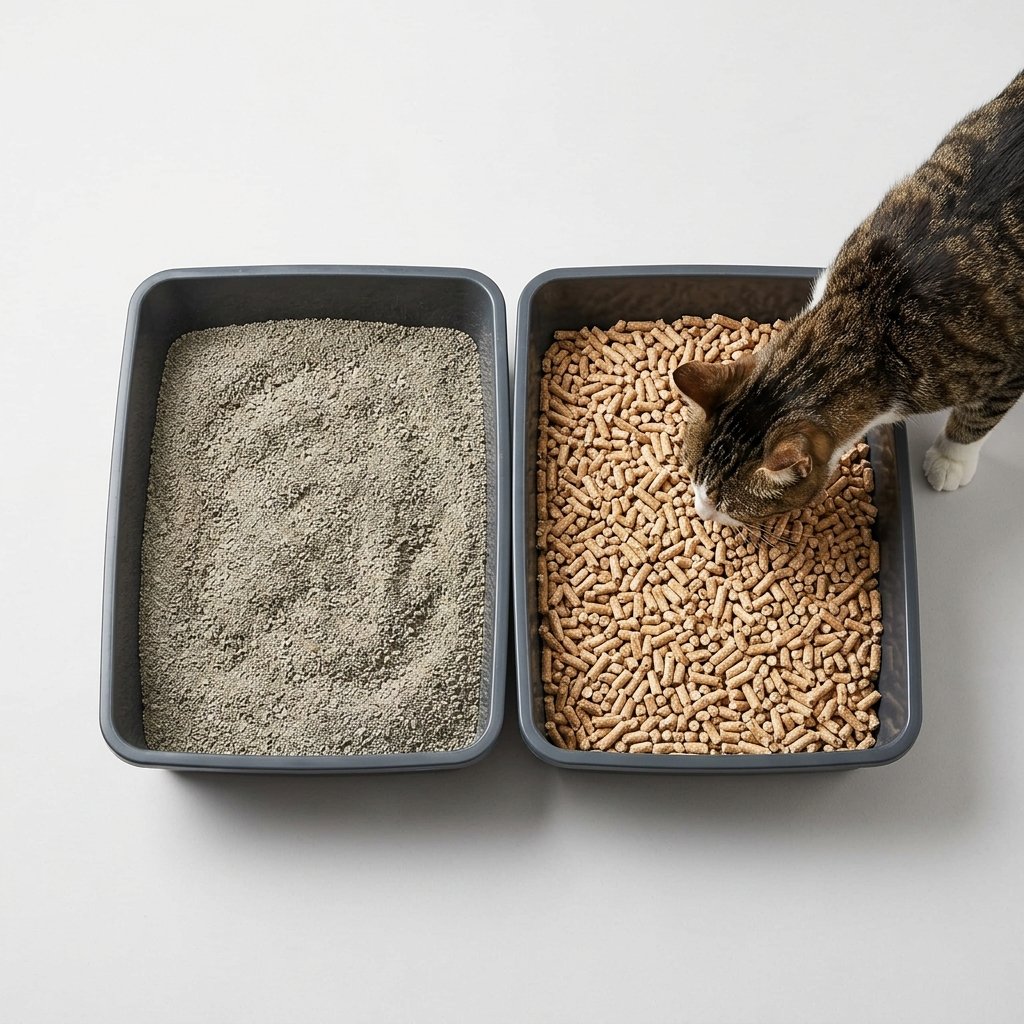
They don’t like the litter
A new brand, a strong scent or a different texture can put a cat off. Many cats prefer unscented, fine-grained, clumping litter. If you recently changed litter, try going back to the old type or offering two types side by side to see which they prefer.
The box itself is the problem
Some cats dislike covered boxes, which can trap smells and feel cramped. Others struggle with boxes that are too small or have high sides. A good rule is a box about one and a half times the length of your cat, uncovered, with a low entrance for older cats.
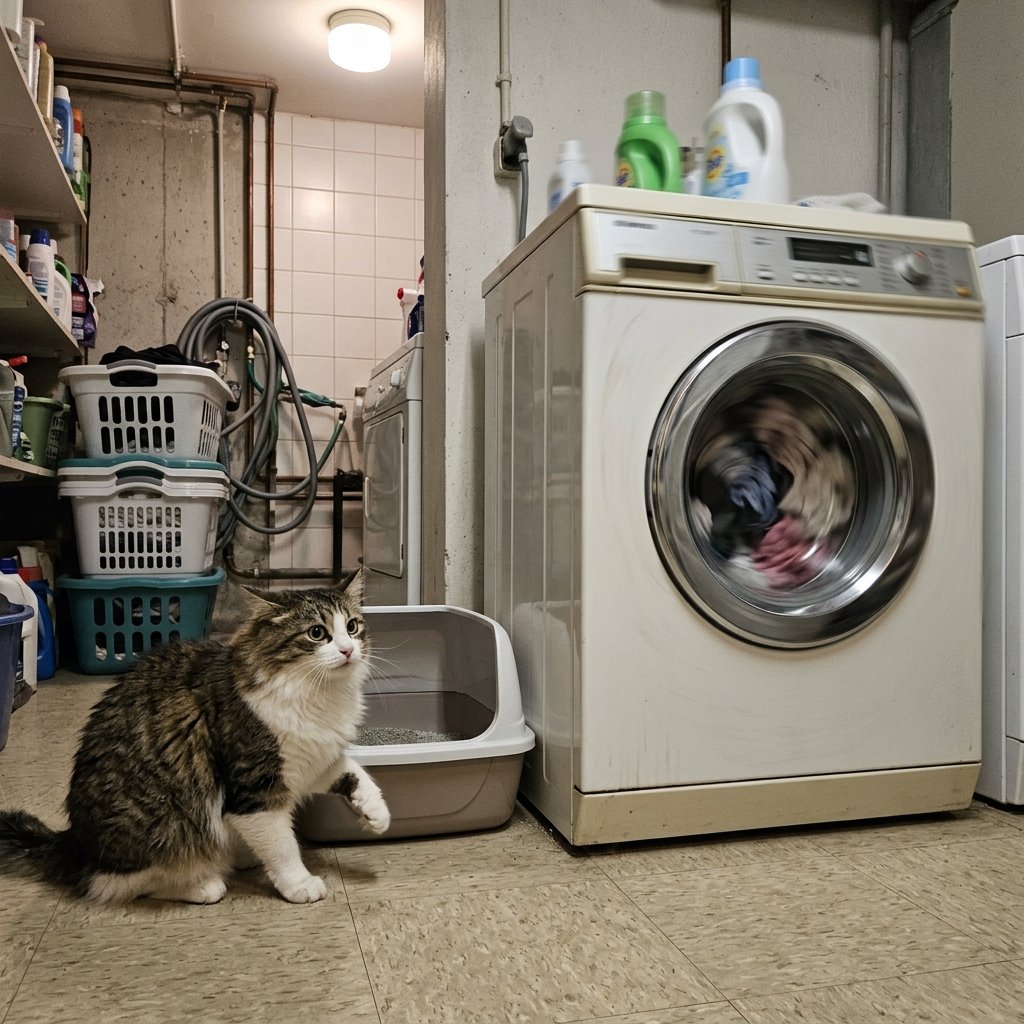
The location is wrong
Cats like privacy, but they don’t want to feel trapped. A box next to a noisy washing machine, in a busy hallway or beside their food bowl may put them off. Choose a quiet, easily accessible spot, ideally away from food and water.
Not enough boxes
The general guideline is one box per cat, plus one extra, in different locations. In multi-cat homes, a cat may avoid the box if another cat guards it or if they feel threatened on the way there.
Stress and changes at home
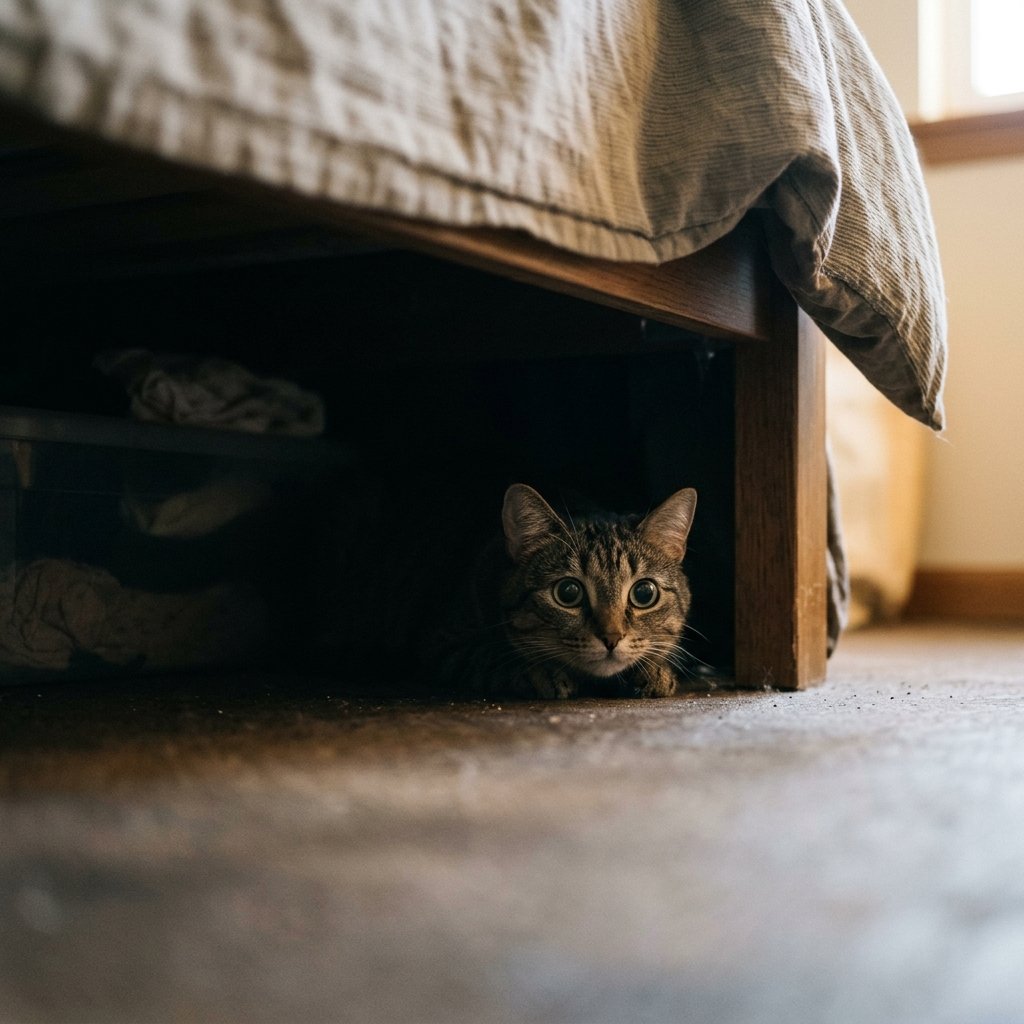
A move, new furniture, a new baby or pet, a change in your schedule or even construction noise can unsettle a cat and lead to accidents. Cats thrive on routine, and when it’s disrupted, they may show it through litter box problems. Our post on why your cat hides covers other signs of stress in cats.
Territorial marking (spraying)
Spraying isn’t the same as regular peeing. A cat who sprays usually stands, lifts the tail, quivers and shoots a small amount of urine against a vertical surface like a wall or door. It’s a form of communication, often triggered by stress, conflict with other cats or the presence of outdoor cats. It’s more common in unneutered cats, though neutered and spayed cats can do it too. Our post on female cat behavior after spaying discusses how spaying affects behavior.
A previous bad experience
If your cat once had a painful experience in the box, got startled by a noise or was ambushed by another pet, they may have learned to avoid it.
Peeing vs. Spraying: How to Tell the Difference
- Peeing: A larger puddle on a horizontal surface, like the floor, a bed or a rug. Your cat squats.
- Spraying: A smaller amount on a vertical surface. Your cat stands, with the tail raised and quivering.
Both need attention, but the causes and solutions can differ. Where your cat goes also gives clues. Soft surfaces like beds and rugs may point to a litter aversion or discomfort, while doors, windows and walls may suggest territorial stress.
How to Fix It: Step by Step
1. Visit your vet
Always start here. Bring a urine sample if your vet asks for one, and note when, where and how often it’s happening.
2. Improve the litter box setup
- Scoop daily and wash the box with mild soap about once a week.
- Use unscented, clumping litter at a depth of about two inches.
- Try an uncovered, roomy box.
- Provide one box per cat plus one extra, in different quiet spots.
- Keep boxes away from noisy appliances and food bowls.
- Offer a low-entry box for older cats.
3. Clean accidents thoroughly
Cats return to places that smell like urine. Use an enzymatic cleaner made for pet urine to break down the odor. Avoid ammonia-based products, which smell like urine to cats and can encourage repeat accidents. Blot up the urine first, then saturate the area with cleaner according to directions.
4. Make accident spots less appealing
Temporarily block access to the area, cover it with foil or plastic, or place a litter box or food dish there, since cats generally don’t soil where they eat. After a few weeks, you may be able to remove the barrier.
5. Reduce stress
Keep routines predictable, give your cat hiding places and high perches, and play with them daily. Some owners find that pheromone diffusers help, although evidence is mixed. Our guide to healthy habits for pets has easy routines that support a calmer home.
6. Support hydration and diet
Good hydration supports urinary health. Wet food adds moisture, and a fountain can encourage drinking. Our guide to the best food for cats covers wet versus dry food. Always ask your vet before changing your cat’s diet, especially if there’s a medical condition.
7. Never punish your cat
Yelling, rubbing your cat’s nose in urine or punishing them after the fact doesn’t work. It increases stress and fear, which often makes the problem worse. Cats don’t link punishment to something that happened earlier.
8. Be patient and consistent
It can take weeks to resolve litter box problems. Track what you change, and make one change at a time so you can see what helps. If you’re still struggling, ask your vet about a referral to a veterinary behaviorist.
When to See a Vet Right Away
- Straining, crying or frequent unsuccessful trips to the box (especially in male cats)
- Blood in the urine
- Vomiting, lethargy or loss of appetite
- Drinking or urinating much more than usual
- Licking the genital area excessively
- Sudden changes in behavior or signs of pain
For more advice on litter box issues and feline health, see International Cat Care, the Cat Friendly Homes resources and the ASPCA’s cat care pages. If you’re new to cat ownership, our guide to pet care tips for beginners covers litter setup and more, and if your cat has become vocal about it, you may also like our post on why your cat meows so much.
Quick Answers
Why is my cat peeing outside the litter box all of a sudden?
A sudden change is often a sign of a medical problem or stress. See your vet first, then look at litter, location and any recent changes at home.
Is my cat peeing outside the litter box on purpose?
No. Cats don’t pee to get revenge. They do it because of pain, stress or dissatisfaction with the litter box.
Why does my cat pee on my bed?
It may be a medical problem, stress or a preference for soft surfaces. Your scent on the bed can also be comforting for an anxious cat. Check with your vet and address the underlying cause.
How do I stop my cat from peeing on the carpet?
Rule out medical causes, improve the litter box setup, clean accidents with an enzymatic cleaner and reduce stress.
Does neutering stop spraying?
It greatly reduces it in most cats, though not in all. Stress and other triggers can still cause spraying.
What litter do cats prefer?
Many cats prefer unscented, fine-grained, clumping litter, but individual preferences vary.
The Bottom Line
When you ask why is my cat peeing outside the litter box, remember that your cat isn’t being naughty. Something is bothering them. Start with a vet visit to rule out medical causes, then look at the litter box, location, stress levels and recent changes. Clean accidents properly, stay patient and never punish. With the right changes, most cats return to the litter box, and your home will smell a lot better.
If your cat is straining to urinate, passing little or no urine or has blood in the urine, contact a veterinarian or emergency clinic immediately.

Discussion 0 comments
Share your thoughts — every perspective adds value.