

Bringing home a puppy is a bit like becoming a parent overnight. One minute you’re picking out a name and a tiny collar. The next, you’re awake at 3 a.m., standing in the garden in your pajamas, whispering “go potty” to a creature the size of a loaf of bread.
The first six months matter more than any other time in a dog’s life. It’s when the foundations are set for their health, their behavior and your relationship. These puppy care tips for beginners will walk you through the essentials, from feeding and vaccines to sleep, socialization and safety, with links to our more detailed guides when you want to go deeper.
Before Your Puppy Comes Home
A bit of preparation saves a lot of stress.
Puppy-proof your home
Get down to puppy level and look for hazards. Puppies explore with their mouths, so anything dangling, chewable or swallowable is a risk. Hide electrical cords, tuck away shoes, remove toxic plants, and keep medications, cleaning products, chocolate, grapes, onions and anything with xylitol well out of reach. Use baby gates to block off areas you can’t supervise.
Gather the essentials
- Food and water bowls
- The food your puppy has been eating at the breeder or shelter
- A collar or harness and ID tag, plus a lightweight leash
- A crate or playpen, and a comfortable bed
- Chew toys in different textures
- Puppy pads or access to a potty spot outside
- A soft brush, nail clippers and a puppy-safe toothbrush and toothpaste
- Enzymatic cleaner for accidents
- Small, soft training treats
Find a vet
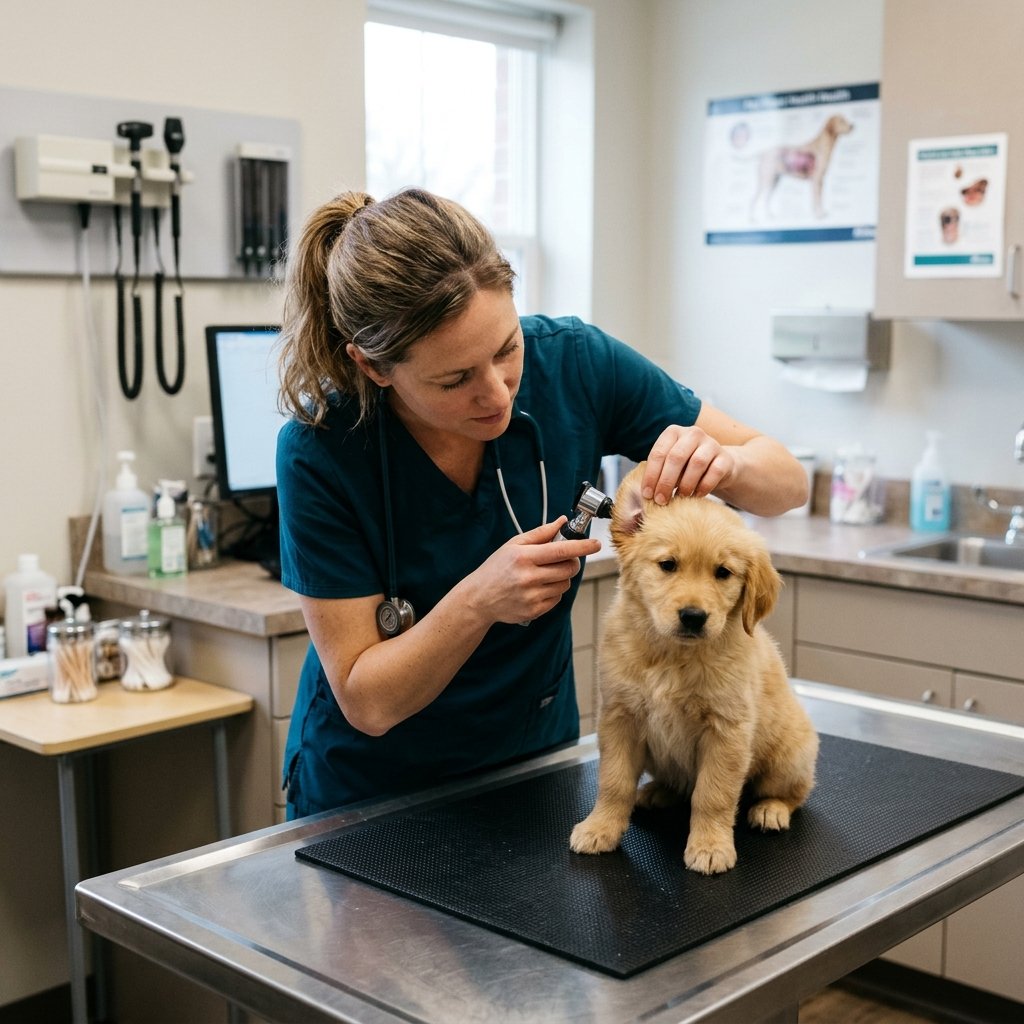
Book a first check-up within a few days of bringing your puppy home. Many sellers and shelters also require a vet exam within a set period. Ask friends or local groups for recommendations, and choose someone you feel comfortable asking questions.
Your Puppy’s First 6 Months at a Glance
- 8 to 12 weeks: settling in, learning routines, first vaccines, early socialization and potty training
- 3 to 4 months: baby teeth start to fall out, more energy, basic training takes off
- 4 to 6 months: teething peaks, adolescence begins, social skills and manners need steady practice
Every puppy is an individual, and breeds grow at different speeds. Treat these as rough guides, not deadlines.
Feeding: What, How Much and How Often
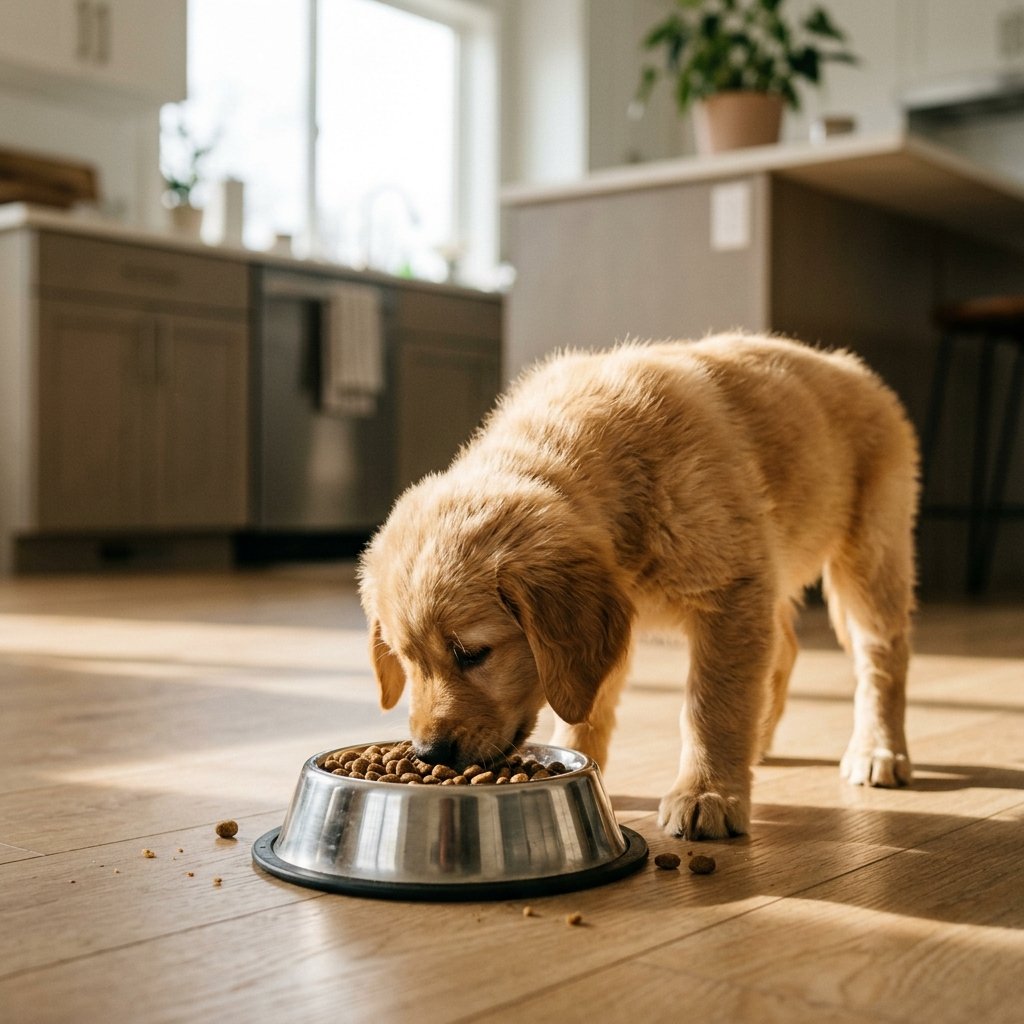
Choose a food made for puppies
Puppies need more calories, protein and certain nutrients than adult dogs to support growth. Look for a food labeled “complete and balanced” for growth or all life stages. If your puppy will be a large or giant breed, choose a food made for large-breed puppies, because their calcium and calorie levels are carefully controlled to protect developing joints. Our pet nutrition guide explains how to read labels and choose a good food.
Meal schedule by age
- 8 to 12 weeks: about 3 to 4 small meals a day
- 3 to 6 months: around 3 meals a day
- 6 to 12 months: usually 2 meals a day
Feed at regular times, and measure portions using the guide on the package as a starting point. Your vet can help adjust amounts as your puppy grows. Avoid free-feeding, which makes house-training harder and can lead to weight problems. Always provide fresh water, and take the bowl away an hour or two before bedtime to reduce night-time potty trips.
Treats and table scraps
Keep treats small and count them toward daily calories. Skip table scraps, especially fatty foods, which can upset a puppy’s stomach. The ASPCA has a useful list of people foods to avoid feeding your pets.
Vet Care, Vaccines and Parasite Prevention
Vaccinations
Puppies usually start their vaccine series at around 6 to 8 weeks, with boosters every few weeks until about 16 weeks. Core vaccines protect against serious diseases like parvovirus, distemper and rabies, and your vet may recommend others depending on where you live and your puppy’s lifestyle. Schedules vary, so follow your vet’s advice and keep a record of every shot.
Parasite prevention
Puppies often have intestinal worms, so your vet will likely recommend deworming and a stool test. Ask about flea, tick and heartworm prevention suited to your area and your puppy’s age and weight.
Microchip, neutering and other decisions
A microchip gives your dog permanent identification, as long as you register it and keep your details updated. The right age to spay or neuter depends on breed, size and your circumstances, so talk it through with your vet.
Ask about pet insurance
Unexpected vet bills are a big source of stress for new owners. It’s worth considering insurance or a dedicated emergency fund early on. The AVMA’s pet owner resources are a good place to learn more about health care and what to expect.
Sleep: Puppies Need a Lot of It
Young puppies sleep roughly 18 to 20 hours a day. It sounds like a lot, but they’re growing fast and need it. An overtired puppy is a nippy, cranky, hyper puppy, so build in plenty of naps.
- Set up a quiet, comfortable sleep spot, such as a crate or playpen.
- Expect night wake-ups for the first few weeks, because a young puppy can’t hold it all night.
- Keep night trips boring: out, potty, back to bed.
If you’re new to crates, our guide to crate training an 8-week-old puppy gives a realistic two-week plan, and dog crate training games shows how to make the crate a happy place.
Potty Training Basics
Take your puppy out first thing in the morning, after every nap, after meals and play, and every one to two hours in between. Reward immediately after they go in the right spot. Clean accidents with an enzymatic cleaner and never punish. For the full routine, see our guide to how to potty train a puppy.
Socialization: The Critical Window
Between roughly 3 and 14 to 16 weeks of age, puppies are especially open to new experiences. What they encounter in this window, in a positive way, helps shape a confident, well-adjusted adult dog. The American Veterinary Society of Animal Behavior recommends early socialization and explains how in its position statements.
What to introduce
- Different people, including children, men, people with hats and people in uniforms
- Different surfaces, like grass, tile, gravel and carpet
- Household sounds like the vacuum, doorbell and traffic, at a low volume at first
- Gentle handling of paws, ears and mouth
- Car rides and new places
- Friendly, vaccinated adult dogs
How to do it safely
Since your puppy won’t be fully vaccinated yet, ask your vet which places are safe. Many vets recommend well-run puppy classes with vaccination requirements, and carrying your puppy to explore the world while avoiding dog parks, pet store floors and places with lots of unknown dogs. Keep every experience positive, with treats and plenty of space, and never force a scared puppy to interact. Fear Free has helpful information on low-stress handling and vet visits.
Training, Chewing and Biting

Start with the basics
You can begin training at 8 weeks, with very short, playful sessions. Reward-based methods are the best approach, and our guides to how to train a puppy and positive reinforcement dog training explain how. When you’re ready for sit, down, stay and come, our basic dog commands training plan walks you through them one week at a time.
Expect chewing and nipping
Puppies explore with their mouths, and teething makes it worse. Provide plenty of safe chew toys, redirect calmly and make sure your puppy gets enough sleep and exercise. For help, see our guides on puppy teething symptoms, why your dog chews everything and how to stop a dog from biting.
Leash manners
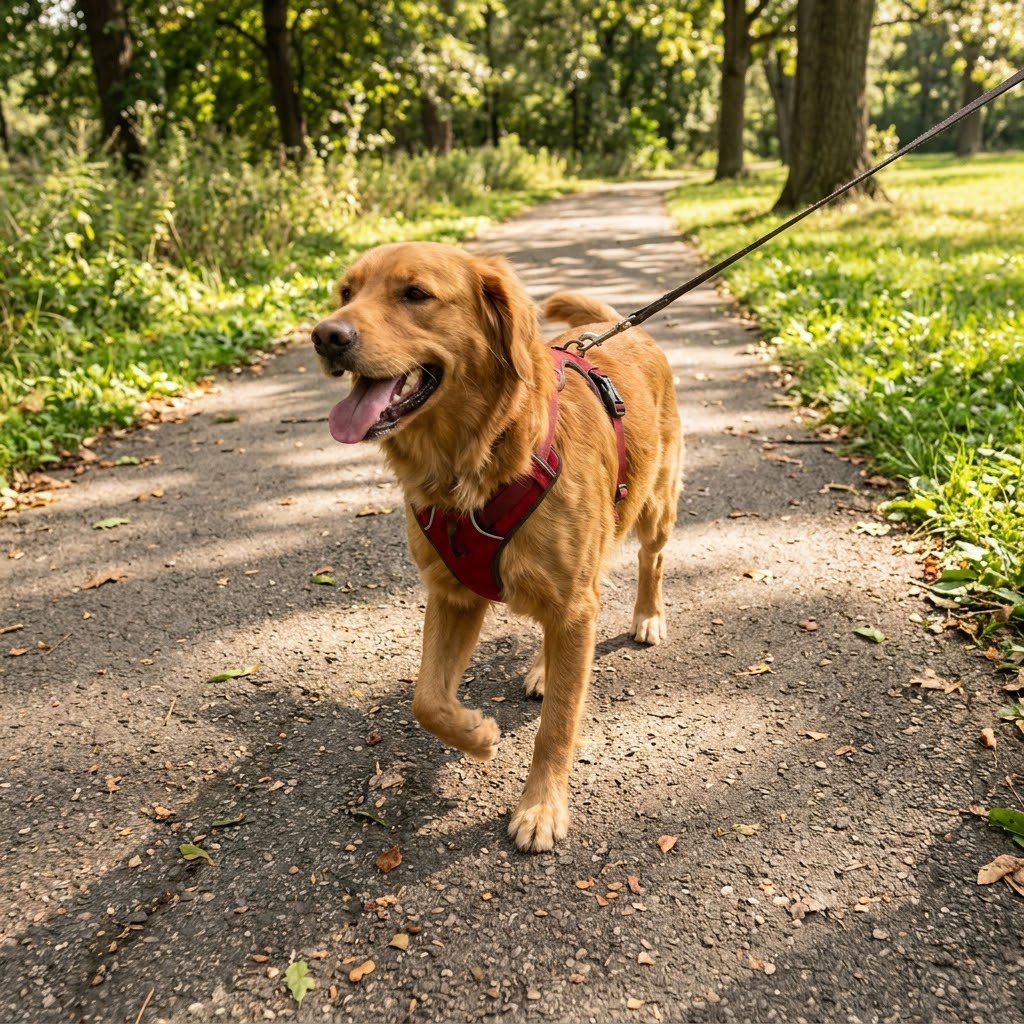
Introduce the collar and leash gently, in the house first. Our guide to how to leash train a dog covers loose-leash walking.
Exercise: Enough, But Not Too Much
Puppies need play and gentle exercise, but their bones and joints are still developing. Avoid forced running, long jogs or repetitive jumping, especially in large breeds. Short walks, play sessions and exploring the yard are plenty at first. Ask your vet how much exercise is right for your puppy’s breed and age. Mental exercise counts too: sniffing games, puzzle feeders and short training sessions tire puppies out beautifully.
Grooming and Hygiene
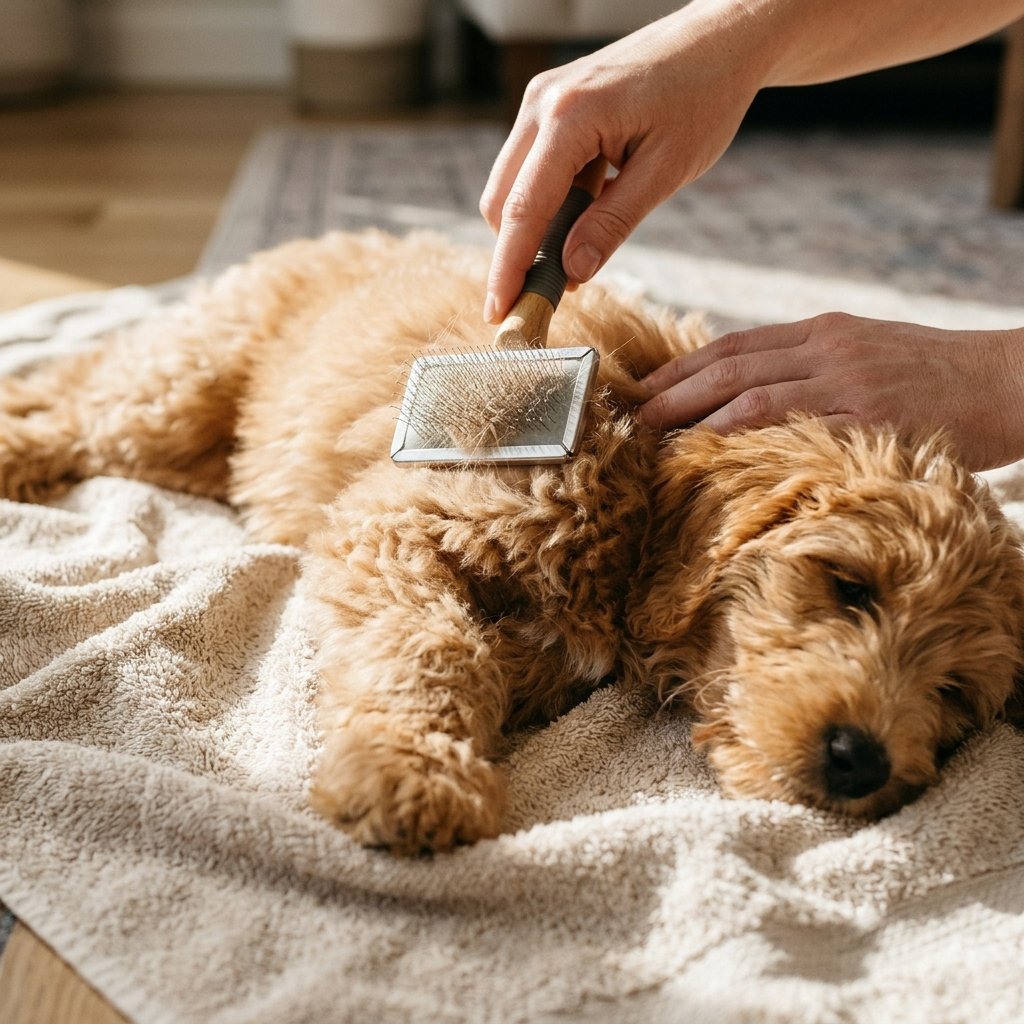
Start grooming habits early, with short, positive sessions and plenty of treats.
- Brushing: a few times a week, or daily for long coats
- Nails: trim every few weeks, and get your puppy used to having their paws touched
- Ears and eyes: check regularly and ask your vet about anything unusual
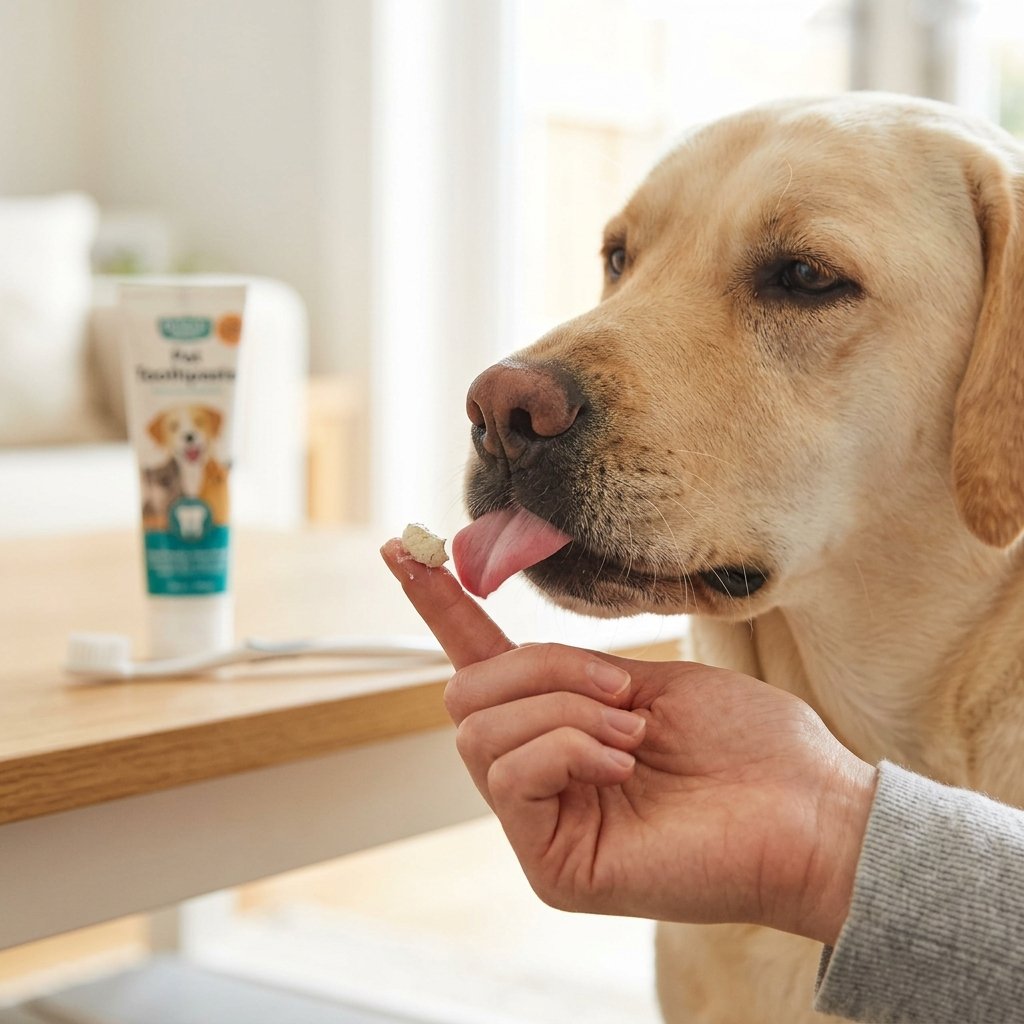
- Teeth: begin brushing early. Our guide to how to brush a dog’s teeth shows how to build the habit
- Baths: only when needed, with a puppy-safe shampoo. See how often you should bathe a dog
A Sample Day With a Young Puppy
- 7:00 a.m.: straight outside to potty, then breakfast
- 8:00 a.m.: short play or training, potty break, then a nap
- Late morning: potty, play, lunch and another nap
- Afternoon: socialization or a quiet outing, training and a nap
- Early evening: dinner, potty break and gentle play
- Bedtime: last potty trip, and into the crate or bed
Routines make puppies feel secure and speed up learning. Predictable times for meals, potty, play and sleep are the secret ingredient.
When to Call the Vet
Puppies can get sick quickly. Contact your vet right away if you notice:
- Repeated vomiting or diarrhea, especially if bloody
- Lethargy, weakness or refusing to eat
- Trouble breathing, coughing or pale gums
- A swollen, painful belly
- Seizures or collapse
- Swallowing something dangerous or toxic
Vomiting, bloody diarrhea and lethargy in an unvaccinated or partly vaccinated puppy can be signs of parvovirus, which is an emergency. Don’t wait. The CDC’s healthy pets page also has guidance on keeping people and pets healthy together.
Common Beginner Mistakes
- Skipping early socialization or overdoing it too fast
- Letting an overtired puppy stay up
- Giving too much freedom too soon
- Punishing accidents or chewing instead of preventing them
- Inconsistent rules in the household
- Delaying vet visits and vaccinations
For more on avoiding these, read our guide to common dog training mistakes. And once the first months are behind you, our overview of pet care tips for beginners and healthy habits for pets can help you keep building good routines. The AKC’s training library and the ASPCA’s dog care pages are also good for further reading.
Quick Answers
What are the most important puppy care tips for beginners?
Feed a good puppy food at regular times, keep up with vet visits and vaccines, make sure your puppy sleeps plenty, socialize gently and positively, start training early and puppy-proof your home.
How often should I feed my puppy?
Three to four small meals a day for very young puppies, then three, then two as they grow. Your vet can give you specific guidance.
When can my puppy go outside?
Ask your vet. Many recommend limiting exposure to unknown dogs and public areas until vaccinations are complete, while still allowing safe socialization through carrying, controlled visits and classes.
How long should a puppy sleep?
Young puppies often need 18 to 20 hours a day. Provide a quiet, comfortable place to rest.
When do puppies stop being so hard work?
Many owners find it eases around 6 months, once potty training and teething settle, though adolescence brings its own challenges. Consistency pays off.
How much does a puppy cost in the first year?
It varies widely. Plan for food, vet care, vaccines, parasite prevention, supplies, training and an emergency fund.
The Bottom Line
The first six months with a puppy are demanding, funny, exhausting and wonderful, often all in the same hour. With the right puppy care tips for beginners, a steady routine, regular vet care, gentle socialization and lots of patience, you’ll lay the groundwork for a healthy, confident dog. Take it one day at a time, ask your vet when you’re unsure and enjoy the short, sweet puppy days. They go by fast.
This article is general information and isn’t a substitute for professional veterinary advice. If your puppy shows signs of illness, contact your veterinarian right away.

Discussion 0 comments
Share your thoughts — every perspective adds value.