

It’s 6:12 on a Saturday morning. The mail carrier has just walked past the house, and your dog is announcing it to the entire street. Again. Your neighbors may or may not be thinking unkind thoughts. You are definitely thinking about earplugs.
Barking is one of the top reasons people write to trainers, vets and dog blogs, and one of the easiest to get wrong. The trick to how to stop a dog from barking isn’t a gadget or a firm voice. It’s figuring out why your dog is barking, then changing what happens next. This guide walks through exactly that, situation by situation.
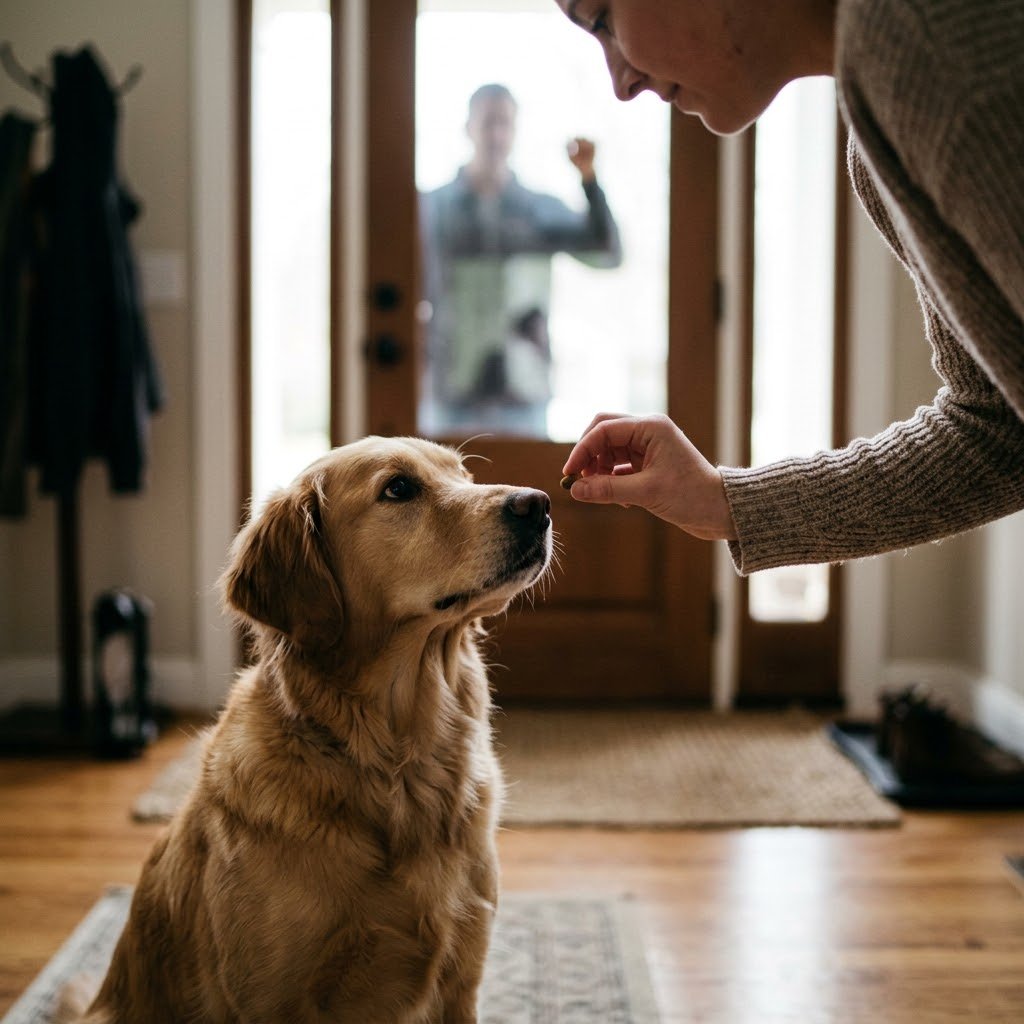
First, Accept This: Barking Is Normal
Dogs bark the way we talk. It’s communication. A dog who never barked would be unusual, and a dog who barks sometimes is just a dog. The goal isn’t silence. It’s getting rid of excessive barking, the kind that goes on too long, happens at the wrong time or seems to come from stress.
Some breeds are chattier by design. Terriers, beagles, shepherds and many small dogs tend to be vocal. That doesn’t mean they can’t learn to be quieter, only that you’ll need more patience.
Why Does My Dog Bark So Much?
Different barks mean different things, and the fix depends on the cause. The most common reasons are:
- Alert or territorial barking: reacting to people, dogs, noises or movement outside
- Excitement: barking during play, at the door, when you pick up the leash
- Attention-seeking or demand barking: “feed me,” “play with me,” “look at me”
- Boredom: not enough exercise or mental work
- Fear or anxiety: including barking when left alone
- Frustration: barking at a fence, a barrier, or a dog they can’t greet
- Pain or aging: new barking in an older dog, especially at night, can have a medical cause
Pay attention to the when and where. For a week, jot down notes: what happened right before, how long it lasted, what your dog did afterwards. Patterns appear quickly, and they tell you which fix to use.
The Four Rules That Work for Almost Every Barking Problem
1. Don’t reward the barking
This one catches everyone. If your dog barks and gets fed, petted, let outside or even shouted at, the barking worked. Dogs repeat what pays off. Yelling is a quiet reward too, because to a dog it sounds like you’re joining in.
2. Reward quiet
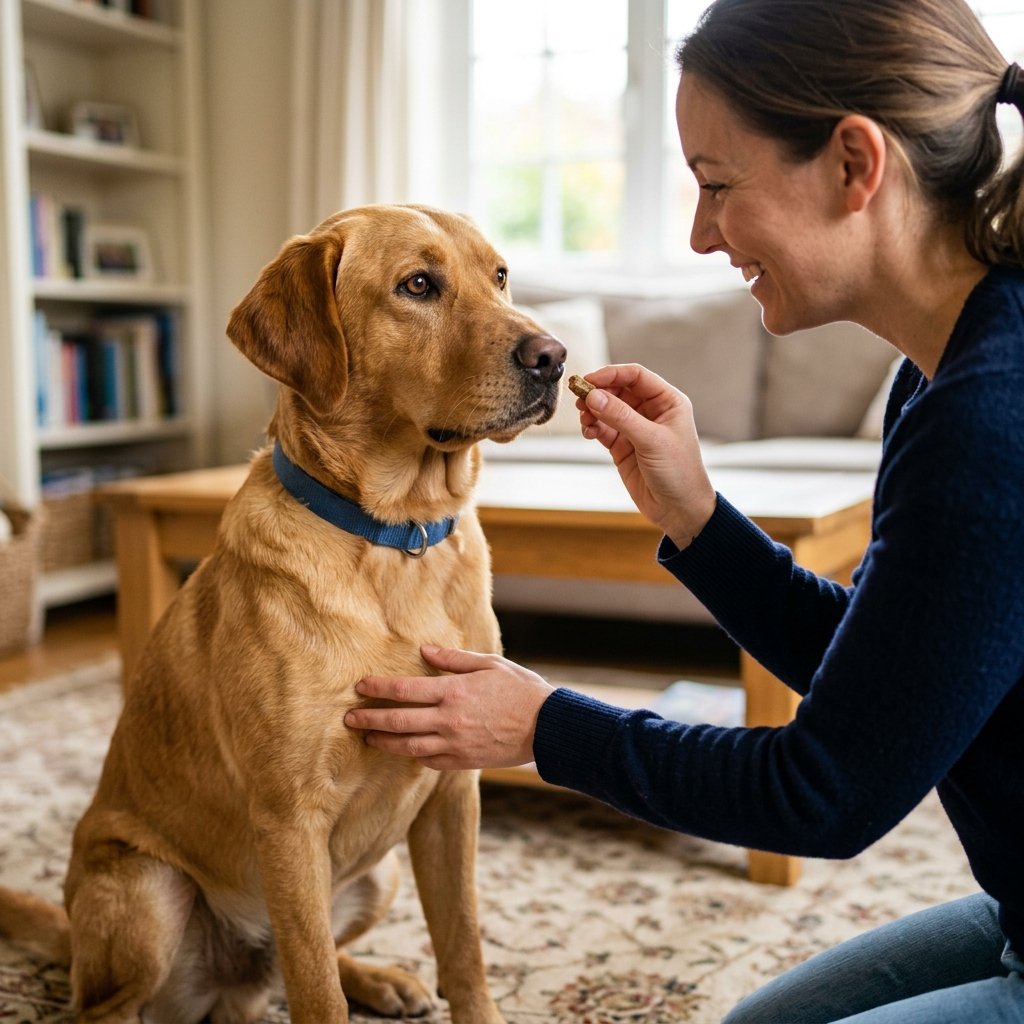
Catch your dog being silent and mark it with a quick “yes” or “good,” then give a treat. Most owners pay attention only when the dog is noisy. Flip that around.
3. Meet the need underneath
A dog that barks from boredom needs more to do, not a sterner voice. Anxious dogs need security and gradual practice. Dogs who bark at windows need the view managed. Treat the cause, not just the noise.
4. Be consistent
If one person yells, another gives treats and a third ignores it, your dog has no idea what the rules are. Make sure everyone in the house follows the same plan.
Teach a “Quiet” Command
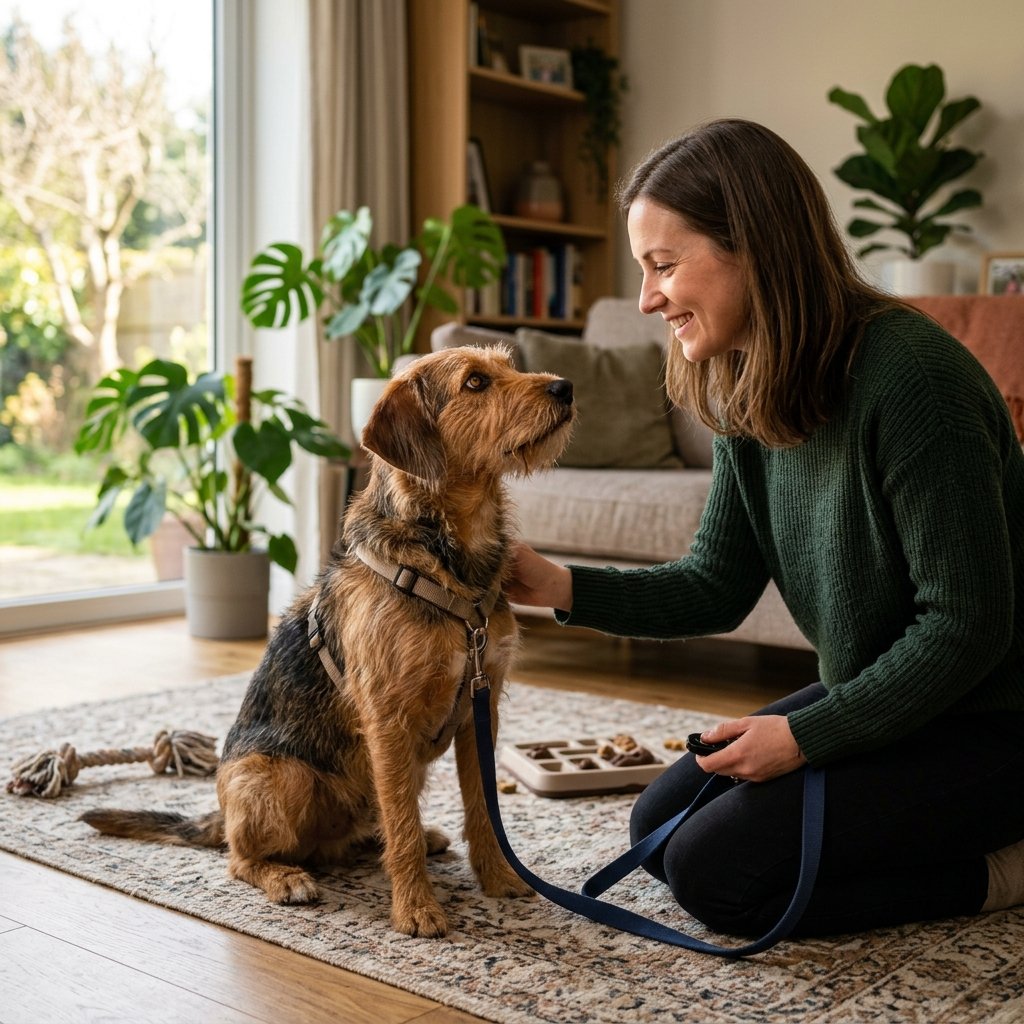
A “quiet” cue gives you something to use when barking starts. Here’s an easy way to build it:
- Wait for your dog to bark at something predictable, like a knock or a toy. Let them bark two or three times.
- Hold a treat near their nose. Most dogs stop barking to sniff.
- The moment they’re quiet, say “quiet” calmly and give the treat.
- Gradually extend the quiet time before the treat arrives: two seconds, five seconds, ten.
Some trainers teach “speak” first so the dog understands the difference. Either way, keep it positive and short. If your dog finds waiting hard, the impulse-control skills in our guide to how to teach a dog to stay help a lot, and the basics in basic dog commands make everything else easier.
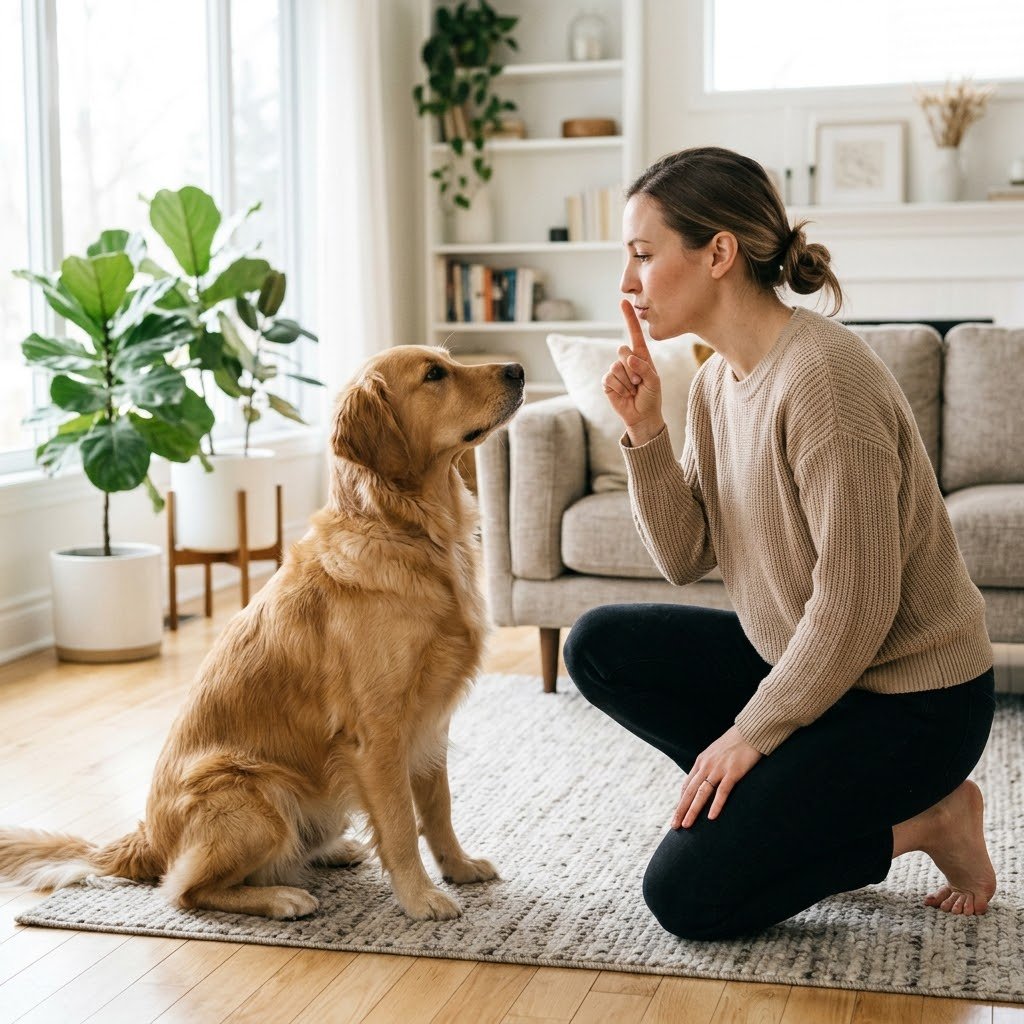
How to Stop a Dog From Barking at Strangers and Visitors
Doorbell barking is probably the most common household complaint. Your dog is doing their job as a self-appointed security guard, and the doorbell is a signal that sets them off.
- Change what the doorbell means. Ring the bell (or play a recording), then immediately toss treats on a mat or in a bed. Repeat until your dog runs to the mat when they hear it.
- Teach a “go to your place” routine. A mat or bed gives your dog an alternative job.
- Use a leash or gate at first. Management prevents rehearsal of the barking.
- Ask guests to ignore your dog until they’ve calmed down.
How to Stop a Dog From Barking at the Window or Fence
Every time your dog barks at a passing person and they walk away, your dog thinks, “Wow, I did that. I’m good at this.” That’s a powerful reinforcement loop.
- Block the view with frosted window film or by closing curtains and blinds.
- Block access to the window when you’re not around, using a baby gate or by closing a door.
- For fence barking, supervise yard time, call your dog away before the barking starts and offer a toy or treat instead.
How to Stop a Dog Barking at Other Dogs on Walks
This is often called barrier frustration or reactivity, and it’s usually about excitement, fear or both. Create distance, because dogs can’t learn when they’re overwhelmed. Reward your dog for looking at another dog without barking, then increase the closeness slowly over weeks. Don’t force greetings. If your dog’s reactions are intense, a certified positive-reinforcement trainer can help you plan safely. Pairing this with solid loose-leash skills also helps, and our guide on how to leash train a dog covers the basics.
How to Stop a Dog From Barking When Left Alone
If your dog barks, howls or whines mostly when you’re out, they may be bored, lonely or anxious. Some dogs have true separation anxiety, which looks like panic rather than boredom. Signs include drooling, pacing, destructive chewing, accidents indoors and frantic greetings. Our post on why your dog chews everything goes into the link between anxiety and destructive behavior.
What can help:
- Plenty of exercise before you leave
- A stuffed chew or puzzle toy to keep the brain busy
- Gradual practice with short absences, building up slowly
- Low-key departures and arrivals, with no big goodbye drama
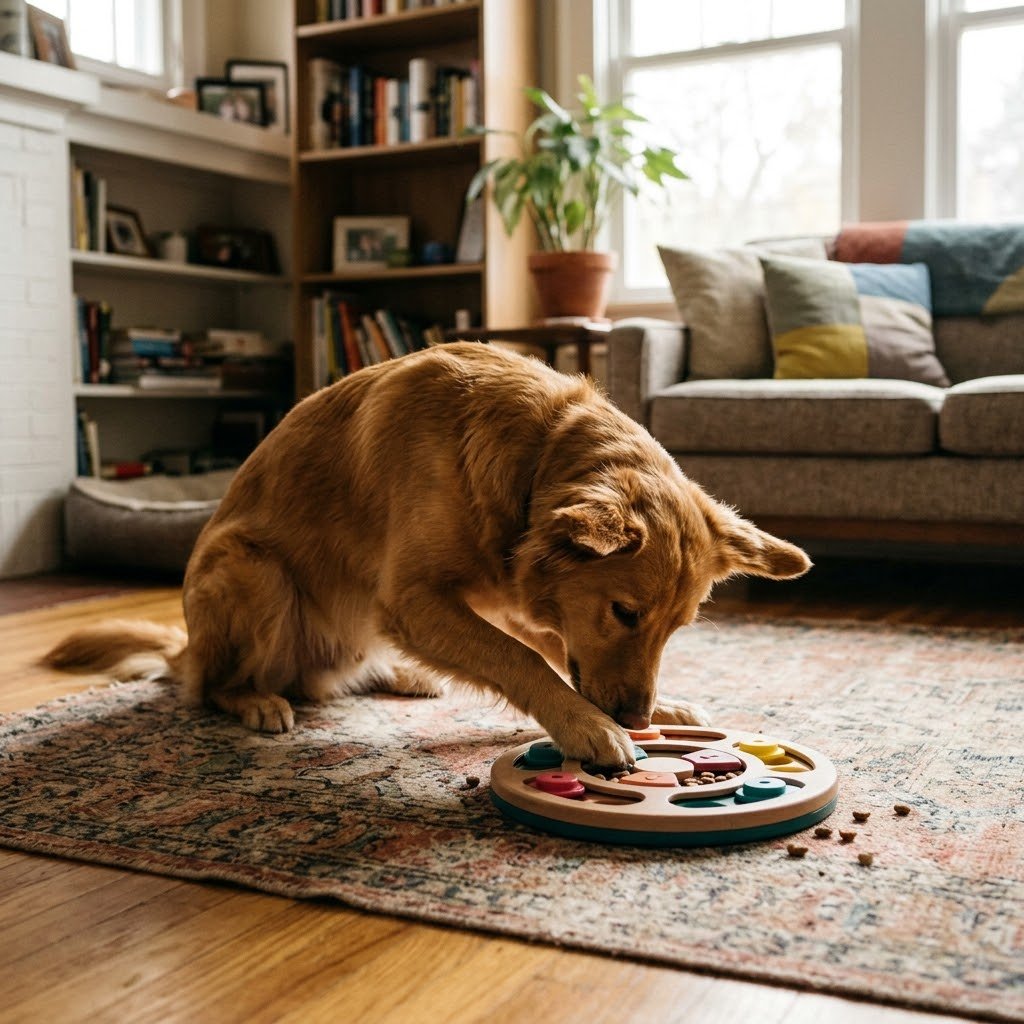
For true separation anxiety, talk to your vet or a qualified behavior professional. It’s a welfare issue, not a training failure, and sometimes treatment includes medication.
How to Stop a Dog From Barking at Night
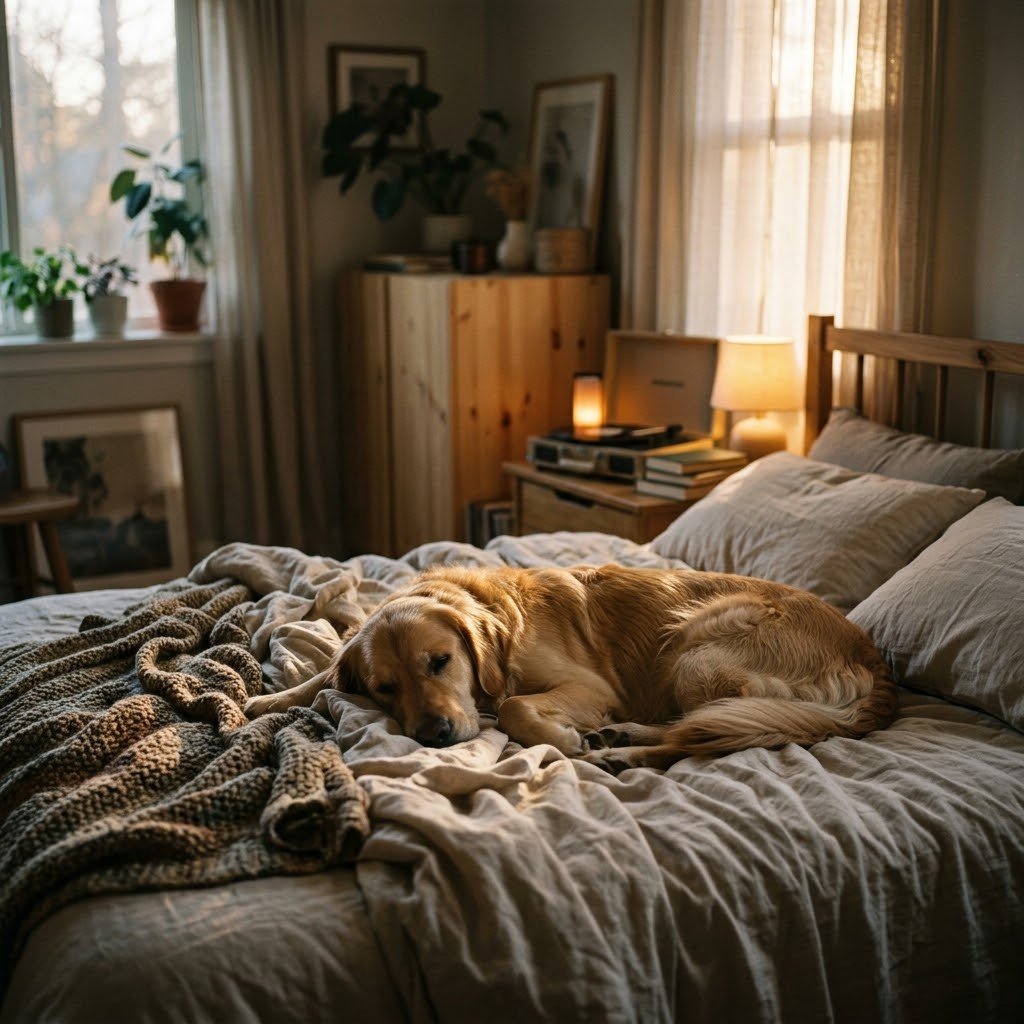
Night barking has a few likely causes: needing to pee, noise outside, loneliness or discomfort. Work through them in order.
- Check the basics. Has your dog had a chance to go to the toilet before bed? Is the room a comfortable temperature?
- Set up a cozy spot. A bed, a crate (if your dog likes it) or a space in your bedroom can help. Puppies often settle better close to you. See our crate training plan for 8-week-old puppies for night routines.
- Use a wind-down routine. A last walk, a quiet chew and lights down at the same time each night.
- Muffle outside sounds. A fan or soft white noise can help.
If an older dog suddenly starts barking at night, see your vet. Pain, hearing loss, vision changes and age-related cognitive decline can all show up this way.
Why Is My Dog Barking at Nothing?
It feels like they’re barking at nothing, but dogs hear and smell far more than we do. They may be reacting to a distant sound, an animal outside or a scent on the breeze. If it’s regular, treat it like alert barking: calmly acknowledge it (“thanks, I heard it”), call your dog away and reward them for coming. Barking at nothing combined with confusion, staring at walls or restlessness at night in an older dog should be checked by a vet.
How to Stop a Puppy From Barking
Puppies bark to explore, play, ask for things and complain about being alone. Keep expectations realistic: a puppy isn’t going to be silent. Reward calm behavior early, make sure they get enough sleep, play and chewing time, and avoid rewarding demand barking. Starting good habits early pays off for years, and our puppy training guide covers the first steps.
How to Stop a Dog From Barking at Neighbors
If barking is causing tension with the people next door, act quickly and kindly. Let them know you’re working on it. Manage the environment first, with curtains closed, a white noise machine and no unsupervised yard time while your dog is barking. Then apply the training steps above. Most neighbors are much more forgiving when they can see you’re making an effort.
Stopping Demand Barking
The dog stares at you and barks until you give in. The answer is boring but effective: wait for even a brief pause in barking before you respond, then reward it. If you reward the barking by acting on it, you’re just teaching them to be louder next time. This will often get worse before it gets better (called an extinction burst), so don’t give up halfway.
Make Sure Your Dog Gets Enough Exercise and Enrichment
A huge amount of barking is leftover energy. A tired dog barks less. Most dogs need more than a quick walk, and a sniffing-focused walk, a game of fetch or a food puzzle can do wonders. If you want ideas for building a routine that fits into daily life, see our post on healthy habits for pets.
What Not to Do
- Don’t yell. It often sounds like you’re barking along.
- Don’t use punishment. Scolding, spraying water or shaking a can of coins can make anxious dogs worse and damage trust.
- Think carefully about anti-bark collars. Shock, spray and vibration collars suppress the barking without fixing the reason, and can add fear and stress. The American Veterinary Society of Animal Behavior opposes the use of aversive methods and explains why in its position statements.
- Don’t ignore the problem completely. “Ignoring” only works for attention barking. It won’t help with fear, boredom or anxiety.
When to Call a Professional
Get help from your vet or a certified trainer or behaviorist if your dog’s barking:
- Starts suddenly, or changes in a senior dog
- Comes with signs of fear, panic or aggression
- Happens mostly when you leave, with other signs of distress
- Doesn’t improve after several weeks of consistent work
The AVMA’s pet owner resources and the ASPCA’s dog care pages are good starting points, and the AKC maintains a broad library of training advice. You can also read our earlier overview on stopping dog barking and the wider picture in common dog behavior problems.
How Long Will It Take?
Simple habits, like doorbell barking, can improve within a couple of weeks of daily practice. Deeper issues like anxiety or reactivity can take months. Progress is rarely a straight line, and it’s normal to have good days and rough ones. What matters is that the overall trend is moving in the right direction.
Quick Answers
What is the fastest way to stop a dog from barking?
There’s no instant fix, but the quickest reliable approach is to stop rewarding barking, reward quiet and meet your dog’s exercise and enrichment needs. Most owners see improvement within a couple of weeks.
Do bark collars work?
They can interrupt barking, but they don’t address the cause and may increase fear or anxiety. Experts generally recommend reward-based training instead.
Should I ignore my dog when they bark?
Only if the barking is for attention. If it’s due to fear, boredom or anxiety, you need to address the cause.
Why does my dog bark at everything?
Usually a mix of a naturally alert temperament, too little exercise and accidental rewards. Increase mental and physical activity and practice rewarding calm behavior.
Will my dog stop barking as they get older?
Some do, particularly if puppy excitement is the cause, but habits that have been rewarded for years tend to stick. Training helps at any age.
The Bottom Line
Learning how to stop a dog from barking mostly comes down to detective work and patience. Figure out the trigger, stop paying for the noise, reward the quiet, give your dog enough to do and stay consistent. Skip the shouting and the shortcuts. Do that for a few weeks, and the 6 a.m. mail carrier will become a lot less dramatic.
If your dog’s barking is sudden, intense or linked to fear or distress, check in with your veterinarian or a qualified behavior professional.

Discussion 0 comments
Share your thoughts — every perspective adds value.