

You get up to make a coffee. Your dog follows. You head to the bathroom. Your dog follows and then waits outside the door with the patience of a bodyguard. You walk into the laundry room, the bedroom, the garden, and there’s that familiar pitter-patter of paws right behind you.
If you’ve ever wondered why does my dog follow me everywhere, you’re not alone. It’s one of the most common, and most endearing, dog behaviors. In most cases, it’s a sign of love and attachment. But sometimes it can also point to boredom, habit or anxiety. Let’s break down what’s behind it and when it’s worth doing something about.
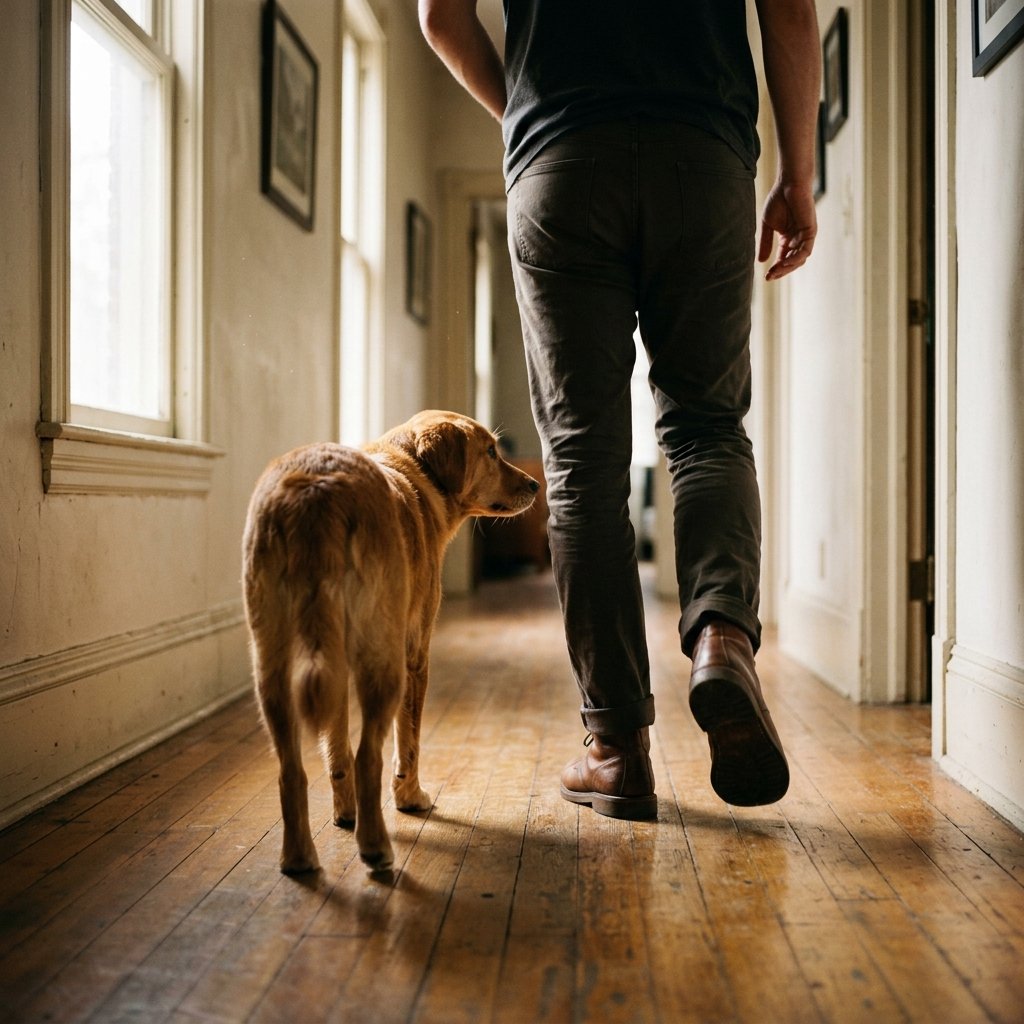
Why Does My Dog Follow Me Everywhere? The Short Answer
Dogs are deeply social animals. Over thousands of years of living alongside people, they’ve become experts at reading us, staying close to us and treating us as their main source of safety, food and companionship. For most dogs, following you around is simply what a bonded dog does.
But there’s more than one reason, so let’s go through them.
9 Reasons Your Dog Follows You Around
1. They’re bonded to you
You’re their person. Dogs form strong attachments, and staying near you feels good. Your dog wants to know where you are and be part of whatever you’re doing, even if that’s folding laundry.
2. They’re social animals
Dogs evolved to live in groups. In a household, you are their group. Wherever the group goes, the dog goes too. It’s less about “needing” you and more about being a natural part of the pack.
3. You’ve rewarded it (without realizing)
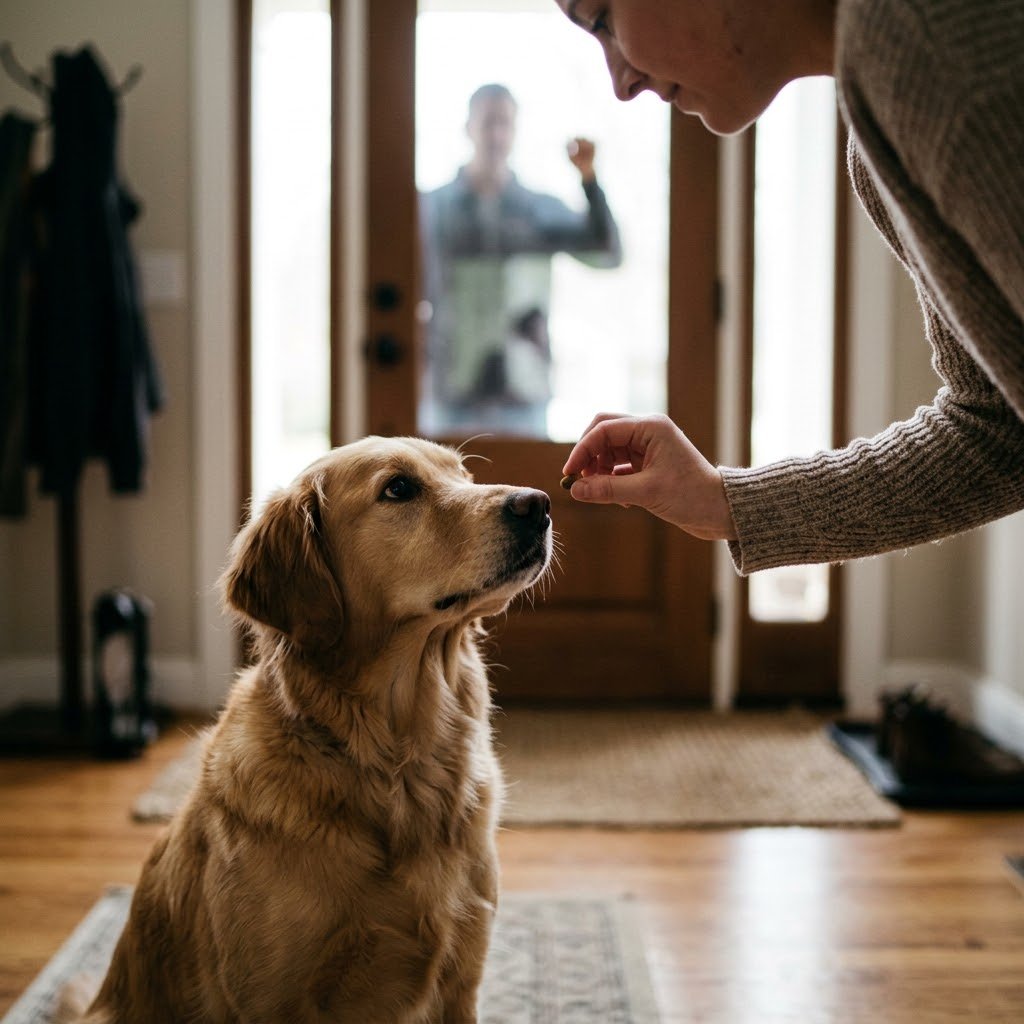
Dogs repeat what works. If following you around has led to petting, a treat, a game or a bit of attention, it’s become a rewarding habit. Even a quick “hello, buddy” counts. Our guide to positive reinforcement dog training explains how easily dogs learn which behaviors pay off.
4. It’s a habit and a routine
Dogs love routines. If you’ve always had your dog shadow you from room to room, that’s become normal. They’ve learned your daily patterns, and they know that when you move, interesting things might happen, like food, walks or play.
5. They’re curious or bored
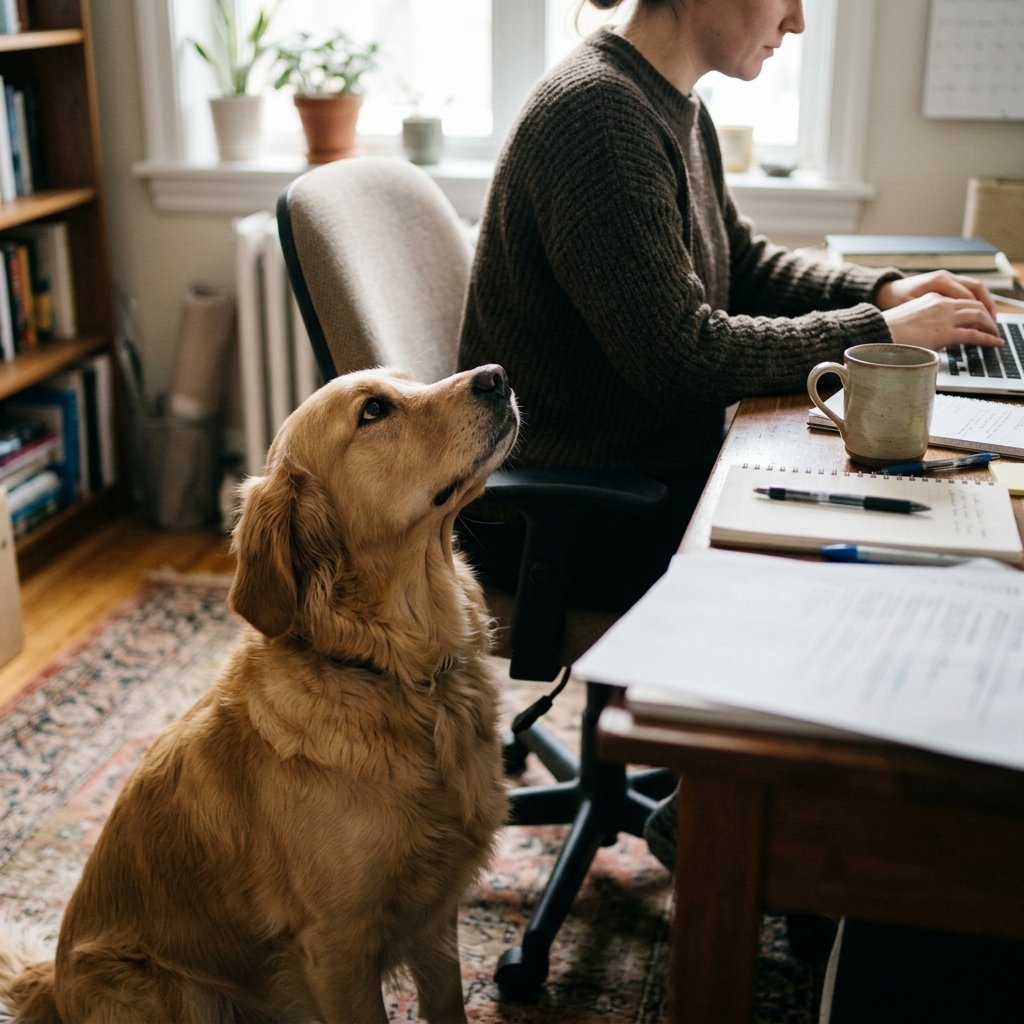
You’re the most interesting thing in the house. If your dog doesn’t have enough exercise, toys or mental stimulation, following you is the best entertainment available. It’s like having a front-row seat to your day.
6. They’re waiting for something good
Dogs are smart. They know that you’re the source of dinner, walks and treats. If your dog follows you to the kitchen, they’re likely hoping something delicious falls to the floor, or that you’ll head for the leash.
7. Their breed makes them “Velcro dogs”
Some breeds were developed to work closely with people. Herding dogs, retrievers and many companion breeds, such as border collies, Labradors, German shepherds, vizslas, Havanese and Cavalier King Charles spaniels, often have an especially strong urge to be near their people.
8. They feel insecure or anxious
Some dogs follow you because they feel safer when you’re close. Anxious dogs, rescue dogs or dogs in new environments may need more reassurance. If your dog gets distressed when you leave their sight, that can point to something more than a normal attachment. We’ll look at that below.
9. Age or health changes
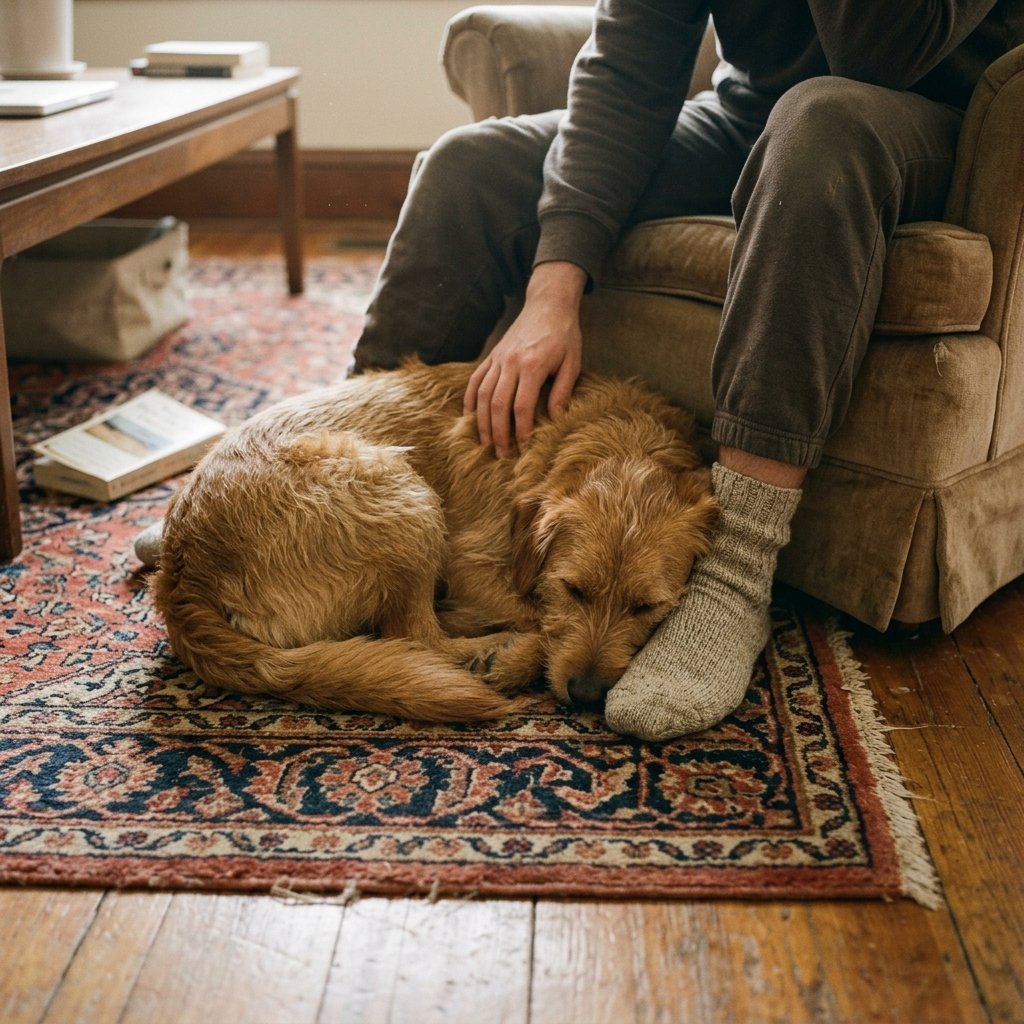
Puppies follow constantly. They’re learning about the world and feel safest near you. Older dogs may follow more if their eyesight or hearing is fading, or if they feel confused. A sudden increase in clinginess in an adult dog can also be a sign of pain or illness, so it’s worth mentioning to your vet. The AVMA’s pet owner resources are a handy reference for general health questions.
Why Does My Dog Follow Me to the Bathroom?
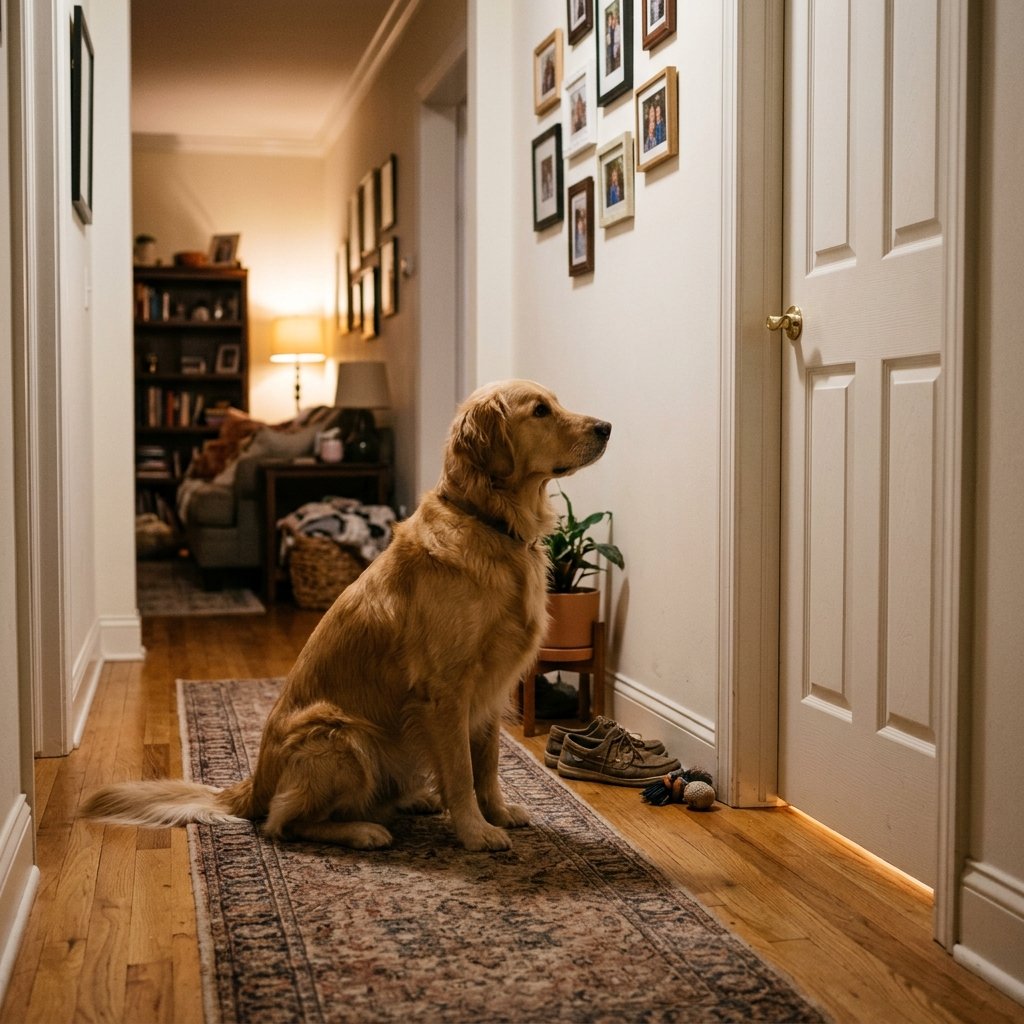
Ah, the bathroom shadow. For dogs, it’s usually not about privacy at all. A closed door means you’ve disappeared, and a dog who’s bonded to you wants to be where you are. They might also be curious about what you’re doing, or simply used to being included in everything. It’s harmless, even if a little awkward.
Is It Normal for a Dog to Follow You Everywhere?
In most cases, yes. If your dog follows you around, then settles happily when you sit, can relax when you leave the room and isn’t distressed when you go out, that’s a normal, healthy attachment. Many people find it one of the loveliest parts of having a dog.
When Following Becomes a Problem: Clingy vs. Separation Anxiety
There’s a difference between a dog who likes to be near you and a dog who can’t cope without you. Signs that following might be more than normal include:
- Panic, whining or barking when you leave a room or the house
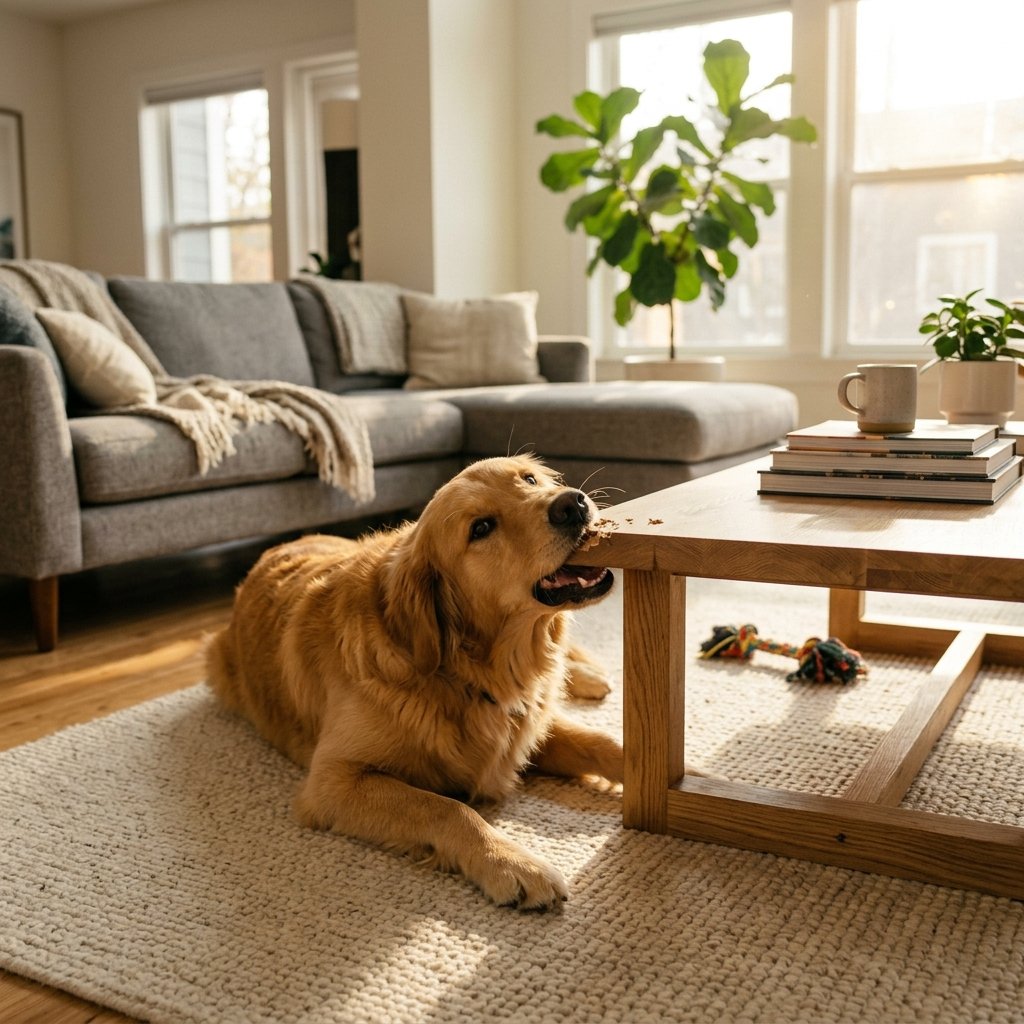
- Destructive behavior when left alone, such as chewing doors or furniture
- Pacing, drooling or panting when you get ready to leave
- Accidents in the house when left alone, even in a house-trained dog
- Refusing to eat or settle when you’re not there
- Constant need to touch you or be in contact
These can be signs of separation anxiety, which is a welfare issue and not just “bad behavior.” If you recognize them, talk to your vet. They may refer you to a veterinary behaviorist. The American College of Veterinary Behaviorists has information on finding one. Our posts on why your dog chews everything and how to stop a dog from barking also cover the link between anxiety and these behaviors.
How to Help a Dog Who Follows You Everywhere
If your dog’s shadowing is sweet but you’d like a bit more breathing room, or if it’s tipping into anxiety, these steps can help.
Teach a “place” or “settle” cue
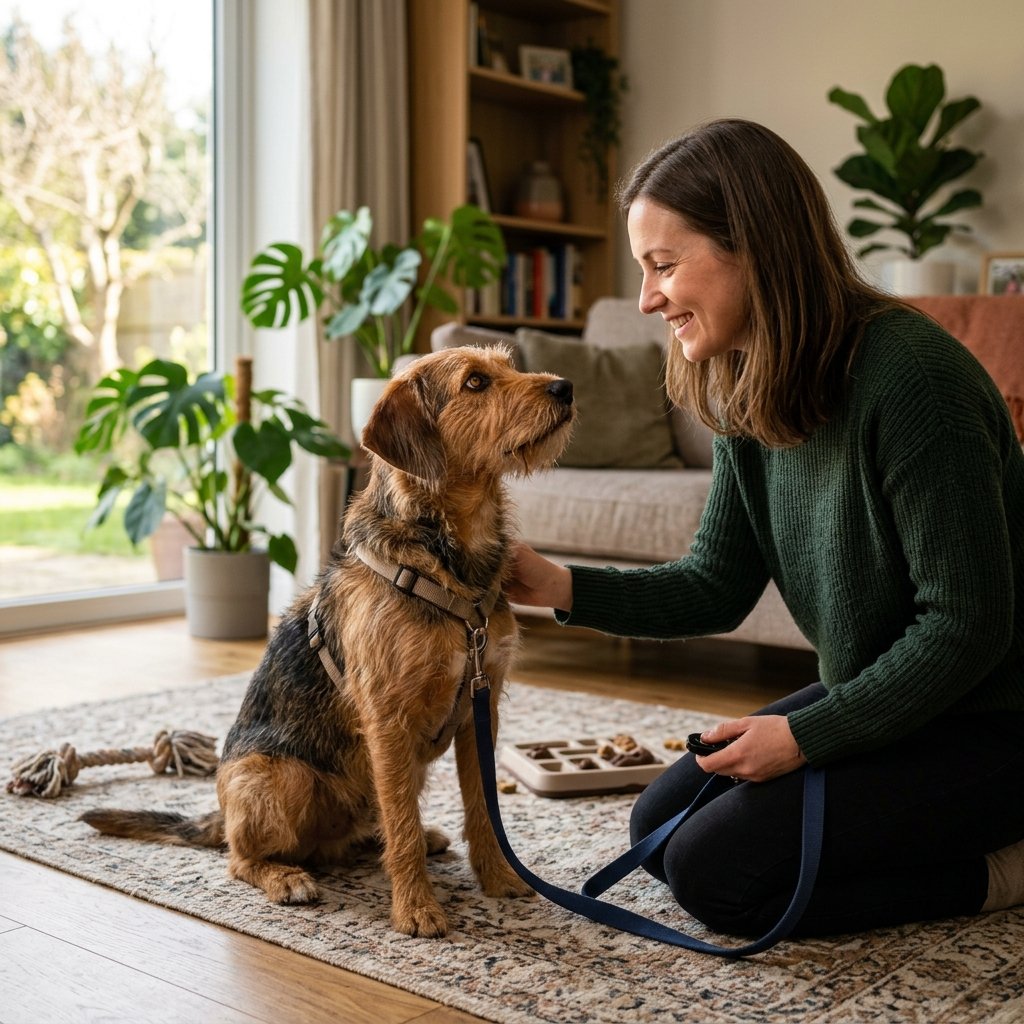
Train your dog to go to a bed or mat and stay there for increasingly longer periods. Reward calm behavior, and gradually move farther away. Teaching “stay” helps, too. Our guide to how to teach a dog to stay walks through building duration and distance.
Reward independence
Catch your dog lying quietly on their own and quietly reward it with a treat or calm praise. Most of us only pay attention when our dogs are being needy. Flip that around.
Don’t reward constant following
If your dog follows you and nudges for attention, avoid giving it every time. Instead, wait for a calm moment, then reward. This isn’t about being cold. It’s about teaching them that calm gets attention more reliably than clinging.
Practice short separations
Start with tiny breaks: step out of the room for a few seconds, then return before your dog gets anxious. Gradually extend the time. Use baby gates or a closed door once your dog is used to it, and keep returns low-key. Give a stuffed chew or puzzle toy to keep them occupied.
Increase exercise and mental stimulation
A dog with plenty of walks, sniffing, play and brain games is more likely to relax. Puzzle feeders and training sessions can be a game-changer. For routines that fit into daily life, see our guide on healthy habits for pets.
Make alone time positive
Give your dog something special that only appears when you’re busy, such as a long-lasting chew. That helps them link your absence with good things. Crate games can help dogs who like the crate, and our guide to dog crate training games shows how to build positive associations with their own space.
Keep arrivals and departures calm
Big goodbyes and dramatic hellos can heighten anxiety. Keep them low-key. Wait until your dog is calm before greeting them.
Build confidence with training
Simple training builds confidence and gives your dog a job. Our basic dog commands training plan is a good place to start, and our puppy training guide helps with young dogs.
What Not to Do
- Don’t punish or scold a dog for following you. It can increase anxiety and damage trust.
- Don’t suddenly leave a clingy dog alone for long periods without building up gradually.
- Don’t ignore signs of panic. They need help, not discipline.
- Don’t assume it’s all behavioral. Sudden changes should be checked by a vet.
For more on common behavior challenges, read our overview of common dog behavior problems. The AKC’s training library and the ASPCA’s dog care pages also have useful, beginner-friendly advice.
Quick Answers
Why does my dog follow me everywhere but not my partner?
Dogs often choose a favorite person, usually the one who feeds, walks or interacts with them most. It doesn’t mean they dislike others.
Why does my dog follow me everywhere all of a sudden?
A sudden change can be caused by stress, a change in routine, aging or pain. If it’s new and lasts more than a few days, ask your vet.
Does following mean my dog loves me?
In most cases, it’s a sign of attachment and comfort, though habit, curiosity and expectation of rewards play a role too.
Is a clingy dog unhealthy?
Not necessarily. Mild clinginess is normal. It becomes an issue when your dog is distressed or destructive when you’re out of sight.
Can I train my dog to stop following me?
Yes. Teach a settle cue, reward independence and practice short separations. Be patient and consistent.
Why does my dog follow me everywhere and stare?
They may be waiting for food, a walk or attention, or simply watching you because you’re interesting to them.
The Bottom Line
When you ask why does my dog follow me everywhere, the answer is usually a mix of bond, habit, curiosity and love. It’s a sweet part of life with a dog, and it’s no cause for concern as long as your dog is relaxed and can cope on their own. If you notice signs of anxiety, or if the behavior changes suddenly, check in with your vet. Otherwise, enjoy your furry shadow, and maybe accept that the bathroom will never be a private place again.
If your dog shows signs of panic when left alone, or the behavior changes suddenly, speak with your veterinarian or a qualified behavior professional.

Discussion 0 comments
Share your thoughts — every perspective adds value.