

Nobody warns you about the puddle. You bring home a squishy, adorable puppy, you take a hundred photos, and then you stand in the kitchen at 2 a.m. holding a roll of paper towels and wondering whether you’ve made a terrible mistake.
You haven’t. Every puppy owner goes through this. Learning how to potty train a puppy is less about having a clever puppy and more about having a good system. Puppies aren’t being naughty when they go inside. They just don’t know where the bathroom is yet. Your job is to show them, over and over, until it clicks.
Here’s a practical, step-by-step approach that works for most puppies, from the first day home to the first dry week.
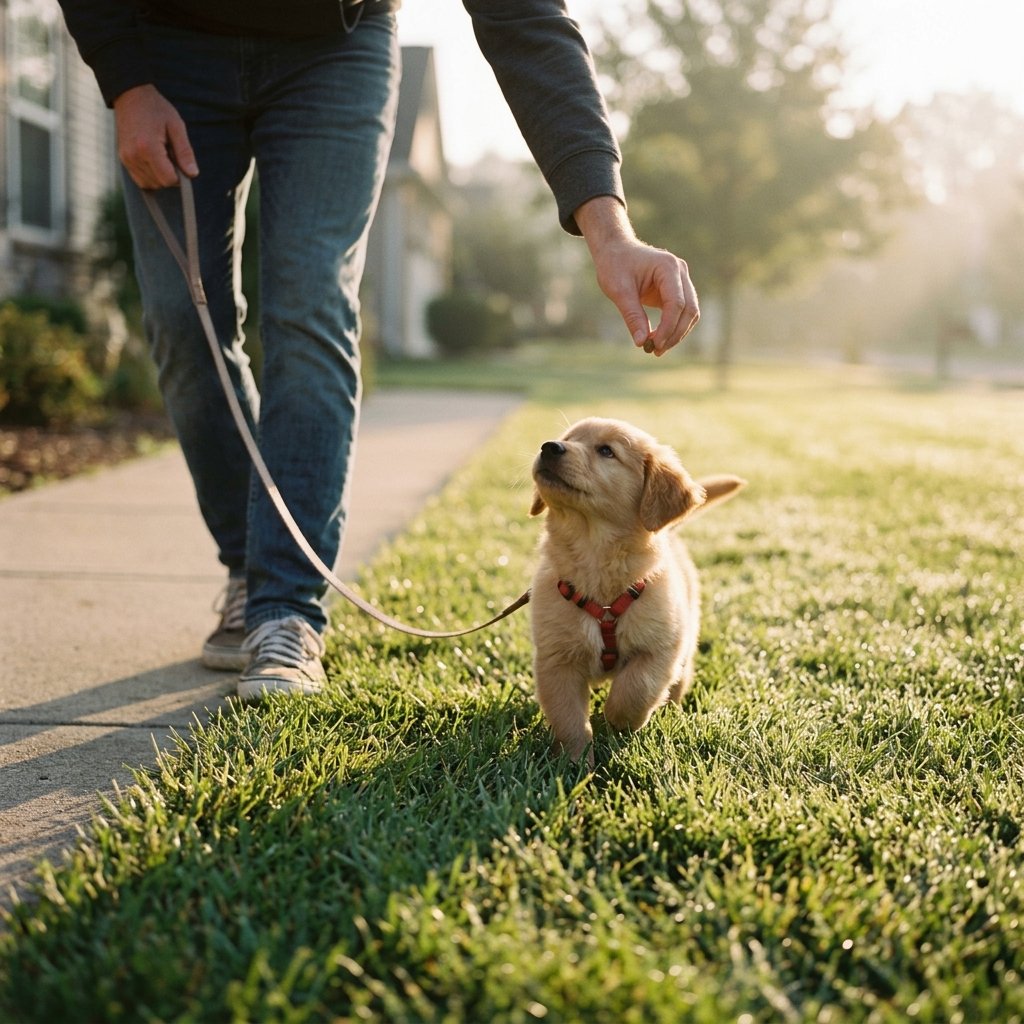
When to Start (and How Long It Takes)
Start the day your puppy comes home, usually around 8 weeks old. Puppies don’t have full bladder control until they’re about four to six months old, so early on, success depends on you being proactive.
Most puppies get the basic idea in a few weeks, but being reliable often takes four to six months, and some small breeds take longer. Expect accidents. They’re part of the process, not a sign of failure.
A rough rule of thumb is that a puppy can hold it for about one hour for every month of age, plus one. So a three-month-old puppy might manage around four hours at most, and that’s in a calm resting state. During the day, when they’re awake and active, they need to go out much more often.
What You’ll Need
- Small, tasty treats that you only use for potty rewards
- A leash and collar or harness so you can take your puppy outside calmly
- An enzymatic cleaner. Regular cleaners don’t remove the smell dogs detect, and a lingering scent invites repeat accidents
- A crate or playpen for when you can’t supervise
- A timer or phone alarm to keep your schedule on track
- Patience, and a sense of humor
Step 1: Pick a Potty Spot and Stick With It
Choose one place outside where you want your puppy to go, and always take them to the same spot. The smell helps remind them what to do. Bring them on a leash even in a fenced yard at first, so you can stay in control and keep it boring. Play comes after the business is done.
Step 2: Take Them Out Way More Often Than You Think
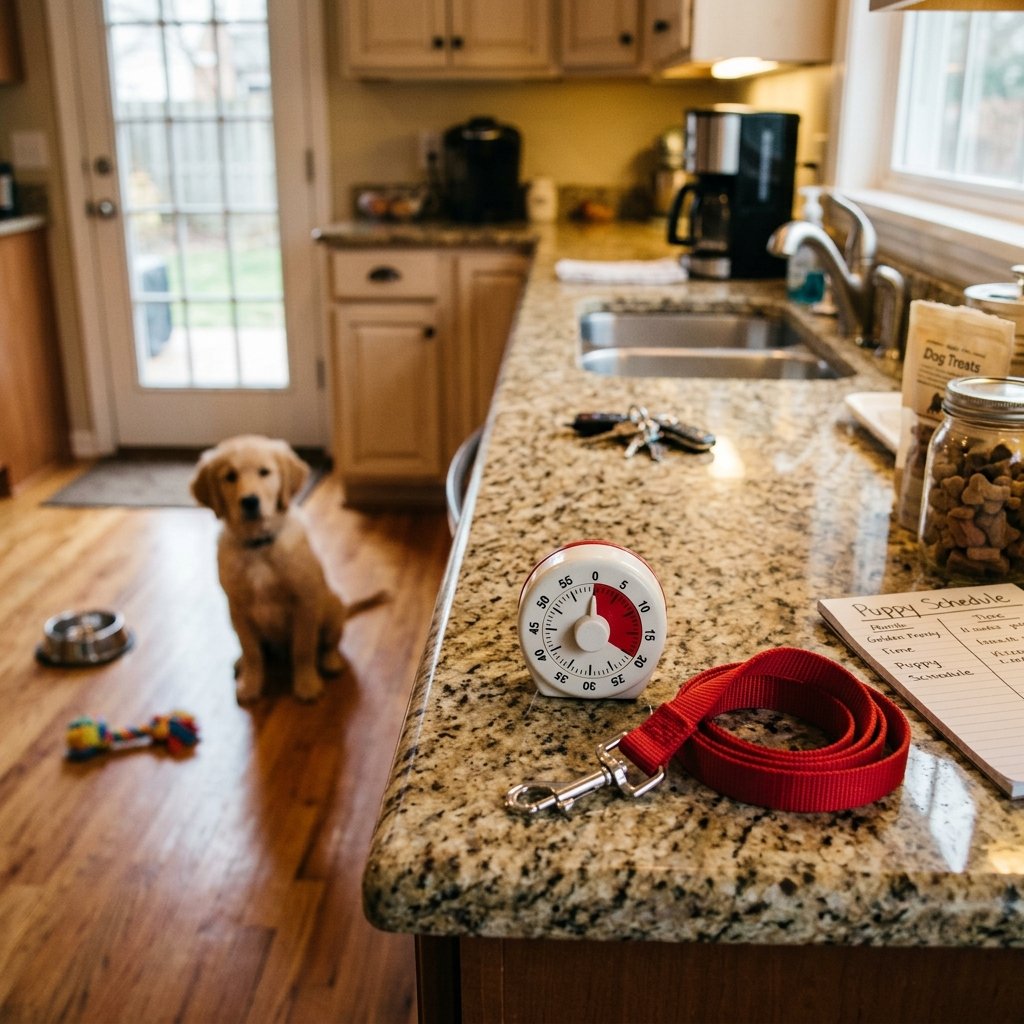
This is the secret nobody likes to hear. Success comes from preventing accidents, not fixing them. Take your puppy out:
- First thing in the morning, and last thing at night
- Right after they wake up from any nap
- Within about 5 to 15 minutes after eating or drinking
- After a play session or excited moment
- Every one to two hours during the day for a young puppy
- Any time you see signs they need to go
It sounds like a lot because it is. But this intense stretch is short, and every successful trip outside is practice for the next one.
Step 3: Learn Your Puppy’s Signals
Puppies usually give you a few seconds’ warning. Watch for:
- Sniffing the floor intently
- Circling
- Whining or going to the door
- Suddenly stopping play and wandering off
- Sneaking behind furniture
When you see these signs, calmly pick up your puppy or clip on the leash and head outside right away. Don’t wait to be sure.
Step 4: Add a Cue Word
Pick a simple phrase, like “go potty” or “do your business,” and say it calmly as your puppy starts to go. Don’t repeat it over and over. After a few weeks, they’ll start to associate the words with the action, and it’s incredibly useful on rainy days or before trips.
Step 5: Reward Immediately
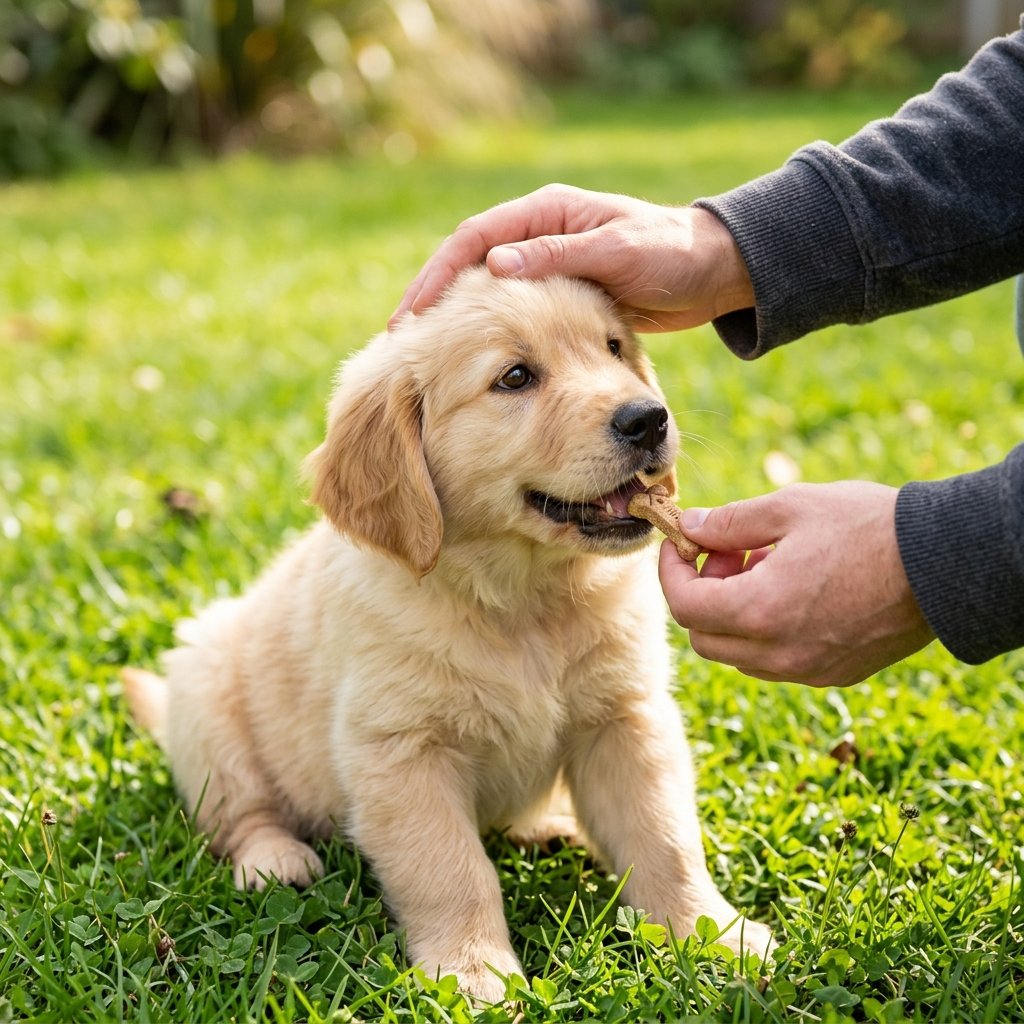
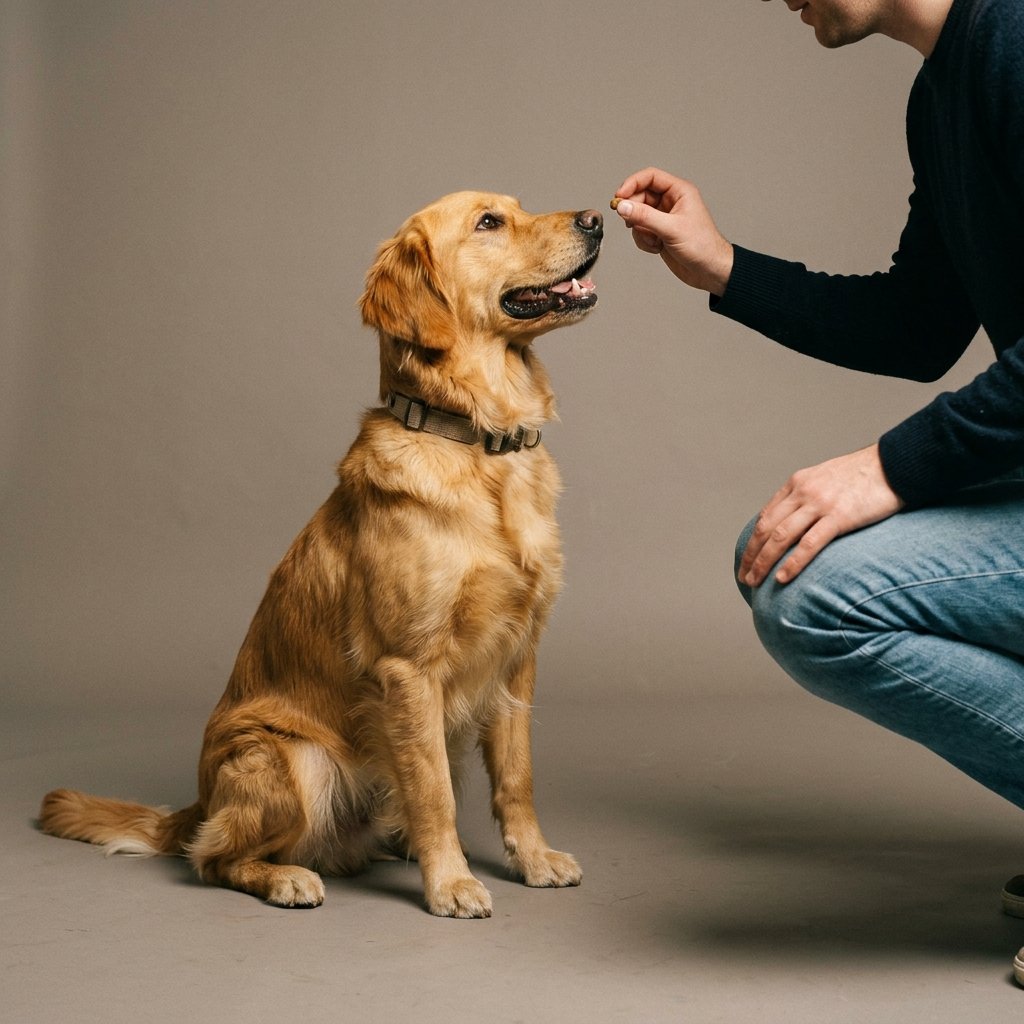
Timing matters more than anything. The moment your puppy finishes, say “yes” or “good potty” and give a treat right there, not when you get back inside. Dogs link rewards to what they were doing a second ago. Add some calm praise, and if you like, a short play session afterward as a bonus.
Don’t hurry them back in once they’re done. If puppies learn that peeing means the fun ends, they may start holding it to prolong time outside.
Step 6: Supervise Indoors or Confine Safely
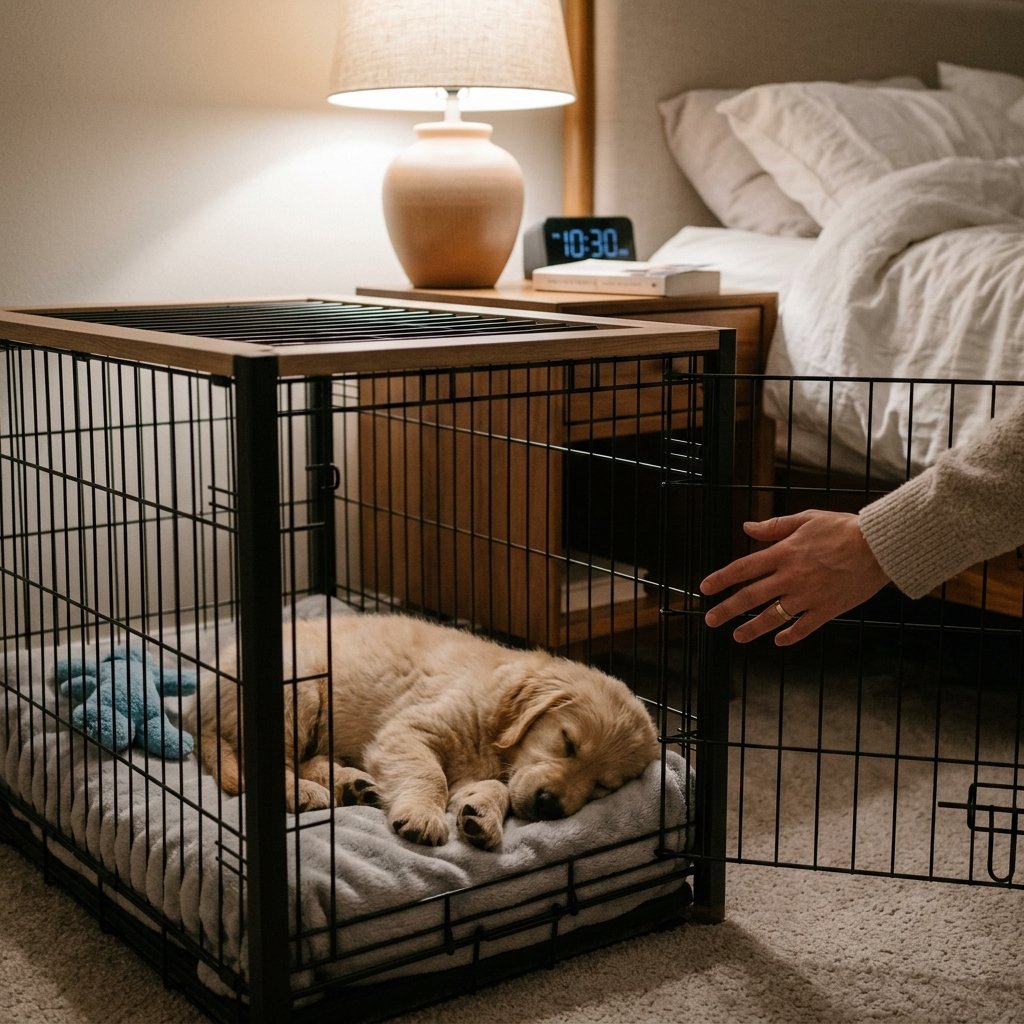
When your puppy is loose in the house, you need eyes on them. If you can’t watch, they should be in a puppy-safe space, such as a crate or playpen. Dogs don’t like to soil where they sleep, so a properly sized crate helps build bladder control. It should be big enough to stand up, turn around and lie down, but not so big that they can use one end as a toilet.
If you’re new to crates, start with our guide to crate training an 8-week-old puppy, and try the activities in dog crate training games to make the crate a happy place. A crate is a tool, not a punishment, and puppies shouldn’t be left in one longer than they can hold it.
Another useful trick is to keep your puppy close with a leash clipped to your waist while you go about your day. It’s called umbilical-cord training, and it lets you spot signals quickly.
A Sample Daily Schedule for a Young Puppy
Every puppy is different, but here’s a rough pattern for an 8 to 12 week old:
- Wake up: straight outside to the potty spot
- Breakfast: feed, then outside within 10 to 15 minutes
- Play and activity: short, supervised, then outside again
- Nap in the crate: out as soon as they wake
- Repeat roughly every one to two hours, with meals and drinks spaced out through the day
- Last meal: a few hours before bedtime
- Last potty trip: right before bed
Feed at consistent times, because regular meals lead to more predictable bathroom habits. Our pet nutrition guide covers how to choose and measure puppy food.
What About Nighttime?
Young puppies can’t hold it all night. For the first few weeks, plan on at least one or two overnight trips. Set a quiet alarm, take your puppy out on leash, keep it boring (no play, no chatter), reward and put them back in the crate. Gradually stretch the time as they grow. By around four to five months, many puppies can sleep through the night.
If your puppy cries at night, make sure they genuinely don’t need to go first. Then use the tips in our post on how to stop a dog from barking for settling tricks that work for noisy nights.
What to Do When There’s an Accident
It will happen. Here’s how to handle it.
- Stay calm. Don’t yell, scold or rub your puppy’s nose in it. It doesn’t teach them anything, and it can make them scared of going in front of you, which means they’ll sneak off to go.
- If you catch them in the act, calmly say “oops,” pick them up and take them outside. Reward if they finish there.
- Clean it thoroughly with an enzymatic cleaner so the scent is gone.
- Ask yourself what went wrong. Did you wait too long? Miss a signal? The answer usually helps you adjust your schedule.
Dogs don’t connect punishment to an accident you find later. Reward-based methods work better, and the American Veterinary Society of Animal Behavior explains why in its position statements.
Potty Training in an Apartment or Without a Yard
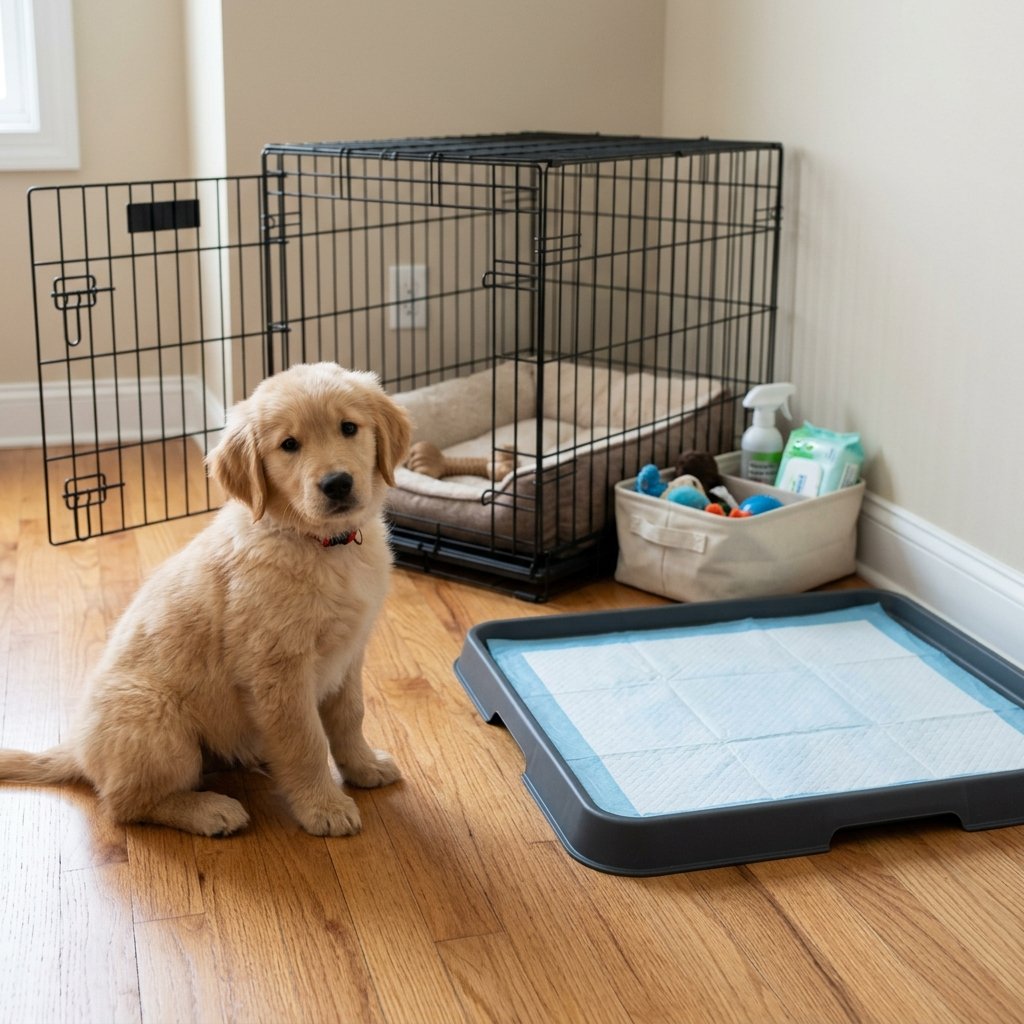
If you live on a high floor or have limited access to the outdoors, an indoor potty pad or artificial grass patch can be a practical backup. A few tips:
- Put it in a consistent spot, away from where your puppy eats and sleeps.
- Reward every use, just like you would outdoors.
- Decide early whether the goal is indoors long-term or only outdoors eventually. If you eventually want your dog to go outside, take them out as much as you can from the start. Pads can sometimes confuse puppies about what’s allowed on soft surfaces, like rugs.
- Keep taking them out for walks and sniffing time, since they need exercise and socialization too. Our leash training guide will help with calm outdoor trips.
Bell Training: Teaching Your Puppy to Ask
Once your puppy goes reliably, you can teach them to signal when they need to go. Hang a bell at the door at nose height. Each time you go out, gently touch their nose or paw to the bell, say “outside” and open the door. After a while, many dogs start ringing it on their own. Be aware that some dogs also learn to ring it just to go outside and play, so keep trips purposeful.
Common Problems and Fixes
My puppy goes outside, then pees inside right after
Very common. They may have been too distracted outdoors. Stay outside longer, keep it boring and don’t play until they’ve gone. If they come in and still haven’t gone, keep them on a leash or in the crate for a short while, then try again.
My puppy pees when excited or when people greet them
This is called excitement or submissive urination, and most puppies outgrow it. Keep greetings calm and low-key, greet outside if possible and don’t scold.
My puppy goes in the crate
The crate may be too big, your puppy may be left in there too long or they might need a medical check. Reduce the size, shorten the time and ask your vet if it continues.
My puppy refuses to go in the rain or cold
Many do. Use an umbrella, reward heavily for going and consider a covered potty area. Some small breeds feel the cold more and may need a coat.
My puppy was doing great but now has accidents again
Regressions happen, often when routines change or at adolescence. Go back to basics with more frequent trips and closer supervision. If your puppy suddenly starts having frequent accidents, urinates more often than usual or strains, see your vet. Urinary infections and other health problems can cause sudden changes.
How to Know When You’re Ready to Relax
Give your puppy more freedom slowly. If they’ve gone a few weeks without an accident, you can start opening up one more room at a time while still supervising. If accidents return, tighten things up again. Think of it as earning freedom.
Whatever your puppy’s age, a few basic cues make life much easier. If you haven’t yet, work through the plan in our basic dog commands training plan, and see the puppy training guide for a fuller picture of the early months. For a wider view of the first weeks at home, our pet care tips for beginners and healthy habits for pets are good companions.
For extra reading, the ASPCA’s dog care pages, the AKC’s training library and the AVMA’s pet owner resources are all useful. And your vet is always a good place to start with health questions.
Quick Answers
How long does it take to potty train a puppy?
Most puppies grasp the basics within a few weeks, but it usually takes four to six months to become reliable. Smaller breeds can take longer.
How often should a puppy go out?
Every one to two hours when young, plus after waking, eating, drinking and playing.
What age should I start potty training?
The day you bring your puppy home, usually around 8 weeks.
Is it okay to use puppy pads?
Yes, especially in apartments or for very young puppies, but decide early whether you want your dog to eventually go only outside.
Should I punish my puppy for accidents?
No. Punishment makes puppies fearful and doesn’t teach them where to go. Clean up calmly and prevent the next accident.
Why does my puppy keep having accidents?
Usually because the schedule needs to be tighter or supervision needs to be closer. If it’s sudden or frequent, check with your vet.
The Bottom Line
Potty training a puppy comes down to a handful of habits: go out often, reward immediately, watch for signals, supervise or crate when you can’t, and clean accidents without drama. It’s tiring, and then one day you realize it’s been weeks since you picked up a paper towel. Stick with it. That moment comes sooner than you think.
If your puppy has frequent accidents, seems to be in pain or has other signs of illness, check in with your veterinarian.


Discussion 0 comments
Share your thoughts — every perspective adds value.