

One day your puppy is a sweet, sleepy little ball of fur. The next, your shoes have teeth marks, your fingers feel like they’ve been through a tiny shredder and there’s a mysterious drool puddle on the couch. Congratulations. You’ve entered the teething phase.
Knowing the main puppy teething symptoms can help you tell normal growing pains from something that needs a vet. It also makes this chewy chapter a lot less stressful, because it doesn’t last forever. Here’s what to expect, how long it lasts and how to keep your puppy (and your furniture) in one piece.
What Is Puppy Teething?
Just like human babies, puppies are born without teeth. Their tiny, sharp baby teeth (also called milk or deciduous teeth) come in at around two to four weeks old, and a puppy typically has a full set of 28 by about eight weeks.
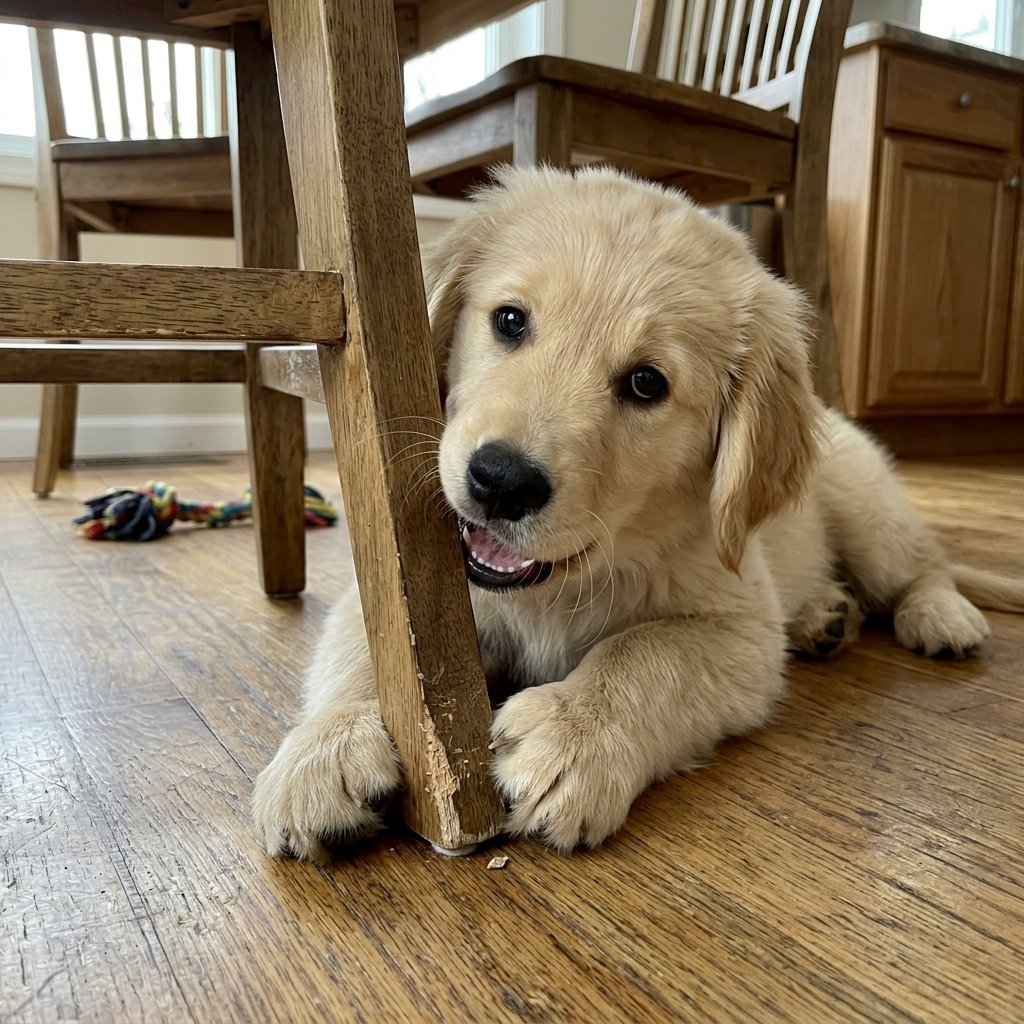
Then, starting around three to four months, those baby teeth begin to fall out as 42 adult teeth push through. By about six to seven months, most puppies have their full adult set. During that stretch, the gums are sore, swollen and itchy, and chewing is a natural way to relieve the discomfort.
Puppy Teething Timeline: What Happens When
Every puppy is different, and small breeds sometimes lag a bit, but here’s a rough guide:
- 2 to 4 weeks: baby teeth start to come in
- About 8 weeks: a full set of 28 baby teeth
- 3 to 4 months: baby incisors (the small front teeth) fall out and adult ones come in
- 4 to 6 months: canines (the fangs) and premolars change over
- 6 to 7 months: molars arrive and the adult set is complete
The most intense chewing often happens between about three and six months. After that, it usually eases, although many dogs go through a second chewing phase as adolescents, which is more about exploration than teeth.
Common Puppy Teething Symptoms
Here are the most common signs your puppy is teething:
Chewing on everything
This is the big one. Furniture, shoes, cables, hands, toys, cardboard and the corner of your favorite book. Chewing massages the gums and eases the ache. If your puppy chews on everything in sight, our guide on why your dog chews everything explains the other reasons dogs chew, too.
Drooling
More drool than usual is a classic sign, thanks to sore gums and mouths working overtime.
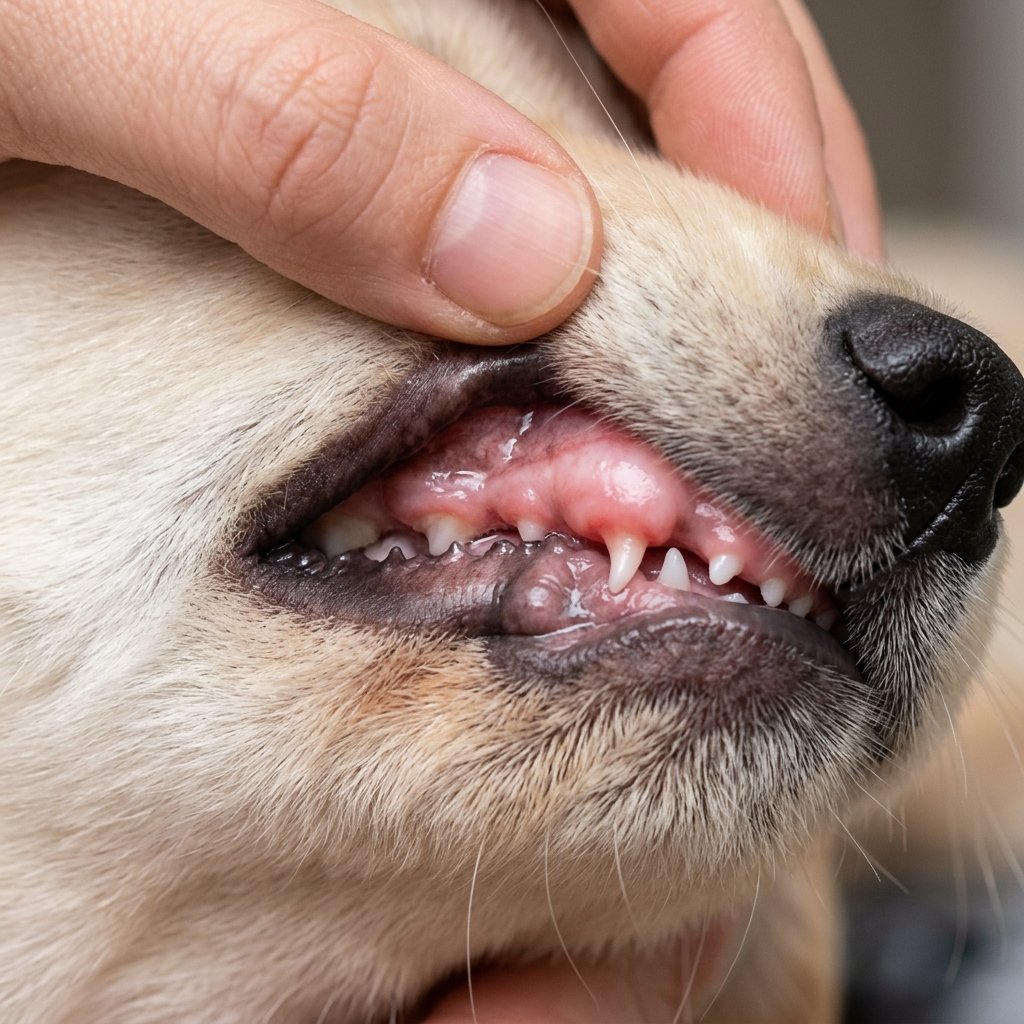
Red, swollen gums
Gums may look pink-red and puffy where new teeth are coming through. They might feel warm.
Small spots of blood
You might notice a few drops of blood on a chew toy or a thin pink tinge in the water bowl. This is common as teeth loosen and fall out, and it’s usually minor.
Missing baby teeth
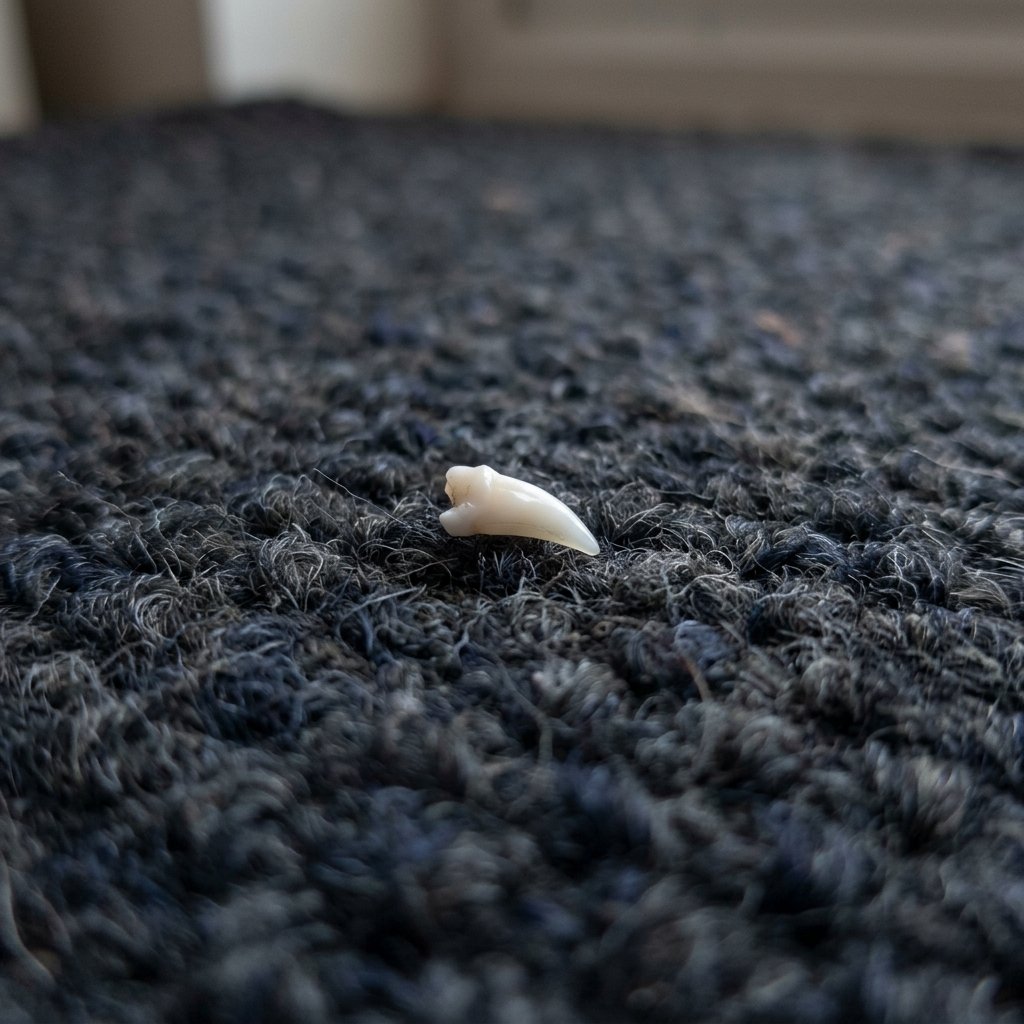
You may find tiny, rice-sized teeth on the floor or in toys. Often, though, puppies swallow them while eating, which is harmless. Don’t worry if you never find any.
Increased nipping and biting
Puppies are more mouthy when teething. They’ll gnaw on your fingers, sleeves and ankles. Teething is part of the reason, but puppies also bite when they play and when they’re overtired.
Eating more slowly or being picky
Sore mouths can make hard kibble uncomfortable. Some puppies eat more slowly, or leave some food behind.
Mild irritability or whining
Your usually cheerful puppy may seem grumpy or restless. Think of it like a teething baby: they’re not feeling their best.

Mild bad breath
Slightly stronger breath can happen as teeth change, though truly foul breath isn’t normal and is worth mentioning to your vet.
Is It Teething or Something Else?
Teething causes discomfort, but it shouldn’t make your puppy seriously ill. Be careful about blaming everything on teething. Contact your vet if your puppy has:
- A fever, lethargy or seems unusually unwell
- Vomiting or diarrhea (teething doesn’t cause these, but swallowed objects and infections can)
- Refusing to eat for more than a day
- Heavy or continuous bleeding from the mouth
- Pus, a bad smell or swelling in the face
- A broken tooth or exposed pulp
The American Veterinary Medical Association has plenty of owner resources if you want more background on puppy health.
How to Help a Teething Puppy
You can’t stop teething, but you can make it more comfortable and protect your belongings.
Offer the right things to chew
Provide a variety of puppy-safe chew toys in different textures, such as soft rubber, rope and textured teethers. Rotate them so they stay interesting. Look for toys that are the right size for your puppy, and supervise play. If you want to check that a chew product has been tested, the Veterinary Oral Health Council lists accepted dental products, although many are made for adult dogs, so ask your vet.
Try something cool
Chilled items can soothe sore gums. A damp washcloth twisted and chilled in the fridge, or a rubber teething toy cooled (not frozen solid), often helps. Rock-hard frozen objects can hurt tender gums or even damage teeth, so skip those.
Redirect, don’t punish
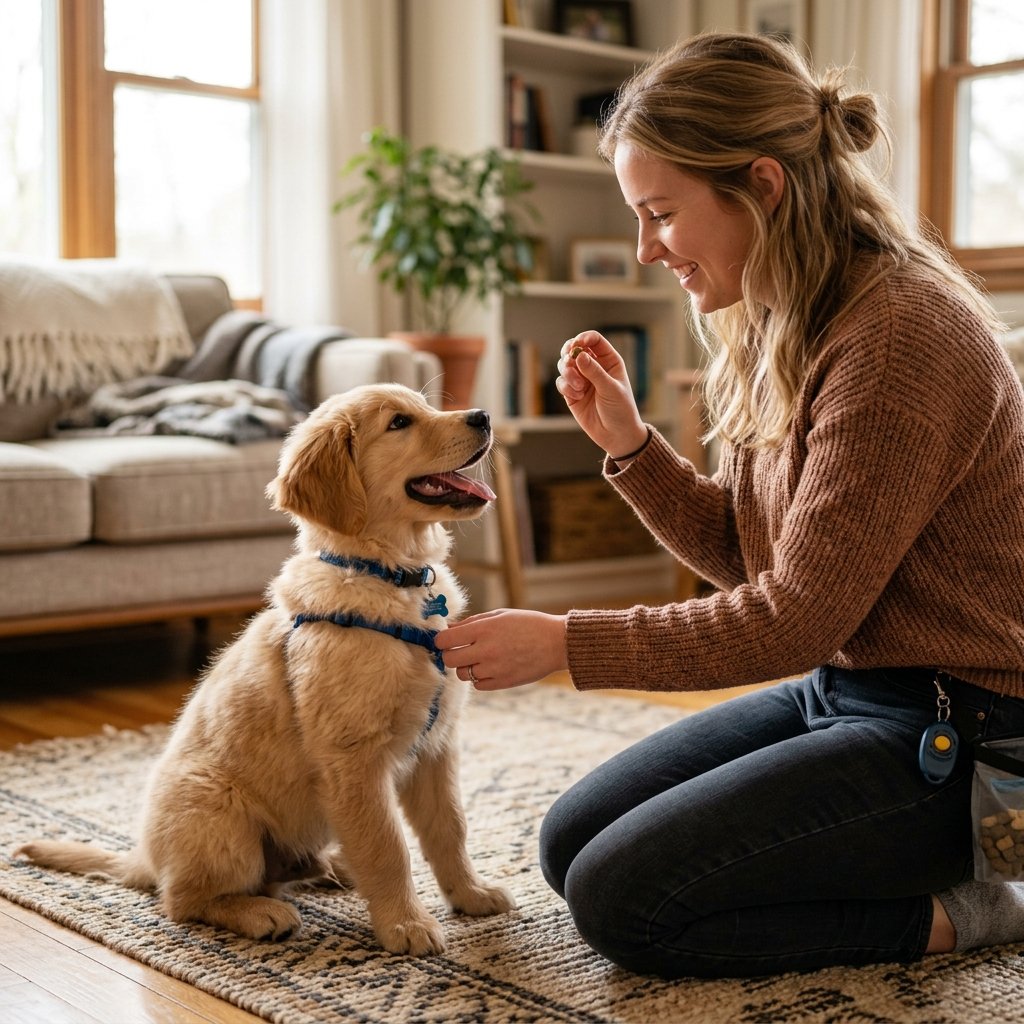
When your puppy chews something off-limits, calmly swap it for an appropriate toy and praise when they take it. Yelling doesn’t teach them what to chew instead. Reward-based methods work best, and our guide to positive reinforcement dog training shows how to do it. For a broader view of early learning, see our puppy training guide.
Puppy-proof your home
Put shoes, remote controls, cables and anything precious out of reach. Use baby gates, exercise pens or a crate for supervised downtime. Our crate training plan for 8-week-old puppies explains how to set one up properly.
Soften the food if needed
If your puppy seems to be struggling with dry kibble, try moistening it with a little warm water, or ask your vet about wet food. Our pet nutrition guide covers how to choose a good puppy food.
Tire them out
A puppy with energy to burn chews more. Short play sessions, gentle walks (once your vet says it’s safe) and sniffing games all help.
What Not to Give a Teething Puppy
- Hard bones, antlers, hooves and hard nylon toys. They can crack baby or adult teeth. If you can’t press a fingernail into it, it may be too hard.
- Cooked bones. They can splinter.
- Human numbing gels. Some contain benzocaine, which can be dangerous for dogs.
- Small toys or items that can be swallowed. They’re a choking and blockage hazard.
- Ice cubes or rock-hard frozen toys in large amounts. They can hurt sensitive gums.
When in doubt, check with your vet before trying anything new. The ASPCA’s dog care pages are another useful reference.
When Baby Teeth Don’t Fall Out
Sometimes a baby tooth stays put even after the adult tooth comes in. This is called a retained baby tooth, and it’s most common in small breeds like Yorkies, Chihuahuas, Pomeranians and toy poodles. It can cause crowding, trap food and lead to gum problems later.
If you see two teeth in the same spot, or baby teeth still in place at around six to seven months, ask your vet to take a look. Retained teeth often need to be removed, usually during another procedure such as spaying or neutering.
Start Dental Habits Early
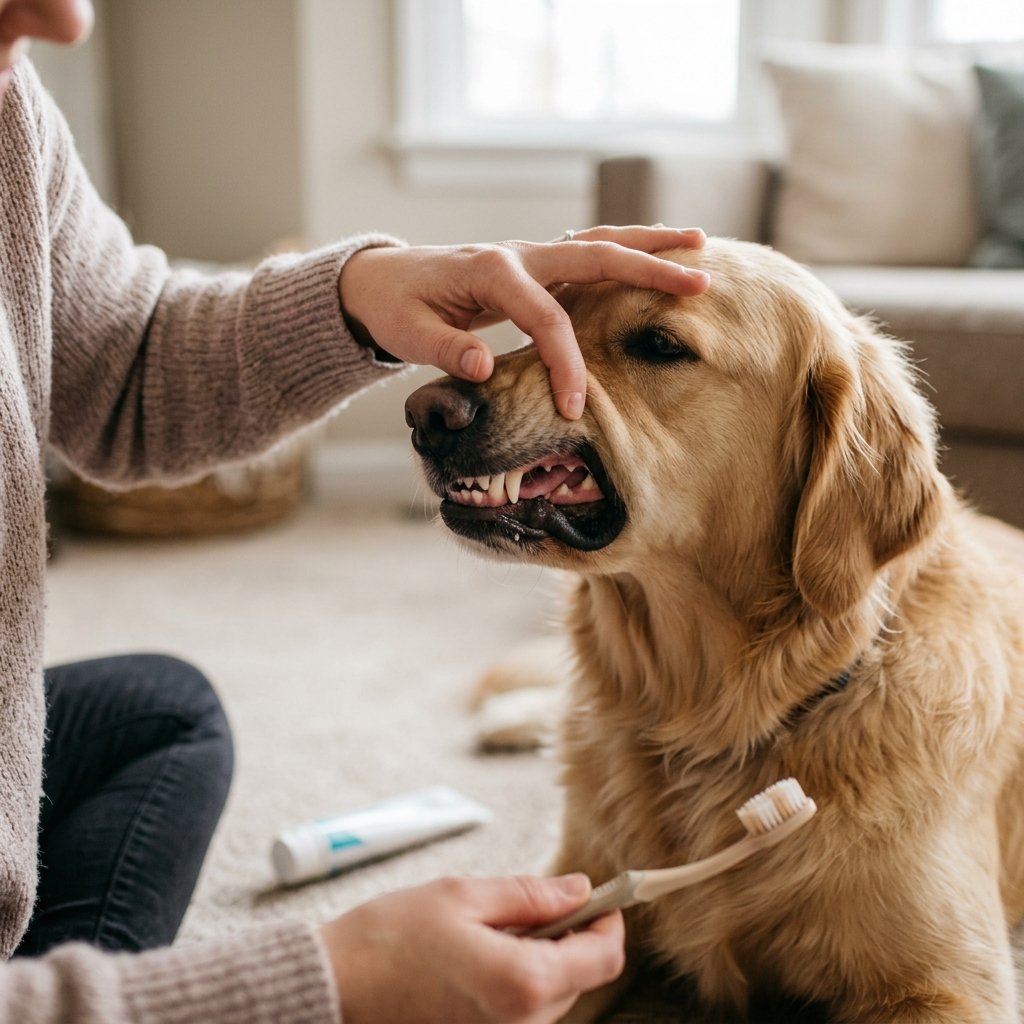
Teething is a perfect moment to get your puppy used to having their mouth touched. Gently lift their lips and look at their teeth and gums for a few seconds each day, then reward them. It helps you spot problems early and makes future vet visits and brushing much easier. Our guide to how to brush a dog’s teeth shows how to build this into a routine, and the American Veterinary Dental College has more on dental health.
For a broader overview of what to expect in the early weeks, our guide to pet care tips for beginners is a handy companion.
How Long Do Puppy Teething Symptoms Last?
The worst of the symptoms usually lasts from around three to six months of age. By about seven months, most puppies have all their adult teeth, and the constant chewing eases. Larger breeds may finish a bit later than small ones, and some puppies seem to sail through while others suffer more. Stay consistent with chew toys and supervision, and you’ll get through it.
Quick Answers
What are the most common puppy teething symptoms?
Chewing, drooling, red or swollen gums, small spots of blood, missing baby teeth, increased nipping, and sometimes a lower appetite or irritability.
When do puppies start teething?
Baby teeth come in around two to four weeks, and the “real” teething phase, when baby teeth fall out and adult teeth come in, starts around three to four months.
How long does teething last in puppies?
About three to four months, wrapping up around six to seven months of age.
Is it normal for a teething puppy to bleed?
A little blood on a toy or a pink tinge is normal. Heavy or constant bleeding isn’t, so contact your vet.
Do puppies get a fever when teething?
Teething shouldn’t cause a high fever. If your puppy has one, or seems sick, see your vet.
Can I give my puppy ice to chew on?
A few small ice chips are usually fine, but avoid large, rock-hard frozen items. A chilled washcloth or cooled rubber toy is gentler.
The Bottom Line
Puppy teething symptoms are messy and sometimes frustrating, but they’re a normal part of growing up. Provide plenty of safe chew toys, redirect chewing calmly, puppy-proof your home and keep an eye out for signs that something else is going on. A few months from now, you’ll have a dog with a full set of strong adult teeth and, hopefully, a few shoes left to wear.
If your puppy has heavy bleeding, swelling, pus, fever or won’t eat, speak with your veterinarian.



Discussion 0 comments
Share your thoughts — every perspective adds value.