


Few things can make a dog owner feel more helpless than being bitten, or nipped, or having teeth clamped around a sleeve for the hundredth time that day. Whether it’s a tiny puppy using your hands as chew toys or an adult dog who snaps in certain situations, biting is stressful, painful and worrying.
If you’re searching for how to stop a dog from biting, here’s the good news: most biting has a cause, and most causes can be addressed. Puppy mouthing is a normal phase that responds well to training. Adult biting is more serious, but it’s also something that a vet and a qualified behavior professional can help with. Let’s look at both.

First: Mouthing, Nipping or Real Biting?
Not all mouth contact is the same, and it’s important to know which you’re dealing with.
- Mouthing and play-biting: Common in puppies and young dogs. They grab hands or clothes during play, usually with a loose body and no real intent to harm. It can still hurt, thanks to those needle-sharp teeth.
- Teething-related chewing: Puppies chew on anything to ease sore gums. Our guide to puppy teething symptoms explains what’s normal.
- Fear, pain or guarding bites: Snapping, lunging or biting because the dog feels threatened, hurt or protective of something. These are serious and need a different approach.
If a dog bites out of fear, pain or guarding, or if any bite breaks skin, get professional help. We’ll cover when below.
Why Do Puppies Bite?
Puppies explore the world with their mouths, just like babies. They also learn bite control from their littermates. When a puppy bites too hard, the other puppy yelps and stops playing. That’s how they learn to be gentle, which is called bite inhibition.
When puppies come to live with us, they need to learn the same lesson from humans. The reasons they bite include:
- Play and excitement
- Teething discomfort
- Seeking attention
- Being overtired, which often leads to a puppy “witching hour” in the evenings
- Exploring objects, hands and clothes
How to Stop a Puppy From Biting: Step by Step
Step 1: Redirect to something appropriate
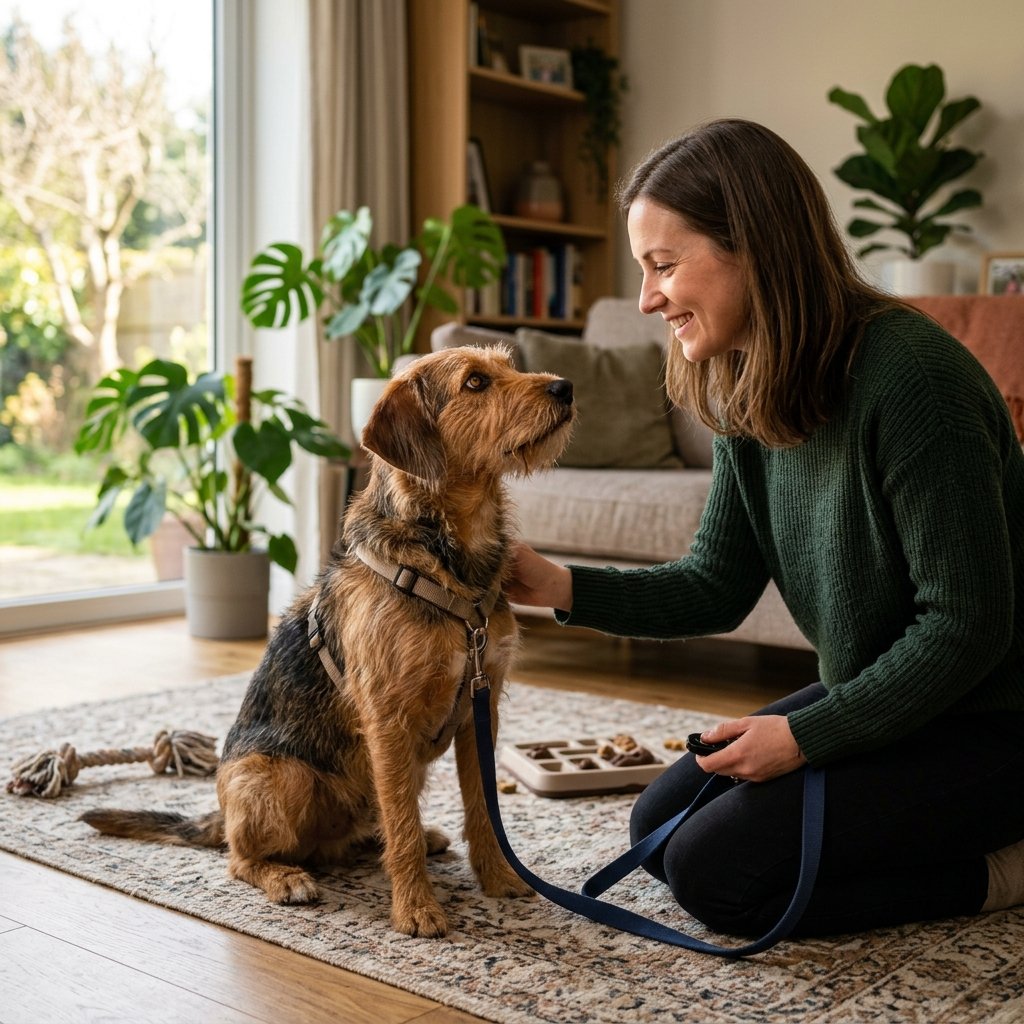
When your puppy mouths your hand, calmly offer a chew toy or rope. When they take it, praise them. The message is: “These teeth are for toys, not skin.” Keep toys within reach in every room, so you can switch quickly.
Step 2: Pause the fun when it gets too rough
If your puppy bites too hard, say a calm “ouch” or “oops,” stop moving and take your attention away for 10 to 30 seconds. You can stand up and step back or walk out of the room. When your puppy calms down, resume playing. They’ll learn that biting makes the fun end. Some puppies get more excited when you squeal, so keep your voice low and calm.
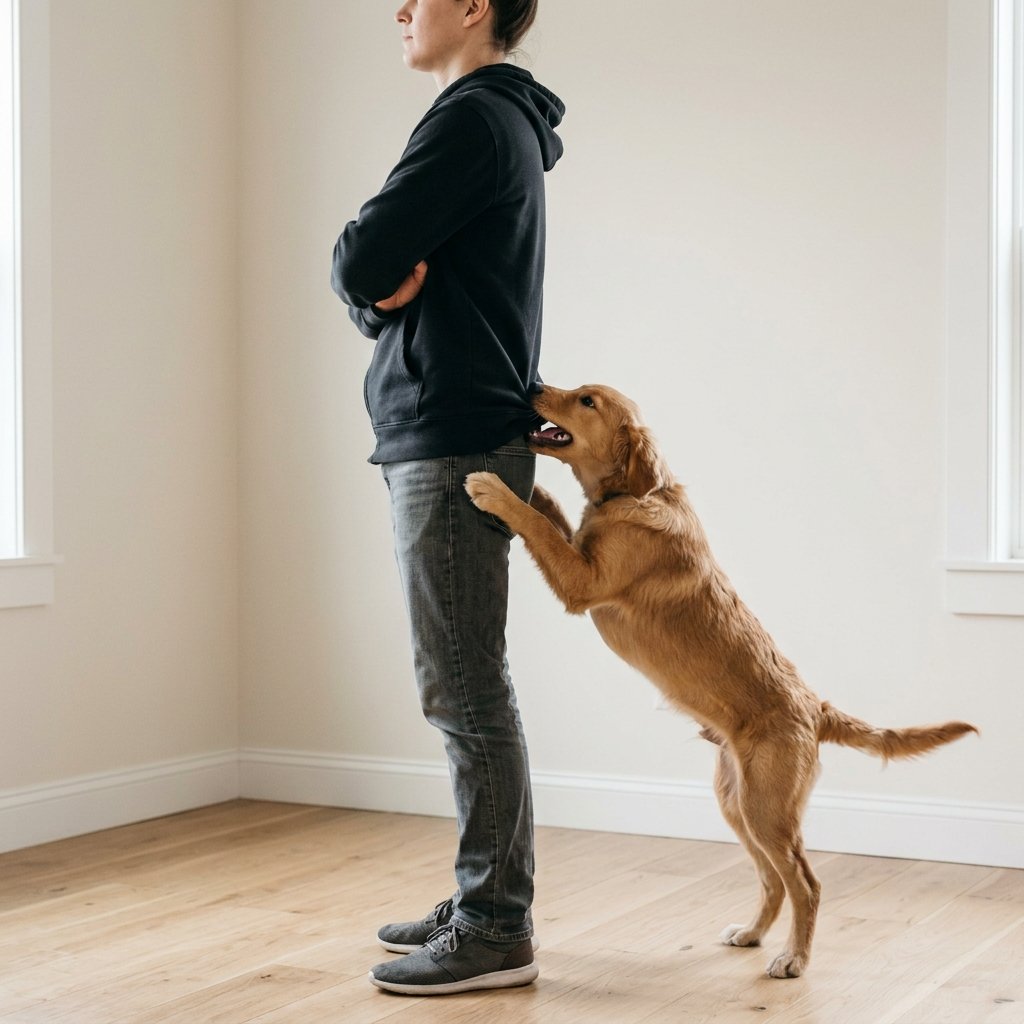
Step 3: Reward gentle behavior
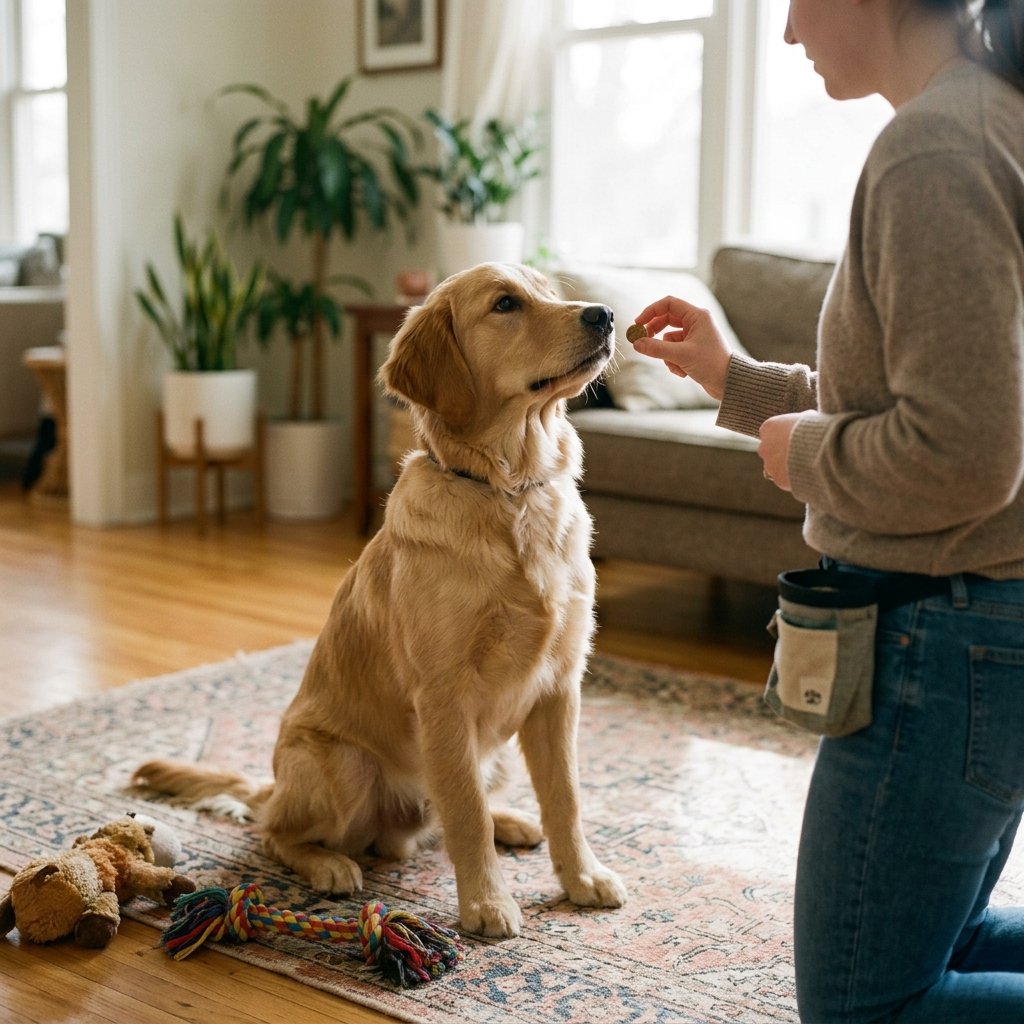
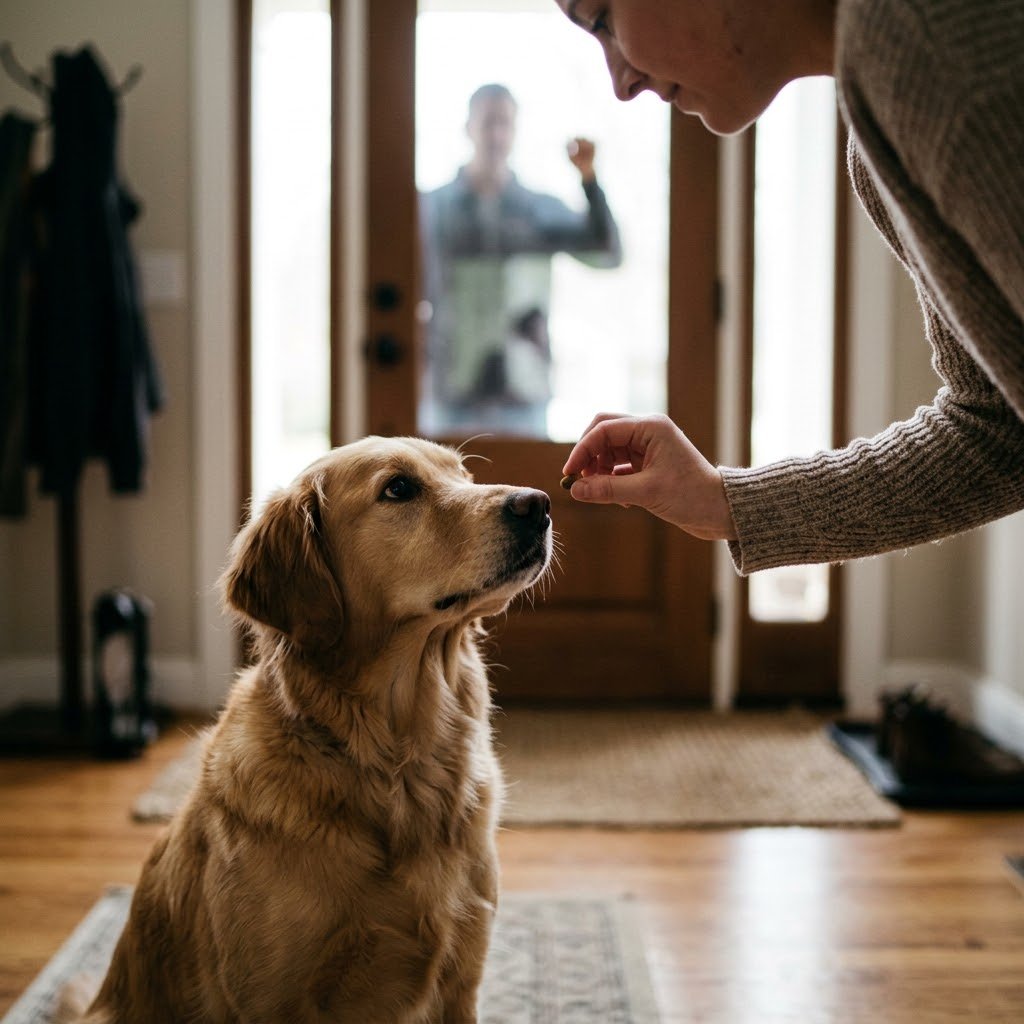
Catch your puppy being gentle and reward it. When they take a treat softly or lick your hand, praise and give another. Our guide to positive reinforcement dog training explains why rewarding the right behavior works better than only reacting to the wrong one.
Step 4: Give plenty of exercise and sleep
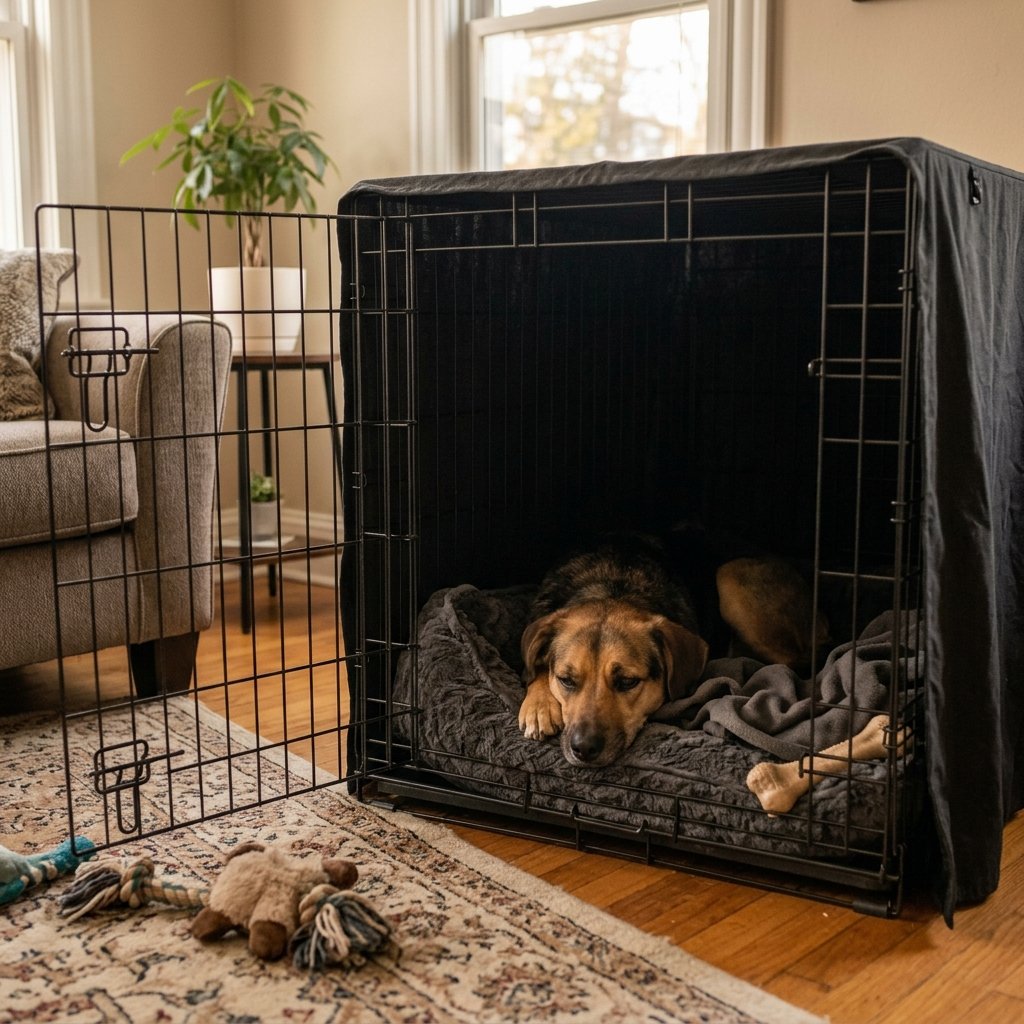
A tired puppy bites less, but an overtired one bites more. Puppies need a lot of sleep, around 18 to 20 hours a day for young ones. If your puppy gets wild and nippy in the evening, they might need a nap in a crate or playpen. Short, regular play sessions and gentle walks (once your vet says it’s safe) help burn energy.
Step 5: Avoid hand games
Wrestling with your hands or letting your puppy chew on your fingers teaches them it’s okay. Use toys, tug ropes and fetch instead. Keep games calm and stop if your puppy gets too excited.
Step 6: Teach “gentle,” “leave it” and “drop it”
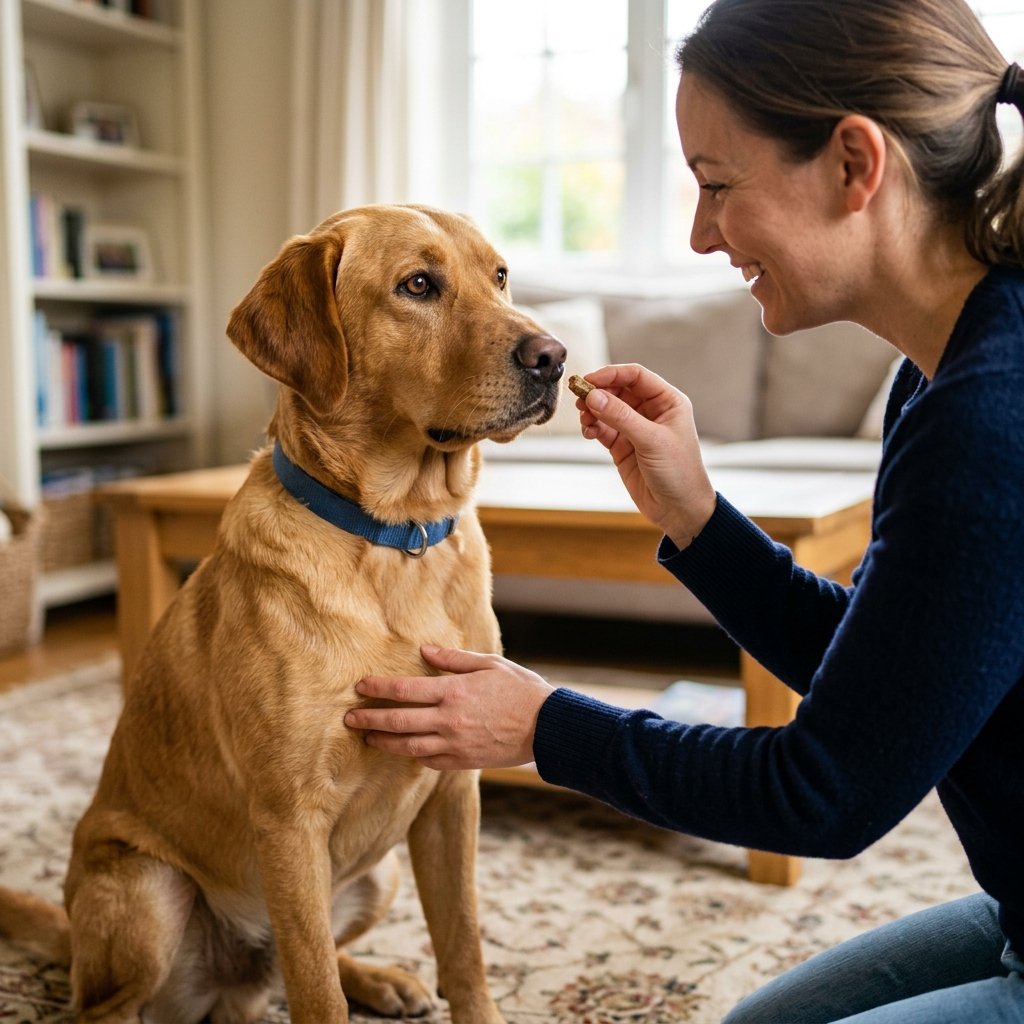
These cues give you control. Practice taking treats gently from your hand, and reward soft mouths. Our basic dog commands training plan covers “leave it” and “drop it” step by step.
Step 7: Be consistent
Everyone in the family needs to follow the same rules. If one person lets the puppy chew fingers and another doesn’t, your puppy will be confused. Our guide to common dog training mistakes highlights what to avoid.
For a broader overview of early training, our puppy training guide is a good companion. Most puppies grow out of intense nipping by about four to six months with consistent training, though some need a bit longer.
What Not to Do
- Don’t hit, flick or tap your dog’s nose. It can make them fearful or even more mouthy.
- Don’t hold your puppy’s mouth shut or grab their muzzle. It can cause fear and increase biting.
- Don’t “alpha roll” or pin your dog. It’s outdated, dangerous and can damage trust.
- Don’t yell. It often escalates excitement or fear.
- Don’t rely on only saying “no.” Always show them what to do instead.
The American Veterinary Society of Animal Behavior explains why force-based methods carry risks in its position statements.
How to Stop an Adult Dog From Biting
When an adult dog bites, it’s rarely random. It’s often a response to fear, pain, guarding, being startled or feeling cornered. Safety is the first priority.
1. Prevent further bites
Identify when and where the biting happens, and avoid those situations while you get help. Use baby gates, leashes, separate rooms and careful supervision. Keep children and visitors away from the dog during problem moments. Never leave a child alone with a dog who has bitten or snapped.
2. See your vet
Pain or illness is a very common cause of sudden biting. Dental problems, arthritis, ear infections and many other conditions can make a dog reactive when touched. Get a full check-up first. The AVMA’s pet owner resources are a good place to start for general health information.
3. Don’t punish growling or warnings
Growls, stiffening, lip-lifting and snaps are warnings. Punishing them can lead to bites without notice. See our article on why your dog growls at you for how to read those signals and what to do.
4. Work with a qualified professional
A bite is a good reason to call in a pro. Look for a veterinary behaviorist or a certified trainer who uses reward-based methods. The American College of Veterinary Behaviorists has information on finding one. They can assess the cause, set up a safe management plan and teach you how to change how your dog feels about triggers. Be cautious about anyone who promises quick fixes or recommends harsh corrections.
5. Consider muzzle training as a safety tool
A properly fitted basket muzzle, introduced gradually with treats, can be a safe management tool during vet visits or high-risk situations. It’s not a punishment. Ask your trainer or vet to help you introduce it positively.
6. Change the emotion, not just the behavior
Most bites are driven by fear, discomfort or worry about losing something. Gradual, reward-based desensitization and counterconditioning can help your dog feel safer. This usually needs professional guidance. Fear Free has useful resources on low-stress handling.
Biting and Children
Children are the most common victims of dog bites, and many bites happen with a familiar dog at home. A few ground rules help:
- Always supervise children and dogs together
- Teach kids not to hug, grab, climb on or approach a dog who is eating, sleeping or chewing
- Give your dog a safe place to retreat, like a crate or bed, and make it off-limits to kids
- Teach kids to recognize signs of stress, like turning away, lip licking, freezing or growling
The CDC’s healthy pets page offers more guidance on staying safe around dogs.
What to Do If You or Someone Else Is Bitten
- Calmly separate the dog and person.
- Wash the wound thoroughly with soap and water.
- Seek medical attention if the bite breaks the skin, is deep, is on the face or hands, or if the person is a child or has a weakened immune system. Bites can cause infections.
- Check the dog’s vaccination status, especially rabies, and follow local regulations.
- Contact your vet and a behavior professional to assess what happened and plan next steps.
Preventing Biting From the Start
- Socialize puppies gently and positively with people, places and other dogs
- Handle paws, ears and mouth gently from a young age, using treats
- Meet your dog’s exercise, play and rest needs
- Teach basic skills like sit, stay and leave it. See our guides on how to teach a dog to stay and how to train a dog not to jump
- Avoid situations that overwhelm your dog
- Keep up with regular vet visits
For more on understanding behavior issues, see our overview of common dog behavior problems and why your dog chews everything. The ASPCA’s dog care pages and the AKC’s training library are also helpful.
Quick Answers
How do I stop my puppy from biting me?
Redirect to a toy, pause play when it gets rough, reward gentle behavior and make sure your puppy gets enough sleep and exercise.
At what age do puppies stop biting?
Most improve by four to six months, once adult teeth are in, though consistent training matters more than age.
Why does my dog bite me when I pet him?
It could be overstimulation, pain or discomfort. Stop petting, give him space and see your vet. Short, gentle sessions may help.
Should I yelp or say “ouch” when my puppy bites?
It can work for some puppies, but others get more excited. A calm “oops” followed by stopping play is often more reliable.
Is it normal for an adult dog to bite?
Biting from an adult dog isn’t normal and usually signals fear, pain or guarding. Get a vet check and professional help.
Can a dog who has bitten be trained?
Many dogs can improve with the right plan, but it depends on the cause and severity. Work with a veterinary behaviorist or qualified trainer.
The Bottom Line
When it comes to how to stop a dog from biting, the answer depends on why it’s happening. For puppies, patience, redirection and rewarding gentle behavior will usually do the trick. For adult dogs, safety comes first: manage the situation, see your vet and get professional help. Never punish warnings, and always look for the cause behind the behavior. With the right approach, most dogs can learn to be safe, gentle companions.
If your dog has bitten someone, or you feel unsafe, contact your veterinarian and a qualified behavior professional right away. If a person is injured, seek medical attention.

Discussion 0 comments
Share your thoughts — every perspective adds value.