

Here’s a scenario every dog owner dreads. The gate is open for just a second, or the leash slips, and your dog is off across the park, ears flying, ignoring your frantic calls. You feel your heart in your throat. You shout their name over and over. They have never looked happier.
A reliable recall is one of the most important skills you can teach your dog. It can keep them out of traffic, away from other dogs and out of trouble, and it gives them more freedom to enjoy the world. If you’re wondering how to train a dog to come when called, this guide walks you through it step by step, using rewards instead of force.
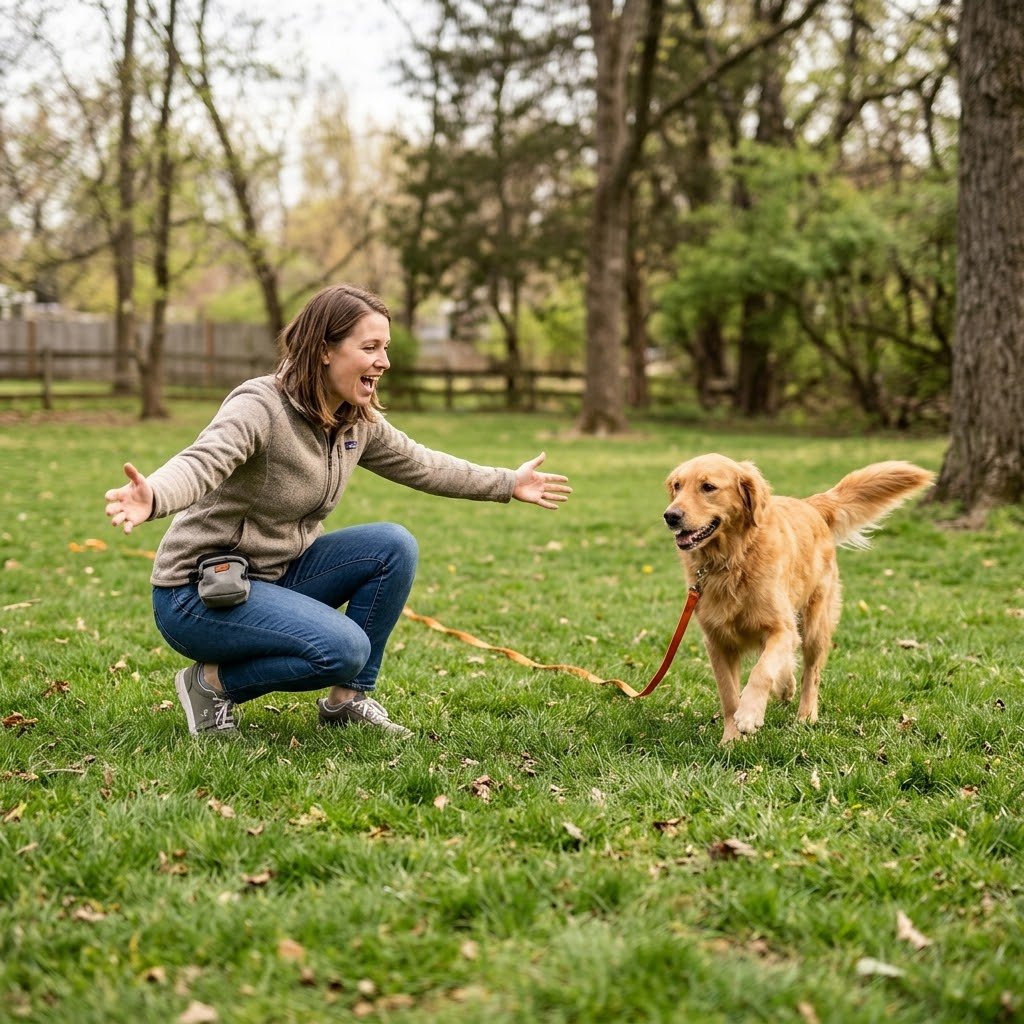
Why a Reliable Recall Matters
Teaching your dog to come when called isn’t just about obedience. It’s about safety and freedom. A dog with a solid recall can be let off leash in safe places, can be called away from danger and is easier to take on adventures. It’s also one of the skills tested in the American Kennel Club’s Canine Good Citizen program.
It’s worth being honest, too: no dog has a perfect recall in every situation. Squirrels, other dogs and smells can overpower even a well-trained dog. The goal is to make your recall as strong as possible and to use leashes, long lines and fences to manage risk while you build it.
Before You Start: The Golden Rules of Recall
- Coming to you must always be rewarding. If your dog learns that “come” means something good, they’ll come happily. If it sometimes means bad news, they’ll learn to avoid it.
- Never call your dog to punish them. Even if they’ve done something annoying, like chewing a shoe, go to them instead.
- Don’t use “come” to end the fun every time. If recall always means leaving the park, your dog will dread it. Call them, reward them, then let them go back to play.
- Say it once. Repeating “come, come, come!” teaches your dog that the cue is optional. Say it once in a happy, upbeat voice.
- Use really good rewards. Soft, smelly treats like cooked chicken or cheese work much better than dry biscuits, especially outdoors.
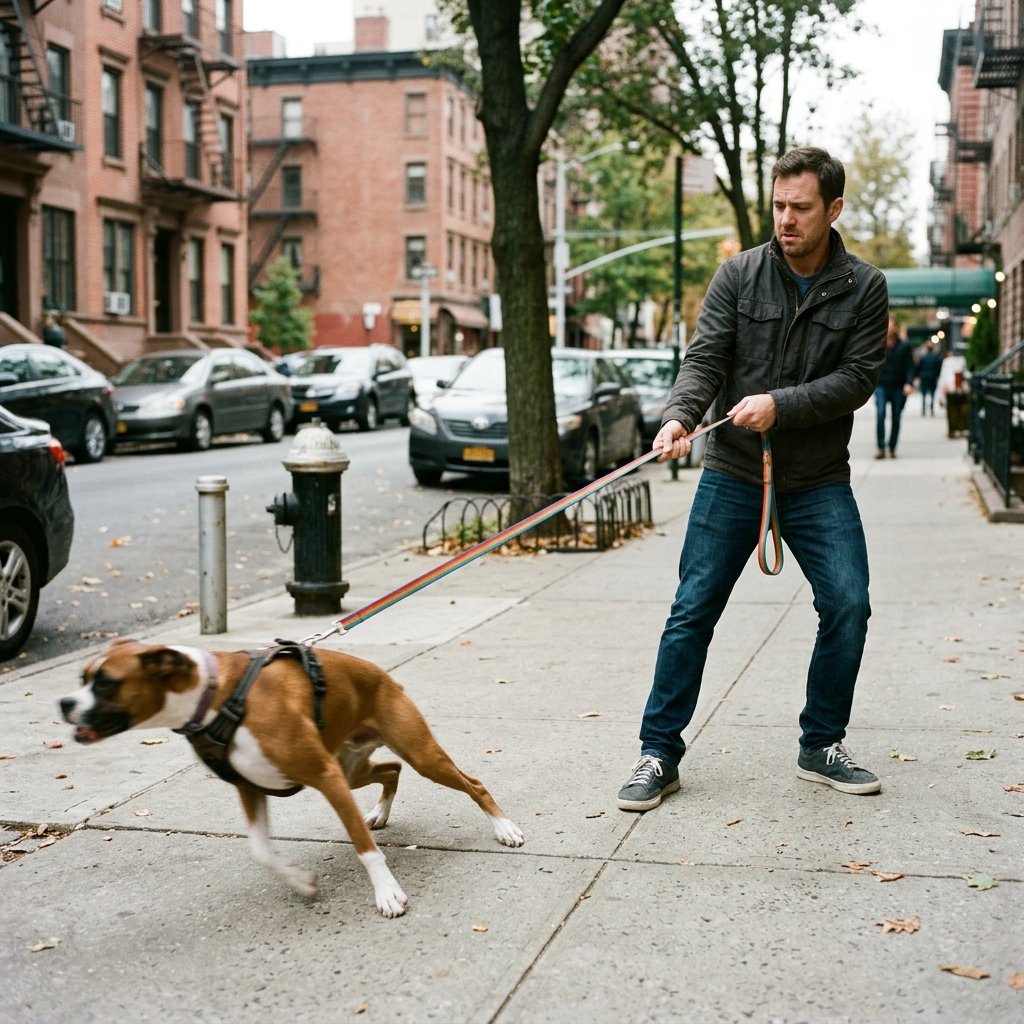
- Don’t chase. Running after your dog turns it into a game. Run the other way, and your dog will want to chase you.
What You’ll Need
- High-value treats, small and soft
- A treat pouch or pocket
- A leash, and a long line (about 15 to 30 feet) for outdoor practice
- A collar or harness that fits well
- A secure, quiet space to start
- Patience, and a happy voice
How to Train a Dog to Come When Called: Step by Step
Step 1: Teach your dog’s name
Before “come,” your dog needs to know that their name means “look at me.” Say their name in a cheerful voice. The moment they look at you, say “yes” and give a treat. Repeat ten times in a quiet room. Do a few sessions a day.
Step 2: Start with short distances indoors
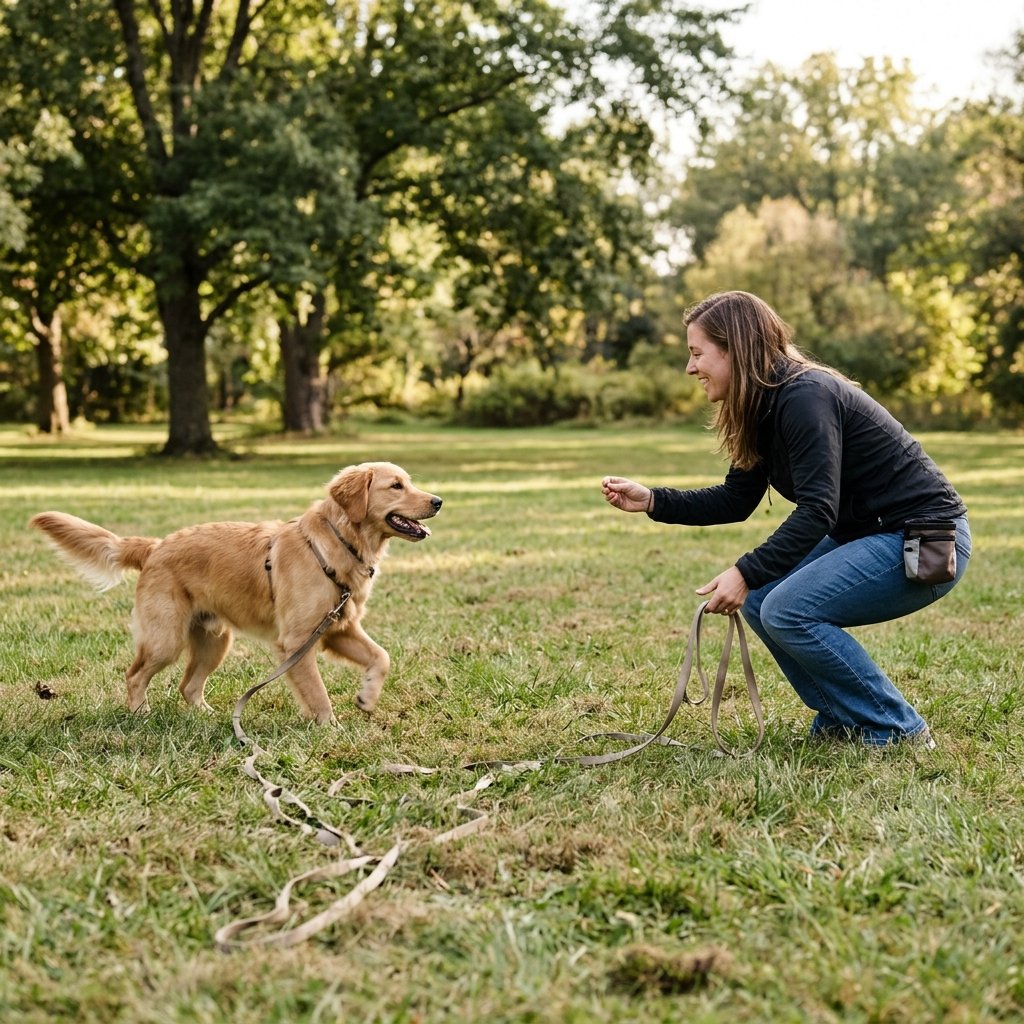
Stand a few feet away from your dog. Say their name, then “come,” in a bright voice. As soon as they move toward you, praise them. When they reach you, say “yes” and give a treat, plus lots of praise. Repeat several times.
If your dog doesn’t come, don’t repeat the cue. Make it easier: crouch down, clap, back away or show a treat. You want your dog to succeed.
Step 3: Add distance gradually
Once your dog comes eagerly from a few feet away, increase the distance a little at a time: from another room, down the hallway or across the house. Always reward when they reach you. If your dog starts to struggle, go back to an easier distance.
Step 4: Make it a game
Games make recall more fun. Try “round robin,” where two or more family members stand in different spots and call the dog in turn, each rewarding generously. Or play hide and seek: hide behind a door and call your dog, then celebrate when they find you. Our guide to indoor activities for dogs has more games that build skills while they play.
Step 5: Practice with a collar touch
Some dogs come close but dance out of reach. Teach your dog to let you gently touch their collar or harness before the treat arrives, so they learn that being caught is rewarding. Pair this with a treat every time.
Step 6: Move outside, on a long line
Now take it into the yard or a quiet outdoor area. Clip a long line (15 to 30 feet) to your dog’s harness, so they can wander but you can prevent them from running off. Let them explore, then call them with “come.” If they don’t respond, gently reel them in with the line without yanking, then reward when they arrive. Don’t scold. The line simply helps you finish the job.
Step 7: Add distractions slowly
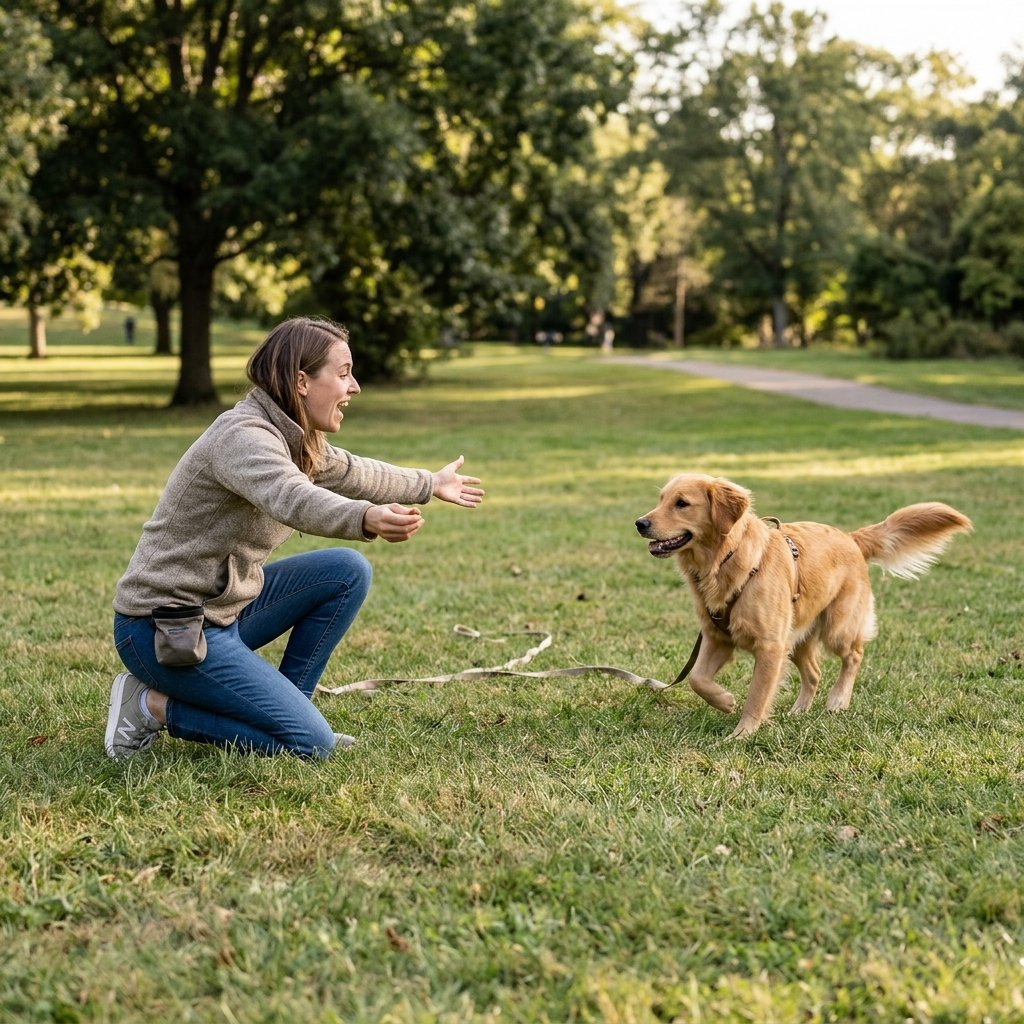
Dogs don’t generalize skills easily. A recall that works in the living room might fall apart in the park. Build up gradually: a quiet backyard, a quiet street, then a park with more activity. Use better treats as the difficulty goes up. And as always, change only one thing at a time. If you’re new to this approach, our guides to positive reinforcement dog training and how to teach a dog to stay explain how to build skills in small steps.
Step 8: Practice real-life recalls
Call your dog away from mild distractions, like a toy or a smell, and reward them well. Call them randomly during walks and play, then often let them go back to what they were doing. This teaches them that “come” doesn’t mean the end of fun.
Create an Emergency Recall
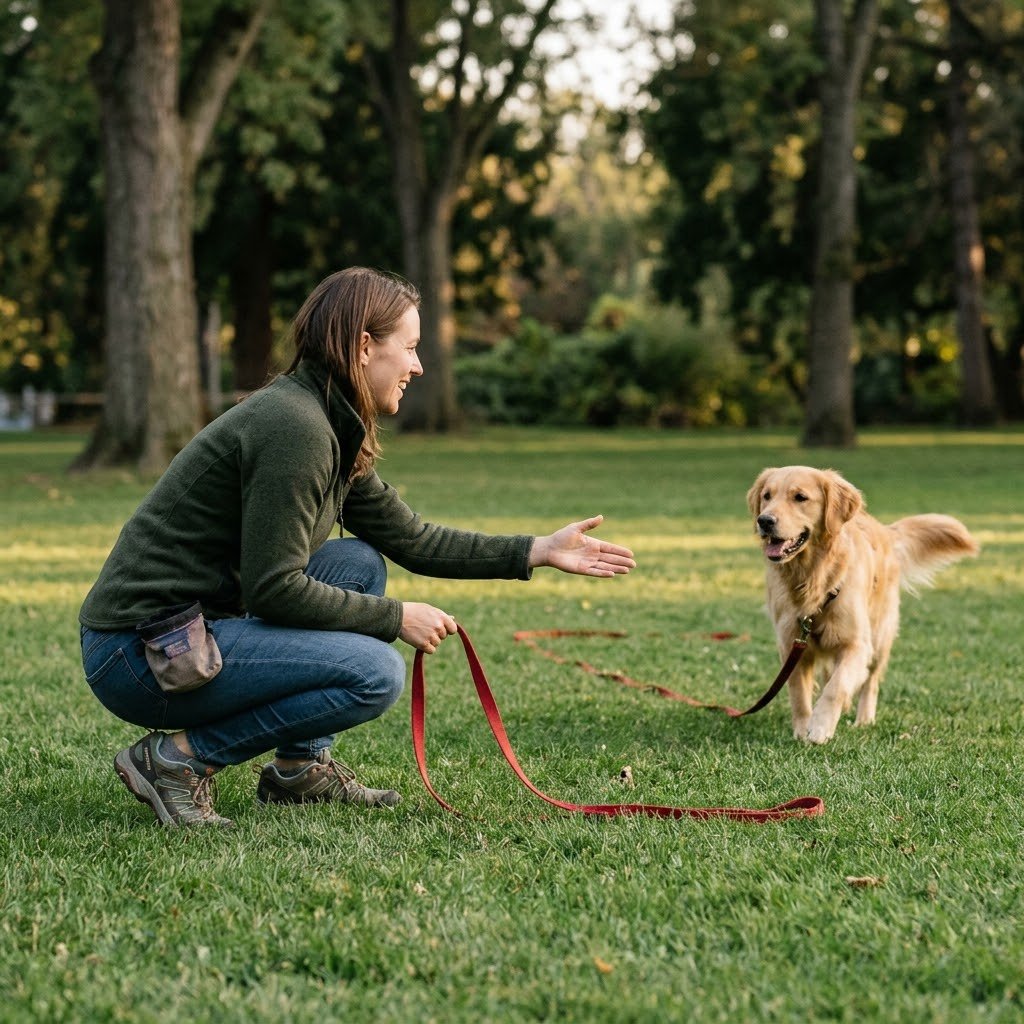
An emergency recall is a special cue, such as “here!” or a whistle, that you save for important situations. You teach it with a “jackpot” reward, like a handful of the very best treats, and you only use it for real emergencies and regular practice, so it keeps its power.
- Choose a unique word or whistle you don’t use for anything else.
- Say the cue and immediately give a series of five to ten treats, one after another, with lots of praise.
- Repeat in different places and moments, so your dog learns that the cue means a big payoff.
- Never use it for something unpleasant, and don’t overuse it.
Common Recall Problems (and Fixes)
My dog ignores me outside
The environment is more rewarding than you are. Go back to easier settings, use better treats, keep your dog on a long line and add distractions slowly.
My dog runs away when I call
Your dog may have learned that “come” ends the fun or leads to something unpleasant. Make coming to you wildly rewarding, call at random moments and avoid chasing.
My dog comes slowly or hesitates
Use a more exciting tone, move away from them and reward quickly when they come. Reward fast and slow movements differently: give a jackpot for speed.
My dog comes but stays just out of reach
Practice the collar touch with treats, and avoid grabbing them as soon as they reach you. Make it a game, so being close to you feels good.
My dog only comes when I have treats
Mix up rewards, using praise, play and toys as well as food, and keep treats in a pouch or pocket rather than in your hand. Use real-life rewards, like going back to play.
My dog gets too excited or hyper
Practice when your dog is calmer, and ask for a sit before releasing. If your dog is a puppy with lots of energy, our guide to how to calm a hyper puppy can help.
Common Mistakes to Avoid
- Calling your dog and then doing something unpleasant, like a bath or nail trim
- Repeating the cue over and over
- Letting your dog off leash before the recall is reliable
- Skipping practice, or only practicing when it matters
- Using boring rewards
- Getting angry or scolding when your dog finally comes
For a longer list of pitfalls, read our guide to common dog training mistakes.
Recall Training for Puppies, Adult Dogs and Rescues
Puppies often follow their owners naturally, which is a great time to build recall. Practice a lot, keep it fun and reward every success. Our puppy training guide and puppy care tips for beginners cover the early weeks.
Adult dogs can learn recall at any age, though old habits may take a bit longer to change. Rescue dogs may need time to trust you before they respond reliably. Our guide to how to introduce a new dog to your home can help you build the bond first.
Breed matters. Hounds, huskies and other independent breeds that were bred to follow a scent or run far may find recall especially challenging. They’re not stubborn, just motivated by different things. Use a long line or fenced areas, and build recall with plenty of patience.
Safety Tips
- Don’t let your dog off leash in unfenced areas until recall is rock-solid, and even then, think carefully.
- Make sure your dog wears ID tags, and that their microchip details are up to date.
- Use a long line for practice in open areas.
- Keep your dog away from roads, and be careful around wildlife and other dogs.
- If your dog does get loose, don’t chase. Call in a happy voice, run away or sit down, or use an emergency recall.
For more on leash skills, see our guide to how to leash train a dog, and for a wider overview of manners, read our basic dog commands training plan and 10 basic dog commands every dog owner should teach.
Where to Get Help
If recall isn’t improving, a certified positive-reinforcement trainer can help. The American Veterinary Society of Animal Behavior explains why reward-based methods are preferred in its position statements. The AKC’s training library, the ASPCA’s dog care pages, Fear Free and the AVMA’s pet owner resources are also useful. And for daily routines that keep dogs happy and engaged, see our guide to healthy habits for pets.
How Long Does It Take?
Many dogs learn the basics of coming when called in a few weeks of regular practice. A truly reliable recall, with distractions, can take months, and it needs ongoing practice for life. Be patient, keep sessions short and celebrate progress.
Quick Answers
How do I train my dog to come when called?
Start indoors with their name and “come,” reward with high-value treats, add distance and distractions gradually and use a long line outdoors.
What age can I start teaching recall?
As early as 8 weeks. Keep it playful and rewarding.
What should I do if my dog won’t come?
Don’t chase or scold. Make it easier, use better treats, back away and cheer them on, or go to them calmly. Practice in easier settings.
Should I use a treat every time?
Early on, yes. Later, gradually reduce and mix in praise, play and life rewards. Always reward generously for strong recalls in tough situations.
Can any dog have a reliable recall?
Most dogs can improve with training, but no dog is perfect. Use management tools, like leashes and fences, alongside training.
What’s the difference between “come” and an emergency recall?
“Come” is your everyday cue. An emergency recall is a special cue saved for important moments, with a jackpot reward to keep it powerful.
The Bottom Line
Learning how to train a dog to come when called takes patience, great treats and a lot of fun. Build it in small steps, from indoors to outdoors, add distance and distractions slowly, never punish a dog for coming and always make arriving worthwhile. Do this consistently, and you’ll have a dog who races back to you with a wagging tail, and a lot more freedom and safety for both of you.
If your dog has trouble with fear, anxiety or aggression, or runs off despite consistent training, speak with your veterinarian or a qualified behavior professional.

Discussion 0 comments
Share your thoughts — every perspective adds value.