

You’ve filled out the forms, bought the bed, and picked out an adorable name. Now the front door is about to open and a new dog is going to step into your life. It’s an exciting moment, and it’s easy to get carried away: introductions to the whole family, a tour of every room, a trip to meet the neighbors.
But for your dog, everything is new, strange and a little overwhelming. How you handle the first hours, days and weeks matters more than almost anything else. This guide on how to introduce a new dog to your home will walk you through each step, from preparing your house to meeting your family, other pets and the daily routine, so you can set your dog up for success.
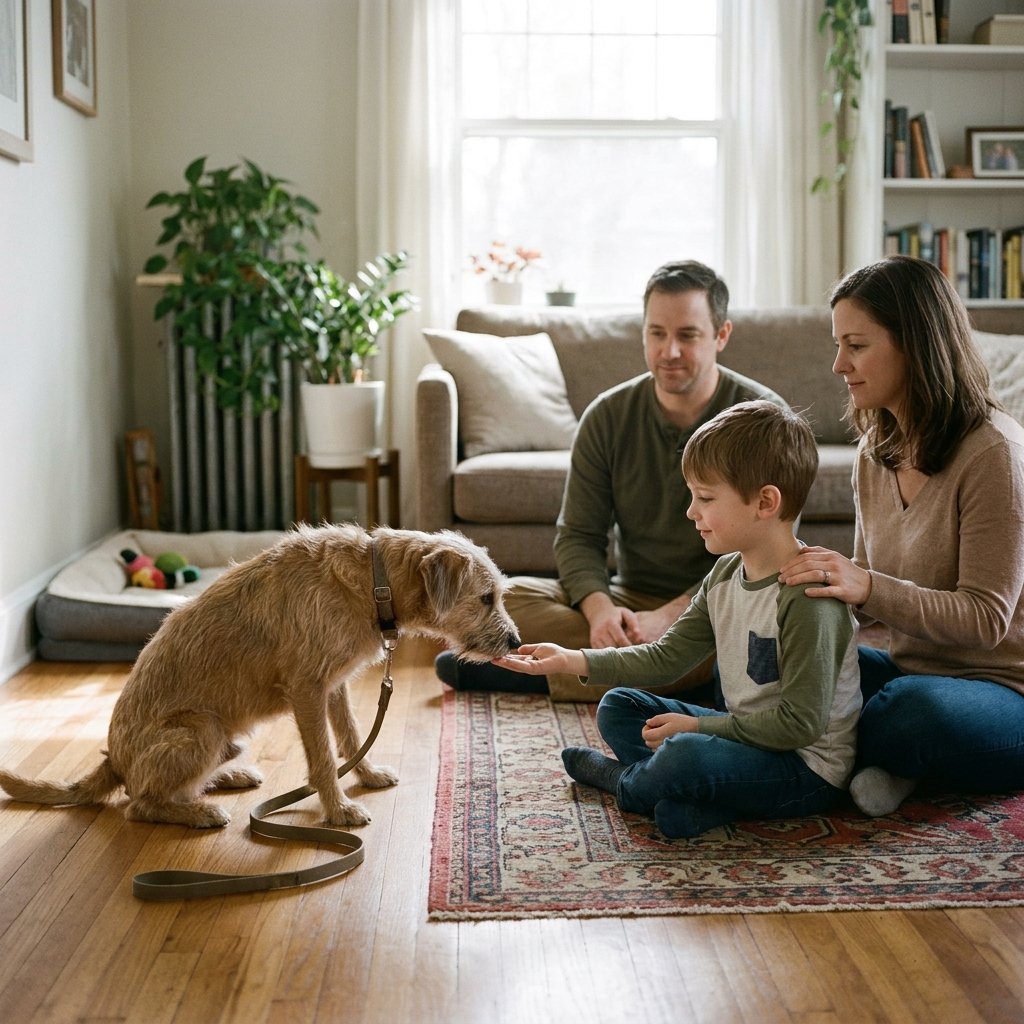
Before Your New Dog Comes Home
A little preparation makes the first days far smoother.
Get everyone on the same page
Hold a quick family meeting. Decide who feeds the dog, who walks them, which rooms are off-limits and which rules apply, such as whether the dog is allowed on the furniture. Consistency from day one helps your dog learn faster.
Dog-proof your home
Look at your home from a dog’s perspective. Put away shoes, cables, medications, cleaning products, toxic plants and anything chewable or swallowable. Secure the trash. Use baby gates to block off areas you don’t want your dog to access. The ASPCA has a useful list of people foods to avoid feeding your pets.
Gather the essentials
- A collar or harness with an ID tag, and a leash
- Food and water bowls
- The same food your dog has been eating (ask the shelter, breeder or previous owner)
- A bed, crate or playpen
- Chew toys and puzzle toys
- Poop bags, enzymatic cleaner and treats
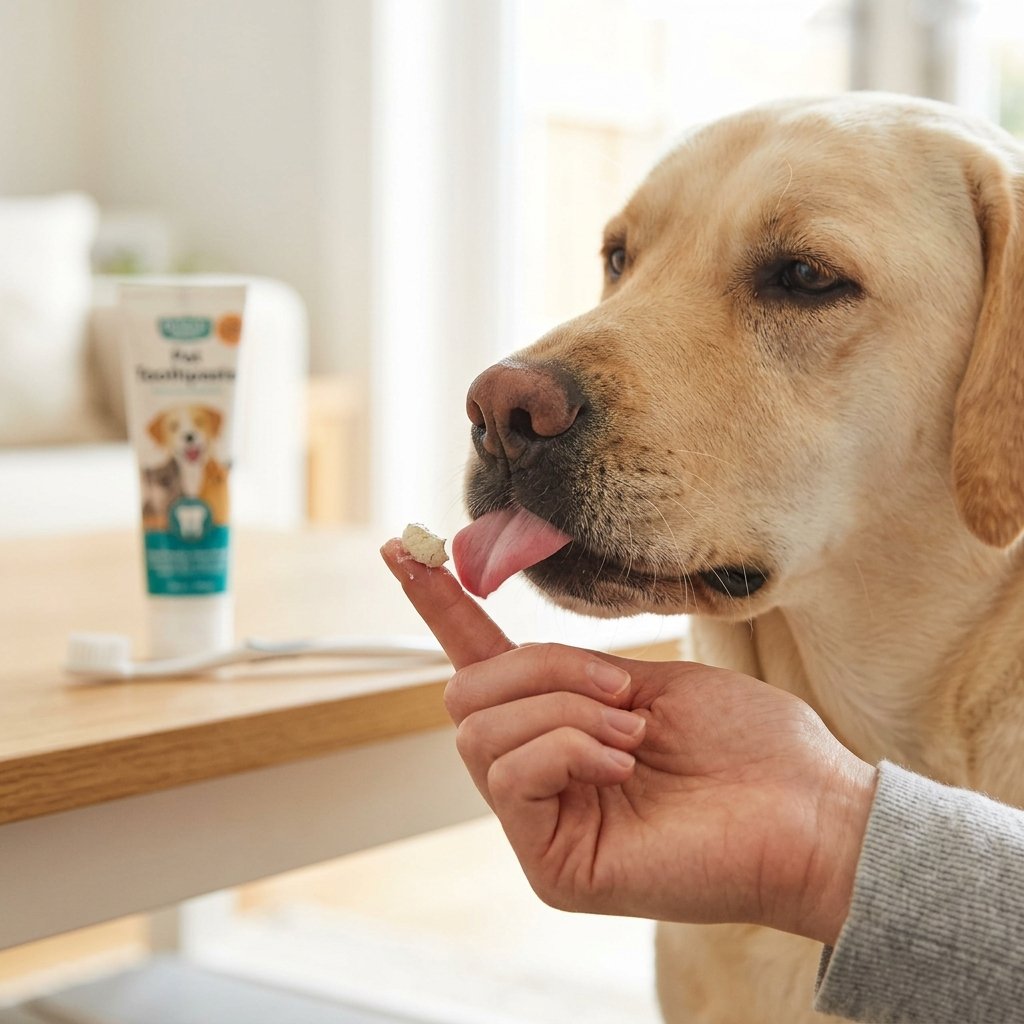
- A brush, nail clippers and dog toothpaste
Set up a safe space
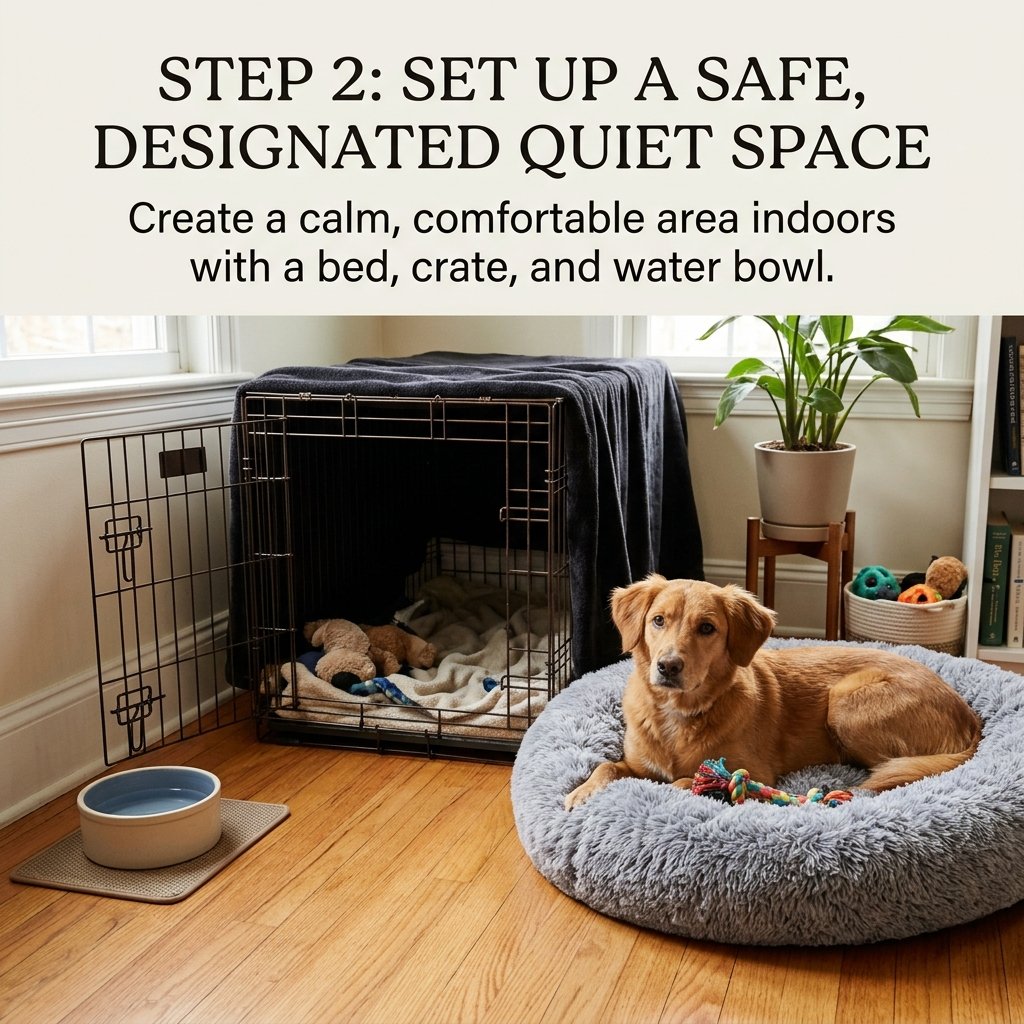
Choose a quiet spot, away from the busiest part of the house, where your dog can rest undisturbed. A crate with a blanket, a bed in a quiet corner or a gated-off area all work. This becomes your dog’s retreat. If you plan to use a crate, our guide to crate training an 8-week-old puppy explains how to introduce it positively, and dog crate training games can help dogs of any age like their space.
Book a vet appointment
Schedule a check-up within the first week or so. Bring any records you’ve been given, and ask about vaccinations, parasite prevention and microchipping. If your dog is already microchipped, update the registration with your details.
Arrival Day: Keep It Calm
The ride home
Bring a secure crate or a seat-belt harness for the car ride home. Many dogs are nervous in cars, so stay calm and keep the journey as quiet as possible. If you can, bring a second person to sit with your dog.
Potty first
Before going inside, take your dog to the spot where you want them to relieve themselves. Wait a few minutes, and reward with praise and a treat if they go. It starts good habits on day one.
A calm tour on leash
Keep your dog on a leash when entering the house. Walk them slowly through the rooms they’ll be allowed into, letting them sniff and explore at their own pace. Don’t crowd them, rush or force interaction. Show them their water bowl, bed and safe space.
Limit visitors and excitement
Resist the urge to invite friends and family over to meet your new dog. A big welcome party is overwhelming, and the first few days are best kept quiet. There will be plenty of time for introductions later.
The First Few Days and Weeks: Decompression
Many trainers and rescue organizations talk about the “3-3-3 rule” as a rough guide for rescue dogs: about three days to decompress, about three weeks to start learning the routine and about three months to feel truly at home. It isn’t a scientific law, and every dog is different, but it’s a helpful reminder to be patient.
What to expect
- Shyness or hiding: Some dogs hide, stay in their crate or watch from a distance. Let them come to you.
- Low appetite: Stress can reduce appetite for a day or two. If it lasts longer, call your vet.
- Accidents: Even house-trained dogs may have accidents in a new place. Stay calm and clean up with an enzymatic cleaner.
- Clinginess or distress when you leave: Building independence takes time. Our post on why your dog follows you everywhere explains the difference between normal attachment and separation anxiety.
- Surprises: A dog who seemed calm at the shelter may show different behavior once they relax. This is normal.
Build a Predictable Routine
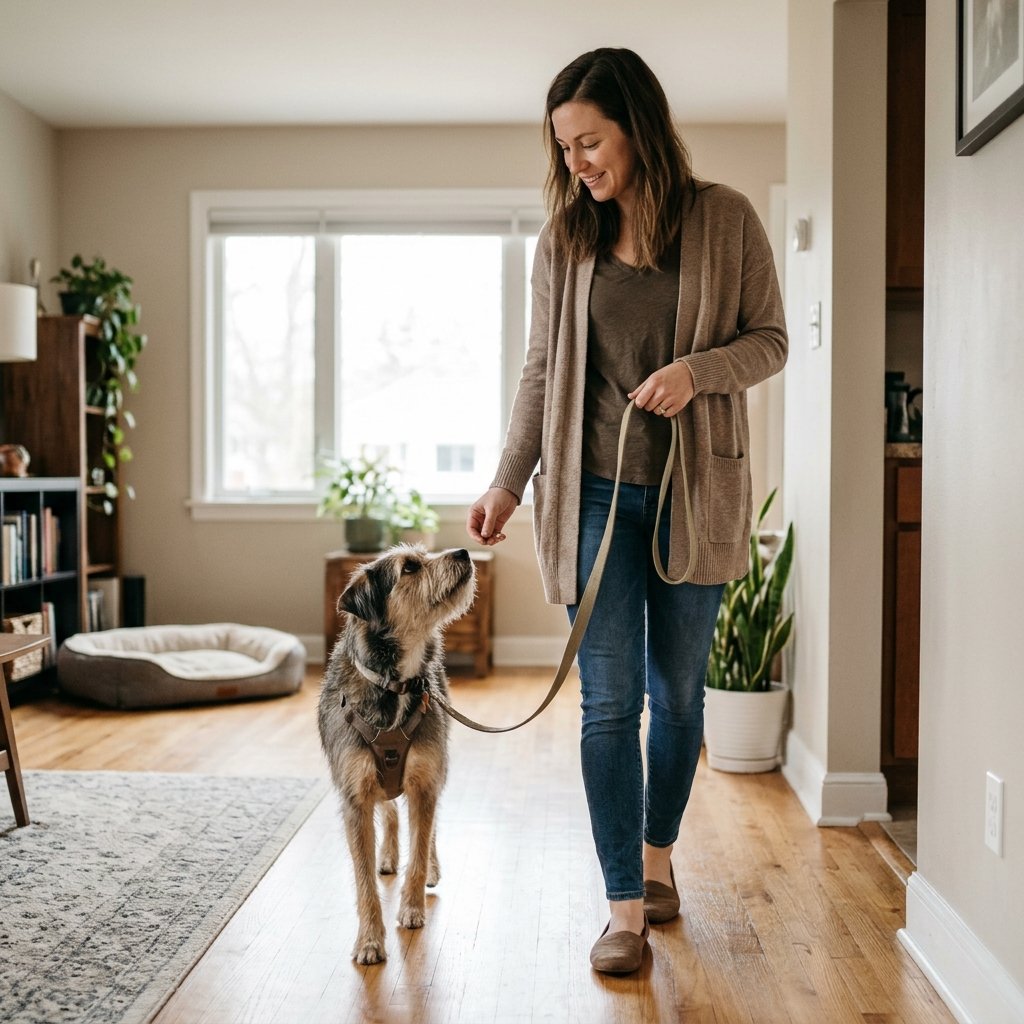
Dogs relax when they know what to expect. Set regular times for meals, walks, play, training and sleep. Keep the first days quiet, with short walks, gentle play and lots of rest. A consistent routine builds trust faster than almost anything else. Our guide to healthy habits for pets offers easy routines to build into your day, and pet care tips for beginners covers the first 30 days with a new pet.
Feeding
Keep your dog on their previous food for at least the first week, then switch gradually over 7 to 10 days if you want to change. Feed at regular times, and in a quiet spot where they won’t be disturbed. Our pet nutrition guide covers how to choose and measure food.
Potty routine
Take your dog out first thing in the morning, after meals, after naps and before bed, and reward them each time they go in the right spot. Adult rescue dogs may need a refresher even if they’re house-trained. For the full method, see how to potty train a puppy, which works for adult dogs too.
Introducing Your New Dog to a Resident Dog
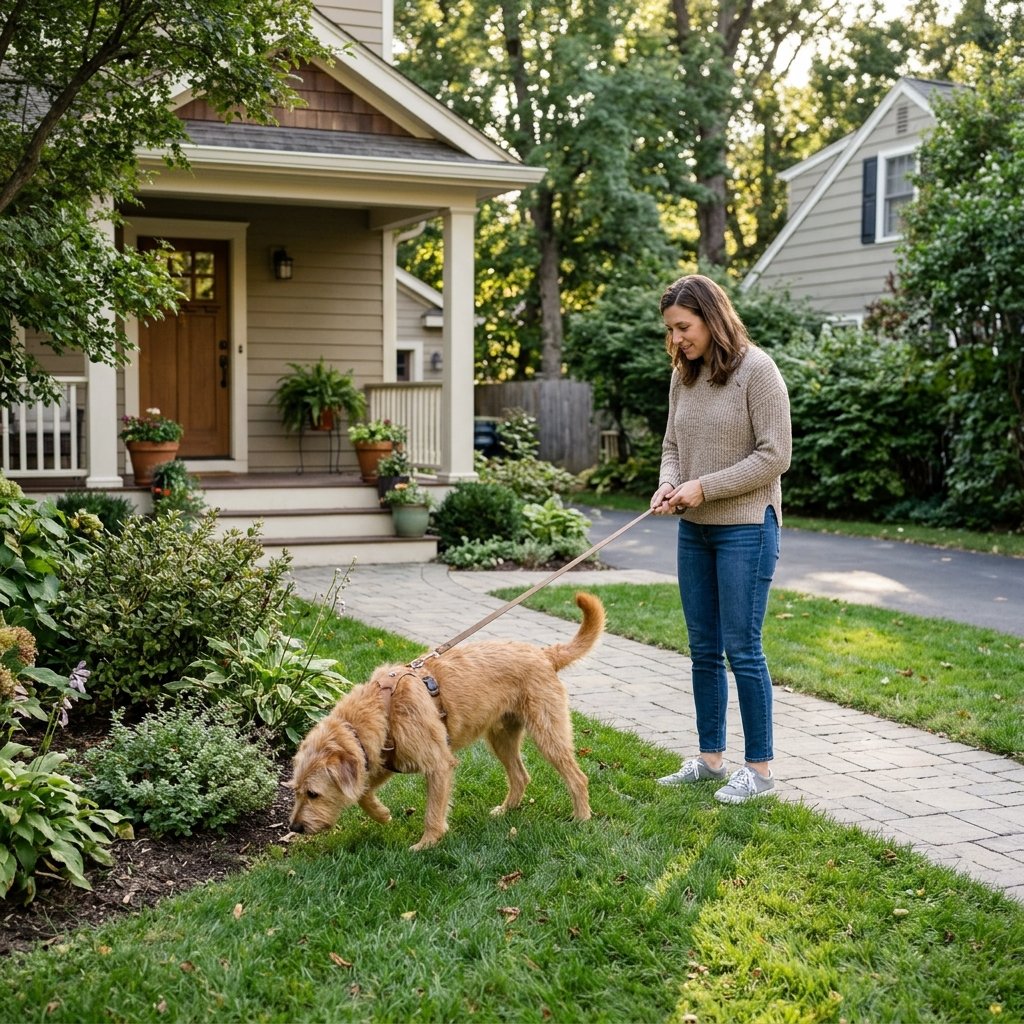
First impressions matter, and a careful introduction reduces the risk of conflict.
- Meet on neutral ground. Choose a quiet outdoor space that neither dog considers their territory, such as a park or a quiet street. Each dog should be on a loose leash with their own handler.
- Start with parallel walks. Walk the dogs side by side at a comfortable distance, gradually decreasing the space between them as they relax.
- Allow brief, calm sniffs. Keep greetings short, around three to five seconds, then walk on. Keep the leashes loose.
- Watch body language. Look for relaxed, loose bodies, wagging tails, play bows and sniffing. Stiffness, staring, raised hackles, growling or lunging are signs to increase distance and slow down.
- Bring them home separately. Let the resident dog go in first, or enter the house with both dogs on leashes. Keep early interactions supervised.
- Manage resources. Feed the dogs separately, and put away high-value items such as bones, toys and treats until you know how they get along. Provide separate beds and water bowls.
- Supervise and separate when needed. Don’t leave the dogs alone together until you’re confident they’re comfortable. Use gates or crates for breaks.
If you see growling, snapping or tension, read our guide to why your dog growls at you for how to interpret and respond to those signals. Never punish a growl. If tension persists, ask a qualified trainer or behaviorist for help.
Introducing Your New Dog to a Cat
Dogs and cats can live together happily, but introductions need patience. Here’s the short version. For a full, step-by-step plan, see our dedicated guide to how to introduce a dog to a cat.
- Start with separate spaces. Give your cat a dog-free room with food, water, a litter box and hiding places.
- Swap scents. Exchange bedding or rub a cloth on each animal and place it near the other, so they get used to each other’s smell.
- Use a barrier. Let them see each other through a baby gate or cracked door, rewarding calm behavior in both.
- Keep the dog on a leash for first meetings, and make sure the cat has an escape route and high places.
- Never force interaction. If either animal shows signs of fear or stress, slow down.
- Supervise closely until you’re confident, which can take weeks or even months.
Cats can be easily stressed by a new dog. Our guide to the signs your cat is stressed and our post on why your cat hides can help you read your cat’s reactions.
Introducing Your New Dog to Children
Children and dogs can be wonderful companions, but they need guidance.
- Teach children to be calm and gentle, and to let the dog approach them.
- No hugging, climbing on, grabbing or disturbing the dog while eating, sleeping or chewing.
- Always supervise interactions, especially with young children.
- Give the dog a safe space where children aren’t allowed.
- Teach kids to recognize signs of stress, such as turning away, lip licking, yawning or growling.
The CDC’s healthy pets page has guidance on keeping children and pets safe together.
Start Training Early
Training gives your dog structure and helps you build a relationship. Begin with simple, reward-based skills like their name, sit, come and leave it. Keep sessions short and positive. Our guides to positive reinforcement dog training and the basic dog commands training plan are good places to start, and how to leash train a dog helps with walks. Don’t expect too much too soon. Give your dog time to settle before asking for a lot.
Prevent Separation Problems
Start leaving your dog alone for short periods early, such as a few minutes at first, with a chew or puzzle toy. Keep departures and arrivals low-key. Gradually build up the time. If your dog barks, panics or destroys things when alone, see our guide on how to stop a dog from barking and talk to your vet or a qualified behavior professional.
Common Mistakes When Bringing a Dog Home
- Overwhelming the dog with visitors and activity
- Giving too much freedom too soon
- Skipping a routine
- Expecting a perfect dog right away
- Punishing mistakes instead of preventing them
- Rushing introductions with other pets
- Skipping vet care and identification
For a longer list of pitfalls and what to do instead, see common dog training mistakes. If your new dog is a puppy, our puppy care tips for beginners covers the first six months in detail.
When to Ask for Help
Contact your vet, and a certified trainer or veterinary behaviorist, if your new dog:
- Won’t eat or drink for more than a day or two
- Shows signs of illness, such as vomiting, diarrhea, coughing or lethargy
- Is extremely fearful, aggressive or panics when alone
- Growls, snaps or bites
- Has intense conflict with other pets
The AVMA’s pet owner resources, the AKC’s training library, the ASPCA’s dog care pages and Fear Free are useful for further reading.
Quick Answers
How long does it take a new dog to adjust to a new home?
Many dogs start to settle in within a few days to a few weeks, but it can take up to three months or more for a dog to feel fully at home, especially rescue dogs.
What should I do on the first night with my new dog?
Take them out to potty before bed, set up a comfortable sleeping spot in a quiet area, keep the room calm and expect some restlessness. Be patient and reassuring.
Should I let my new dog off leash right away?
No. Keep your dog on a leash or in a secure, fenced area until they’re settled and you’ve built a reliable recall.
How do I introduce a new dog to my other dog?
Meet on neutral ground, on leash, with parallel walks and short, calm greetings. Supervise closely at home and manage resources like food and toys.
Is it normal for a new dog to hide or not eat?
Yes, for the first day or two. If it lasts longer, or your dog seems unwell, contact your vet.
When can I take my new dog to the dog park?
Wait until your dog is settled, vaccinated and has had a vet check. Many trainers recommend waiting a few weeks and starting with less crowded, controlled settings.
The Bottom Line
Knowing how to introduce a new dog to your home is mostly about patience and calm. Prepare your space, keep the first days quiet, build a predictable routine, introduce other pets and children carefully and reward good behavior. Give your dog time to decompress, and don’t expect perfection. With a little care and kindness, that nervous newcomer will soon become a confident, loving member of the family.
If your new dog shows signs of illness, extreme fear or aggression, speak with your veterinarian or a qualified behavior professional.


Discussion 0 comments
Share your thoughts — every perspective adds value.